


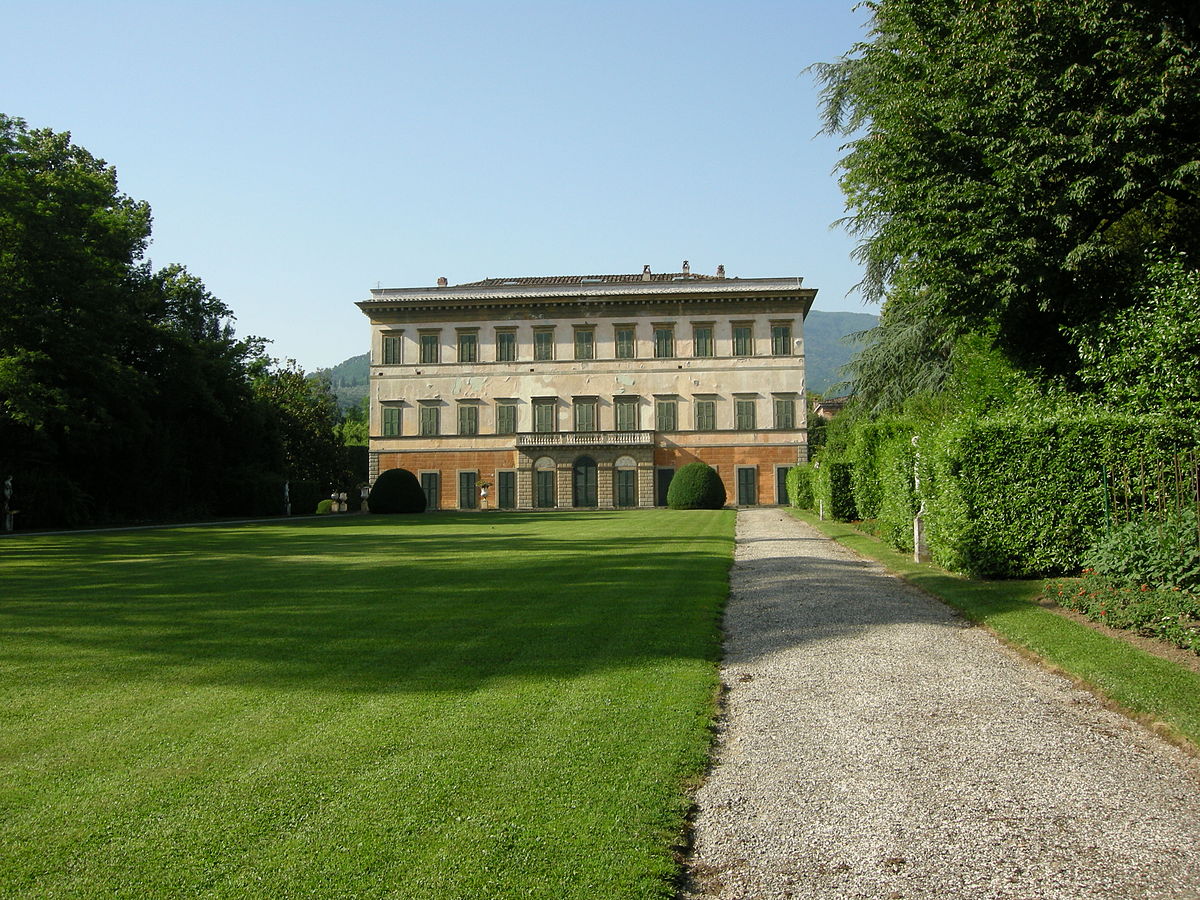


Villa Reale di Marlia
Overview
Villa Reale di Marlia, situated in the picturesque region of Tuscany, is a captivating example of Italian villa architecture combined with exquisite landscaping. This villa museum draws visitors with its lush gardens and serene atmosphere, offering a glimpse into the opulent lifestyle of the Italian nobility. The villa serves not just as a historical site but also as a cultural hub, showcasing various art forms and hosting events that reflect its storied past. Surrounded by the rolling hills of Tuscany, the villa presents a tranquil respite, inviting guests to explore its manicured gardens and admire its architectural beauty. Whether you’re an art lover, history enthusiast, or simply seeking a peaceful retreat, Villa Reale di Marlia promises a memorable experience steeped in elegance and history.
History and Significance
The history of Villa Reale di Marlia is woven into the rich fabric of Tuscany’s cultural heritage. Originally constructed as a modest villa, it underwent significant transformations over the centuries, becoming a splendid residence for various noble families. The villa’s significance stretches beyond its physical structure; it embodies the lifestyle and aesthetic sensibilities of the Italian aristocracy during its prime.
The villa’s grounds have been the site of numerous historical events, with its gardens meticulously designed to reflect the Baroque style, showcasing the grandeur of that era. The cultural importance of Villa Reale di Marlia extends to its role as a gathering place for artists and intellectuals, fostering creativity and dialogue among the elite. Today, the villa stands as a museum, preserving its legacy and making it accessible to the public. It provides insight into the artistic and architectural developments of Italy, making it an essential stop for those interested in the region’s history.
Architecture and Features
Villa Reale di Marlia is an architectural marvel that combines elegance with functionality. The villa’s layout exemplifies the classic Italian villa style, characterized by symmetry and harmony with the surrounding landscape. Visitors are greeted by grand facades adorned with intricate details that reflect the craftsmanship of its era.
One of the most notable features of Villa Reale di Marlia is its expansive gardens, which are a central attraction. These gardens are not merely decorative; they are designed to be experienced and explored. They include a variety of plant species and carefully curated landscapes, showcasing the artistry of garden design from different periods. The villa also features water elements, sculptures, and pathways that encourage leisurely strolls and contemplation.
Inside, the villa houses an impressive collection of art and artifacts that tell the story of its former inhabitants and the cultural milieu of the time. Each room has been thoughtfully preserved to reflect the opulence of its past, allowing visitors to appreciate the artistry and lifestyle of the era.
Visiting Information
Visiting Villa Reale di Marlia is a delightful experience, easily accessible for those traveling through Tuscany. The villa is located in Capannori, making it a convenient stop for day-trippers from nearby cities like Lucca and Florence. Various transportation options are available, including local bus services, but driving can offer more flexibility to explore the surrounding area.
Check the official website for current information regarding hours of operation and admission prices, as these can vary by season. A visit typically requires about two to three hours, allowing ample time to explore both the villa and its gardens.
The best times to visit are during the spring and early autumn months when the gardens are in full bloom and the weather is most pleasant. Special events, such as art exhibitions and cultural festivals, are also held throughout the year, providing unique opportunities to engage with the villa’s offerings.
Nearby Attractions
While visiting Villa Reale di Marlia, consider exploring some nearby attractions that complement your experience:
Lucca: A charming medieval town located just a short drive away, Lucca is known for its well-preserved Renaissance walls and historic buildings.
Villa Grabau: This nearby villa features beautiful gardens and offers a glimpse into the lifestyle of the Tuscan nobility.
Montecarlo: Famous for its wine, this small town offers wine tastings and picturesque views of the surrounding countryside.
Barga: A hilltop town with stunning views and rich history, Barga is known for its medieval architecture and vibrant arts scene.
Parco di Pinocchio: Located in Collodi, this unique park is inspired by the story of Pinocchio and is perfect for families, featuring whimsical sculptures and attractions.
Insider Tips
When visiting Villa Reale di Marlia, keep a few insider tips in mind to enhance your experience. Arrive early in the day to avoid larger crowds, especially during peak tourist seasons. The villa’s gardens can be quite popular, so an early visit allows for a more peaceful exploration.
For photography enthusiasts, the gardens present excellent opportunities for capturing the beauty of the landscape, particularly in the morning light. Be sure to check for any specific photography guidelines on-site to respect the property.
Practical Information
Before your visit to Villa Reale di Marlia, consider the following practical information to ensure a smooth experience. Comfortable walking shoes are recommended, as the villa and gardens require some walking and exploration.
Seasonal considerations are also important; summer can be quite warm, so bringing water and sun protection is advisable. Conversely, spring and autumn are ideal for enjoying the gardens’ seasonal blooms.
Facilities such as restrooms are available on-site, and while specific dining options may vary, there are often cafes nearby for refreshments.
Frequently Asked Questions
How long should I spend visiting?
A typical visit to Villa Reale di Marlia takes about two to three hours, allowing time to explore both the villa and the gardens.
Is photography allowed?
Photography is generally permitted in the gardens, but it’s best to check for specific restrictions inside the villa.
Are there guided tours?
Guided tours may be available, offering deeper insights into the villa’s history and architecture. Check the official website for details.
What’s the best time to visit?
The best times to visit are during spring and early autumn when the gardens are in full bloom, and the weather is pleasant.
Is it wheelchair accessible?
Check the official website for information on accessibility options, as the villa’s layout may present some challenges.
Can I buy tickets online?
Ticket purchasing options may vary, so it’s advisable to check the official website for the latest information on online ticket sales.
Are there restrooms and cafes?
Restroom facilities are available on-site, and there are often cafes nearby for refreshments.
What should I wear?
Comfortable clothing and shoes are recommended, as visitors will likely be walking through the gardens and exploring the villa.
Photo Gallery
Visit Information
Quick Facts
- Heritage Type
- Museum
- Region
- tuscany
- Wikidata ID
- Q3558929
More in tuscany

Abbazia di San Gaudenzio
📍 tuscany, Italy
The Abbazia di San Gaudenzio is a historic abbey located in San Gaudenzio, Tuscany, Italy, notable for its architectural elegance and spiritual …

Abbey of St Maria del Monte
📍 tuscany, Italy
The Abbey of St Maria del Monte is a historic church building located in Cesena, Italy, celebrated for its architectural beauty and serene ambiance.
Abiogen Pharma
📍 tuscany, Italy
Abiogen Pharma is an educational institution located in Pisa, Italy, recognized for its contributions to pharmaceutical education and research.

Academia de la Crusca library
📍 tuscany, Italy
The Academia de la Crusca library is a historic library located in Tuscany, Italy, renowned for its dedication to the Italian language and its …

Acquedotto leopoldino
📍 tuscany, Italy
The Acquedotto Leopoldino is an impressive aqueduct system located in Livorno, Tuscany, Italy, recognized for its historical significance and …

Acquedotto Lorenese
📍 tuscany, Italy
The Acquedotto Lorenese is a historic aqueduct located in Campiglia Marittima, Tuscany, Italy, known for its 19th-century architecture and engineering …
More Museum

Aghinolfi Castle
📍 tuscany, Italy
Aghinolfi Castle is a historic museum located in Montignoso, Tuscany, Italy, renowned for its medieval architecture and rich cultural heritage.
Alessi Museum
📍 sicily, Italy
The Alessi Museum is a captivating museum located in Sicily, Italy, renowned for its unique collection of decorative arts and design pieces.
Anatomical Museum "Eugenio Morelli"
📍 lazio, Italy
The Anatomical Museum "Eugenio Morelli" is a museum in Lazio, Italy, renowned for its fascinating collection of anatomical specimens and educational …

Antiquarium of Palazzone
📍 marche, Italy
The Antiquarium of Palazzone is a museum located in Perugia, Italy, renowned for its collection of artifacts that showcase the region's rich …
Aquarium of Alghero
📍 sardinia, Italy
The Aquarium of Alghero is a fascinating museum in Sardinia, Italy, known for its diverse marine life exhibits and educational experiences.

Ara Pacis
📍 lazio, Italy
The Ara Pacis is an ancient Roman monument located in Rome, Italy, renowned for its intricate relief sculptures and its role in celebrating peace and …