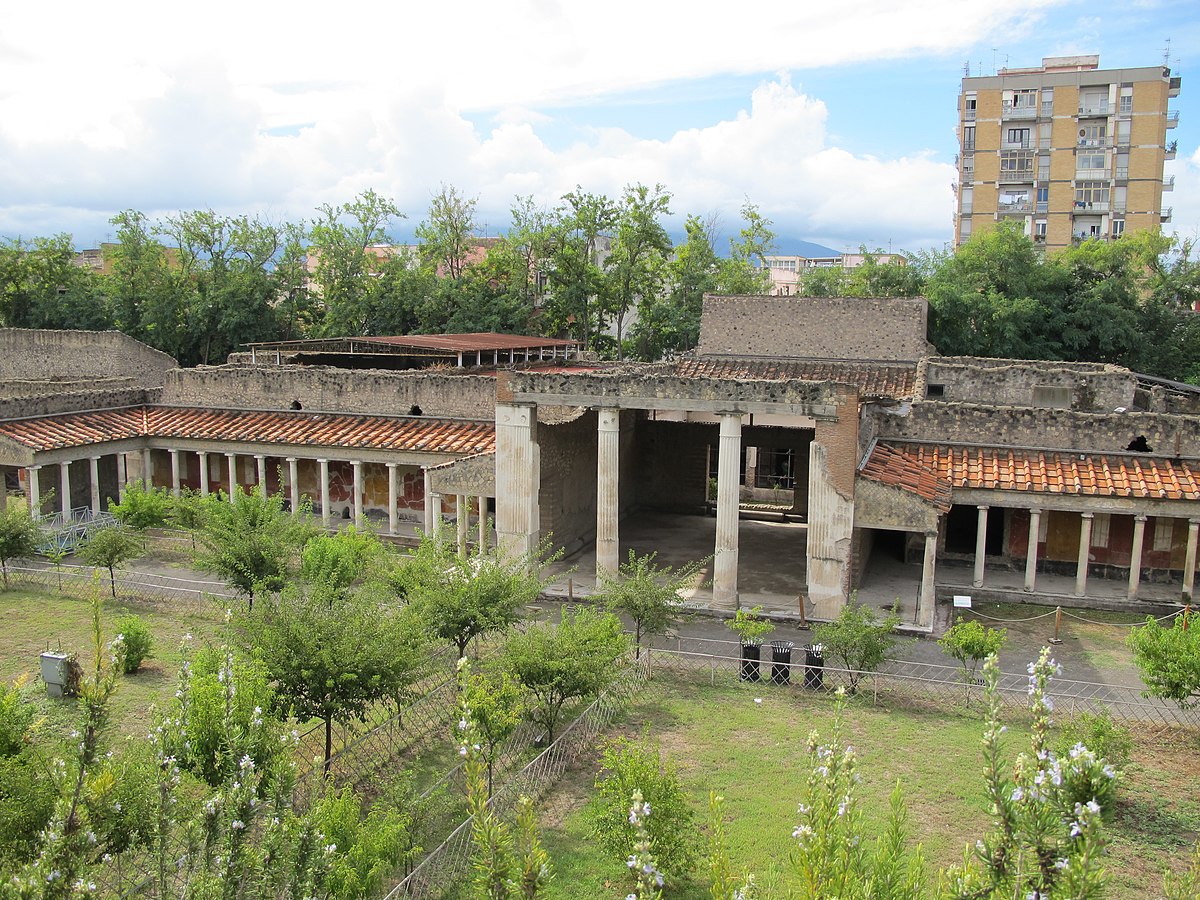


Villa Poppaea
Overview
Villa Poppaea, located in the coastal town of Torre Annunziata in the Campania region of Italy, is a captivating archaeological site that offers a glimpse into the opulent lifestyle of the Roman elite. This villa is believed to have belonged to Poppaea Sabina, the second wife of Emperor Nero. The site is significant not only for its historical context but also for the stunning artistry of its mosaics, which have drawn the attention of historians and visitors alike. Surrounded by the rich cultural tapestry of the Bay of Naples, Villa Poppaea is an essential stop for those exploring the legacy of ancient Rome.
The villa’s location provides a unique opportunity to reflect on the luxurious life of its inhabitants, adorned with beautiful frescoes and intricate flooring. As you explore the ruins, you will uncover the architectural sophistication that characterized Roman residential design. The site stands as a poignant reminder of the natural disaster that buried it, providing unparalleled insights into the daily life and environment of its time.
History and Significance
The history of Villa Poppaea can be traced back to the late Roman Republic and early Imperial period. While precise dates are not recorded, the villa is believed to have been constructed in the first century A.D., during a time when the surrounding area was thriving due to affluent landowners and their grand estates. The villa is thought to have been a retreat for the wealthy, specifically for Poppaea Sabina, who is often associated with the site.
This archaeological site is significant for several reasons. First, it exemplifies the luxurious lifestyle enjoyed by Roman elites, showcasing the architectural style and artistic expression of the time. The villa features a complex layout, including several rooms, gardens, and courtyards, designed for both leisure and social gatherings. The presence of elaborate mosaics and frescoes highlights the importance of art in Roman life, reflecting both aesthetic values and cultural themes.
Moreover, Villa Poppaea offers insights into the impact of the catastrophic eruption of Mount Vesuvius in A.D. 79, which buried several towns in the region, including Pompeii and Herculaneum. The preservation of the villa under volcanic ash provides a unique opportunity for researchers to study Roman domestic architecture and urban planning. The site’s excavation has yielded numerous artifacts, including pottery, tools, and everyday items, contributing to our understanding of Roman society and its practices.
Architecture and Features
Villa Poppaea is characterized by its impressive architectural design, which reflects the sophistication of Roman engineering and aesthetics. The layout of the villa includes various rooms, each serving distinct purposes, such as living quarters, dining areas, and recreational spaces. The villa also boasts gardens and open-air courtyards, which were likely used for relaxation and outdoor gatherings.
One of the most notable features of Villa Poppaea is its exquisite mosaics. These intricate artworks depict a variety of themes, from mythological scenes to nature motifs, showcasing the skill of ancient artisans. The use of vibrant colors and detailed patterns in the mosaics exemplifies the high artistic standards of Roman decoration.
The villa’s walls were adorned with frescoes, which further enhanced its opulence. These paintings not only provided aesthetic appeal but also conveyed social status and cultural values. The combination of mosaics and frescoes creates a visually stunning environment, inviting visitors to appreciate the artistry that defined Roman elite residences.
The structural design of Villa Poppaea also highlights advanced Roman engineering techniques. The use of arches, columns, and vaulted ceilings demonstrates the architectural ingenuity of the time. As you wander through the ruins, you can observe the remnants of the villa’s grandeur, imagining the lush gardens and vibrant life that once filled these spaces.
Visiting Information
Reaching Villa Poppaea is relatively straightforward, as it is located just a short distance from the bustling city of Naples. Visitors can access the site via public transport, including trains and buses that connect Torre Annunziata with major cities in the region. The site is well-marked and easy to navigate once you arrive.
For current information regarding opening hours and entrance fees, check the official website. Typically, visitors can expect to spend approximately 1-2 hours exploring the site, allowing enough time to appreciate the intricate details of the mosaics and architecture. It is advisable to wear comfortable shoes, as the terrain can be uneven in places.
The best times to visit are during the spring and fall months when temperatures are milder, and there are fewer crowds. Early mornings or late afternoons are ideal for avoiding peak visitor times and enjoying a more personal experience at the site.
Nearby Attractions
Pompeii: A short distance away, the ruins of Pompeii offer an extensive glimpse into Roman life before the eruption of Vesuvius. The well-preserved streets, buildings, and frescoes make it a must-visit for history enthusiasts.
Herculaneum: Another ancient town preserved by volcanic ash, Herculaneum is smaller than Pompeii but equally significant, known for its well-preserved wooden structures and stunning mosaics.
Mount Vesuvius: The imposing volcano itself is a prominent feature of the landscape. Hiking to the summit provides panoramic views of the Bay of Naples and insights into the geological forces that shaped the region.
Oplontis: This archaeological site features another Roman villa, Villa Poppaea’s sister site, known for its extensive frescoes and well-preserved structures.
Torre Annunziata’s Archaeological Museum: A local museum that houses artifacts from the area, providing context and further understanding of the history surrounding Villa Poppaea and its significance.
Insider Tips
For those interested in photography, the mosaics and architectural details of Villa Poppaea offer fantastic opportunities for capturing stunning images. Early morning light can enhance the colors and textures of the mosaics, so plan to arrive shortly after opening.
To avoid crowds, consider visiting during weekdays or outside of peak tourist seasons. Engaging a local guide can also enrich your experience, providing insights into the history and significance of the site that you may not discover on your own.
Practical Information
When planning your visit to Villa Poppaea, be sure to bring water, sun protection, and a camera to capture the beautiful mosaics and architectural details. Comfortable walking shoes are essential due to uneven terrain.
Seasons play a role in your experience; summer can be hot and crowded, while spring and fall offer more pleasant weather and fewer visitors. Check the official website for seasonal events or temporary exhibitions that might enhance your visit.
Frequently Asked Questions
How long should I spend visiting?
Most visitors spend about 1-2 hours at Villa Poppaea to fully appreciate the site.
Is photography allowed?
Yes, photography is generally allowed, but be mindful of any specific guidelines posted at the site.
Are there guided tours?
Guided tours may be available, providing a deeper understanding of the site’s history and significance.
What’s the best time to visit?
Spring and fall are ideal for visiting, with milder temperatures and fewer crowds.
Is it wheelchair accessible?
Check the official website for current accessibility options, as terrain can vary.
Can I buy tickets online?
Check the official website for information on ticket purchasing options.
Are there restrooms and cafes?
Facilities may be limited on-site; check the official website for details on amenities.
What should I wear?
Dress comfortably and appropriately for walking, considering the weather and terrain.
Photo Gallery
Visit Information
Quick Facts
- Heritage Type
- Archaeological Site
- Region
- campania
- Wikidata ID
- Q542944
More in campania
18th-Century Royal Palace at Caserta with the Park, the Aqueduct of Vanvitelli, and the San Leucio Complex
📍 campania, Italy
The 18th-Century Royal Palace at Caserta, a UNESCO World Heritage site in Campania, Italy, is renowned for its stunning architecture, expansive …

Abbey of La Trinità della Cava
📍 campania, Italy
The Abbey of La Trinità della Cava is a historic monastery located in Campania, Italy, celebrated for its serene ambiance and architectural beauty.

Abella
📍 campania, Italy
The archaeological site of Abella in Campania, Italy, is an ancient human settlement known for its historical significance and cultural heritage.

Abellinum
📍 campania, Italy
Abellinum is an archaeological site in Atripalda, Italy, known for its ancient ruins that reveal insights into Roman settlement and urban planning.

Acerenza Cathedral
📍 campania, Italy
Acerenza Cathedral is a historic church located in Acerenza, Italy, renowned for its architectural beauty and cultural significance in the region of …

Acerra Cathedral
📍 campania, Italy
Acerra Cathedral is a historic church building located in Acerra, Campania, Italy, renowned for its architectural features and cultural significance …
More Archaeological Site

Abbazia di Santa Maria di Corazzo
📍 calabria, Italy
The Abbazia di Santa Maria di Corazzo is an archaeological site located in Carlopoli, Calabria, Italy, renowned for its historical significance and …
Abella
📍 campania, Italy
The archaeological site of Abella in Campania, Italy, is an ancient human settlement known for its historical significance and cultural heritage.
Abellinum
📍 campania, Italy
Abellinum is an archaeological site in Atripalda, Italy, known for its ancient ruins that reveal insights into Roman settlement and urban planning.

Aeculanum
📍 campania, Italy
Aeculanum is an archaeological site in Campania, Italy, known for its remnants of an ancient town that offer insight into early Roman urban life.
Aesernia
📍 molise, Italy
Aesernia is an ancient Roman archaeological site located in Molise, Italy, renowned for its well-preserved ruins that reflect the grandeur of Roman …

Alba Fucens
📍 lazio, Italy
Alba Fucens is an ancient archaeological site in Lazio, Italy, known for its well-preserved ruins that reflect the grandeur of a once-thriving Roman …