
Vicenza
Overview
Vicenza, a municipality in Northern Italy, serves as a captivating example of Renaissance urban planning and architectural innovation. Located in the Veneto region, it is strategically positioned between the scenic hills of the Berici and the vast plains of the Po River. The city’s rich cultural heritage and artistic legacy have drawn visitors for centuries, making it a significant stop on the cultural map of Italy. The architectural masterpieces, particularly those designed by the renowned architect Andrea Palladio, contribute to Vicenza being recognized as a UNESCO World Heritage site. With its charming streets, elegant palaces, and vibrant atmosphere, Vicenza promises an enriching experience for history enthusiasts and casual visitors alike.
History and Significance
Vicenza’s history is intertwined with its architectural and cultural development, particularly during the Renaissance. Although the origins of the city can be traced back to ancient Roman times, it was during the 15th and 16th centuries that Vicenza flourished as a center of art and architecture. The city became closely associated with Andrea Palladio, whose designs would later influence architecture worldwide. Palladio’s approach emphasized symmetry, perspective, and the use of classical elements, setting a standard that resonated throughout Europe.
The cultural significance of Vicenza is not merely limited to its architectural achievements; the city has also played a vital role in the economic and political landscape of Northern Italy. Throughout the centuries, it has been a hub for commerce and trade, thriving under various ruling powers, including the Republic of Venice. The combination of its historical context and architectural innovations makes Vicenza an essential location for understanding the evolution of Renaissance thought and design.
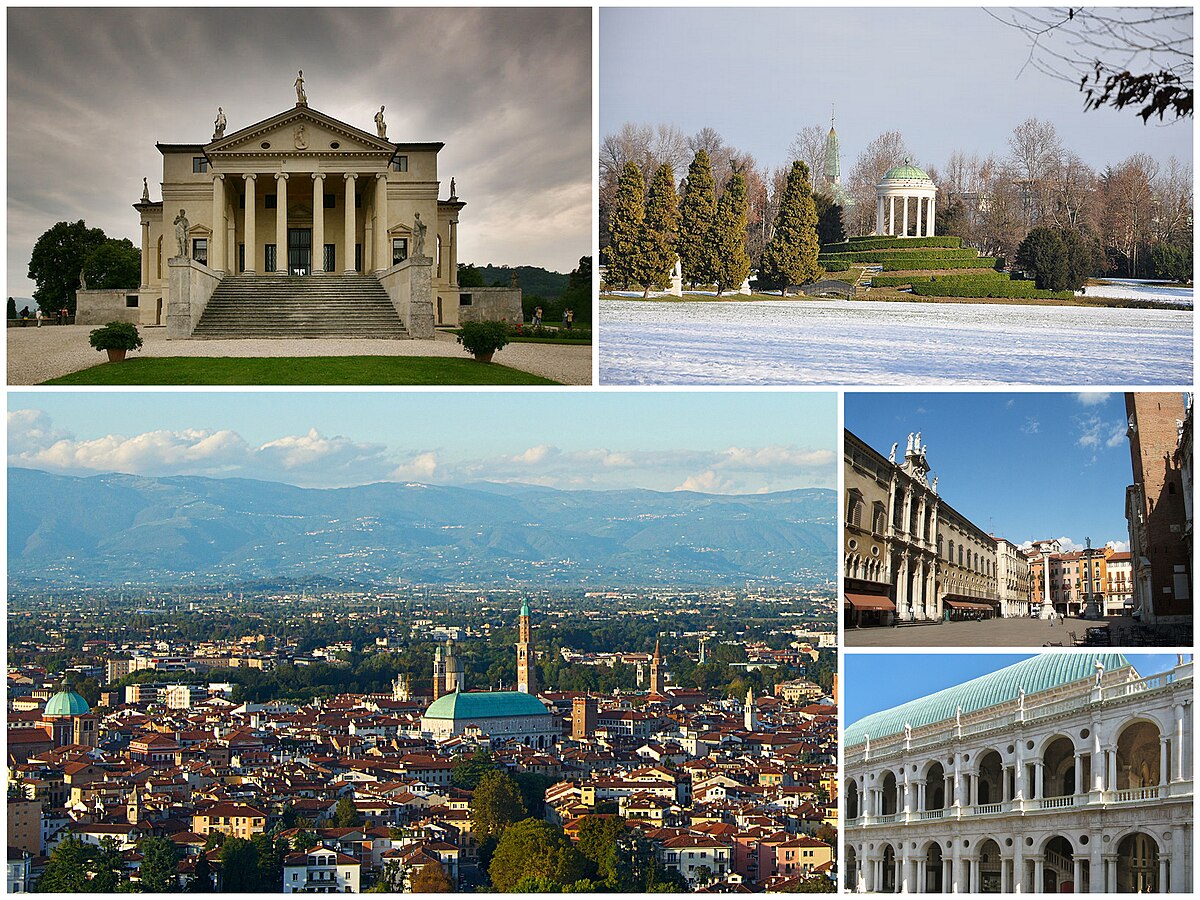
In addition to Palladio’s influence, Vicenza is home to several important landmarks, including the Basilica Palladiana, the Teatro Olimpico, and the Villa La Rotonda. Each of these sites tells a story of artistic endeavor and civic pride, reflecting the values and aspirations of the people of Vicenza. Today, the city is a living museum, where past and present coexist, inviting visitors to engage with its storied legacy.
Architecture and Features
Vicenza’s architectural landscape is dominated by Palladio’s masterpieces, which are characterized by their elegance and adherence to classical principles. The Basilica Palladiana is one of the most iconic structures in the city, notable for its grand façade adorned with a series of arches and a distinctive loggia that opens up to the bustling Piazza dei Signori. This public square is often considered the heart of Vicenza, where locals and tourists gather to admire the surrounding architecture and enjoy the vibrant atmosphere.
Another highlight is the Teatro Olimpico, the oldest surviving indoor theatre from the Renaissance period, designed by Palladio himself. The theatre is renowned for its intricate stage design and remarkable acoustics, offering a glimpse into the theatrical practices of the time. Visitors can explore its beautifully preserved interior and appreciate the innovative design that has inspired generations of architects and theatre enthusiasts.
The Villa La Rotonda, located just outside the city, exemplifies Palladio’s style with its harmonious proportions and classical elements. This villa, with its iconic circular plan and porticoed entrance, is a UNESCO World Heritage site and serves as a prime example of the integration of architecture with the surrounding landscape.
Vicenza’s streets are lined with charming buildings that reflect various architectural styles, from Gothic to Baroque, showcasing the city’s evolution through the centuries. The juxtaposition of these styles adds to the unique character of Vicenza, making it a fascinating destination for those interested in architecture and history.
Visiting Information
Getting to Vicenza is relatively straightforward, with several transport options available. The city is well-connected by rail, with regular train services from major cities such as Venice, Verona, and Milan. For those driving, the A4 motorway runs close to Vicenza, providing easy access to the city.
Once in Vicenza, visitors can explore the city on foot, as many of its attractions are within walking distance of each other. This allows for a leisurely pace to admire the stunning architecture and vibrant street life. While exploring, be sure to check the official website for current information on opening hours and ticket prices for major sites, as these can vary seasonally.
To fully appreciate Vicenza, a visit of at least one to two days is recommended. This timeframe allows for a thorough exploration of the city’s architectural wonders, museums, and local eateries. The best times to visit are during the spring and fall, when the weather is pleasant, and the city is less crowded than in the height of summer.
Nearby Attractions
Vicenza serves as an excellent base for exploring other attractions in the Veneto region. Nearby highlights include:
Bassano del Grappa: A picturesque town known for its wooden covered bridge and local grappa distilleries.
Verona: Famous for its romantic setting and Shakespearean connections, Verona is home to the iconic Juliet’s Balcony and an ancient Roman amphitheater.
Padua: Renowned for its historic university and stunning frescoes by Giotto in the Scrovegni Chapel.
Lake Garda: A short drive away, this stunning lake offers opportunities for boating, hiking, and enjoying the scenic beauty of the Italian countryside.
Vicenza’s Palladian Villas: A collection of country villas designed by Palladio, scattered throughout the surrounding landscape, each showcasing unique architectural features.
Insider Tips
To capture the essence of Vicenza, consider visiting early in the morning or later in the afternoon when the light is softer, perfect for photography. The early hours also offer a quieter experience, allowing you to enjoy the beauty of the city without the crowds.
If you’re particularly interested in Palladio’s work, consider joining a guided tour that focuses on his architectural legacy, which can provide deeper insights into his designs and their significance.
Practical Information
When visiting Vicenza, it is advisable to wear comfortable walking shoes as you will likely explore the city on foot. The cobbled streets can be uneven, so sturdy footwear is essential.
Seasonal considerations may affect your visit; spring and early fall offer mild weather, while summer can be quite hot. Be sure to bring water, especially during the warmer months, and consider packing a light jacket for cooler evenings.
Restrooms and cafes are available throughout the city, particularly in the main squares and near major attractions. Engaging with local cuisine at nearby eateries can enhance your experience, so keep an eye out for traditional dishes and local wines.
Frequently Asked Questions
How long should I spend visiting?
A visit of one to two days is recommended to fully explore Vicenza’s architectural wonders and local attractions.
Is photography allowed?
Yes, photography is generally allowed in public areas, but check specific sites for any restrictions.
Are there guided tours?
Yes, guided tours are available and can provide deeper insights into Vicenza’s rich history and architecture.
What’s the best time to visit?
The best times to visit are during spring and fall when the weather is pleasant and crowds are smaller.
Is it wheelchair accessible?
Many of Vicenza’s main attractions are accessible, but some historical sites may pose challenges due to their age and design.
Can I buy tickets online?
Check the official website for information on whether tickets for specific attractions can be purchased online.
Are there restrooms and cafes?
Yes, restrooms and cafes are available throughout the city, especially in main squares and near tourist attractions.
What should I wear?
Wear comfortable walking shoes and dress in layers, as temperatures can vary throughout the day.
Photo Gallery
Visit Information
Quick Facts
- Heritage Type
- City
- Region
- veneto
- Wikidata ID
- Q6537
More in veneto

Abbazia della Misericordia
📍 veneto, Italy
The Abbazia della Misericordia is a historic former church and abbey in Venice, Italy, renowned for its architectural significance and rich cultural …

Abbazia di Pomposa
📍 veneto, Italy
The Abbazia di Pomposa is a historic church building located in Pomposa, Codigoro, Italy, known for its architectural features and serene atmosphere.
Abbazia di San Bartolo
📍 veneto, Italy
The Abbazia di San Bartolo is a historic monastery located in Aguscello, Ferrara, Italy, known for its serene atmosphere and architectural …

Abbey of Santa Giustina
📍 veneto, Italy
The Abbey of Santa Giustina is a historic basilica in Padua, Italy, celebrated for its stunning architecture and religious significance.

Adigetto
📍 veneto, Italy
Adigetto is a serene river located in the Veneto region of Italy, known for its tranquil waters and natural beauty, offering a peaceful retreat for …

Adria Cathedral
📍 veneto, Italy
Adria Cathedral is a historic church building located in Adria, Italy, renowned for its architectural beauty and cultural significance in the Veneto …
More City

Agrigento
📍 sicily, Italy
Agrigento is a historic city in Sicily, Italy, renowned for its ancient ruins and the Valley of the Temples, a UNESCO World Heritage Site showcasing …

Albenga
📍 liguria, Italy
Albenga is an Italian urban comune located in the Liguria region, known for its medieval architecture and rich historical significance.

Alessandria
📍 lombardy, Italy
Alessandria is a historic city in Lombardy, Italy, known for its intriguing blend of cultural heritage and architectural features.

Ancona
📍 marche, Italy
Ancona is a historic city in the Marche region of Italy, renowned for its stunning coastal views and significant maritime heritage.

Andria
📍 apulia, Italy
Andria is a city in Apulia, Italy, known for its unique blend of historical architecture and cultural significance, particularly the stunning Castel …
Arretium
📍 tuscany, Italy
Arretium is an ancient city in Tuscany, Italy, recognized for its historical significance as a human settlement and its rich cultural heritage.