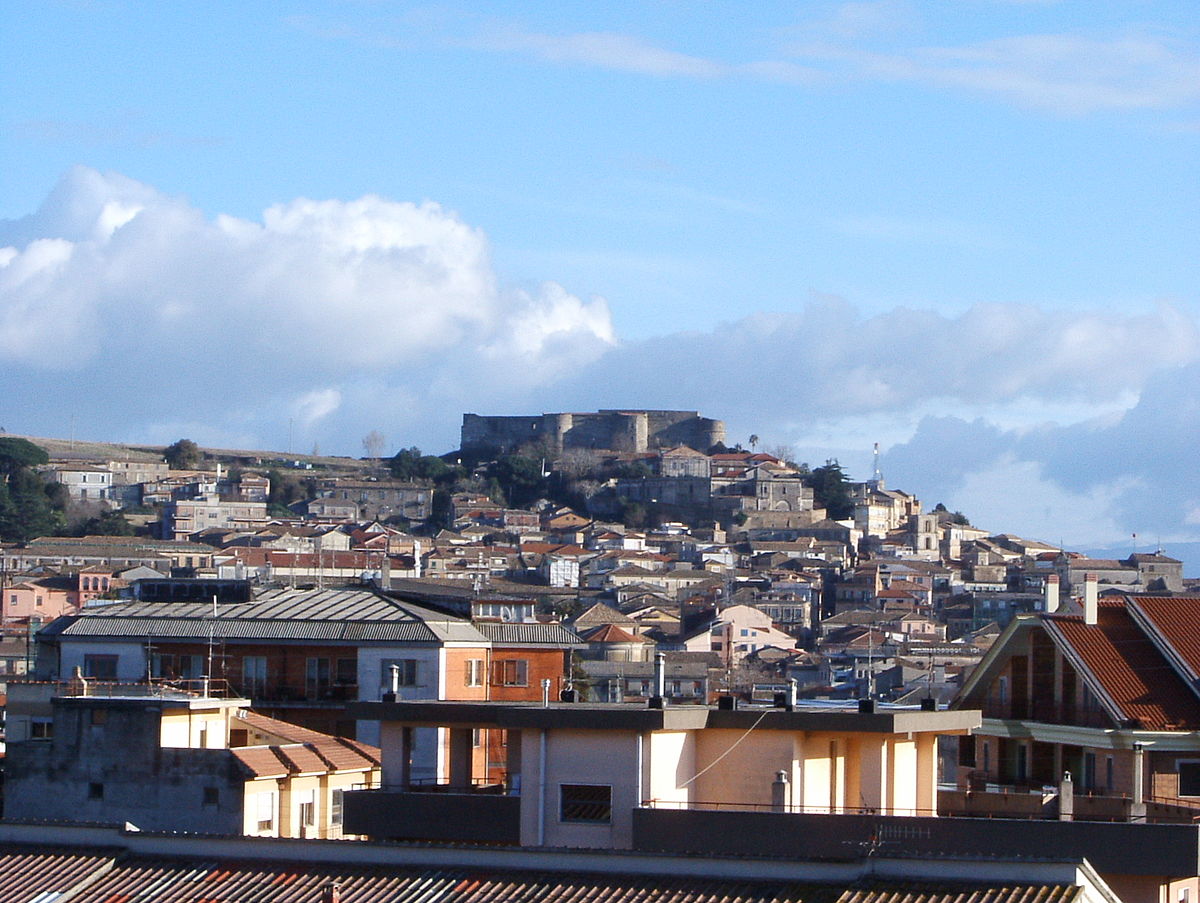


Vibo Valentia
Overview
Vibo Valentia, a city steeped in cultural heritage, is located along the stunning Tyrrhenian coast of Calabria, Italy. This charming comune is not only an important agricultural and commercial center but also a repository of history, offering glimpses into its ancient past. With its strategic position, Vibo Valentia has been a crossroads of various civilizations, including the Greeks, Romans, and Byzantines, each leaving a distinct mark on the city’s identity. Visitors to Vibo Valentia can expect to explore a blend of historical landmarks, picturesque landscapes, and local traditions, making it an enriching destination for those interested in Italy’s diverse heritage.
History and Significance
Vibo Valentia’s roots trace back to ancient times when it was known as Hipponion, a significant settlement founded by the Greeks. The city played a vital role in the interactions between different cultures in the Mediterranean, particularly during the period of Greek colonization. Its historical narrative expanded further when it became a Roman municipality, recognized for its strategic importance.
As the centuries progressed, Vibo Valentia witnessed various invasions and influences, including that of the Byzantines, Arabs, and Normans. Each conquest added layers to its historical narrative and architecture, creating a city that reflects a confluence of artistic and cultural expressions. The medieval period saw the establishment of castles and religious structures, many of which still stand today, offering insight into the city’s evolution.
During the Renaissance, Vibo Valentia experienced a cultural revival, which contributed to its architectural landscape. The city has also been shaped by the tumultuous history of Italy in the 19th and 20th centuries, including the unification of Italy and the impacts of World War II. Today, Vibo Valentia stands as a testament to resilience and a vibrant historical narrative that attracts scholars, historians, and travelers alike.
Architecture and Features
The architecture of Vibo Valentia is a striking reflection of its storied past, featuring a mix of ancient ruins and medieval structures. One of the city’s most notable landmarks is the Castle of Vibo Valentia, known as the Swabian Castle. This imposing fortress, originally built by the Normans in the 11th century, has undergone various modifications over the centuries. Visitors can explore its walls and towers, which offer panoramic views of the surrounding area.
Another significant feature is the Cathedral of Santa Maria Maggiore e San Leoluca, a splendid example of Baroque architecture. The cathedral, which dates back to the 11th century, showcases intricate artwork and beautiful frescoes that illustrate the city’s religious history. Additionally, the historic center of Vibo Valentia is characterized by narrow streets and charming piazzas, where visitors can experience the local culture and cuisine.
The remnants of the ancient Greek city of Hipponion lie on the outskirts and are also worth a visit. Archaeological discoveries, including the remains of temples and walls, provide a fascinating glimpse into the life of this once-thriving settlement.
Visiting Information
Getting to Vibo Valentia is relatively straightforward, with options for both train and car travel. The nearest major airport is Lamezia Terme International Airport, located about 30 kilometers away, offering a range of domestic and international flights. Trains and buses connect Vibo Valentia with other cities in Calabria and beyond.
Check the official website for current information regarding hours and ticket prices for attractions. Expect to spend about a day exploring Vibo Valentia, allowing time to visit the castle, cathedral, and archaeological sites. The best times to visit are during the spring and fall when the weather is mild, and the tourist crowds are fewer.
When visiting, be prepared for varied terrain, as the city is set on a hill overlooking the coast. Comfortable footwear is recommended for walking through the cobblestone streets and exploring historical sites.
Nearby Attractions
- Capo Vaticano: A stunning coastal area known for its crystal-clear waters and scenic cliffs, ideal for swimming and sunbathing.
- Pizzo Calabro: A nearby town famous for its Tartufo gelato and the charming Aragonese Castle.
- Tropea: Renowned for its beautiful beaches and historic center, Tropea is a must-visit for its picturesque coastal views.
- Serra San Bruno: A quaint town known for the Certosa di San Bruno, a Carthusian monastery set in a tranquil forested area.
- La Sila National Park: A natural reserve that offers opportunities for hiking, wildlife watching, and enjoying the stunning landscapes of Calabria.
Insider Tips
For photography enthusiasts, early morning or late afternoon light provides the best conditions for capturing the beauty of Vibo Valentia’s architecture and landscapes. To avoid crowds, consider visiting popular sites during weekdays rather than weekends. Engaging with local guides can also enrich your experience, providing insights that may not be readily available in guidebooks.
Practical Information
When preparing for your visit, bring a good camera, a reusable water bottle, and sun protection, especially during the summer months. Layered clothing is advisable, as temperatures can vary throughout the day. If you plan to explore the surrounding areas, a car rental may be beneficial for greater flexibility.
Frequently Asked Questions
How long should I spend visiting?
A full day is recommended to explore the main attractions and enjoy local cuisine.
Is photography allowed?
Yes, photography is generally permitted in public areas, but be respectful of any signage regarding restrictions.
Are there guided tours?
Yes, guided tours are available for major historical sites; check local agencies for options.
What’s the best time to visit?
Spring (April to June) and fall (September to October) are ideal for pleasant weather and fewer tourists.
Is it wheelchair accessible?
Many areas in the city may have limited wheelchair accessibility due to cobblestone streets; check specific sites for details.
Can I buy tickets online?
Some attractions may offer online ticket purchases; check their official websites for details.
Are there restrooms and cafes?
Restrooms may be available at major attractions, and local cafes can be found throughout the city.
What should I wear?
Comfortable clothing and shoes are advisable, especially for walking through historical areas.
Photo Gallery
Visit Information
Quick Facts
- Heritage Type
- City
- Region
- calabria
- Wikidata ID
- Q13625
More in calabria

Abbazia di Santa Maria di Corazzo
📍 calabria, Italy
The Abbazia di Santa Maria di Corazzo is an archaeological site located in Carlopoli, Calabria, Italy, renowned for its historical significance and …
Acquedotto rurale di Spilinga
📍 calabria, Italy
The Acquedotto rurale di Spilinga is a historic aqueduct located in Calabria, Italy, renowned for its impressive engineering and significance in …

Alessi creek
📍 calabria, Italy
Alessi Creek is a tranquil river located in Calabria, Italy, known for its serene landscape and natural beauty, perfect for nature enthusiasts.

Allaro
📍 calabria, Italy
The Allaro is a significant river in Calabria, Italy, known for its picturesque landscapes and ecological importance in the region.
Alli
📍 calabria, Italy
The Alli is a river in Calabria, Italy, celebrated for its natural beauty and vital role in the region's ecology and culture.

Amato
📍 calabria, Italy
The Amato River is a serene waterway in Calabria, Italy, celebrated for its natural beauty and cultural significance to the region.
More City

Agrigento
📍 sicily, Italy
Agrigento is a historic city in Sicily, Italy, renowned for its ancient ruins and the Valley of the Temples, a UNESCO World Heritage Site showcasing …

Albenga
📍 liguria, Italy
Albenga is an Italian urban comune located in the Liguria region, known for its medieval architecture and rich historical significance.

Alessandria
📍 lombardy, Italy
Alessandria is a historic city in Lombardy, Italy, known for its intriguing blend of cultural heritage and architectural features.

Ancona
📍 marche, Italy
Ancona is a historic city in the Marche region of Italy, renowned for its stunning coastal views and significant maritime heritage.

Andria
📍 apulia, Italy
Andria is a city in Apulia, Italy, known for its unique blend of historical architecture and cultural significance, particularly the stunning Castel …
Arretium
📍 tuscany, Italy
Arretium is an ancient city in Tuscany, Italy, recognized for its historical significance as a human settlement and its rich cultural heritage.