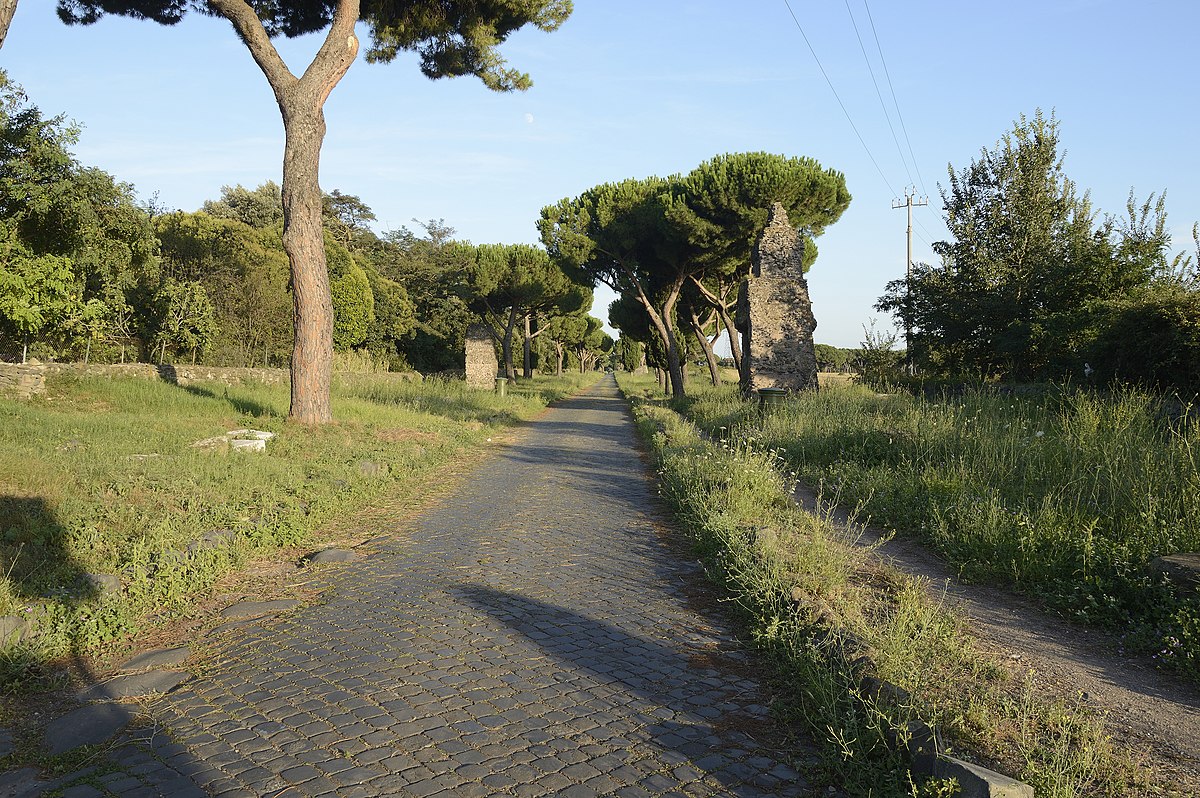
Via Cairoli
Overview
Located in the heart of Genoa, Italy, Via Cairoli is a historic street that offers visitors a glimpse into the city’s architectural evolution during the 18th century. This picturesque thoroughfare serves as a testament to the grandeur of Genoa’s past, marked by elegant buildings and vibrant urban life. The street is a vital part of the city’s cultural landscape, connecting various sites of interest and providing a lively atmosphere for both locals and tourists.
Walking down Via Cairoli, one can appreciate the blend of history and modernity that characterizes Genoa. The area is bustling with activity, showcasing not only the architectural splendor of the past but also the vibrant community that thrives here today. The street’s location makes it an ideal starting point for exploring the wider attractions of Genoa, allowing visitors to immerse themselves in the city’s rich heritage while enjoying the contemporary charm of its shops and cafes.
History and Significance
Via Cairoli has a storied past that reflects the broader historical narrative of Genoa. Established in the 18th century, the street was part of a movement to modernize the city, aiming to enhance urban planning and architecture in response to growing economic and social changes. Genoa, known for its maritime trade, saw significant development during this period, and Via Cairoli became a symbol of the city’s aspirations.
The street is named after the prominent Cairoli family, who played a crucial role in the political and cultural life of Genoa. Their influence is etched into the fabric of the city, and Via Cairoli serves as a reminder of their legacy. The architectural style found along the street reflects the Baroque and Neoclassical elements that were prevalent in Genoa during the 1700s, showcasing the grandeur of the era through intricate facades and detailed craftsmanship.
Through the centuries, Via Cairoli has been a focal point for various social and cultural activities, acting as a hub for trade and interaction among the city’s inhabitants. Today, it continues to be a vital artery for community life, bustling with pedestrians, local shops, and cafes, making it a living testament to Genoa’s enduring spirit.
Architecture and Features
Walking along Via Cairoli, visitors are greeted by a variety of architectural styles that illustrate the evolution of Genoa’s urban landscape. The buildings lining the street feature ornate facades, showcasing the Baroque and Neoclassical influences that characterize much of Genoa’s architecture. Many of these structures are adorned with decorative elements such as balconies, pilasters, and elaborate doorways, which reflect the artistic flair of the period.
Notable buildings along Via Cairoli include historical residences that once housed prominent families of Genoa. These architectural gems often feature colorful stucco exteriors and intricate ironwork, providing a picturesque backdrop for leisurely strolls. The street’s layout, with its straight path and wider sections, allows for easy navigation and provides a welcoming atmosphere for visitors.
As you walk down Via Cairoli, take a moment to appreciate the details in the architecture, from the elegant cornices to the vibrant colors of the buildings. The street also serves as a venue for various cultural events and street performances, further enriching its appeal as a cultural landmark in Genoa.
Visiting Information
Getting to Via Cairoli is convenient, as it is centrally located within Genoa. Public transportation options such as buses and taxis are readily available, and the street is easily accessible on foot from many of the city’s main attractions. Visitors can expect a lively atmosphere, especially during peak hours when locals frequent the area for shopping or dining.
Check the official website for current information regarding specific events or activities that may be taking place along the street. The best times to visit are during the late morning or early afternoon when the sunlight illuminates the buildings, enhancing their beauty. Plan to spend at least an hour exploring Via Cairoli and its surroundings, allowing yourself to soak in the atmosphere and perhaps stop for a coffee or gelato at one of the local cafes.
While the street is public and generally open year-round, checking seasonal events or any potential street closures is recommended to ensure the best experience.
Nearby Attractions
Piazza De Ferrari: A short walk from Via Cairoli, this central square is famous for its grand fountain and surrounded by historical buildings, making it a perfect spot for photography and relaxation.
Palazzo Ducale: This historic palace, located nearby, houses exhibitions and cultural events, offering insights into Genoa’s political history and artistic heritage.
Cattedrale di San Lorenzo: A magnificent cathedral known for its stunning Gothic architecture, it is a must-visit for those interested in religious history and art.
Via Garibaldi: Renowned for its palaces, this street is a UNESCO World Heritage Site and showcases the opulent architecture of Genoa’s aristocracy.
Aquarium of Genoa: One of the largest aquariums in Europe, located a short distance from Via Cairoli, it is perfect for families or anyone interested in marine life.
Insider Tips
To capture the best photographs along Via Cairoli, consider visiting early in the morning or late in the afternoon when the light is softer. The street’s architecture looks particularly striking against the warm glow of the sun. Avoid peak hours if you prefer a more tranquil experience, as the street can become quite busy during lunchtime and weekends.
Take your time to explore the side streets and alleys branching off from Via Cairoli, as they often reveal charming shops and cafes that are less frequented by tourists. Engaging with local vendors can also yield valuable insights into the culture and history of Genoa.
Practical Information
When visiting Via Cairoli, it’s advisable to wear comfortable shoes, as the cobblestone streets can be uneven. Bring a reusable water bottle to stay hydrated, especially during the warmer months.
Genoa experiences a Mediterranean climate, with hot summers and mild winters, making it a year-round destination. However, spring and fall are particularly pleasant for walking tours, as the weather is generally mild and the crowds are smaller.
Be sure to check the official website for any seasonal events or updates regarding the street, as local festivals or cultural events can enhance your visit.
Frequently Asked Questions
How long should I spend visiting?
Most visitors spend around an hour to two exploring Via Cairoli, allowing time to appreciate the architecture and enjoy nearby attractions.
Is photography allowed?
Yes, photography is allowed, and the street’s picturesque architecture makes it an excellent spot for photos.
Are there guided tours?
While there may not be specific guided tours of Via Cairoli, many walking tours of Genoa include it as part of their itinerary.
What’s the best time to visit?
The best times to visit are in the late morning or early afternoon when the sunlight enhances the beauty of the buildings.
Is it wheelchair accessible?
Via Cairoli has some uneven surfaces due to cobblestones, which may pose challenges for wheelchair users. It’s advisable to check specific access points.
Can I buy tickets online?
There are no entry fees for Via Cairoli itself, but check for any nearby attractions that may require tickets.
Are there restrooms and cafes?
There are several cafes along Via Cairoli where visitors can take a break, but restrooms may be limited. It’s a good idea to plan accordingly.
What should I wear?
Dress comfortably and according to the season. Comfortable shoes are essential for walking on cobblestone streets.
Photo Gallery
More in piedmont

Abbazia di San Nicolò del Boschetto
📍 piedmont, Italy
The Abbazia di San Nicolò del Boschetto is a historic monastery located in Genoa, Italy, known for its serene ambiance and architectural heritage.

Agape Centro Ecumenico
📍 piedmont, Italy
Agape Centro Ecumenico is an educational institution located in Prali, Italy, offering a unique blend of spiritual retreat and educational programs in …

Agogna
📍 piedmont, Italy
The Agogna is a picturesque river in the Piedmont region of Italy, celebrated for its serene landscapes and ecological importance.

Alba Cathedral
📍 piedmont, Italy
The Alba Cathedral is a Romanesque cathedral located in Alba, Piedmont, Italy, known for its stunning architecture and historical significance.

antica sinagoga di Chieri
📍 piedmont, Italy
The antica sinagoga di Chieri is a historic synagogue located in Chieri, Piedmont, Italy, known for its cultural significance and architectural …

Antonini bridge
📍 piedmont, Italy
The Antonini Bridge is a historic bridge located in Varallo Sesia, Italy, known for its remarkable engineering and picturesque setting.