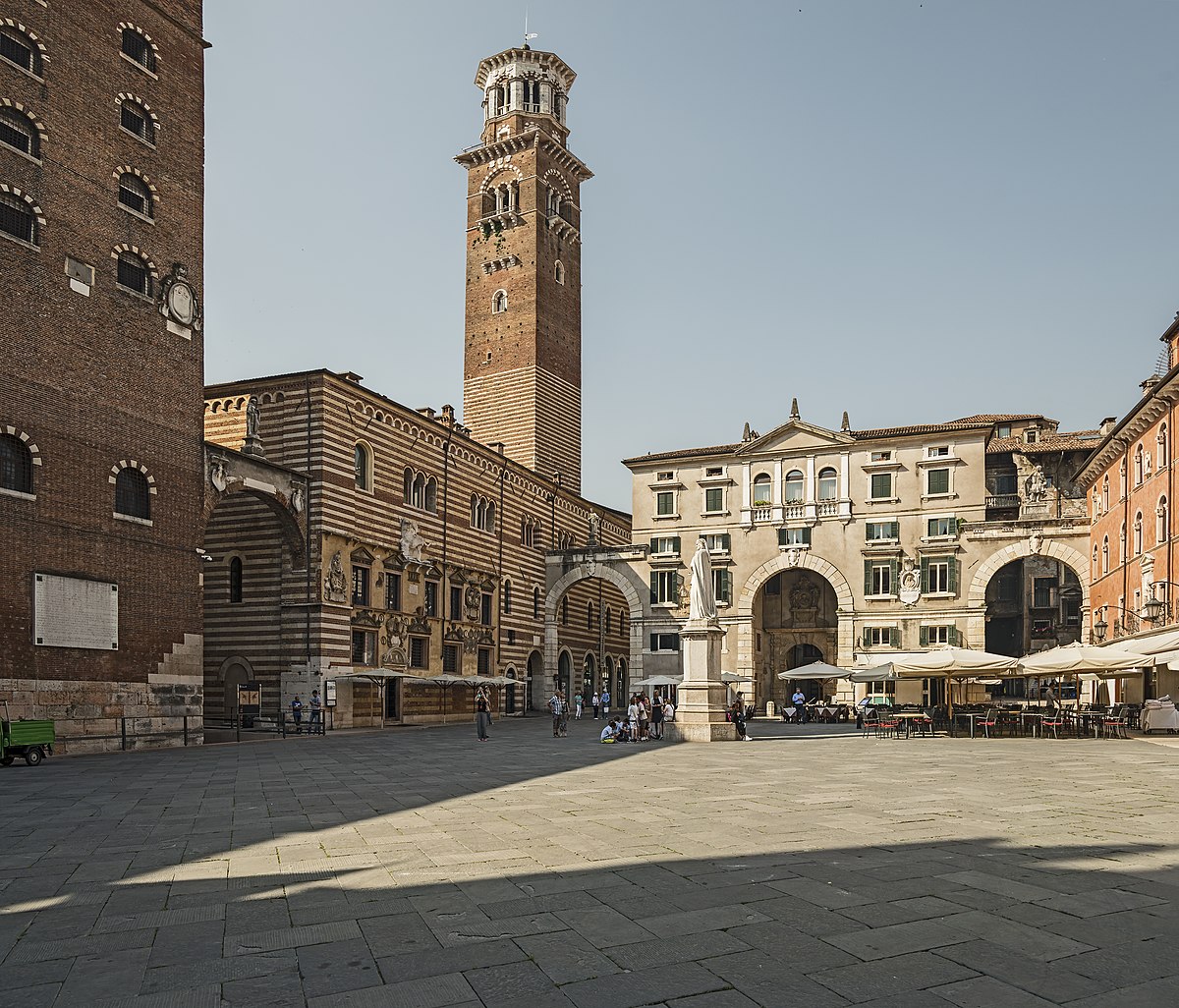

Verona historic center
Overview
Verona, a city steeped in history and romance, lies in the northeastern region of Italy, along the banks of the Adige River. Its historic center is a UNESCO World Heritage site, recognized for its remarkable preservation of medieval and Renaissance architecture. With roots tracing back to Roman times, Verona has served as a strategic site for various cultures, from the Romans to the Austrians, each leaving an indelible mark on its landscape. Visitors are drawn not only by the city’s iconic landmarks, such as the Arena di Verona and Juliet’s House, but also by its charming streets and lively piazzas, which offer a glimpse into everyday life in this vibrant Italian city. Whether you are an architecture enthusiast, a literature lover, or someone simply seeking to immerse themselves in Italian culture, Verona’s historic center promises a captivating experience.
History and Significance
The history of Verona is a captivating narrative that stretches over two millennia. Originally founded by the Romans in the 1st century BC, the city quickly became an important commercial and military hub due to its strategic location. Roman architecture still dominates the city, with remnants such as the impressive Arena, a 1st-century amphitheater that continues to host performances today.
During the Middle Ages, Verona flourished under various ruling families, including the Scaligeri, who contributed to the city’s cultural and architectural development. The imposing Castelvecchio, a castle built in the 14th century, is a reflection of this era and a symbol of the Scaligeri’s power. The city also became a center of commerce and art, attracting artists, scholars, and merchants, which enriched its cultural landscape.
In the Renaissance, Verona was influenced by Venetian rule, leading to the construction of stunning palaces and churches that showcase the architectural styles of the time. The city has been immortalized in literature, most famously in Shakespeare’s “Romeo and Juliet,” which has added to its romantic allure and global recognition.
Today, Verona serves as a living museum of history, where visitors can walk the same streets as the ancient Romans and experience the blend of cultural influences that have shaped its identity. The historic center is not just a collection of buildings; it encapsulates the story of a city that has adapted and thrived through centuries of change.
Architecture and Features
Walking through Verona’s historic center is akin to wandering through an outdoor gallery of architectural styles. The city is characterized by its harmonious blend of Roman, Medieval, and Renaissance influences, creating a unique urban landscape that tells the story of its rich past.
One of the most notable structures is the Arena di Verona, an exceptionally well-preserved Roman amphitheater that dates back to the 1st century AD. With a capacity of around 15,000 spectators, it is one of the largest ancient amphitheaters still in use today, famously hosting the annual Verona Opera Festival.
Nearby, the majestic Castelvecchio stands as a testament to medieval military architecture. Its imposing brick walls and elegant towers offer a striking contrast to the surrounding buildings. The castle houses a museum that showcases artworks and artifacts from Verona’s past.
Another architectural highlight is the Basilica di San Zeno, a prime example of Romanesque architecture. The basilica is renowned for its stunning bronze doors and the beautiful altarpiece by Andrea Mantegna, making it a must-visit for art enthusiasts.
As you stroll through the narrow, winding streets, you will also encounter the iconic Juliet’s House, complete with its famous balcony. This medieval building attracts countless visitors who wish to experience the romance of Shakespeare’s tale.
The historic center is dotted with charming piazzas, such as Piazza delle Erbe, where locals and visitors gather to enjoy fresh produce and local delicacies. The vibrant atmosphere, combined with the stunning architecture, creates an enchanting environment that is both inviting and immersive.
Visiting Information
The Verona historic center is easily accessible by various means of transportation, making it convenient for visitors. The city is served by the Verona Porta Nuova train station, which connects to major Italian cities like Venice, Milan, and Bologna. For those traveling by car, parking is available on the outskirts of the historic area, as the center itself is largely pedestrianized.
Check the official website for current information regarding opening hours and entry fees to specific attractions. Generally, a day or two is ideal for exploring the historic center, allowing time to visit the principal sites and enjoy the local cuisine.
The best times to visit are during the spring and early fall when the weather is mild, and the city is less crowded than in the peak summer months. Early mornings or late afternoons are optimal for avoiding crowds, especially at popular sites like Juliet’s House and the Arena.
Expect to find a variety of cafes and restaurants throughout the historic center, where you can savor local dishes and wines. Additionally, visitor facilities such as restrooms are available at various points within the area.
Nearby Attractions
- Castel San Pietro: A short walk from the center, this hillside castle offers panoramic views of Verona and the Adige River.
- Ponte Pietra: An ancient Roman bridge that connects the historic center to the hill of San Pietro, offering a picturesque view of the city.
- Teatro Romano: An ancient Roman theater that dates back to the 1st century BC, now hosting various performances during the summer months.
- Basilica di San Fermo: A lesser-known gem, this church features stunning frescoes and a beautiful Gothic facade.
- Giardino Giusti: A beautifully landscaped Renaissance garden that provides a peaceful retreat from the bustling city.
Insider Tips
For the best photography opportunities, visit iconic sites early in the morning or later in the day when the light is softer. The Arena di Verona and Juliet’s House are particularly photogenic during these times. To avoid the busiest crowds, consider visiting during the off-peak seasons or on weekdays.
Exploring the lesser-known streets and alleys can also lead to discovering quaint shops, local art, and hidden cafes that offer a more authentic experience away from the main tourist paths.
Practical Information
When visiting Verona, wear comfortable shoes, as the cobblestone streets can be uneven and challenging. It’s advisable to bring a refillable water bottle, especially during the warmer months, as you may spend extended periods outdoors.
Seasonal events, such as the Verona Opera Festival in the summer, can draw larger crowds, so plan your visit accordingly if you wish to attend. Be sure to check local calendars for any festivals or markets that may be taking place during your stay, as these can enhance your experience of the city’s culture.
Frequently Asked Questions
How long should I spend visiting?
Most visitors find that spending one to two days in the historic center allows ample time to explore the key attractions and soak in the local atmosphere.
Is photography allowed?
Yes, photography is generally permitted in public areas and outside of major attractions, but be respectful of signs indicating restrictions inside buildings.
Are there guided tours?
Yes, guided tours are available in multiple languages, covering the history and architecture of Verona. Check local tourism offices for options.
What’s the best time to visit?
Spring (April to June) and early fall (September to October) are recommended for pleasant weather and fewer crowds.
Is it wheelchair accessible?
While many areas of the historic center are accessible, some attractions may have limited access due to their historic nature. It’s best to check with individual sites for specific accessibility information.
Can I buy tickets online?
Many attractions in Verona offer online ticket purchasing options, helping you avoid long lines at the entrance.
Are there restrooms and cafes?
Yes, public restrooms are available in various locations, and numerous cafes and restaurants are scattered throughout the historic center.
What should I wear?
Dress comfortably, and consider layering, as temperatures can vary throughout the day, especially in spring and fall.
Photo Gallery
Location
More in veneto

Abbazia della Misericordia
📍 veneto, Italy
The Abbazia della Misericordia is a historic former church and abbey in Venice, Italy, renowned for its architectural significance and rich cultural …

Abbazia di Pomposa
📍 veneto, Italy
The Abbazia di Pomposa is a historic church building located in Pomposa, Codigoro, Italy, known for its architectural features and serene atmosphere.
Abbazia di San Bartolo
📍 veneto, Italy
The Abbazia di San Bartolo is a historic monastery located in Aguscello, Ferrara, Italy, known for its serene atmosphere and architectural …

Abbey of Santa Giustina
📍 veneto, Italy
The Abbey of Santa Giustina is a historic basilica in Padua, Italy, celebrated for its stunning architecture and religious significance.

Adigetto
📍 veneto, Italy
Adigetto is a serene river located in the Veneto region of Italy, known for its tranquil waters and natural beauty, offering a peaceful retreat for …

Adria Cathedral
📍 veneto, Italy
Adria Cathedral is a historic church building located in Adria, Italy, renowned for its architectural beauty and cultural significance in the Veneto …
More Old Town

Architecture in Poggiardo
📍 apulia, Italy
The architecture in Poggiardo is an enchanting old town located in Apulia, Italy, known for its charming streets and historical significance.

Borgo antico
📍 lombardy, Italy
The Borgo antico is the historic old town of Bagnaria in Lombardy, Italy, known for its charming medieval streets and authentic Italian atmosphere.
Borgo Antico Casamale
📍 campania, Italy
The Borgo Antico Casamale is an old town in Somma Vesuviana, Italy, renowned for its rich cultural heritage and historical architecture.
Borgo fortificato
📍 calabria, Italy
The Borgo fortificato is an old town in Condofuri, Calabria, Italy, celebrated for its historical architecture and cultural heritage.

Borgo medievale
📍 campania, Italy
Borgo medievale is a historical old town located in Brienza, Italy, renowned for its charming medieval architecture and rich cultural heritage.
borgo medievale di Introzzo
📍 lombardy, Italy
The borgo medievale di Introzzo is a historic old town in Lombardy, Italy, known for its charming medieval architecture and cultural heritage.