

Urbino
Overview
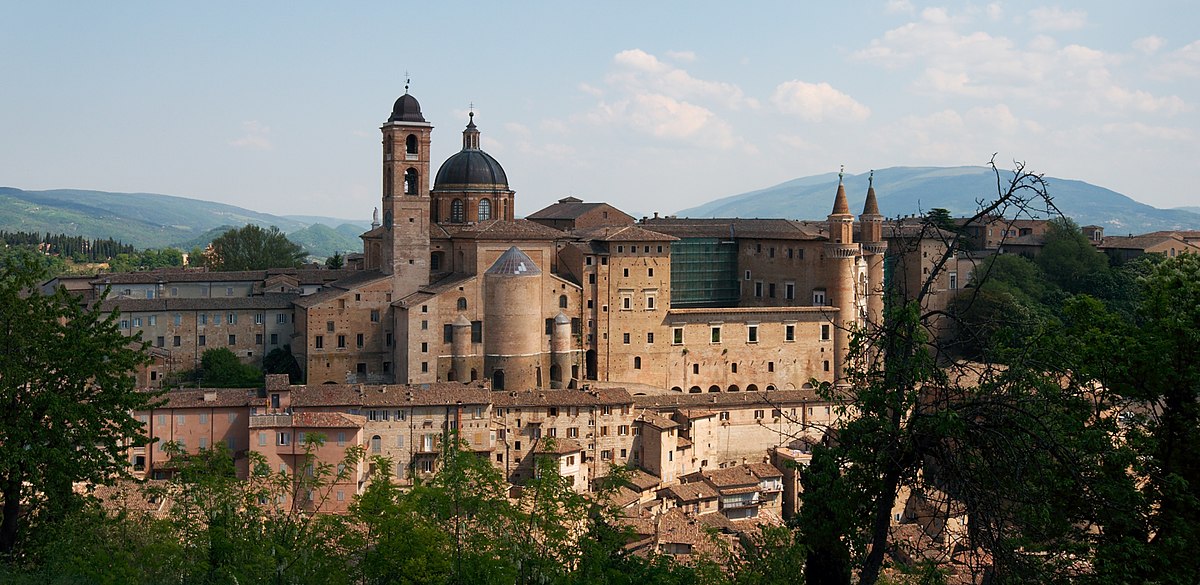
Urbino, a charming town in the Marche region of Italy, is a city steeped in culture and history. Famous for being the birthplace of the painter Raphael, this UNESCO World Heritage Site is celebrated for its well-preserved Renaissance architecture and vibrant artistic heritage. The city’s remarkable layout, characterized by its hilltop position, offers an enchanting atmosphere where cobbled streets wind through picturesque squares, leading visitors to stunning landmarks.
As a center of learning and art during the Renaissance, Urbino was home to influential figures and played a significant role in the cultural landscape of Italy. It is situated approximately 150 kilometers from Florence and 250 kilometers from Rome, making it an accessible destination for travelers exploring central Italy. With its rich history, breathtaking architecture, and artistic legacy, Urbino offers a unique glimpse into the past, inviting visitors to explore its treasures and experience the charm of Italian heritage.
History and Significance
Urbino’s history can be traced back to the ancient Romans, but it flourished during the 15th and 16th centuries under the rule of the Montefeltro family. The city became a renowned cultural and intellectual hub, attracting artists, philosophers, and scholars. Federigo da Montefeltro, the Duke of Urbino, played a pivotal role in transforming the city into a center of Renaissance culture. Under his patronage, the Palazzo Ducale was constructed, which became a symbol of the city’s artistic and political significance.
The city’s university, established in the 16th century, contributed to its reputation as a center of learning, influencing generations of students and scholars. Urbino was not only a political stronghold but also a place where art flourished. The works of renowned artists such as Piero della Francesca and Raphael, who was born here in 1483, left an indelible mark on the cultural landscape.
Over the centuries, Urbino has preserved its historical essence, with many of its structures, streets, and plazas maintaining their Renaissance charm. The city is recognized as a UNESCO World Heritage Site for its outstanding architectural significance and well-preserved historical center, making it a vital part of Italy’s cultural heritage.
Architecture and Features
Urbino is characterized by its stunning Renaissance architecture, with the Palazzo Ducale standing as the centerpiece of the city. This grand palace, designed by the architect Francesco di Giorgio Martini, showcases a harmonious blend of Gothic and Renaissance styles. Its impressive façade, adorned with elegant arches and intricate decorations, reflects the artistic aspirations of its time. Within the palace, visitors can explore various rooms, including the stunning Studiolo of Federico, which features exquisite woodwork and fine art.
The city’s layout is equally captivating, with its medieval walls and narrow streets leading to historical landmarks. The Cathedral of Urbino, dedicated to Saint John the Baptist, is another significant structure, featuring a neoclassical façade and a beautifully designed interior. The surrounding buildings, adorned with terracotta roofs and vibrant colors, contribute to the city’s picturesque skyline.
Visitors can also explore the Oratorio di San Giovanni Battista, a small chapel known for its remarkable frescoes, and the University of Urbino, which highlights the city’s commitment to education and culture. The blend of architectural styles and artistic expressions found throughout Urbino makes it a remarkable destination for those interested in the Renaissance period and its enduring legacy.
Visiting Information
Urbino is accessible by various means of transport, including trains and buses, with connections to major cities in Italy. Travelers can reach the town via train services to nearby cities such as Pesaro or Fano, followed by a bus or taxi ride. Car rental is another option, allowing for flexibility in exploring the surrounding Marche region.
To make the most of your visit, it’s advisable to check the official website for current information on opening hours and ticket prices for key attractions. Expect to spend a day exploring the city to fully appreciate its historical and cultural offerings. The best times to visit Urbino are during the spring and fall months when the weather is pleasant, and the tourist crowds are manageable.
While in the city, visitors should anticipate a relaxed atmosphere, with opportunities to wander through charming streets, enjoy local cuisine, and immerse themselves in the artistic heritage that defines Urbino.
Nearby Attractions
- Gubbio: A medieval town known for its well-preserved architecture and the unique Palazzo dei Consoli.
- Gradara Castle: A stunning fortress located a short drive from Urbino, famous for its enchanting views and romantic legends.
- San Marino: A small independent country nearby, offering historical sites and panoramic views from its mountainous terrain.
- Pesaro: A coastal city known for its beautiful beaches and rich musical history, particularly as the birthplace of composer Gioachino Rossini.
- Frasassi Caves: A natural wonder featuring impressive limestone formations, perfect for those who enjoy outdoor adventures.
Insider Tips
For photography enthusiasts, early mornings or late afternoons provide the best lighting for capturing Urbino’s stunning architecture and vibrant streets. To avoid the crowds, consider visiting during weekdays or exploring lesser-known areas of the city. Engaging with local artisans and shops can enrich your experience, allowing you to discover unique crafts and food products.
Practical Information
When visiting Urbino, it is essential to bring comfortable walking shoes, as many areas are pedestrian-friendly and require some exploration on foot. Seasonal considerations include packing layers for cooler evenings, especially during spring and autumn. The city can be quite warm in summer, so lightweight clothing and sun protection are recommended.
The availability of restrooms and cafes throughout the city ensures that visitors can take breaks and enjoy local delicacies, such as the region’s famous pastries and wines.
Frequently Asked Questions
How long should I spend visiting?
A day is typically sufficient to explore the main attractions and absorb the atmosphere of Urbino, but you may want to stay longer to fully appreciate the local culture.
Is photography allowed?
Yes, photography is generally permitted in public spaces. However, check for restrictions in specific buildings or exhibitions.
Are there guided tours?
Guided tours are available for those interested in a deeper understanding of Urbino’s history and architecture. Check local offerings for options.
What’s the best time to visit?
The best times to visit are in spring (April to June) and fall (September to October) when the weather is mild, and the tourist crowds are smaller.
Is it wheelchair accessible?
Urbino’s cobbled streets and historical buildings may present challenges for wheelchair users. It’s advisable to check specific sites for accessibility options.
Can I buy tickets online?
Many attractions offer the option to purchase tickets online. Check the official websites for the most current information.
Are there restrooms and cafes?
Yes, there are public restrooms and various cafes throughout the city, providing opportunities for refreshment during your visit.
What should I wear?
Dress comfortably and consider the weather. Comfortable walking shoes are recommended, along with layers for cooler evenings.
Photo Gallery
Visit Information
Quick Facts
- Heritage Type
- City
- Region
- emilia-romagna
- Wikidata ID
- Q2759
More in emilia-romagna

Accademia Atestina di Belle Arti
📍 emilia-romagna, Italy
Accademia Atestina di Belle Arti is a fine arts academy located in Emilia-Romagna, Italy, renowned for fostering artistic talent and creativity.
acquedotto di Castellarano
📍 emilia-romagna, Italy
The acquedotto di Castellarano is a medieval aqueduct located in Emilia-Romagna, Italy, known for its historical significance and unique architectural …
Albero d'oro
📍 emilia-romagna, Italy
The Albero d'oro is a serene park located in Emilia-Romagna, Italy, known for its lush landscapes and tranquil environment, perfect for relaxation and …

Ausa River
📍 emilia-romagna, Italy
Ausa River is a serene river located in San Marino, Italy, renowned for its picturesque landscapes and proximity to historical sites.

Aveto
📍 emilia-romagna, Italy
The Aveto River is a picturesque waterway in Emilia-Romagna, Italy, known for its serene landscapes and natural beauty.
Biblioteca Comunale, Sant'Arcangelo di Romagna (I-STAc)
📍 emilia-romagna, Italy
The Biblioteca Comunale in Sant'Arcangelo di Romagna, Italy, serves as a vital cultural institution, showcasing a rich collection of literature and …
More City

Agrigento
📍 sicily, Italy
Agrigento is a historic city in Sicily, Italy, renowned for its ancient ruins and the Valley of the Temples, a UNESCO World Heritage Site showcasing …

Albenga
📍 liguria, Italy
Albenga is an Italian urban comune located in the Liguria region, known for its medieval architecture and rich historical significance.

Alessandria
📍 lombardy, Italy
Alessandria is a historic city in Lombardy, Italy, known for its intriguing blend of cultural heritage and architectural features.

Ancona
📍 marche, Italy
Ancona is a historic city in the Marche region of Italy, renowned for its stunning coastal views and significant maritime heritage.

Andria
📍 apulia, Italy
Andria is a city in Apulia, Italy, known for its unique blend of historical architecture and cultural significance, particularly the stunning Castel …
Arretium
📍 tuscany, Italy
Arretium is an ancient city in Tuscany, Italy, recognized for its historical significance as a human settlement and its rich cultural heritage.