


Tronto
Overview
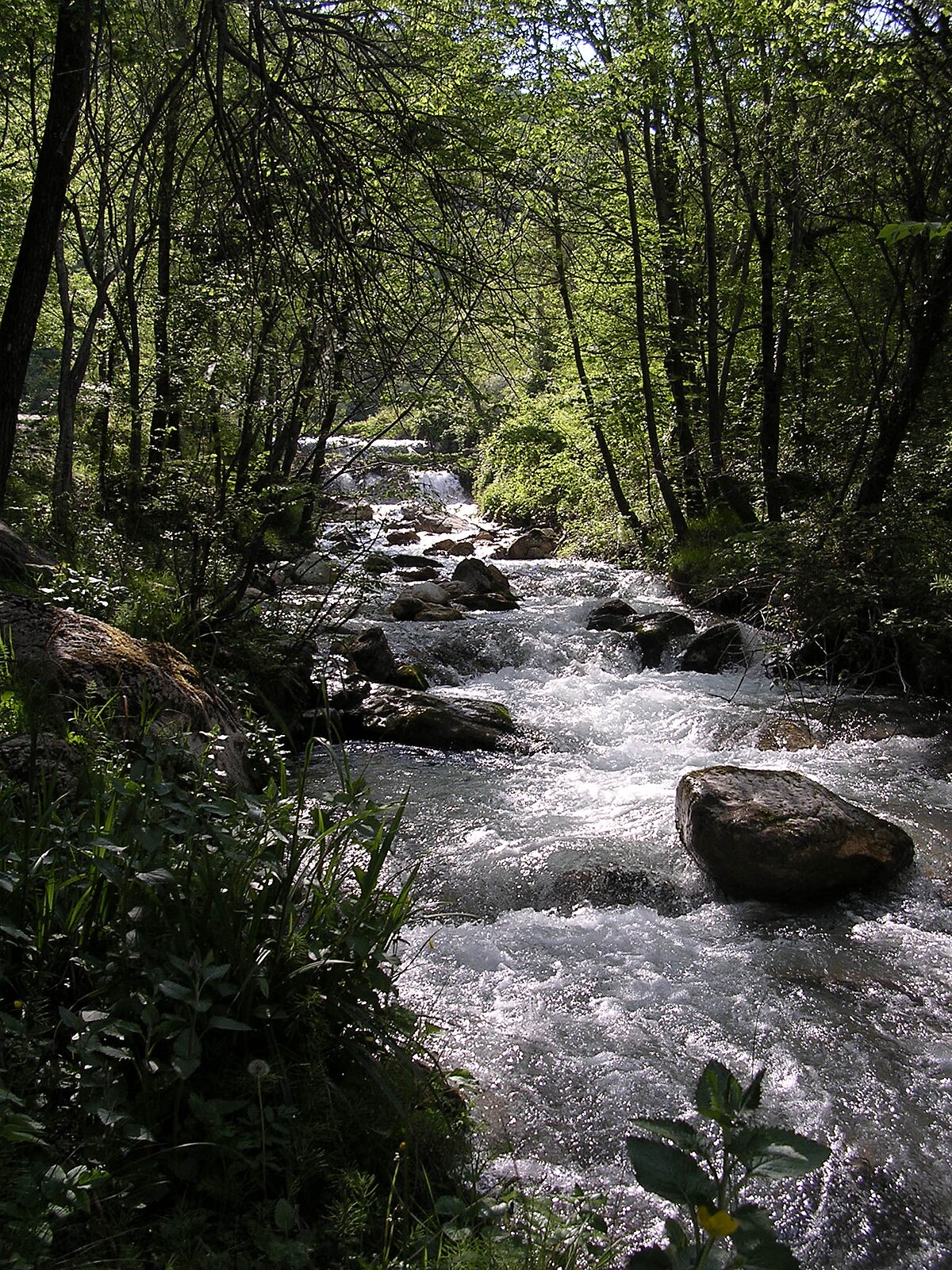
The Tronto River flows through the picturesque landscape of Marche, Italy, offering a serene environment that captivates nature lovers and history enthusiasts alike. Originating in the Apennine Mountains, the river spans a distance that intertwines with the rural charm and historical significance of the region. The river plays a vital role in the local ecosystem and has been a lifeblood for the communities along its banks for centuries.
As it meanders through valleys and hills, the Tronto provides a habitat for diverse flora and fauna, making it a perfect spot for outdoor activities such as hiking, fishing, and birdwatching. The river’s gentle currents and scenic surroundings present opportunities for relaxation and exploration, drawing visitors who seek a connection with nature and the rich cultural heritage of the area. Whether you’re interested in the ecological aspects or the historical narratives tied to the river, the Tronto promises an enriching experience.
History and Significance
The Tronto River has been an integral part of the Marche region’s history, influencing both its geography and the lives of its inhabitants. Historically, the river served as a critical water source for ancient settlements and played a role in trade and transportation throughout the ages. Its banks have seen the rise and fall of various civilizations, each leaving their mark on the cultural landscape.
The river’s significance extends beyond its practical uses; it has also inspired local folklore and traditions. The communities along its banks have long celebrated the river through various festivals and events, which highlight its importance in local culture. As a natural boundary, the Tronto has often been a point of reference in historical conflicts and territorial delineations, adding layers to its legacy.
Moreover, the Tronto’s role in agriculture cannot be understated. The fertile lands surrounding the river have supported farming for generations, contributing to the region’s economy and culinary heritage. The river has inspired artists and writers, making it a source of creativity that reflects the spirit of the Marche region.
Architecture and Features
The Tronto River itself is characterized by its winding course and varying widths, which contribute to its unique landscape. The surrounding areas are dotted with charming villages, ancient ruins, and remnants of historical structures that narrate the story of the river and its inhabitants. The riverbanks are often lined with lush vegetation, providing a picturesque backdrop for visitors.
A notable feature of the Tronto is its clear waters, which change color with the seasons, reflecting the vibrant hues of the landscape. The river’s ecosystem supports numerous species of fish and birds, making it an ideal location for nature enthusiasts. Various bridges and pathways along the river offer access to breathtaking views, enhancing the overall experience for visitors.
Additionally, the communities along the Tronto host a number of architectural landmarks, including ancient churches and historical buildings that speak to the region’s rich heritage. The blend of natural beauty and historic architecture creates a harmonious environment that attracts both locals and tourists.
Visiting Information
Visiting the Tronto River is an excellent way to immerse yourself in the natural beauty and cultural richness of the Marche region. The river is accessible by various means of transportation, including private vehicles, public transportation, and guided tours. Check the official website for current information on access points and recommended routes.
When planning your visit, consider allocating a few hours to fully enjoy the river and its surroundings. The best times to visit are during the spring and early autumn when the weather is pleasant, and the flora is in full bloom. Expect to see families picnicking along the banks, hikers exploring nearby trails, and fishermen casting their lines into the tranquil waters.
While there may not be dedicated visitor centers along every stretch of the river, local towns often provide amenities such as cafes and restrooms. Check the official website for hours and any seasonal events that may be taking place during your visit.
Nearby Attractions
- Ascoli Piceno: A medieval town known for its stunning Piazza del Popolo and historic architecture, just a short drive from the Tronto.
- Offida: Famous for its lace-making tradition and beautiful churches, this charming village is a must-visit while exploring the region.
- Parco Nazionale dei Monti Sibillini: A national park offering breathtaking landscapes, hiking trails, and opportunities for wildlife observation.
- Castel di Luco: An ancient castle that provides panoramic views of the surrounding countryside and is steeped in history.
- Ripatransone: Known for its scenic vistas and the historic Torre dell’Orologio, this town showcases the beauty of the Marche region.
Insider Tips
For the best photography opportunities, visit the Tronto River during the golden hours of sunrise or sunset. These times provide soft lighting that enhances the natural beauty of the landscape. If you prefer a quieter experience, consider visiting on weekdays, as weekends tend to attract more visitors.
Exploring the river on foot or by bicycle allows for a more intimate connection with the surroundings. Take your time to discover lesser-known paths and hidden spots along the riverbanks, where you can enjoy peaceful moments away from the crowds.
Practical Information
When visiting the Tronto River, it’s advisable to bring comfortable footwear suitable for walking or hiking, especially if you plan to explore nearby trails. Depending on the season, consider packing sunscreen, a hat, or light layers for variable weather conditions.
Spring and early autumn are ideal times to visit, as the weather is generally mild and the natural scenery is at its most vibrant. Be sure to check local weather forecasts before your trip to ensure a pleasant experience.
Frequently Asked Questions
How long should I spend visiting?
A visit to the Tronto River can range from a couple of hours to a full day, depending on your interests and the activities you wish to engage in.
Is photography allowed?
Yes, photography is allowed and encouraged, especially in the scenic areas along the river.
Are there guided tours?
Guided tours may be available through local agencies; check the official website for more information.
What’s the best time to visit?
Spring and early autumn are considered the best times to visit due to pleasant weather and vibrant natural scenery.
Is it wheelchair accessible?
Some areas along the river may be accessible, but it’s advisable to check specific locations for wheelchair-friendly paths.
Can I buy tickets online?
Check the official website for information on any required tickets or passes, as many areas are free to visit.
Are there restrooms and cafes?
Restrooms and cafes are available in nearby towns; check the official website for specific amenities along the river.
What should I wear?
Wear comfortable clothing and shoes suitable for outdoor activities, and consider bringing layers for changing weather conditions.
Photo Gallery
Location
More in marche
Ambro
📍 marche, Italy
The Ambro River is a picturesque waterway in the Marche region of Italy, known for its serene landscapes and ecological significance.

Ancient Ostra
📍 marche, Italy
Ancient Ostra is an archaeological site located in Marche, Italy, notable for its remnants of an ancient Roman city that offers insights into …

Ancona
📍 marche, Italy
Ancona is a historic city in the Marche region of Italy, renowned for its stunning coastal views and significant maritime heritage.

Antiquarium of Palazzone
📍 marche, Italy
The Antiquarium of Palazzone is a museum located in Perugia, Italy, renowned for its collection of artifacts that showcase the region's rich …
Archivio Diocesano e Biblioteca dell'Arcidiocesi di Pesaro
📍 marche, Italy
The Archivio Diocesano e Biblioteca dell'Arcidiocesi di Pesaro is a conservation library in Marche, Italy, renowned for its extensive collection of …
Archivio e Biblioteca della Cattedrale di S. Rufino (Duomo)
📍 marche, Italy
The Archivio e Biblioteca della Cattedrale di S. Rufino (Duomo) is a historical library and archive located in Assisi, Italy, renowned for its rich …
More River

Adige
📍 trentino-alto-adige, Italy
The Adige is a prominent river in northern Italy's Trentino-Alto Adige region, celebrated for its stunning landscapes and cultural significance.

Adigetto
📍 veneto, Italy
Adigetto is a serene river located in the Veneto region of Italy, known for its tranquil waters and natural beauty, offering a peaceful retreat for …
Afra
📍 tuscany, Italy
The Afra is a river in Tuscany, Italy, recognized for its tranquil waters and scenic surroundings that embody the natural beauty of the Italian …
Agamo
📍 lombardy, Italy
The Agamo is a river in Lombardy, Italy, known for its serene waters and the scenic landscapes it traverses, offering a tranquil escape into nature.
Agna
📍 tuscany, Italy
The Agna River is a serene waterway in Tuscany, Italy, known for its picturesque surroundings and the tranquil landscapes it traverses.

Agno
📍 veneto, Italy
The Agno River is a picturesque waterway in Veneto, Italy, recognized for its serene landscape and cultural significance in the region.