


Torre degli Ercolani
Overview
Located in the heart of Ascoli Piceno in the Marche region of Italy, the Torre degli Ercolani is a striking example of medieval architecture that captures the essence of the city’s rich cultural heritage. This tower not only offers insight into the architectural styles of the past but also serves as a reminder of the city’s historical significance in Italy. Ascoli Piceno, known for its stunning piazzas and historical landmarks, is a destination that invites exploration, and the Torre degli Ercolani stands as a prominent feature within this picturesque landscape.
The tower is a part of the broader narrative of Ascoli Piceno, a city that has been shaped by various civilizations over the centuries. Its unique design and enduring presence provide visitors with an opportunity to appreciate the artistic and historical elements that define the region. With its proximity to other significant heritage sites, the Torre degli Ercolani serves as both a landmark and a gateway for those wishing to delve deeper into the history of Ascoli Piceno and the Marche region.
History and Significance
The Torre degli Ercolani holds a significant place in the historical context of Ascoli Piceno. While specific dates and detailed records of its construction are not readily available, the tower is believed to have been erected during the medieval period, a time when Ascoli Piceno flourished as a center of trade and culture. The tower is named after the Ercolani family, a noble lineage that played a crucial role in the city’s history and governance.
Throughout the centuries, Ascoli Piceno has been influenced by various rulers, including the Romans and later the Papal States, which has left a profound impact on its architecture and urban layout. The Torre degli Ercolani stands as a symbol of the city’s resilience and continuity through turbulent historical events. It reflects the socio-political dynamics of its time, serving not only as a defensive structure but also as a residence for influential families.
The tower has witnessed significant historical events and transformations, and its presence contributes to the narrative of Ascoli Piceno as a city that has preserved its identity through the ages. Today, it is a reminder of the medieval past that has shaped the cultural landscape of the region, allowing visitors to appreciate the layers of history embedded in its stones.
Architecture and Features
Architecturally, the Torre degli Ercolani exemplifies the characteristics of medieval tower construction, featuring robust stonework that has withstood the test of time. The structure is notable for its towering height, which offers a commanding view of the surrounding area, emphasizing its role as both a defensive structure and a status symbol for the Ercolani family.
The design of the tower includes narrow windows, characteristic of the period, which were practical for defense while also providing light to the interior. The craftsmanship evident in the masonry is a testament to the skills of medieval builders, showcasing techniques that have largely remained unchanged over the centuries. The tower’s silhouette against the skyline of Ascoli Piceno adds to the city’s architectural diversity, complementing other historical structures such as churches and palaces.
Visitors will find that the Torre degli Ercolani retains its medieval charm, with weathered stones and timeworn features that tell stories of the past. The tower’s placement within the urban fabric of Ascoli Piceno invites exploration and curiosity, as it stands among bustling streets and lively squares.
Visiting Information
When planning a visit to the Torre degli Ercolani, travelers should consider the best means of transport to Ascoli Piceno. The city is accessible by train or bus from major cities in the region, making it convenient for day trips or extended stays. Once in Ascoli Piceno, the tower is situated within walking distance of other significant landmarks, allowing visitors to easily explore the historic center on foot.
Check the official website for current information regarding opening hours and any potential entrance fees, as these can vary by season and special events. A typical visit to the Torre degli Ercolani may take around 30 minutes to an hour, depending on the level of interest in the architecture and history. The best time to visit is during the spring and early fall when the weather is pleasant and conducive for outdoor exploration.
Expect to encounter a mixture of locals and tourists, particularly during peak seasons. Engaging with the community can enhance the experience, as local residents often share insights and stories about the tower and the surrounding area.
Nearby Attractions
Ascoli Piceno is home to several attractions that complement a visit to the Torre degli Ercolani:
Piazza del Popolo: Considered one of Italy’s most beautiful squares, it features stunning Renaissance architecture and is a vibrant hub of activity.
Cattedrale di Sant’Emidio: The city’s cathedral, dedicated to its patron saint, showcases remarkable frescoes and an impressive façade.
Palazzo dei Capitani del Popolo: This historic palace houses important artifacts and is an excellent example of medieval civic architecture.
Museo Archeologico Statale: A short distance from the tower, this museum contains significant archaeological finds from the region, offering further context to Ascoli Piceno’s history.
Forte Malatesta: A medieval fortress that provides panoramic views of the city and the surrounding landscape.
Insider Tips
For photography enthusiasts, the best angles of the Torre degli Ercolani can be captured during the late afternoon when the sun casts warm tones on the stone façade. To avoid crowds, consider visiting early in the morning or during weekdays, as weekends may attract more visitors.
Engaging with local guides can also enhance the experience, as they often provide valuable insights into the historical context and significance of the tower and its surroundings.
Practical Information
When visiting the Torre degli Ercolani, it’s advisable to wear comfortable walking shoes, as the streets of Ascoli Piceno are often cobbled and uneven. A light jacket may be necessary during the cooler months, while summer visitors should prepare for warmer temperatures.
Consider bringing a camera to capture the architectural details and the vibrant atmosphere of the surrounding area. Additionally, it’s wise to carry a water bottle and some snacks, especially if you plan to spend a full day exploring the city.
Frequently Asked Questions
How long should I spend visiting?
A visit to the Torre degli Ercolani typically lasts between 30 minutes to an hour, allowing time to appreciate the architecture and take photos.
Is photography allowed?
Yes, photography is allowed, and visitors are encouraged to capture the tower’s unique features and the surrounding scenery.
Are there guided tours?
While guided tours may not be offered specifically for the tower, local guides in Ascoli Piceno often include it in broader historical tours of the city.
What’s the best time to visit?
The best times to visit are during the spring and early fall, when the weather is mild, and tourist crowds are generally smaller.
Is it wheelchair accessible?
Information regarding wheelchair accessibility is not specifically provided, so it is recommended to check the official website for updates.
Can I buy tickets online?
Check the official website for current information regarding ticket purchasing options, as these can change.
Are there restrooms and cafes?
Restrooms and cafes are available in the vicinity, particularly in the bustling areas surrounding the Torre degli Ercolani.
What should I wear?
Comfortable clothing and shoes are recommended, especially if you plan to explore the city on foot. Dress in layers to accommodate varying temperatures throughout the day.
Photo Gallery
More in marche
Ambro
📍 marche, Italy
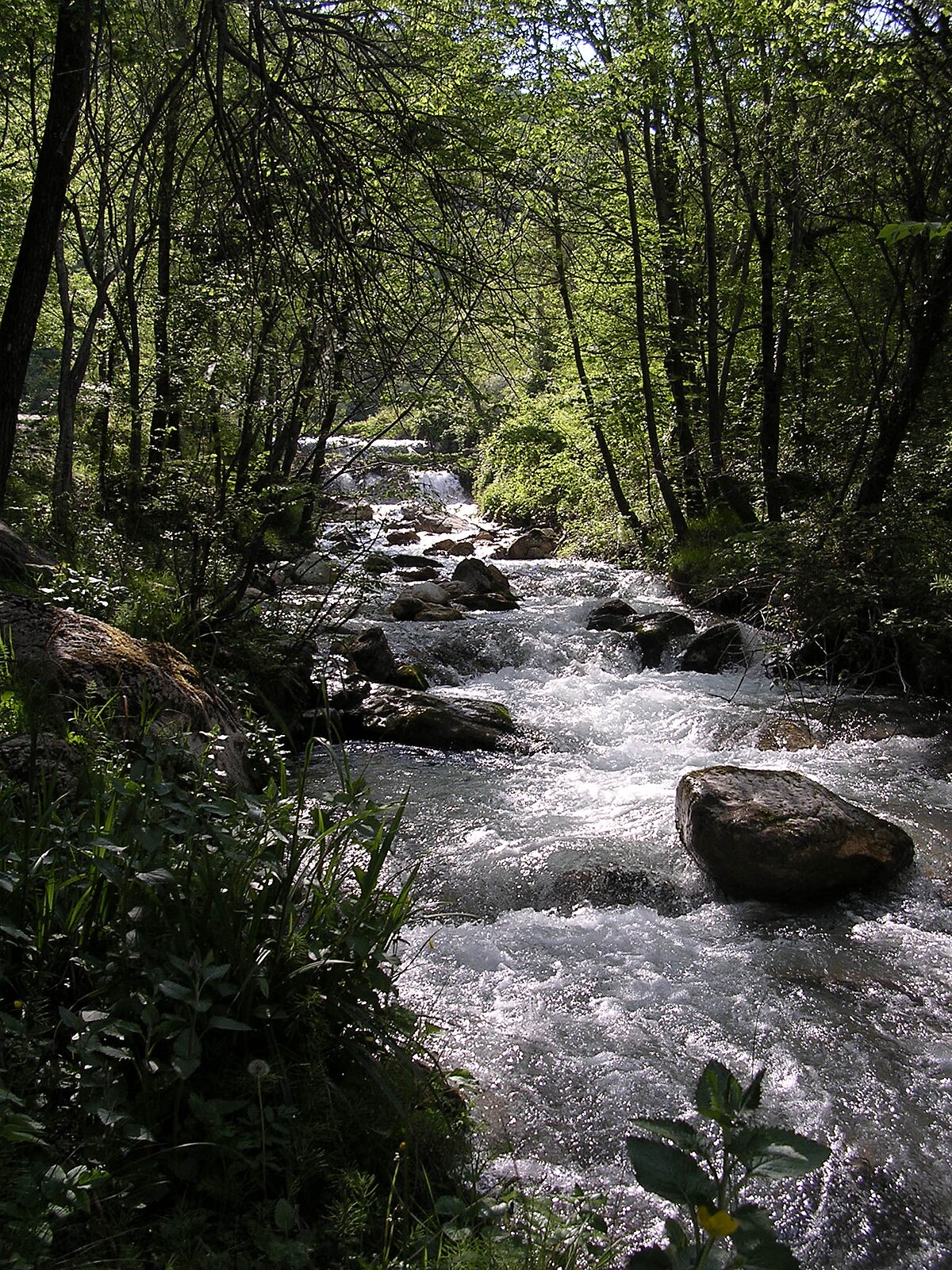
The Ambro River is a picturesque waterway in the Marche region of Italy, known for its serene landscapes and ecological significance.

Ancient Ostra
📍 marche, Italy
Ancient Ostra is an archaeological site located in Marche, Italy, notable for its remnants of an ancient Roman city that offers insights into …

Ancona
📍 marche, Italy
Ancona is a historic city in the Marche region of Italy, renowned for its stunning coastal views and significant maritime heritage.

Antiquarium of Palazzone
📍 marche, Italy
The Antiquarium of Palazzone is a museum located in Perugia, Italy, renowned for its collection of artifacts that showcase the region's rich …
Archivio Diocesano e Biblioteca dell'Arcidiocesi di Pesaro
📍 marche, Italy
The Archivio Diocesano e Biblioteca dell'Arcidiocesi di Pesaro is a conservation library in Marche, Italy, renowned for its extensive collection of …
Archivio e Biblioteca della Cattedrale di S. Rufino (Duomo)
📍 marche, Italy
The Archivio e Biblioteca della Cattedrale di S. Rufino (Duomo) is a historical library and archive located in Assisi, Italy, renowned for its rich …
More Tower

Barbici's Tower
📍 tuscany, Italy
The Barbici's Tower is a historic coastal tower located on the Island of Capraia, Italy, originally built in 1699 by the Genoese to protect against …

Bastione di Malta
📍 calabria, Italy
The Bastione di Malta is a historic tower located in Lamezia Terme, Calabria, Italy, known for its architectural significance and cultural heritage.

Bastione San Francesco
📍 tuscany, Italy
The Bastione San Francesco is a historical tower in San Gimignano, Tuscany, Italy, known for its impressive structure and cultural significance.

Byzantine tower
📍 campania, Italy
The Byzantine Tower is a historical structure located in Biccari, Italy, known for its architectural significance and rich cultural heritage.

Calamosca tower
📍 sardinia, Italy
The Calamosca Tower is a historic defensive structure in Cagliari, Sardinia, Italy, known for its strategic coastal views and role in the region's …

Castello di Felina
📍 tuscany, Italy
The Castello di Felina is a historic tower located in Tuscany, Italy, renowned for its architectural features and cultural significance.