

Torre
Overview
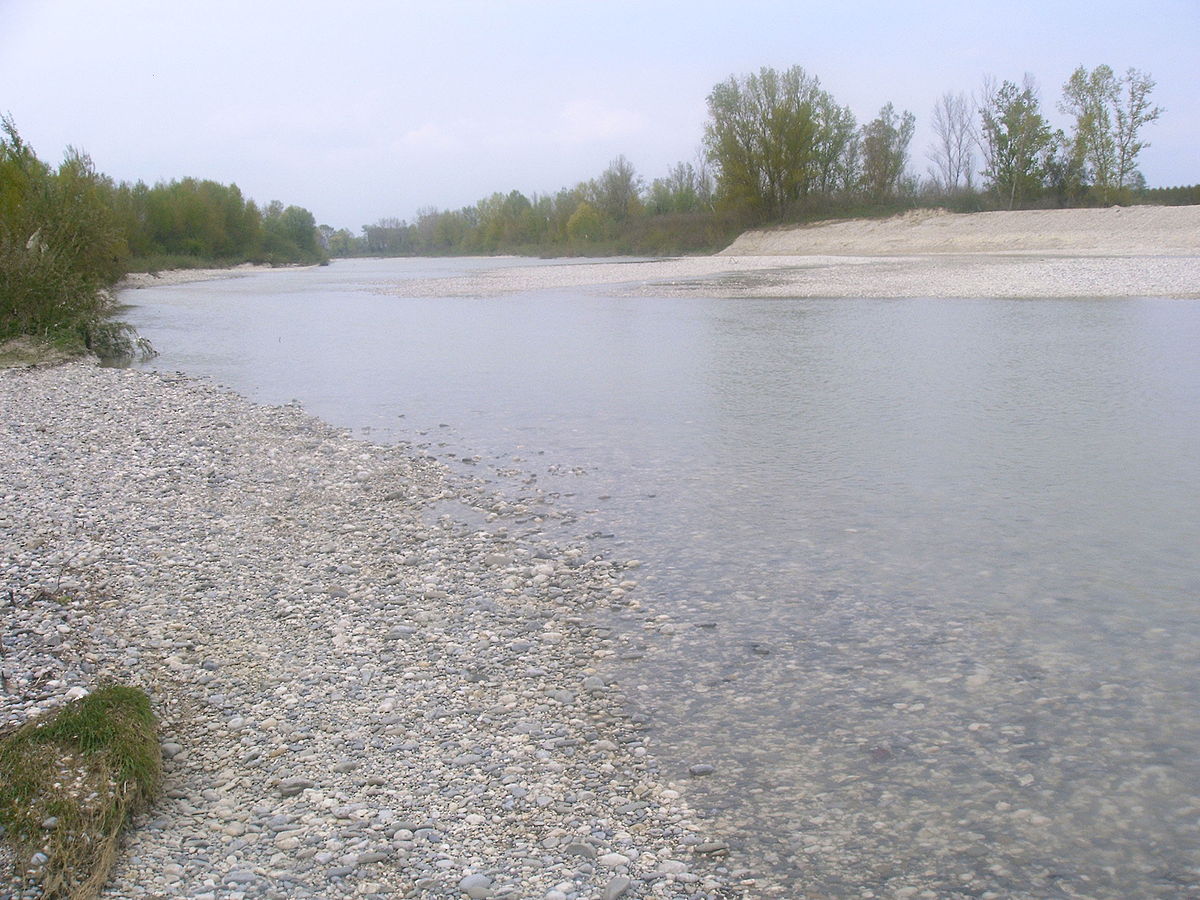
The Torre River, located in the northeastern region of Friuli-Venezia Giulia, is a captivating natural feature that meanders through the stunning Italian countryside. Originating from the Julian Alps, the river flows gracefully, providing not only a vital water source but also contributing to the region’s rich biodiversity. Its serene environment is a haven for nature enthusiasts and offers ample opportunities for outdoor activities, making it a delightful destination for those seeking tranquility away from the hustle and bustle of urban life. The river’s winding path creates picturesque views, enhancing the overall experience for visitors who come to explore its banks.
The Torre River is not just a geographical entity; it carries cultural significance as well. It has shaped the surrounding landscapes and local communities throughout history. The river’s crystal-clear waters, coupled with the backdrop of the majestic mountains, create a harmonious setting that attracts photographers, hikers, and eco-tourists alike. Whether you are drawn by the allure of nature, the opportunity for adventure, or the quietude it offers, the Torre River promises a unique experience reflective of Italy’s natural beauty.
History and Significance
The Torre River has played a critical role in the ecology and culture of Friuli-Venezia Giulia. As a vital water source, it has influenced agriculture and settlement patterns in the region. Historically, rivers like the Torre served as essential routes for trade and transport, fostering connections between communities and contributing to economic development. The river’s course has also been a natural boundary, shaping the historical narratives of the area.
In addition to its practical importance, the Torre River is celebrated for its ecological value. The surrounding areas are home to diverse flora and fauna, making it a significant habitat for various species. The river’s health is indicative of the overall environmental quality in the region, and efforts are often made to preserve its natural state. The riverbanks are lined with lush vegetation, providing a sanctuary for wildlife and serving as a critical tool for biodiversity conservation.
Ecotourism has emerged as a key focus in the region, with the Torre River at the heart of many outdoor activities. Kayaking, canoeing, and hiking along the river trails are popular among visitors, who are encouraged to engage with the natural environment respectfully. Local organizations often promote awareness about the importance of protecting this vital resource, underscoring the cultural and ecological significance of the Torre River in the region.
Architecture and Features
The Torre River is primarily known for its natural beauty rather than man-made structures. Its features include meandering streams, shallow pools, and lush riverbanks that are alive with a variety of plant and animal life. The river’s clear waters reflect the surrounding mountains and greenery, creating a stunning visual appeal for visitors.
The banks of the Torre are often lined with native vegetation, which serves to stabilize the soil and provide habitat for wildlife. The gentle flow of the river creates a serene atmosphere, ideal for relaxation and contemplation. Along its course, visitors may encounter small bridges and pathways that allow access to various viewpoints, enhancing the experience for those looking to enjoy the area’s natural wonders.
While there are no significant historical architectural features directly associated with the river, the surrounding landscape includes traditional villages and structures that embody the local culture and history. These elements add to the charm of the area and provide a glimpse into the life of communities that have thrived alongside the river for generations.
Visiting Information
Visiting the Torre River offers a delightful experience for those seeking outdoor activities and a connection with nature. Access to the river is generally straightforward, with various entry points marked along the riverbanks. Visitors can expect to engage in activities such as hiking, picnicking, and various water sports, including kayaking and fishing.
For the most accurate details regarding hours and any potential fees, check the official website for current information. The best times to visit are typically during the spring and fall when the weather is mild, and the natural scenery is particularly vibrant. Depending on your interests, spending a half-day to a full day exploring the river and its surroundings can be quite fulfilling.
The area surrounding the Torre River is equipped with basic amenities, but it’s advisable to plan ahead. Bring sufficient water, snacks, and sun protection, especially during warmer months. If you’re interested in guided activities or tours, local organizations may offer programs that enhance your visit.
Nearby Attractions
- Cividale del Friuli: A historic town known for its medieval architecture and rich history, just a short drive from the river.
- Venzone: Famous for its well-preserved medieval walls and charming streets, offering an insight into the region’s past.
- The Julian Alps: An ideal location for hiking and outdoor adventures, presenting spectacular views and diverse ecosystems.
- Aquileia: An ancient Roman city and UNESCO World Heritage Site, renowned for its archaeological remains and early Christian basilica.
- Grado: A coastal town known for its beautiful beaches and charming old town, perfect for a relaxing day by the sea.
Insider Tips
To capture the best photographs of the Torre River, visit during the early morning or late afternoon when the light is soft and golden. The reflections on the water can create stunning images. If you prefer a quieter experience, try to visit on weekdays rather than weekends when the area tends to attract more visitors.
For those looking to avoid crowds, consider exploring lesser-known access points along the river. These spots often provide a more secluded environment, allowing for a peaceful connection with nature. Additionally, keep an eye on local events or festivals that may coincide with your visit, as these can enhance your experience of the local culture.
Practical Information
When planning your visit to the Torre River, consider bringing the following items: comfortable walking shoes, a water bottle, a camera, and a picnic blanket for leisurely breaks by the water. Seasonal considerations include potential rain in autumn and spring, so check the weather forecast and dress accordingly.
During warmer months, be prepared for sun exposure, especially if you plan to spend extended time outdoors. Always respect the natural environment by following local guidelines and leaving no trace behind.
Frequently Asked Questions
How long should I spend visiting?
A half-day to a full day is recommended to fully appreciate the scenery and engage in activities.
Is photography allowed?
Yes, photography is encouraged, especially given the river’s picturesque setting.
Are there guided tours?
Check local organizations for possible guided tours or activities along the river.
What’s the best time to visit?
Spring and fall offer mild weather and beautiful natural scenery.
Is it wheelchair accessible?
Access varies by location along the river; check specific entry points for accessibility.
Can I buy tickets online?
Check the official website for information on any required permits or fees.
Are there restrooms and cafes?
Basic amenities may be available nearby, but it’s best to plan ahead and bring your own supplies.
What should I wear?
Dress in comfortable, weather-appropriate clothing suitable for outdoor activities.
Photo Gallery
More in friuli-venezia-giulia

acquedotto veneziano
📍 friuli-venezia-giulia, Italy
The acquedotto veneziano is an ancient aqueduct located in Palmanova, Friuli-Venezia Giulia, Italy, known for its historical significance and …
Associazione Corale C. A. Seghizzi, Archivio-Biblioteca
📍 friuli-venezia-giulia, Italy
The Associazione Corale C. A. Seghizzi, Archivio-Biblioteca is a library and archive located in Gorizia, Italy, known for its unique collection …

Ausa
📍 friuli-venezia-giulia, Italy
The Ausa River is a serene waterway located in the Friuli-Venezia Giulia region of Italy, known for its picturesque landscapes and cultural …

Bacino di Rutte
📍 friuli-venezia-giulia, Italy
The Bacino di Rutte is a significant dam located in Friuli-Venezia Giulia, Italy, known for its engineering prowess and role in local water …
Biblioteca del Corso di diploma per fisioterapista dell'Università degli studi di Trieste
📍 friuli-venezia-giulia, Italy
The Biblioteca del Corso di diploma per fisioterapista dell'Università degli studi di Trieste is a specialized library in Trieste, Italy, dedicated to …
Biblioteca del Dipartimento di ingegneria civile dell'Università degli studi di Trieste
📍 friuli-venezia-giulia, Italy
The Biblioteca del Dipartimento di ingegneria civile dell'Università degli studi di Trieste is a specialized library in Trieste, Italy, known for its …
More River

Adige
📍 trentino-alto-adige, Italy
The Adige is a prominent river in northern Italy's Trentino-Alto Adige region, celebrated for its stunning landscapes and cultural significance.

Adigetto
📍 veneto, Italy
Adigetto is a serene river located in the Veneto region of Italy, known for its tranquil waters and natural beauty, offering a peaceful retreat for …
Afra
📍 tuscany, Italy
The Afra is a river in Tuscany, Italy, recognized for its tranquil waters and scenic surroundings that embody the natural beauty of the Italian …
Agamo
📍 lombardy, Italy
The Agamo is a river in Lombardy, Italy, known for its serene waters and the scenic landscapes it traverses, offering a tranquil escape into nature.
Agna
📍 tuscany, Italy
The Agna River is a serene waterway in Tuscany, Italy, known for its picturesque surroundings and the tranquil landscapes it traverses.

Agno
📍 veneto, Italy
The Agno River is a picturesque waterway in Veneto, Italy, recognized for its serene landscape and cultural significance in the region.