



Tomb of the Triclinium
Overview
The Tomb of the Triclinium stands as a remarkable example of Etruscan funerary art, offering a glimpse into the beliefs and customs of a civilization that thrived in ancient Italy. Located within the Necropolis of Monterozzi, just outside Tarquinia, this tomb is not only significant for its artistic merit but also for the insights it provides into Etruscan society, particularly their views on death and the afterlife.
The Necropolis of Monterozzi itself is a UNESCO World Heritage site, recognized for its numerous tombs adorned with exquisite frescoes that showcase the Etruscans’ rich cultural life. The Tomb of the Triclinium, dating back to the 5th century BCE, is one of the most well-preserved and celebrated among these ancient burial sites. Its name comes from the depiction of a triclinium, or dining couch, which is a motif that recurs throughout the tomb’s elaborate frescoes. Visitors to this site can expect to be captivated by the vivid colors and dynamic scenes that illustrate joyous feasting and social gatherings, reflecting the Etruscans’ appreciation for life and celebration even in death.
As you approach this unique tomb, the tranquility of the surrounding landscape sets the stage for a reflective exploration of Etruscan history. A visit here is not just an opportunity to view stunning artwork; it is a chance to connect with the ancestral roots of Italy and appreciate the complex, often enigmatic culture of the Etruscans.
History and Significance
The Tomb of the Triclinium is an essential piece of Etruscan heritage, situated in a region that served as a crucial center for this ancient civilization. The Etruscans flourished in Italy from the 8th century BCE until their gradual assimilation into Roman culture, leaving behind a legacy that continues to intrigue historians and archaeologists alike. The tomb itself provides valuable insights into Etruscan funerary practices, which were deeply intertwined with their beliefs about the afterlife and the importance of social connections.
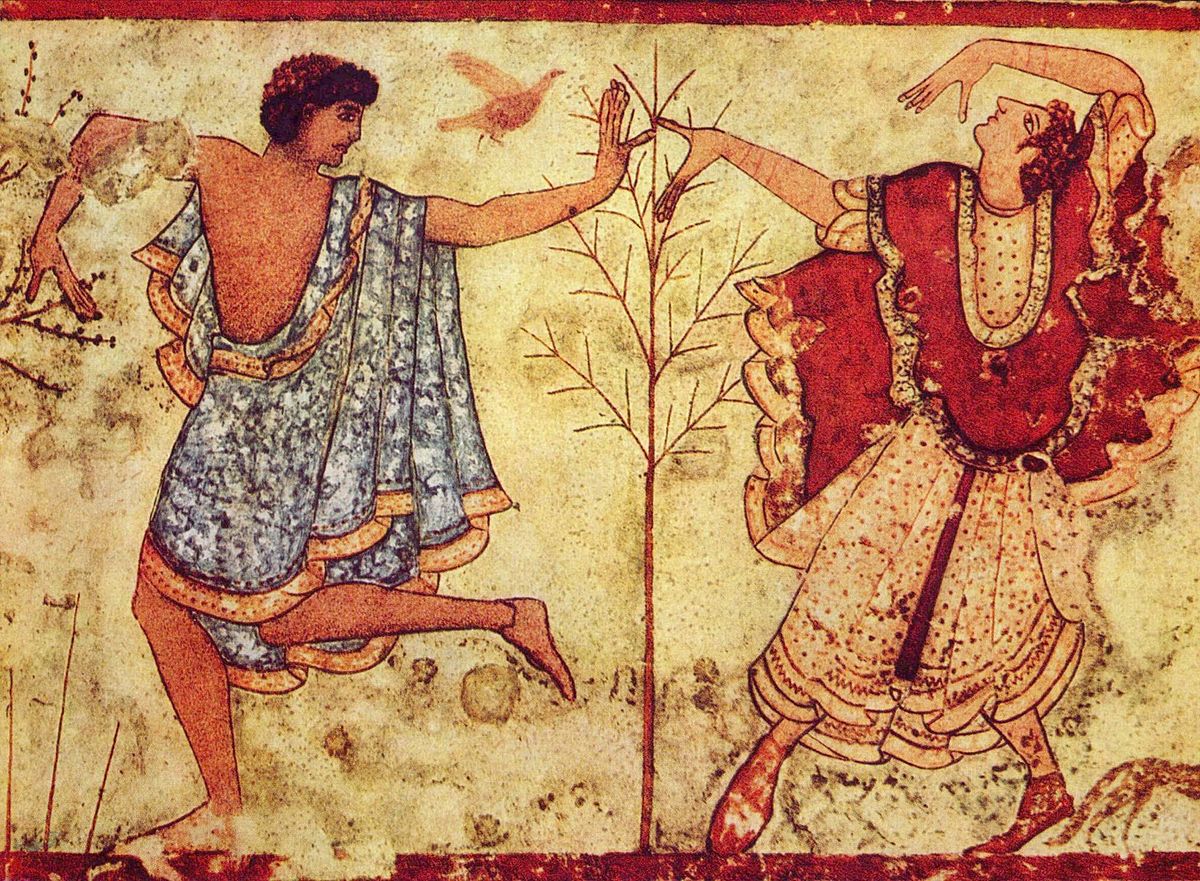
The frescoes within the tomb depict scenes of banquets, suggesting that the Etruscans celebrated life and valued communal gatherings, even after death. These images are not merely decorative; they serve a ritual purpose, believed to enhance the deceased’s journey in the afterlife. The figures in the frescoes are lively and dynamic, showcasing a variety of postures and expressions that convey a sense of movement and joy. The presence of musicians and dancers further emphasizes the importance of entertainment and celebration in Etruscan culture.
Archaeological studies of the site have revealed that the Etruscans placed great emphasis on the afterlife, often equipping their tombs with items that would be useful for the deceased in their next existence. The Tomb of the Triclinium exemplifies this practice, as it was designed not only as a burial site but also as a space for the living to honor and remember their loved ones. The artistic style and thematic content of the frescoes reflect broader trends in Etruscan art, characterized by a blend of realism and symbolism, which has been influential in the study of ancient Mediterranean cultures.
Today, the Tomb of the Triclinium remains a focal point for those interested in ancient history, art, and archaeology. It offers a rare opportunity to witness the creative expression of a civilization that significantly impacted the development of Roman culture and, by extension, Western civilization.
Architecture and Features
The Tomb of the Triclinium features a simple yet dignified architectural style typical of Etruscan burial sites. Constructed from local limestone, the tomb is part of a larger necropolis that includes numerous other burial chambers, each with its own unique artistic expressions and themes. The interior of the tomb is characterized by its rectangular shape, with a vaulted ceiling that adds to the sense of space within.
The most striking aspect of the tomb is undoubtedly its frescoes, which cover the walls and ceiling. These vivid paintings are executed in a range of colors, predominantly reds, greens, and yellows, showcasing the Etruscan mastery of color and composition. The depictions of reclining figures on banquet couches, surrounded by attendants, create a lively atmosphere that invites viewers to engage with the scene.
One of the most notable features of the frescoes is the depiction of the triclinium itself—a three-sided couch used for reclining during meals—symbolizing the importance of dining in Etruscan culture. The figures are portrayed in various poses, suggesting interaction and conversation, which highlights the social nature of Etruscan life. Additionally, the presence of musicians and dancers within the scenes underscores the significance of entertainment and festivity in both life and death.
The tomb also contains inscriptions in Etruscan, adding another layer of cultural significance. These inscriptions often provide insights into the identities of the deceased and their families, further connecting visitors to the historical context of the site. The overall design and artistic elements of the Tomb of the Triclinium exemplify the Etruscan approach to funerary art, merging functionality with aesthetic beauty.
Visiting Information
Visiting the Tomb of the Triclinium is an enriching experience for those interested in ancient history and art. The tomb is located within the Necropolis of Monterozzi, which is situated near Tarquinia in the Lazio region of Italy. The site is accessible by car or public transportation from nearby towns, making it a convenient day trip for travelers exploring the area.
Check the official website for current information on hours and ticket prices, as these can vary seasonally. When planning your visit, it’s advisable to allocate at least an hour to fully appreciate the tomb and take in the surrounding necropolis. The best times to visit are typically during the spring and fall when the weather is mild, and tourist crowds are thinner, allowing for a more intimate experience.
Upon arrival, visitors can expect to find informational signage that provides context and background on the tomb and its significance. Guided tours may also be available, offering deeper insights into the Etruscan culture and the artistry of the frescoes.
As you explore the necropolis, be prepared to walk along uneven paths, and wear comfortable shoes suitable for the terrain. The tranquil atmosphere of the site invites contemplation, so take your time to absorb the beauty and historical significance of this remarkable tomb.
Nearby Attractions
While visiting the Tomb of the Triclinium, consider exploring the following nearby attractions to enrich your experience:
Necropolis of Monterozzi: This expansive burial ground is home to numerous Etruscan tombs adorned with stunning frescoes, making it a must-visit for history enthusiasts.
Tarquinia Museum: Located in the nearby town, this museum houses an impressive collection of artifacts and artworks from the Etruscan civilization, including items excavated from the necropolis.
Castello di Tarquinia: A medieval castle overlooking the town, offering panoramic views and a glimpse into the region’s historical architecture.
Santa Maria di Valverde: A beautiful church located in Tarquinia, known for its stunning frescoes and serene atmosphere, perfect for a peaceful visit.
Civita di Bagnoregio: A picturesque hilltop village famous for its stunning views and charming streets, located about an hour’s drive from Tarquinia.
Insider Tips
To enhance your visit to the Tomb of the Triclinium, consider the following insider tips:
Photography: While photography is often allowed in outdoor areas, always check for specific regulations regarding interior photography to respect the site’s preservation efforts.
Crowd Avoidance: To enjoy a quieter experience, aim to visit early in the morning or later in the afternoon, particularly during weekdays, when the site is less crowded.
Guided Tours: If available, consider joining a guided tour to gain deeper insights into the historical and cultural significance of the tomb and its frescoes.
Practical Information
When planning your visit to the Tomb of the Triclinium, keep the following practical information in mind:
What to Bring: Bring water, sunscreen, and a hat, especially during warmer months, as there may be limited shade in the area. A camera or sketchbook can also enhance your experience.
Seasonal Considerations: The best times to visit are typically in the spring and fall when the weather is pleasant. Be mindful of summer heat if visiting during the peak tourist season.
Accessibility: The site may have limited accessibility for those with mobility challenges, so it’s advisable to check in advance if you require special accommodations.
Frequently Asked Questions
How long should I spend visiting?
Allocate at least one hour to fully appreciate the Tomb of the Triclinium and its surrounding necropolis.
Is photography allowed?
Photography policies can vary, so check for specific guidelines upon arrival, particularly for interior spaces.
Are there guided tours?
Guided tours may be available; check the official website for details on scheduling and availability.
What’s the best time to visit?
The best times to visit are typically during the spring and fall when the weather is mild and the site is less crowded.
Is it wheelchair accessible?
The site may have limited accessibility; it’s recommended to check in advance for accommodations.
Can I buy tickets online?
Check the official website for current information regarding ticket sales and availability.
Are there restrooms and cafes?
Facilities may be limited on-site, so it’s advisable to plan accordingly before your visit.
What should I wear?
Wear comfortable clothing and shoes suitable for walking, and consider seasonal weather conditions when dressing for your visit.
Photo Gallery
More in lazio
Abatino Park
📍 lazio, Italy
The Abatino Park is a serene natural park located in Lazio, Italy, offering visitors a peaceful retreat with lush landscapes and recreational …
Abbazia di Santa Maria di Ponza
📍 lazio, Italy
The Abbazia di Santa Maria di Ponza is a Cistercian monastery on Ponza Island, Italy, renowned for its serene atmosphere and historical significance.

Academia Belgica
📍 lazio, Italy
The Academia Belgica is a Belgian cultural institution located in Rome, Italy, notable for its role in promoting Belgian heritage and fostering …
Accademia di Belle Arti di Frosinone
📍 lazio, Italy
The Accademia di Belle Arti di Frosinone is an educational institution in Frosinone, Italy, renowned for its commitment to fostering artistic talent …
Acqua Vergine
📍 lazio, Italy
Acqua Vergine is a modern aqueduct located in Rome, Italy, known for its engineering marvel and role in the city's water supply system.

Acquedotto delle Arcatelle
📍 lazio, Italy
The Acquedotto delle Arcatelle is a 17th-century aqueduct located in Tarquinia, Italy, recognized for its impressive architectural design and …
More Tomb

Aedicula tomb of Publius Vesonius Phileros
📍 campania, Italy
The Aedicula tomb of Publius Vesonius Phileros is a Roman tomb located in Pompeii, Italy, renowned for its intricate frescoes and significance in …
Allée couverte Brancatzu
📍 sardinia, Italy
The Allée couverte Brancatzu is a prehistoric tomb located in Sardinia, Italy, known for its ancient burial practices and intriguing megalithic …

Andreani arks
📍 lombardy, Italy
The Andreani arks are a collection of significant tomb monuments belonging to the Andreani family, located in Dervio, Lombardy, Italy, known for their …

Bassorilievo ai militari caduti nei lager nazisti
📍 piedmont, Italy
The Bassorilievo ai militari caduti nei lager nazisti is a poignant tomb located in the Monumental Cemetery of Staglieno in Piedmont, Italy, …

Bassorilievo ai morti nei campi nazisti
📍 piedmont, Italy
The Bassorilievo ai morti nei campi nazisti is a poignant tomb located in the Monumental Cemetery of Staglieno in Piedmont, Italy, recognized for its …

Berretta del prete
📍 lazio, Italy
The Berretta del prete is a Roman mausoleum located at the ninth mile of the ancient Via Appia in Lazio, Italy, known for its historical significance …