

The Great Spa Towns of Europe
Overview
The Great Spa Towns of Europe represent a unique collective of settlements renowned for their historic spa cultures, which date back centuries. These towns, scattered across Europe, were pivotal in the development of spa culture, attracting visitors seeking health and rejuvenation. The designation as a transnational UNESCO World Heritage site underscores their global importance and cultural heritage. Each town is distinctive, showcasing various architectural styles, therapeutic practices, and social customs that evolved around the health benefits of mineral springs.
Geographically, these towns are situated in regions with rich natural resources, particularly mineral springs, which have been harnessed for their healing properties. The spas became social centers where people from all walks of life would gather, thus fostering a culture that emphasized health, wellness, and relaxation. The Great Spa Towns are not merely places for physical healing; they represent a broader cultural movement towards wellness and social interaction, making them significant both historically and in contemporary society. A visit to these towns promises an exploration of their fascinating history, striking architecture, and vibrant traditions still practiced today.
History and Significance
The emergence of spa towns can be traced back to ancient civilizations, where the healing properties of mineral waters were first documented. The Great Spa Towns of Europe flourished particularly during the 18th and 19th centuries, a period marked by increased interest in health and wellness. These towns became fashionable destinations for the European elite, who sought not only the curative effects of the waters but also the social atmosphere that enveloped these locations.
Each town within this group has its own unique historical narrative. For example, towns like Bath in England and Spa in Belgium were central to the development of European spa culture. They became places of convergence for art, literature, and social discourse, influencing the cultural fabric of their respective regions. The rise of these spa towns coincided with the Enlightenment, a time when scientific inquiry and the exploration of nature’s benefits gained prominence.
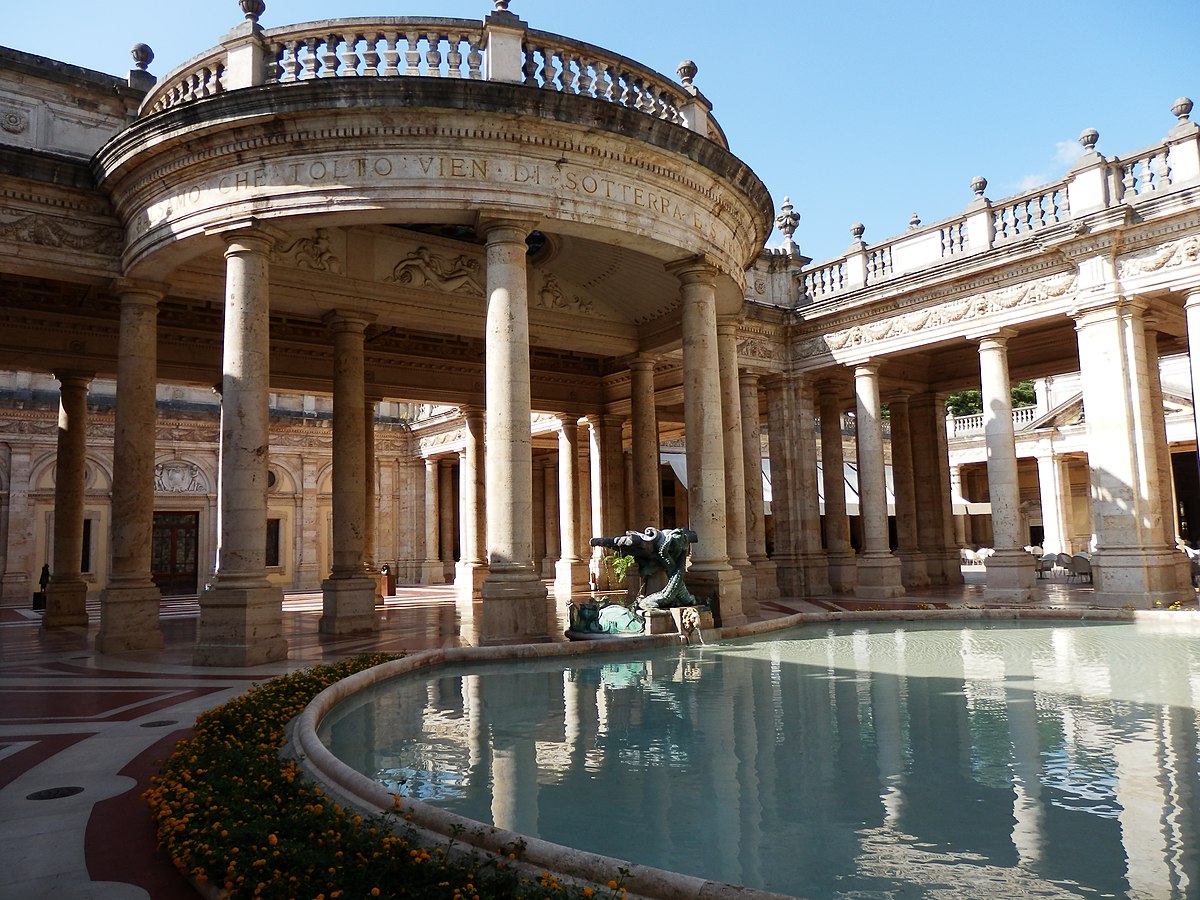
The significance of these towns extends beyond their historical role; they have shaped health tourism as we know it today. The therapeutic practices developed in these towns laid the groundwork for modern wellness movements, emphasizing the importance of health, relaxation, and holistic living. Furthermore, the architecture of these towns reflects their cultural importance, showcasing styles that range from classical to neoclassical, often incorporating grand colonnades, elegant facades, and expansive gardens designed to enhance the spa-going experience.
Architecture and Features
The Great Spa Towns of Europe are characterized by their distinctive architectural styles, which vary from one settlement to another but often reflect the grandeur associated with health and wellness. Common features include impressive colonnades, ornate fountains, and opulent bathhouses, all designed to create an inviting atmosphere for visitors.
Many of the buildings in these towns are constructed using local materials, which not only contributes to their unique aesthetic but also harmonizes them with the surrounding landscape. The architecture often includes elements of neoclassicism, with symmetrical designs and imposing structures that evoke a sense of tranquility and grandeur. Notable features include open-air thermal baths, which allow visitors to immerse themselves in the mineral-rich waters while enjoying the fresh air.
Gardens and parks are also integral to the layout of these towns, providing serene spaces for relaxation and social interaction. These green areas are often meticulously landscaped, featuring exotic plants and tranquil pathways that encourage leisurely strolls. The combination of natural beauty and architectural elegance makes the Great Spa Towns visually appealing and culturally rich destinations.
Visiting Information
Visiting the Great Spa Towns of Europe is an enriching experience that offers insight into their historical significance and cultural practices. Depending on your interests, you may want to plan your visit around specific activities, such as spa treatments, cultural tours, or local events.
Transportation options vary by town, but many are well-connected by public transport, including trains and buses. Some towns may also offer guided tours or shuttle services for visitors. It’s advisable to check the official website for current information regarding hours and prices to ensure a smooth visit.
Most towns can be explored in a day or two, allowing ample time for relaxation in the spas, exploration of the architecture, and participation in local cultural events. The best times to visit are during the spring and fall when the weather is mild, and crowds are generally smaller than in the peak summer months.
Nearby Attractions
While visiting the Great Spa Towns, consider exploring these nearby attractions that enhance the cultural experience:
- Historical Sites: Many towns are close to historical landmarks, such as ancient ruins or castles, which can provide an enriching context to your visit.
- Natural Parks: Surrounding areas often feature beautiful natural parks, ideal for hiking or picnicking, allowing visitors to connect with nature.
- Museums: Check out local museums that showcase the history of the town, including its spa culture and development.
- Local Markets: Markets often highlight local crafts and produce, providing a taste of regional flavors and artisanal goods.
- Cultural Festivals: Depending on the time of year, local festivals may offer unique experiences, from music to culinary events, celebrating the town’s heritage.
Insider Tips
For optimal enjoyment of your visit to the Great Spa Towns, consider these insider tips:
- Photography: Early mornings or late afternoons provide the best light for photography, especially for capturing the stunning architecture and serene landscapes.
- Crowd Avoidance: To avoid large crowds, visit during weekdays or during off-peak seasons. This will allow for a more tranquil experience at the spas and in the towns.
- Spa Reservations: If you plan to indulge in spa treatments, consider making reservations in advance to secure your preferred time and treatments.
- Local Cuisine: Be sure to sample local dishes at nearby restaurants, which often feature fresh, regional ingredients.
Practical Information
When preparing for a visit to the Great Spa Towns of Europe, keep these practical considerations in mind:
- What to Bring: Comfortable clothing and footwear are essential for walking around the towns. Bring swimwear if you plan to use the spas or thermal baths.
- Seasonal Considerations: The climate can vary, so check the weather forecast before your trip and pack accordingly. A light jacket may be useful during cooler months.
- Health Precautions: If you have specific health concerns, consult with a healthcare provider before indulging in spa treatments, especially if you intend to use thermal baths.
Frequently Asked Questions
How long should I spend visiting?
Typically, a visit of one to two days allows ample time to explore the town, indulge in spa treatments, and enjoy local attractions.
Is photography allowed?
Photography policies may vary by site. Always check for signage or ask staff if you are unsure.
Are there guided tours?
Many towns offer guided tours that provide insights into their history and culture. Check the official website for availability.
What’s the best time to visit?
The ideal times to visit are spring and fall, when the weather is pleasant and tourist crowds are reduced.
Is it wheelchair accessible?
Accessibility features vary by town and specific sites. Check the official website for detailed information on accessibility options.
Can I buy tickets online?
Many attractions offer online ticket purchasing. Verify on the official website for availability and to avoid long queues.
Are there restrooms and cafes?
Most towns have public restrooms and cafes, especially near major attractions.
What should I wear?
Dress comfortably for exploring and make sure to bring swimwear if you plan to use the spas or thermal baths.
Photo Gallery
Visit Information
Quick Facts
- Heritage Type
- Group Of Settlements
- UNESCO Status
- World Heritage Site
- Region
- lazio
- Wikidata ID
- Q16064866
More in lazio
Abatino Park
📍 lazio, Italy
The Abatino Park is a serene natural park located in Lazio, Italy, offering visitors a peaceful retreat with lush landscapes and recreational …
Abbazia di Santa Maria di Ponza
📍 lazio, Italy
The Abbazia di Santa Maria di Ponza is a Cistercian monastery on Ponza Island, Italy, renowned for its serene atmosphere and historical significance.

Academia Belgica
📍 lazio, Italy
The Academia Belgica is a Belgian cultural institution located in Rome, Italy, notable for its role in promoting Belgian heritage and fostering …
Accademia di Belle Arti di Frosinone
📍 lazio, Italy
The Accademia di Belle Arti di Frosinone is an educational institution in Frosinone, Italy, renowned for its commitment to fostering artistic talent …
Acqua Vergine
📍 lazio, Italy
Acqua Vergine is a modern aqueduct located in Rome, Italy, known for its engineering marvel and role in the city's water supply system.

Acquedotto delle Arcatelle
📍 lazio, Italy
The Acquedotto delle Arcatelle is a 17th-century aqueduct located in Tarquinia, Italy, recognized for its impressive architectural design and …