


Temple of Minerva
Overview
The Temple of Minerva, located in the heart of Assisi, Italy, is a remarkable example of religious architectural evolution. Originally constructed as a Roman temple dedicated to the goddess Minerva, this structure has undergone significant transformation, reflecting the layered history of the region. Today, it serves as a church, embodying the fusion of ancient Roman and Christian influences. Assisi, known for its picturesque streets and rich heritage, provides a captivating backdrop for visitors exploring this significant site.
The Temple of Minerva is not only notable for its architectural features but also for its cultural and historical relevance in the context of Assisi’s development. As a center of spirituality and pilgrimage, the temple reflects the broader narrative of religious change that swept through Italy during the transition from paganism to Christianity. Visitors to the temple can expect to experience a site that is steeped in history, art, and architectural beauty, making it a must-see for anyone traveling in the Marche region.
History and Significance
The Temple of Minerva’s origins trace back to the Roman period, when it was built as a temple dedicated to the goddess of wisdom. This period marked a time when Assisi was a flourishing Roman town, and the temple was likely a vital part of civic life. As with many ancient sites, the exact date of its construction remains unclear; however, its significance as a place of worship and community gathering is well-documented.
With the rise of Christianity, the temple was repurposed into a church, a transition that symbolizes the broader cultural shift occurring in Italy during the early centuries of the Common Era. The transformation of the Temple of Minerva into a church marks an important moment in the religious history of Assisi, reflecting the changing spiritual landscape of the region. The church, now dedicated to Santa Maria sopra Minerva, houses numerous artworks and relics that further enrich its historical narrative.
Throughout the centuries, the Temple of Minerva has witnessed numerous events that have shaped the local community. Its continued use as a place of worship illustrates its enduring significance in the lives of the residents of Assisi and pilgrims who come to visit. The temple stands not only as a monument to ancient Roman architecture but also as a testament to the adaptive nature of sacred spaces.
Architecture and Features
The Temple of Minerva is characterized by its well-preserved Roman architecture, which has been thoughtfully integrated with Christian elements. The most striking feature of the temple is its grand façade, which retains the classical columns typical of Roman temples. These columns support a triangular pediment that showcases the temple’s ancient origins.
Inside, the church reveals a blend of Roman and medieval artistry. Visitors can observe the impressive altar and various chapels adorned with religious iconography, melding the old Roman structure with Christian symbols. The nave and aisles of the church are designed to facilitate worship, allowing congregants to engage with the space meaningfully.
One of the most notable aspects of the temple’s interior is the harmony between its historical significance and its current use as a place of worship. The careful preservation of the original Roman elements alongside the additions made during its conversion to a church provides a unique window into the architectural practices of the time. The interplay between light and space within the temple creates an inviting atmosphere, encouraging reflection and reverence.
Visiting Information
Visiting the Temple of Minerva offers a chance to delve into the rich history and architectural splendor of Assisi. The temple is centrally located, making it easily accessible for those traveling by foot through the charming streets of the town. Check the official website for current information on hours and prices, as these can vary seasonally.
When planning your visit, consider allocating approximately 30 to 60 minutes to fully appreciate the temple’s architecture, artworks, and the serene atmosphere it offers. The best times to visit are early in the morning or later in the afternoon when the light casts beautiful shadows across the structure, enhancing its grandeur.
For those arriving by public transport, Assisi is well connected by train and bus services. The temple is within walking distance from the train station, allowing visitors to enjoy the scenic routes through the historic town.
Nearby Attractions
While visiting the Temple of Minerva, take the opportunity to explore other nearby attractions that enrich the cultural experience of Assisi:
- Basilica of San Francesco d’Assisi: A UNESCO World Heritage site, this basilica is dedicated to Saint Francis and features stunning frescoes by Giotto.
- Piazza del Comune: This lively square is the heart of Assisi, surrounded by historical buildings and cafes, perfect for soaking in the local atmosphere.
- Rocca Maggiore: A medieval fortress offering panoramic views of Assisi and the surrounding countryside, providing a glimpse into the town’s defensive past.
- Eremo delle Carceri: A peaceful hermitage located on the slopes of Mount Subasio, significant for its connection to Saint Francis and his followers.
- Basilica di Santa Chiara: Another important church in Assisi, dedicated to Saint Clare, featuring beautiful artwork and historical relics.
Insider Tips
To make the most of your visit to the Temple of Minerva, consider these insider tips:
- Photography: While photography is generally allowed, be respectful of worshippers and avoid using flash during services. The temple’s interior design provides excellent opportunities for capturing its beauty.
- Crowd Avoidance: Visit early in the morning or later in the afternoon to avoid peak tourist hours, ensuring a more peaceful experience.
Practical Information
When planning your trip to the Temple of Minerva, consider the following practical tips:
- What to Bring: Comfortable walking shoes are recommended, as Assisi’s cobblestone streets can be uneven. Carry a reusable water bottle and a light jacket or sweater, as temperatures can vary, especially during the evening.
- Seasonal Considerations: The best times to visit Assisi are during the spring and fall when the weather is mild, and the tourist crowds are smaller.
Frequently Asked Questions
How long should I spend visiting?
Plan to spend about 30 to 60 minutes at the Temple of Minerva to fully appreciate its architecture and historical significance.
Is photography allowed?
Yes, photography is generally permitted, but be respectful of the worshippers and avoid using flash during services.
Are there guided tours?
While the temple itself may not offer guided tours, local guides in Assisi often include it in their walking tours of the town.
What’s the best time to visit?
Visiting early in the morning or late in the afternoon can help you avoid crowds and enjoy a more serene experience.
Is it wheelchair accessible?
The temple’s accessibility may vary; check for specific accommodations when planning your visit.
Can I buy tickets online?
Check the official website for information about ticket purchases and any guided tours available.
Are there restrooms and cafes?
Public restrooms may be available in nearby areas; however, it’s advisable to plan accordingly. Cafes and restaurants can be found in the vicinity of the temple.
What should I wear?
Dress modestly, as this is a place of worship. Comfortable shoes are recommended for exploring the surrounding area.
Photo Gallery
Visit Information
Quick Facts
- Heritage Type
- Church Building
- Region
- marche
- Wikidata ID
- Q11836
More in marche
Ambro
📍 marche, Italy
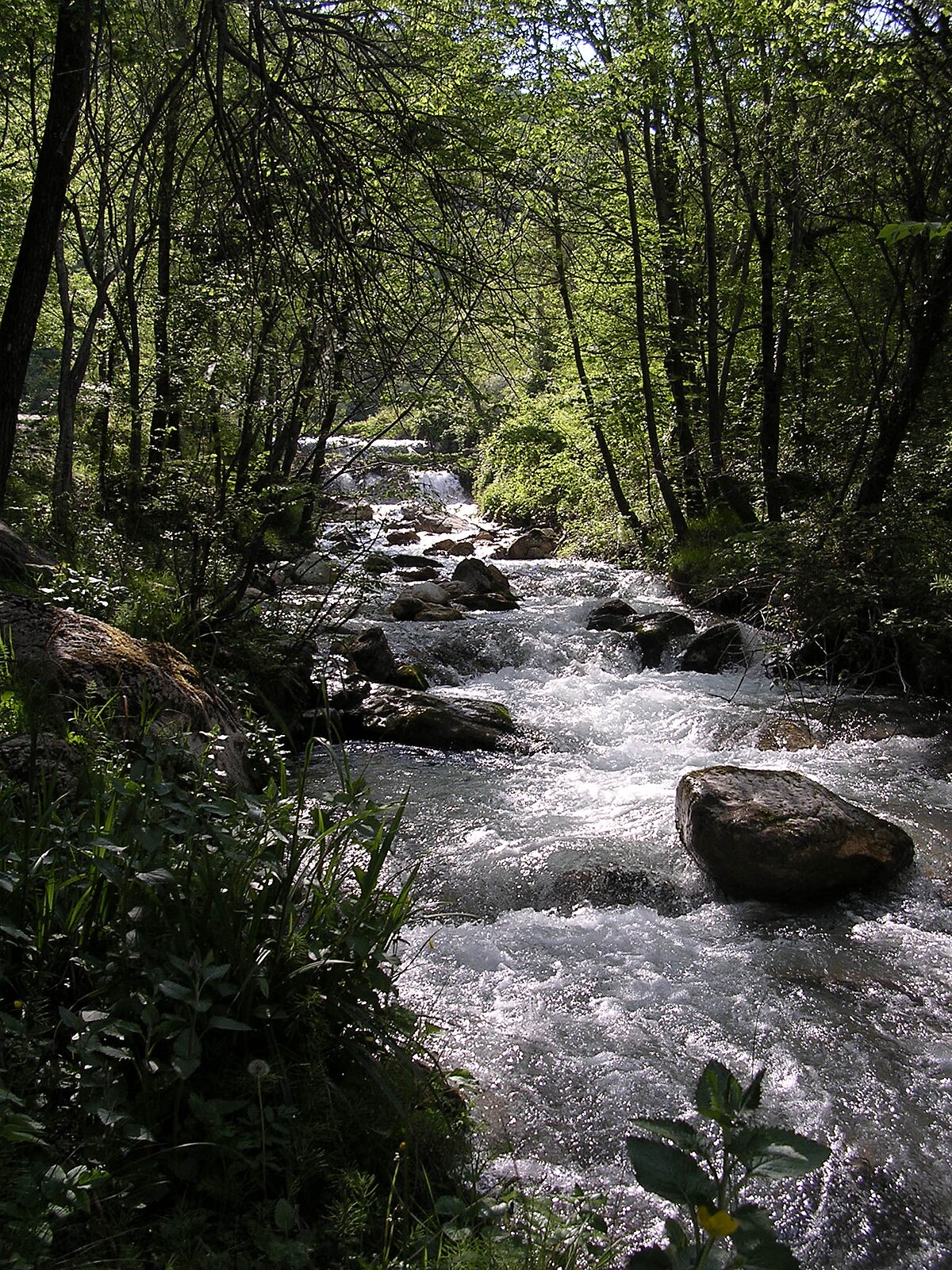
The Ambro River is a picturesque waterway in the Marche region of Italy, known for its serene landscapes and ecological significance.

Ancient Ostra
📍 marche, Italy
Ancient Ostra is an archaeological site located in Marche, Italy, notable for its remnants of an ancient Roman city that offers insights into …

Ancona
📍 marche, Italy
Ancona is a historic city in the Marche region of Italy, renowned for its stunning coastal views and significant maritime heritage.

Antiquarium of Palazzone
📍 marche, Italy
The Antiquarium of Palazzone is a museum located in Perugia, Italy, renowned for its collection of artifacts that showcase the region's rich …
Archivio Diocesano e Biblioteca dell'Arcidiocesi di Pesaro
📍 marche, Italy
The Archivio Diocesano e Biblioteca dell'Arcidiocesi di Pesaro is a conservation library in Marche, Italy, renowned for its extensive collection of …
Archivio e Biblioteca della Cattedrale di S. Rufino (Duomo)
📍 marche, Italy
The Archivio e Biblioteca della Cattedrale di S. Rufino (Duomo) is a historical library and archive located in Assisi, Italy, renowned for its rich …
More Church Building

Abbazia della Misericordia
📍 veneto, Italy
The Abbazia della Misericordia is a historic former church and abbey in Venice, Italy, renowned for its architectural significance and rich cultural …

Abbazia di Nostra Signora di Paulis
📍 sardinia, Italy
Abbazia di Nostra Signora di Paulis is a historic church building located in Ittiri, Sardinia, Italy, celebrated for its architectural charm and …

Abbazia di Pomposa
📍 veneto, Italy
The Abbazia di Pomposa is a historic church building located in Pomposa, Codigoro, Italy, known for its architectural features and serene atmosphere.

Abbazia di San Gaudenzio
📍 tuscany, Italy
The Abbazia di San Gaudenzio is a historic abbey located in San Gaudenzio, Tuscany, Italy, notable for its architectural elegance and spiritual …

Abbazia di Santa Maria
📍 sicily, Italy
Abbazia di Santa Maria is a historic church building located in Novara di Sicilia, Sicily, Italy, known for its architectural beauty and cultural …

Abbazia di Santa Maria a Cerrate (Lecce)
📍 apulia, Italy
The Abbazia di Santa Maria a Cerrate is an ancient church building located in Lecce, Italy, renowned for its historical significance and architectural …