

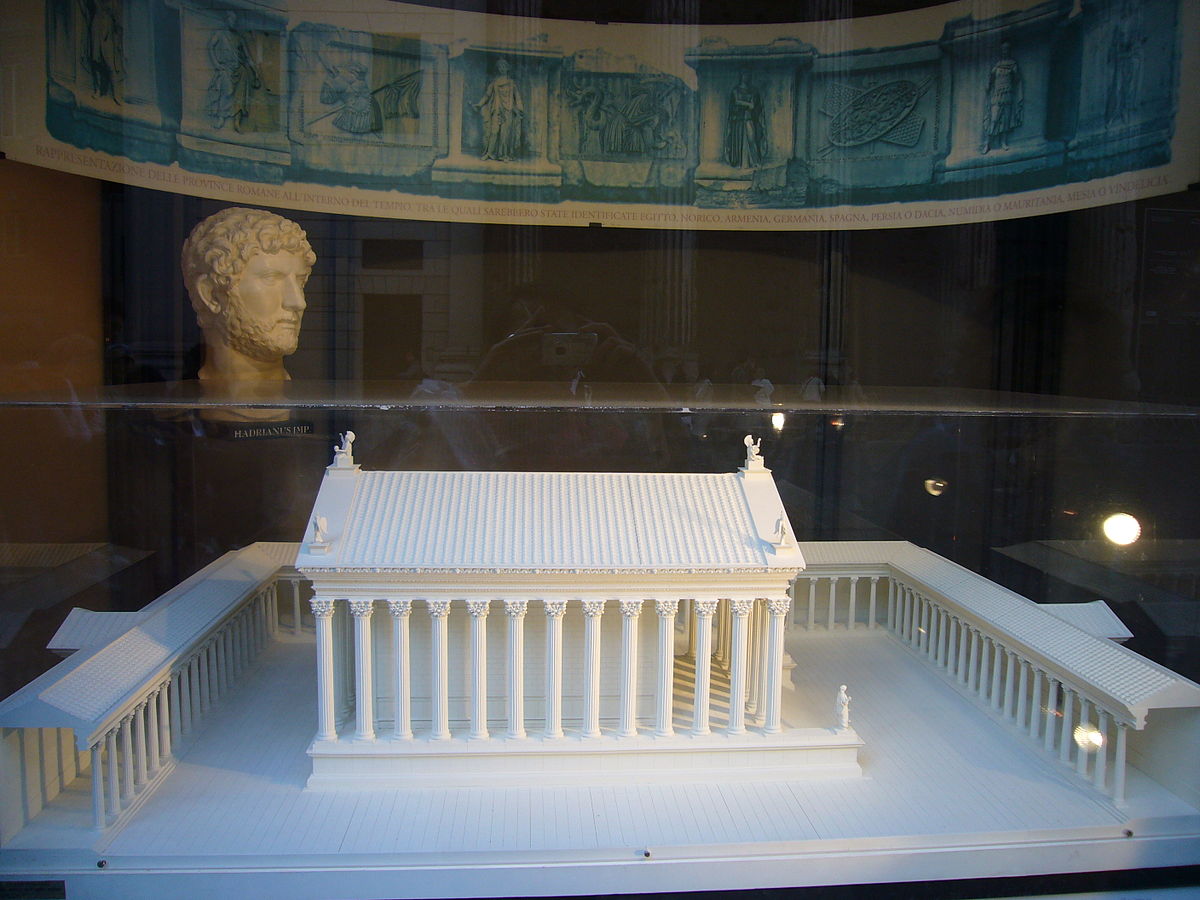


Temple of Hadrian
Overview
Located in the heart of Rome, the Temple of Hadrian is a remarkable archaeological site that reflects the grandeur of the Roman Empire. Built in honor of Emperor Hadrian, who ruled from 117 to 138 AD, this temple once served as a focal point for worship and a symbol of imperial power. The remnants of the structure today offer a glimpse into the architectural sophistication and religious practices of ancient Rome.
The site is situated at coordinates 41.899722222, 12.479444444, making it easily accessible to visitors exploring the historic center of the city. Beyond its structural remains, the Temple of Hadrian is significant for the insights it provides into Roman religion, culture, and the political landscape of the time. As you stand amidst the ruins, the echoes of a once-thriving society resonate, inviting contemplation of the past and appreciation for the artistry and engineering of the ancients.
Visiting the Temple of Hadrian is not merely an exploration of bricks and stones; it is an opportunity to connect with the very essence of Roman civilization. The site is often less crowded than other more well-known Roman landmarks, providing a serene environment to reflect on the history that shaped the modern world.
History and Significance
The Temple of Hadrian was constructed during one of the most prosperous periods of the Roman Empire. Emperor Hadrian, known for his philosophical pursuits and admiration for Greek culture, commissioned the temple to honor the gods and commemorate his legacy. The temple exemplified the heights of Roman architectural innovation and religious devotion, symbolizing both the emperor’s power and the Roman people’s reverence for their deities.
Although the exact date of its construction is not specified, the temple was known to have been completed during Hadrian’s reign. The architectural design is believed to have been influenced by Greek temples, showcasing a combination of classical elements that set a precedent for later Roman structures. The temple served not only as a place of worship but also as a social hub where important civic and religious activities took place.
Over the centuries, the temple fell into disrepair, and much of its structure was repurposed for other uses, including the construction of nearby buildings. Despite this decline, the site retains its significance as an archaeological treasure, providing valuable insights into Roman engineering, religious practices, and the cultural exchanges that occurred during and after Hadrian’s reign.
Today, the Temple of Hadrian serves as a poignant reminder of the vast influence of Roman architecture and the lasting impact of its emperors on the cultural landscape of Europe. It stands as a crucial site for historians and archaeologists alike, offering clues about the rituals, daily life, and artistic expressions of the ancient Romans.
Architecture and Features
The Temple of Hadrian exhibits a blend of architectural styles that reflect the transitional nature of Roman design during the early second century AD. Although much of the original structure has been lost over time, the remaining ruins showcase elements typical of Roman temple architecture.
The temple’s layout likely featured a classic rectangular plan, common among Roman temples, with a prominent portico supported by grand columns. The use of Corinthian columns, characterized by their ornate capitals, would have added an air of elegance and sophistication to the temple’s façade. The remains of these columns can still be observed, hinting at the temple’s former grandeur.
In addition to the columns, the temple’s podium, or raised platform, can be identified among the ruins. This podium would have elevated the temple, emphasizing its importance and separating it from the surrounding landscape. The cella, or inner sanctum, where the statue of the deity would have been housed, is also a crucial aspect of the temple’s architecture, although its specific features are less discernible today.
The site may have also included decorative elements, such as friezes and sculptures, which were common in Roman temples to narrate mythological stories or celebrate imperial achievements. The artistry and craftsmanship involved in these details would have been a testament to the skill of ancient artisans.
While much of the decorative stonework has been lost, the remaining features of the Temple of Hadrian provide a valuable glimpse into the architectural practices of ancient Rome. The site continues to be a focus of archaeological research, with ongoing studies aimed at uncovering more about its construction and significance.
Visiting Information
The Temple of Hadrian is conveniently located in the historic center of Rome, making it accessible for visitors exploring the city’s myriad attractions. To reach the site, tourists can utilize various forms of public transportation, including buses and the metro system. Due to its central location, many visitors choose to walk from nearby landmarks, allowing for a leisurely exploration of the surrounding area.
Check the official website for current information regarding hours of operation and any admission fees that may apply. While the temple itself is often open to the public, conditions can vary based on restoration work or special events, so it’s advisable to confirm details before planning a visit.
Expect to spend at least an hour at the Temple of Hadrian to fully appreciate its historical and architectural significance. The best times to visit are typically in the early morning or late afternoon, when the sunlight casts a beautiful glow on the ruins and crowds are generally thinner.
When visiting, be prepared for a blend of historical insight and peaceful reflection. The atmosphere around the temple is conducive to contemplation, allowing visitors to immerse themselves in the stories of the past while surrounded by the echoes of ancient Rome.
Nearby Attractions
Piazza Navona: Just a short walk from the Temple of Hadrian, this lively square is famous for its stunning Baroque architecture and lively atmosphere. Visitors can enjoy the fountains, street performers, and a variety of cafés and restaurants.
Pantheon: This iconic temple, originally built as a place of worship, is one of the best-preserved monuments of ancient Rome. Its impressive dome and oculus are architectural marvels that draw countless visitors.
Tiber River: Strolling along the banks of the Tiber offers a scenic view of the city and its historic bridges. The river provides a peaceful respite from the bustling streets of Rome.
Campo de’ Fiori: Known for its vibrant market and lively atmosphere, this square offers a glimpse into local life. It’s an ideal spot for sampling fresh produce, local delicacies, and enjoying the vibrant ambiance.
Palazzo Altemps: This museum, part of the National Museum of Rome, features a collection of ancient sculptures and artifacts. It is housed in a stunning Renaissance palace and provides further context into Rome’s rich history.
Insider Tips
To capture the best photographs of the Temple of Hadrian, consider visiting during the golden hour—shortly after sunrise or before sunset—when the light casts a warm glow on the ruins. This time also tends to be less crowded, allowing for unobstructed views.
For those looking to avoid large crowds, weekdays are generally quieter than weekends. Early mornings or late afternoons are ideal for a more peaceful experience, as many tourists tend to visit during midday.
Take a moment to explore the surrounding area, as there are many charming streets and hidden corners that offer great photo opportunities and a chance to experience local culture.
Practical Information
When visiting the Temple of Hadrian, it’s advisable to wear comfortable shoes, as the site may have uneven surfaces and require some walking. Bring a water bottle, especially during the warmer months, and consider a hat or sunscreen for sun protection.
Seasonal considerations are important; spring (April to June) and fall (September to October) are often the most pleasant times to visit Rome, with mild weather and fewer tourists. Summer can be hot and crowded, while winter may present cooler temperatures and occasional rainfall.
Check the official website for any specific guidelines regarding visitor conduct or restrictions, as these can change based on ongoing preservation efforts.
Frequently Asked Questions
How long should I spend visiting?
A visit to the Temple of Hadrian typically takes about an hour to fully appreciate the site.
Is photography allowed?
Yes, photography is generally allowed, but be respectful of other visitors and the site itself.
Are there guided tours?
While specific guided tours of the Temple of Hadrian may not always be available, many tours of Rome include this site as part of a broader itinerary.
What’s the best time to visit?
The best times to visit are early morning or late afternoon to avoid crowds and enjoy favorable lighting for photography.
Is it wheelchair accessible?
Accessibility features can vary, so check the official website for current information regarding wheelchair access.
Can I buy tickets online?
Check the official website for current information on ticket purchasing options.
Are there restrooms and cafes?
Facilities may be limited near the temple, so plan accordingly and consider visiting nearby cafés for refreshments.
What should I wear?
Dress comfortably and in accordance with the weather. Wear appropriate footwear for walking on uneven surfaces.
Photo Gallery
Location
More in lazio
Abatino Park
📍 lazio, Italy
The Abatino Park is a serene natural park located in Lazio, Italy, offering visitors a peaceful retreat with lush landscapes and recreational …
Abbazia di Santa Maria di Ponza
📍 lazio, Italy
The Abbazia di Santa Maria di Ponza is a Cistercian monastery on Ponza Island, Italy, renowned for its serene atmosphere and historical significance.

Academia Belgica
📍 lazio, Italy
The Academia Belgica is a Belgian cultural institution located in Rome, Italy, notable for its role in promoting Belgian heritage and fostering …
Accademia di Belle Arti di Frosinone
📍 lazio, Italy
The Accademia di Belle Arti di Frosinone is an educational institution in Frosinone, Italy, renowned for its commitment to fostering artistic talent …
Acqua Vergine
📍 lazio, Italy
Acqua Vergine is a modern aqueduct located in Rome, Italy, known for its engineering marvel and role in the city's water supply system.

Acquedotto delle Arcatelle
📍 lazio, Italy
The Acquedotto delle Arcatelle is a 17th-century aqueduct located in Tarquinia, Italy, recognized for its impressive architectural design and …
More Archaeological Site

Abbazia di Santa Maria di Corazzo
📍 calabria, Italy
The Abbazia di Santa Maria di Corazzo is an archaeological site located in Carlopoli, Calabria, Italy, renowned for its historical significance and …

Abella
📍 campania, Italy
The archaeological site of Abella in Campania, Italy, is an ancient human settlement known for its historical significance and cultural heritage.

Abellinum
📍 campania, Italy
Abellinum is an archaeological site in Atripalda, Italy, known for its ancient ruins that reveal insights into Roman settlement and urban planning.

Aeculanum
📍 campania, Italy
Aeculanum is an archaeological site in Campania, Italy, known for its remnants of an ancient town that offer insight into early Roman urban life.
Aesernia
📍 molise, Italy
Aesernia is an ancient Roman archaeological site located in Molise, Italy, renowned for its well-preserved ruins that reflect the grandeur of Roman …

Alba Fucens
📍 lazio, Italy
Alba Fucens is an ancient archaeological site in Lazio, Italy, known for its well-preserved ruins that reflect the grandeur of a once-thriving Roman …