


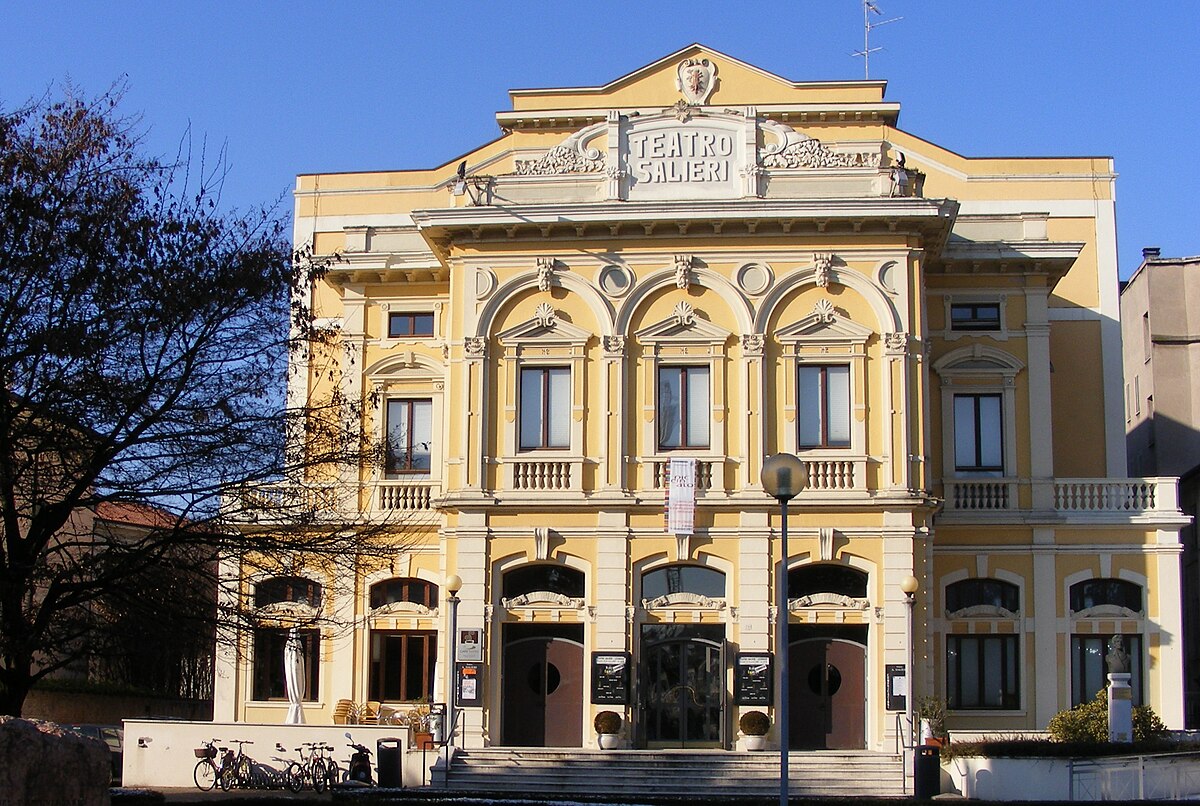
Teatro Salieri
Overview
The Teatro Salieri, situated in the charming town of Legnago in the Veneto region of Italy, stands as a cultural cornerstone of the community. This theatre is not just an entertainment venue; it encapsulates the artistic spirit of its namesake, the composer Antonio Salieri, who was a prominent figure in the classical music scene of the late 18th century. The theatre has played a pivotal role in the cultural life of Legnago, hosting a variety of performances that range from operas to theatrical productions, thereby contributing to the town’s rich cultural landscape.
Legnago itself is located near the Adige River and serves as a vital link between Verona and Mantua. The theatre’s location makes it easily accessible for visitors looking to explore the artistic heritage of northern Italy. As you step into Teatro Salieri, you will find an atmosphere that echoes with the legacy of past performances, inviting you to experience the magic of live art in a setting steeped in history.
Visiting Teatro Salieri is not just about attending a show; it is an opportunity to appreciate a beautifully preserved venue that has witnessed the evolution of Italian theatre over the years. From its captivating performances to its architectural beauty, the theatre promises an enriching experience for both locals and tourists alike.
History and Significance
Teatro Salieri’s historical significance can be traced back to its connections with the celebrated composer Antonio Salieri, who was born in 1750. While the theatre itself may not have been established during Salieri’s lifetime, it reflects the cultural milieu of his era and the influence of his work on Italian operatic traditions. Salieri was known for his operas, which often showcased the rich emotional landscapes that Italian theatre sought to portray.
Throughout its history, Teatro Salieri has been a venue for numerous performances that highlight the evolution of theatrical expression in Italy. The theatre has hosted works from various genres, including operas, dramas, and modern performances, making it a versatile space for artistic exploration. Its significance extends beyond entertainment; it serves as a gathering place for the community, a stage for emerging artists, and a platform for cultural dialogue.
The theatre has played a crucial role in preserving the traditions of Italian performing arts while also adapting to contemporary tastes. As such, it stands as a vital link between the past and present, fostering an appreciation for the arts among new generations. The cultural events held here not only celebrate local talent but also invite national and international artists, creating a vibrant arts scene in Legnago.
Architecture and Features
The architectural design of Teatro Salieri reflects the elegance and sophistication typical of Italian theatre buildings. While specific architectural details may vary, the theatre is likely characterized by an ornate façade, grand entrance, and an inviting lobby that sets the tone for the artistic experiences within. The interior design typically features tiered seating arrangements that provide excellent views of the stage, allowing audiences to immerse themselves in the performances.
One notable aspect of many historic theatres, including Teatro Salieri, is their acoustics. The design often incorporates elements that enhance sound quality, ensuring that every note sung and every line delivered resonates throughout the auditorium. The stage itself may be equipped for a variety of performances, accommodating everything from elaborate operatic productions to intimate theatrical shows.
Visitors to Teatro Salieri may also appreciate its decorative elements, which often include frescoes, chandeliers, and intricate moldings that contribute to the theatre’s overall grandeur. These artistic features not only enhance the visual experience but also reflect the cultural heritage and craftsmanship of the era in which the theatre was constructed.
Visiting Information
When planning a visit to Teatro Salieri, it’s essential to consider transport options and accessibility. Legnago is well-connected by road, making it easy to reach the theatre by car or public transportation. Visitors can find parking facilities nearby; however, it’s advisable to check local regulations and availability.
To ensure a fulfilling experience, it’s recommended to check the official website for current information regarding performance schedules, ticket prices, and opening hours. Given the theatre’s historical significance and popularity, planning ahead can help avoid disappointment, especially during peak seasons when shows are more frequent.
A visit to Teatro Salieri typically lasts a few hours, depending on the performance. It’s a good idea to arrive early to soak in the atmosphere and appreciate the theatre’s architecture before the show begins. The best times to visit are during the theatre’s active performance season, which usually aligns with cultural festivals and events in the region.
Nearby Attractions
While exploring Legnago and Teatro Salieri, consider visiting these nearby attractions:
Piazza Garibaldi: The central square of Legnago, offering charming cafes and shops, making it a perfect spot for a leisurely stroll.
Chiesa di San Marco: This historic church features beautiful architecture and artworks, reflecting the town’s religious heritage.
Museo di Storia Naturale: Located nearby, this museum showcases natural history exhibits that provide insight into the region’s ecology and biodiversity.
Castello di Bevilacqua: A short drive from Legnago, this medieval castle offers guided tours and scenic grounds, making it a worthwhile excursion.
Adige River Walk: Enjoy a peaceful walk along the river, where you can appreciate the natural beauty of the landscape and observe local wildlife.
Insider Tips
For those planning to attend a performance at Teatro Salieri, consider these insider tips to enhance your experience:
Photography: While photography may be allowed during performances, it’s best to check with the theatre’s policies. Capturing images of the theatre’s stunning interior before the show can be a nice memento.
Crowd Avoidance: Arriving early not only allows you to explore the theatre but also helps you avoid the last-minute rush. This is particularly important for popular shows.
Dress Code: While there is no strict dress code, dressing smart-casual is generally appreciated, especially for evening performances.
Practical Information
When visiting Teatro Salieri, be sure to bring along essential items, including:
Comfortable Shoes: You may do a fair amount of walking, especially if you plan to explore Legnago before or after the performance.
Weather Considerations: Depending on the season, check the weather forecast and dress accordingly. Summers can be warm, while winters may require warmer clothing.
Seasonal Events: Keep an eye out for special events or festivals that may coincide with your visit, as these can provide unique experiences and opportunities to engage with local culture.
Frequently Asked Questions
How long should I spend visiting?
A visit to Teatro Salieri typically involves attending a performance, which can range from two to three hours. Arriving early allows you to enjoy the theatre’s atmosphere.
Is photography allowed?
Photography policies can vary; it is advisable to check with the theatre regarding permission for taking photos during performances.
Are there guided tours?
Guided tours may be available, but it is best to check the official website for current offerings and schedules.
What’s the best time to visit?
The best time to visit is during the theatre’s active performance season. Checking the schedule in advance can help you plan accordingly.
Is it wheelchair accessible?
Accessibility information can vary; it is recommended to contact the theatre directly for details regarding wheelchair access.
Can I buy tickets online?
Tickets for performances are often available for purchase online. Check the official website for the latest information on ticket sales and availability.
Are there restrooms and cafes?
Theatre facilities typically include restrooms. For cafes and dining options, explore nearby eateries in Legnago before or after your visit.
What should I wear?
Smart-casual attire is generally recommended. Dressing appropriately enhances your overall experience at the theatre.
Visiting Teatro Salieri provides a unique opportunity to engage with Italy’s vibrant cultural scene while appreciating the architectural beauty of this significant theatre. Whether attending a performance or simply exploring the venue, the experience promises to be enriching and memorable.
Photo Gallery
Visit Information
Quick Facts
- Heritage Type
- Theatre Building
- Region
- veneto
- Wikidata ID
- Q16612520
More in veneto

Abbazia della Misericordia
📍 veneto, Italy
The Abbazia della Misericordia is a historic former church and abbey in Venice, Italy, renowned for its architectural significance and rich cultural …

Abbazia di Pomposa
📍 veneto, Italy
The Abbazia di Pomposa is a historic church building located in Pomposa, Codigoro, Italy, known for its architectural features and serene atmosphere.
Abbazia di San Bartolo
📍 veneto, Italy
The Abbazia di San Bartolo is a historic monastery located in Aguscello, Ferrara, Italy, known for its serene atmosphere and architectural …

Abbey of Santa Giustina
📍 veneto, Italy
The Abbey of Santa Giustina is a historic basilica in Padua, Italy, celebrated for its stunning architecture and religious significance.

Adigetto
📍 veneto, Italy
Adigetto is a serene river located in the Veneto region of Italy, known for its tranquil waters and natural beauty, offering a peaceful retreat for …

Adria Cathedral
📍 veneto, Italy
Adria Cathedral is a historic church building located in Adria, Italy, renowned for its architectural beauty and cultural significance in the Veneto …
More Theatre Building

Ancient theatre of Taormina
📍 sicily, Italy
The Ancient Theatre of Taormina is an ancient Greek theatre located in Sicily, Italy, renowned for its impressive architecture and stunning views of …
Anfiteatro Correa
📍 lazio, Italy
The Anfiteatro Correa is a former theatre building in Rome, Italy, known for its historical significance and architectural legacy from 1780 to 1936.
Arena Cinecittà Teatro San Quirico
📍 tuscany, Italy
The Arena Cinecittà Teatro San Quirico is a historic theatre building in Florence, Italy, renowned for its cultural performances and artistic …

Arena del Sole
📍 tuscany, Italy
The Arena del Sole is a historic theatre building located in Bologna, Italy, renowned for its architectural elegance and vibrant cultural …

Arena dello Stretto
📍 sicily, Italy
The Arena dello Stretto is a historic theatre building located in Reggio Calabria, Italy, renowned for its architectural elegance and cultural …
Auditorium al Duomo
📍 tuscany, Italy
The Auditorium al Duomo is a prominent theatre building located in Florence, Italy, known for its architectural elegance and cultural significance in …