


Teatro Pergolesi
Overview
Teatro Pergolesi, situated in the charming town of Jesi in the Marche region of Italy, is a cultural landmark that has played a pivotal role in the artistic life of the area. This theatre, named after the renowned composer Giovanni Battista Pergolesi, is a significant venue for opera and theatrical performances. Its location in Jesi, a town rich in history and art, adds to its allure, making it an essential stop for anyone interested in the performing arts. The theatre hosts a variety of events throughout the year, drawing both local and international audiences. With its elegant façade and intimate atmosphere, Teatro Pergolesi promises a captivating experience that highlights the importance of cultural heritage in this part of Italy.
History and Significance
Teatro Pergolesi has a storied history that reflects the evolution of performing arts in the region. This theatre was established to honor the legacy of Giovanni Battista Pergolesi, who was born in Jesi and became one of the most celebrated composers of the early 18th century. His influence on the opera and sacred music genres is still felt today, and the theatre serves as a tribute to his contributions.
Throughout its existence, Teatro Pergolesi has hosted numerous performances, including operas, concerts, and theatrical productions. The theatre has become a central hub for cultural activities in Jesi, contributing significantly to the local community’s artistic scene. Over the years, it has played a crucial role in both preserving traditional Italian opera and promoting contemporary works. The theatre’s programming often includes seasonal events and festivals, celebrating both local talent and international artists.
In addition to its role in the performing arts, Teatro Pergolesi is also a site of educational initiatives, offering workshops and programs aimed at fostering a love for the arts among younger generations. This commitment to cultural education ensures that the legacy of Pergolesi and the importance of theatrical arts continue to thrive.
Architecture and Features
The architectural design of Teatro Pergolesi is a striking example of neoclassical style, characterized by its elegant proportions and decorative elements. The theatre’s façade is adorned with classical motifs, including columns and intricate stonework, which contribute to its grand appearance. Upon entering, visitors are greeted by a beautifully designed interior that combines functionality with aesthetic appeal.
The auditorium is particularly noteworthy, featuring a horseshoe shape that enhances acoustics and provides excellent sightlines for the audience. The ornate ceiling is often celebrated for its detailed frescoes, which add to the overall charm of the venue. The seating arrangement is designed to create an intimate atmosphere, ensuring that every patron feels connected to the performance.
Teatro Pergolesi also houses various facilities, including a stage equipped with modern technical capabilities, which allows for diverse productions ranging from traditional operas to contemporary performances. The theatre’s commitment to preserving its historical features while integrating modern technology makes it a unique destination for both performers and audiences.
Visiting Information
Visiting Teatro Pergolesi is a delightful experience for both locals and tourists. The theatre is conveniently located in the heart of Jesi, making it accessible by various modes of transport. Those traveling by car will find nearby parking facilities, while public transportation options, including buses and trains, connect Jesi to major cities in the region.
Check the official website for current information regarding hours of operation and ticket prices. It’s advisable to book tickets in advance, especially for popular performances, to secure good seats and avoid disappointment. Visitors can expect to spend around two to three hours at the theatre, depending on the length of the performance.
The best times to visit are during the theatre’s main performance seasons, which typically run from autumn through spring, when the programming is most vibrant. However, summer performances may also be available, offering a different yet equally engaging experience.
Nearby Attractions
Jesi is a town rich in history and culture, offering several attractions that complement a visit to Teatro Pergolesi:
- Palazzo della Signoria: This historic building hosts the town’s municipal offices and features beautiful frescoes and an impressive courtyard.
- Duomo di San Settimio: The main cathedral of Jesi, known for its stunning architecture and artistic interior, including works by notable artists.
- Museo Federico II: Dedicated to the Holy Roman Emperor Frederick II, this museum showcases artifacts and exhibitions related to his life and legacy.
- Piazza della Repubblica: A charming square lined with cafes and shops, perfect for a leisurely stroll or a coffee break.
- Castello di Jesi: The remnants of the town’s ancient castle offer panoramic views and a glimpse into Jesi’s medieval past.
Insider Tips
To make the most of your visit to Teatro Pergolesi, consider the following tips:
- Photography: While photography is typically allowed during performances, it’s best to check with the staff beforehand. Capturing the beautiful architecture of the theatre itself is encouraged.
- Crowd Avoidance: To avoid large crowds, consider attending weekday performances or matinee shows, which are often less busy than weekend events.
- Explore Jesi: Allow extra time to explore the surrounding areas of Jesi. The town’s historical sites and local eateries offer a perfect complement to your theatre experience.
Practical Information
When visiting Teatro Pergolesi, keep the following practical considerations in mind:
- What to Bring: Bring a light jacket, as theatres can be cool during performances. If attending an opera, consider dressing slightly more formally to match the occasion.
- Seasonal Considerations: The theatre operates year-round, but be sure to check the schedule for seasonal events that may offer unique performances not available at other times.
Frequently Asked Questions
How long should I spend visiting?
Most visitors spend around two to three hours at Teatro Pergolesi, including time for the performance and a brief intermission.
Is photography allowed?
Photography is usually allowed, but it is best to confirm with theatre staff, especially during performances.
Are there guided tours?
Check the official website for information on guided tours, which may be available at certain times.
What’s the best time to visit?
The best time to visit is during the main performance seasons in autumn through spring, when the programming is most diverse.
Is it wheelchair accessible?
Teatro Pergolesi is committed to accessibility; however, check with the official website for specific accommodations and arrangements.
Can I buy tickets online?
Yes, tickets can typically be purchased online through the theatre’s official website. It’s advisable to book in advance for popular shows.
Are there restrooms and cafes?
Yes, the theatre has restroom facilities, and there are often cafes nearby for refreshments before or after performances.
What should I wear?
Smart casual attire is recommended, especially for opera performances. Dressing up adds to the experience of attending a cultural event.
Visiting Teatro Pergolesi is not just about enjoying a performance; it’s an opportunity to immerse oneself in the rich cultural heritage of Jesi and the larger Marche region.
Photo Gallery
Visit Information
Quick Facts
- Heritage Type
- Theatre Building
- Region
- marche
- Wikidata ID
- Q592228
More in marche
Ambro
📍 marche, Italy
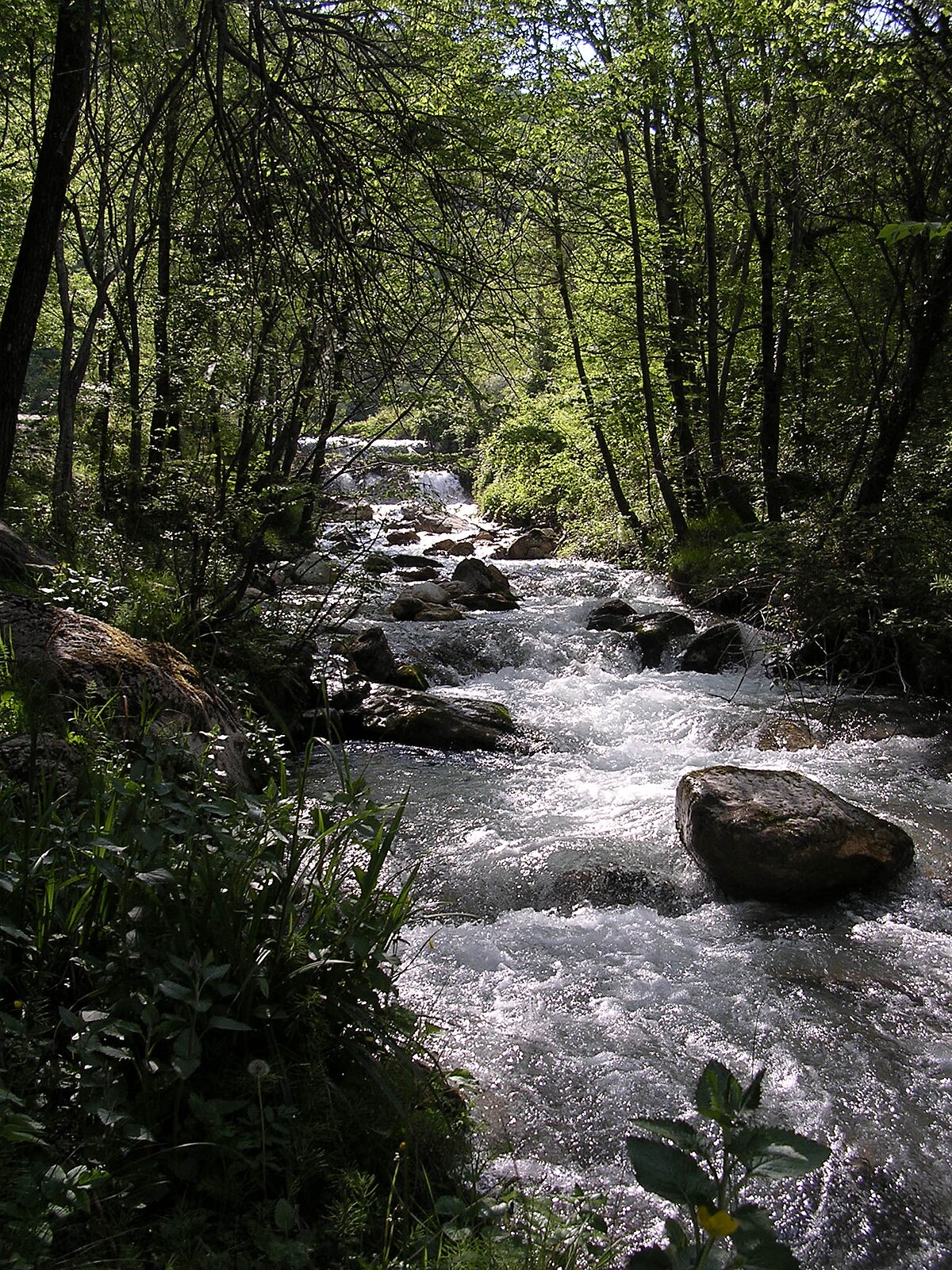
The Ambro River is a picturesque waterway in the Marche region of Italy, known for its serene landscapes and ecological significance.

Ancient Ostra
📍 marche, Italy
Ancient Ostra is an archaeological site located in Marche, Italy, notable for its remnants of an ancient Roman city that offers insights into …

Ancona
📍 marche, Italy
Ancona is a historic city in the Marche region of Italy, renowned for its stunning coastal views and significant maritime heritage.

Antiquarium of Palazzone
📍 marche, Italy
The Antiquarium of Palazzone is a museum located in Perugia, Italy, renowned for its collection of artifacts that showcase the region's rich …
Archivio Diocesano e Biblioteca dell'Arcidiocesi di Pesaro
📍 marche, Italy
The Archivio Diocesano e Biblioteca dell'Arcidiocesi di Pesaro is a conservation library in Marche, Italy, renowned for its extensive collection of …
Archivio e Biblioteca della Cattedrale di S. Rufino (Duomo)
📍 marche, Italy
The Archivio e Biblioteca della Cattedrale di S. Rufino (Duomo) is a historical library and archive located in Assisi, Italy, renowned for its rich …
More Theatre Building

Ancient theatre of Taormina
📍 sicily, Italy
The Ancient Theatre of Taormina is an ancient Greek theatre located in Sicily, Italy, renowned for its impressive architecture and stunning views of …
Anfiteatro Correa
📍 lazio, Italy
The Anfiteatro Correa is a former theatre building in Rome, Italy, known for its historical significance and architectural legacy from 1780 to 1936.
Arena Cinecittà Teatro San Quirico
📍 tuscany, Italy
The Arena Cinecittà Teatro San Quirico is a historic theatre building in Florence, Italy, renowned for its cultural performances and artistic …

Arena del Sole
📍 tuscany, Italy
The Arena del Sole is a historic theatre building located in Bologna, Italy, renowned for its architectural elegance and vibrant cultural …

Arena dello Stretto
📍 sicily, Italy
The Arena dello Stretto is a historic theatre building located in Reggio Calabria, Italy, renowned for its architectural elegance and cultural …
Auditorium al Duomo
📍 tuscany, Italy
The Auditorium al Duomo is a prominent theatre building located in Florence, Italy, known for its architectural elegance and cultural significance in …