


Teatro La Fenice
Overview
Teatro La Fenice, an emblem of artistic expression, lies in the picturesque town of Senigallia, situated along the Adriatic coast of Italy. This theatre has long been a cornerstone of the local cultural scene, offering a diverse array of performances that range from opera to contemporary theatre. Its name, which translates to “The Phoenix,” symbolizes rebirth and renewal, reflecting the theatre’s ability to rise from the ashes of past adversities, including various reconstructions due to fires and other challenges.
The significance of Teatro La Fenice extends beyond its impressive performances; it serves as a cultural hub for the region, attracting visitors and locals alike. The theatre is not just a venue for artistic expression; it embodies the spirit and heritage of its community. Those who step inside can expect to experience the vibrancy of Italian performing arts in a setting that is both intimate and grand, characterized by its elegant decor and acoustics that enhance every performance.
As you explore Teatro La Fenice, you are invited to immerse yourself in its storied past while enjoying the present-day offerings of this remarkable venue.
History and Significance
Teatro La Fenice has a rich history that showcases its resilience and importance in the cultural landscape of Senigallia and beyond. Originally constructed in the early 19th century, the venue quickly became a staple for the performing arts in the region. Over the years, it faced numerous challenges, including fires that necessitated significant restoration and reconstruction efforts. Each phase of rebuilding has contributed to the theatre’s unique character and allure, making it a living monument to both artistic and architectural evolution.
The theatre is particularly significant as a venue for opera, hosting numerous renowned productions and local talent. Its programming is designed to cater to a wide audience, ensuring that both traditional and contemporary works are represented. This commitment to diversity in performance has solidified its status as a cultural institution. Moreover, Teatro La Fenice often collaborates with local artists and international performers alike, fostering a vibrant artistic community.
The theatre’s historical importance is further enhanced by its role in promoting the arts throughout the region. It serves as a venue for educational programs, workshops, and events that encourage the next generation of artists and theatre enthusiasts. The cultural significance of La Fenice extends beyond mere entertainment; it is a source of local pride and a symbol of the community’s dedication to the arts.
Architecture and Features
Teatro La Fenice is a stunning example of neoclassical architecture, reflecting the grandeur and elegance typical of 19th-century Italian theatre design. Its façade is adorned with intricate details that capture the eye, while the interior is equally impressive, showcasing opulent decorations, plush seating, and a remarkable proscenium arch that frames the stage. The use of rich colors and gilded accents throughout the theatre enhances its sophisticated atmosphere.
One of the notable features of Teatro La Fenice is its exceptional acoustics, which have been carefully engineered to provide an optimal auditory experience for audiences. This aspect has made the theatre a sought-after venue for opera and musical performances, as the sound quality allows for the full expression of artistic talent.
Additionally, the theatre houses a variety of decorative elements, including frescoes and elaborate chandeliers, which contribute to its enchanting ambiance. The combination of these artistic details and the intimate scale of the venue creates a unique environment where audiences can feel connected to the performers on stage.
Visitors will find that the theatre’s design not only serves aesthetic purposes but also enhances the overall experience of attending a performance. The attention to detail in both the architecture and decor reflects the high standards of artistry associated with Teatro La Fenice.
Visiting Information
Teatro La Fenice is located in Senigallia, a charming town known for its beautiful coastline and historical significance. To reach the theatre, visitors can access it via public transportation or by car, with various parking options available nearby. The theatre’s central location makes it an ideal stop for those exploring the town’s other attractions.
When planning a visit, it is advisable to check the official website for current information on performance schedules, ticket prices, and hours of operation. Typically, the theatre hosts performances throughout the week, with a variety of shows catering to different tastes.
Most visitors can expect to spend approximately two to three hours at the theatre, allowing ample time to enjoy a performance and explore the venue. The best times to visit are during the evening shows when the theatre is most lively, though matinees are also available for those looking for a more relaxed experience.
It is recommended to arrive early to appreciate the theatre’s stunning architecture and perhaps enjoy a pre-show drink at one of the nearby cafes.
Nearby Attractions
While visiting Teatro La Fenice, consider exploring some of the following nearby attractions:
Senigallia’s Historic Center: A short walk from the theatre, this area is filled with charming streets, shops, and local eateries showcasing the town’s rich history.
Rocca Roveresca: This impressive fortress, situated close to the theatre, offers insight into Senigallia’s medieval past. Visitors can explore its towers and enjoy panoramic views of the town.
Piazza del Duca: A central square where visitors can relax and soak in the local atmosphere. It is often host to markets and events.
The Beach: Senigallia is famous for its sandy beaches, which are a short distance from the theatre and perfect for relaxation before or after a performance.
Museo di Storia della Medicina: This museum provides a fascinating look at the history of medicine, showcasing artifacts and exhibits relevant to the field.
Insider Tips
To enhance your experience at Teatro La Fenice, consider these insider tips:
Photography: While taking photos of the exterior is generally allowed, be mindful of the theatre’s policies regarding photography during performances. Always check for signs or ask staff if unsure.
Crowd Avoidance: If you prefer a quieter experience, consider attending a matinee performance, as these tend to be less crowded than evening shows.
Dress Code: While there is no strict dress code, many patrons choose to dress smartly for performances, enhancing the overall ambiance.
Arrive Early: Arriving at least 30 minutes before a show allows you time to explore the theatre and find your seat comfortably.
Practical Information
When planning your visit to Teatro La Fenice, keep the following practical considerations in mind:
What to Bring: It is advisable to bring a light jacket or sweater, as theatre interiors can be cool. Also, consider bringing a small bag for any personal items.
Seasonal Considerations: The best time to visit Senigallia is during the spring and early fall when the weather is pleasant, and the cultural calendar is full of events.
Accessibility: If you or someone in your party requires assistance, it is best to contact the theatre in advance to inquire about accessibility options.
Frequently Asked Questions
How long should I spend visiting?
Most visitors spend 2 to 3 hours at Teatro La Fenice, allowing time to enjoy a performance and explore the venue.
Is photography allowed?
Photography is generally allowed outside the theatre, but be respectful of policies during performances. Always check for signs or ask staff.
Are there guided tours?
Check the official website for availability of guided tours, which may offer deeper insights into the theatre’s history and architecture.
What’s the best time to visit?
Evening performances are lively and atmospheric, while matinees provide a quieter experience. Check the schedule for specific shows.
Is it wheelchair accessible?
For accessibility information, it is best to check with the theatre directly or consult their official website.
Can I buy tickets online?
Yes, tickets can typically be purchased online through the official website. Early booking is recommended for popular performances.
Are there restrooms and cafes?
Yes, the theatre is equipped with restrooms, and there are nearby cafes for refreshments before or after a show.
What should I wear?
While there is no strict dress code, dressing smartly is encouraged to match the elegant atmosphere of the theatre.
Photo Gallery
Visit Information
Quick Facts
- Heritage Type
- Theatre Building
- Region
- marche
- Wikidata ID
- Q3982021
More in marche
Ambro
📍 marche, Italy
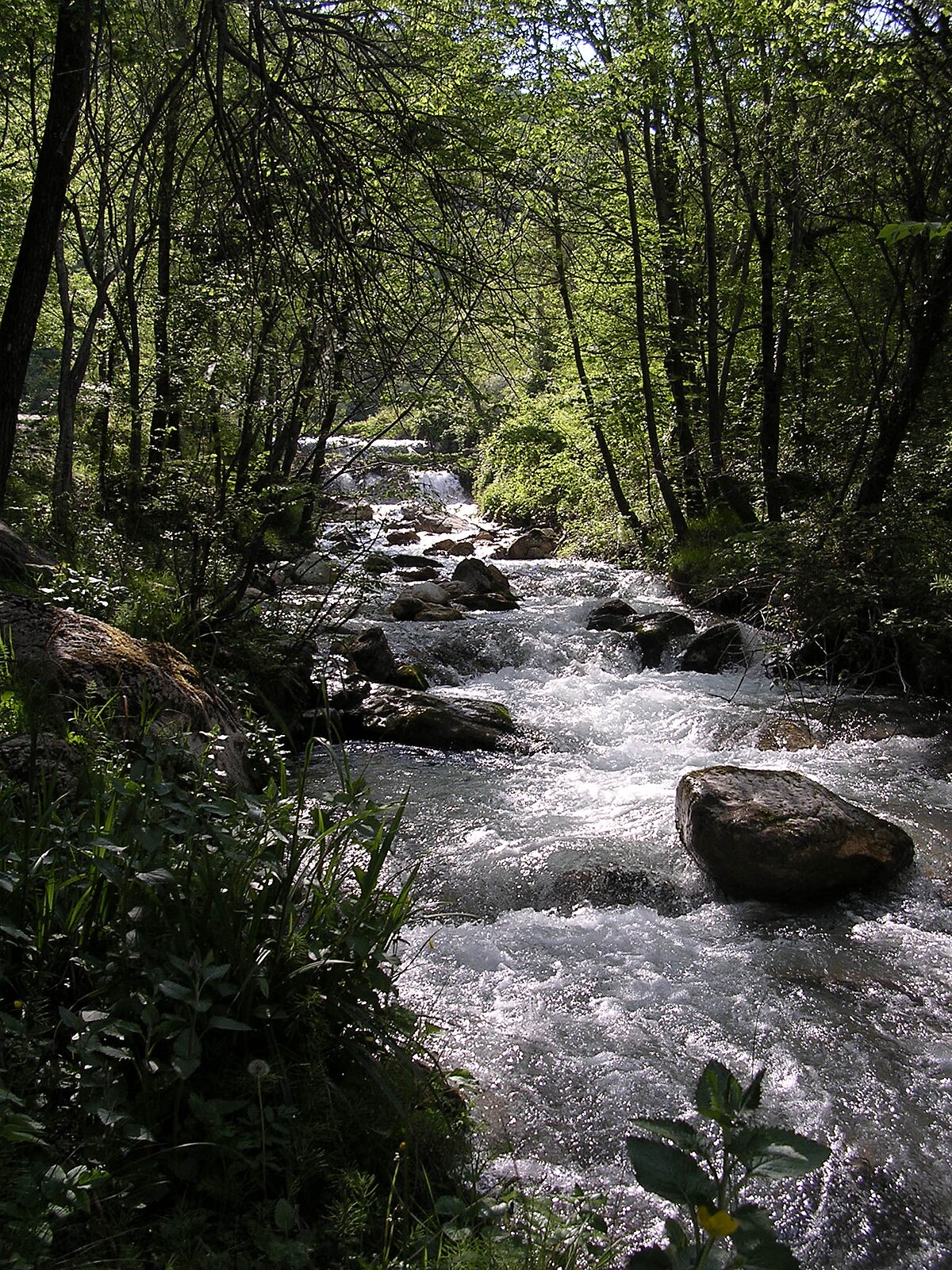
The Ambro River is a picturesque waterway in the Marche region of Italy, known for its serene landscapes and ecological significance.

Ancient Ostra
📍 marche, Italy
Ancient Ostra is an archaeological site located in Marche, Italy, notable for its remnants of an ancient Roman city that offers insights into …

Ancona
📍 marche, Italy
Ancona is a historic city in the Marche region of Italy, renowned for its stunning coastal views and significant maritime heritage.

Antiquarium of Palazzone
📍 marche, Italy
The Antiquarium of Palazzone is a museum located in Perugia, Italy, renowned for its collection of artifacts that showcase the region's rich …
Archivio Diocesano e Biblioteca dell'Arcidiocesi di Pesaro
📍 marche, Italy
The Archivio Diocesano e Biblioteca dell'Arcidiocesi di Pesaro is a conservation library in Marche, Italy, renowned for its extensive collection of …
Archivio e Biblioteca della Cattedrale di S. Rufino (Duomo)
📍 marche, Italy
The Archivio e Biblioteca della Cattedrale di S. Rufino (Duomo) is a historical library and archive located in Assisi, Italy, renowned for its rich …
More Theatre Building

Ancient theatre of Taormina
📍 sicily, Italy
The Ancient Theatre of Taormina is an ancient Greek theatre located in Sicily, Italy, renowned for its impressive architecture and stunning views of …
Anfiteatro Correa
📍 lazio, Italy
The Anfiteatro Correa is a former theatre building in Rome, Italy, known for its historical significance and architectural legacy from 1780 to 1936.
Arena Cinecittà Teatro San Quirico
📍 tuscany, Italy
The Arena Cinecittà Teatro San Quirico is a historic theatre building in Florence, Italy, renowned for its cultural performances and artistic …

Arena del Sole
📍 tuscany, Italy
The Arena del Sole is a historic theatre building located in Bologna, Italy, renowned for its architectural elegance and vibrant cultural …

Arena dello Stretto
📍 sicily, Italy
The Arena dello Stretto is a historic theatre building located in Reggio Calabria, Italy, renowned for its architectural elegance and cultural …
Auditorium al Duomo
📍 tuscany, Italy
The Auditorium al Duomo is a prominent theatre building located in Florence, Italy, known for its architectural elegance and cultural significance in …