


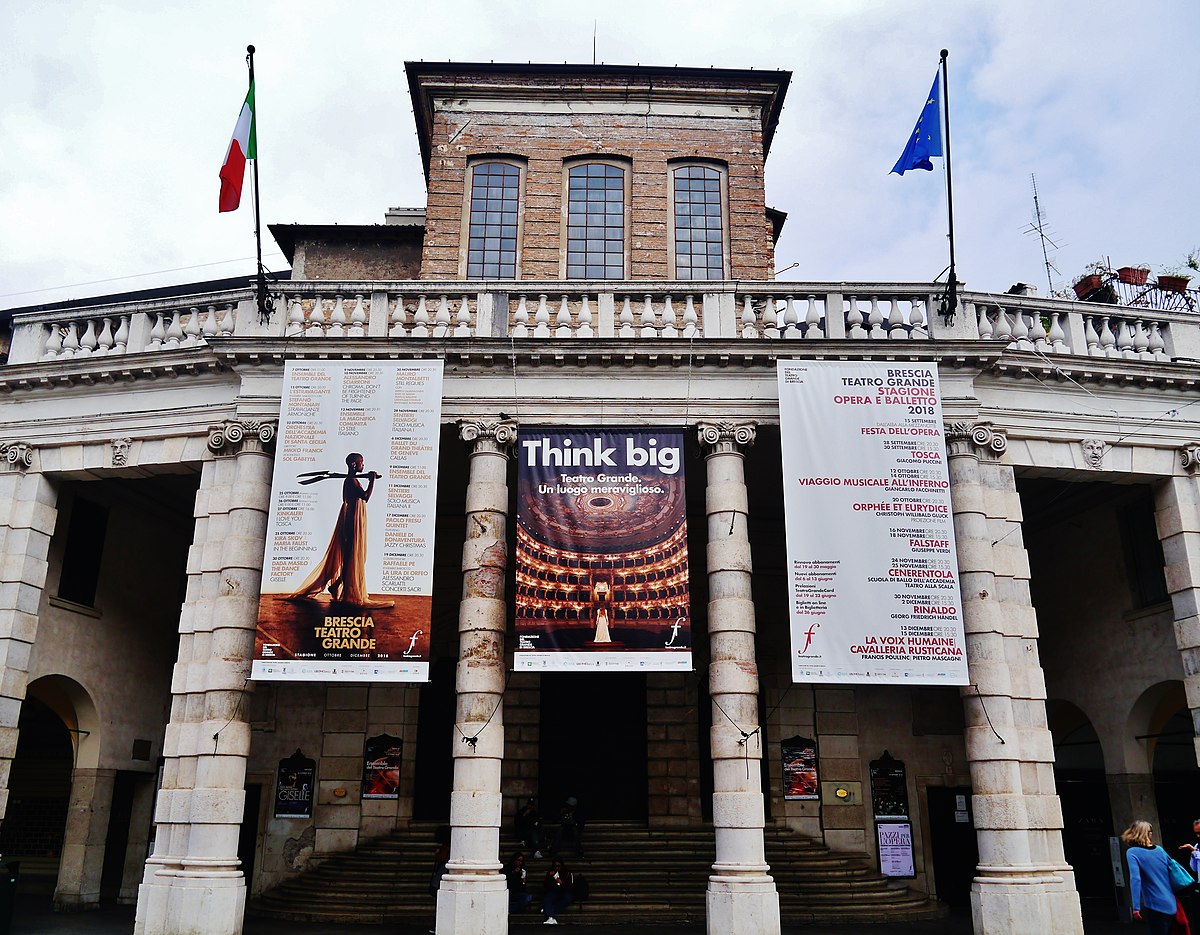


Teatro Grande
Overview
The Teatro Grande, situated in the heart of Brescia, Lombardy, is a remarkable theatre and opera house that has served as a cultural hub for over a century. With its grand façade and intimate interior, this venue has played a pivotal role in the region’s artistic landscape, hosting a variety of performances that range from opera to contemporary theatre. The theatre is not only an architectural marvel but also a symbol of the city’s rich cultural heritage. Visitors to the Teatro Grande can expect not only artistic excellence but also a glimpse into the storied past of Italian theatre. As you explore this iconic venue, you’ll discover the blend of history, performance, and community that makes it a vital part of Brescia’s identity.
History and Significance
The history of Teatro Grande is deeply intertwined with the cultural evolution of Brescia. Originally commissioned in the late 19th century, the theatre quickly became a central venue for operatic performances and theatrical productions, reflecting the artistic trends of its time. The establishment of the Teatro Grande marked a significant shift in the cultural landscape of Brescia, as it provided a dedicated space for the performing arts in a city that had long been known for its vibrant artistic community.
Over the decades, the theatre has hosted countless performances, showcasing both classical masterpieces and contemporary works. The Teatro Grande is not just a venue; it is a cultural landmark that has witnessed the rise and fall of various artistic movements. Throughout its history, it has been home to renowned artists and performers, contributing to the city’s reputation as a centre for the arts in Italy.
Significantly, the theatre has also been a place for community engagement, where local talent has been nurtured and celebrated. Its continued operation and relevance demonstrate the enduring love for the performing arts in Brescia. Today, the Teatro Grande stands as a testament to the region’s commitment to fostering cultural expressions and preserving its artistic heritage.
Architecture and Features
The architectural design of Teatro Grande is a reflection of the neoclassical style that was prevalent during its construction. The theatre features an impressive façade characterized by intricate decorations and grand columns that create an inviting presence. As visitors approach, they are greeted by a large entrance that beckons them into the world of performance.
Inside, the auditorium is notable for its intimate yet grand atmosphere. The seating arrangement is designed to enhance acoustics, ensuring that every note sung or spoken resonates beautifully throughout the space. The ornate ceiling is adorned with elaborate frescoes that depict various allegorical figures, contributing to the theatre’s aesthetic appeal.
Moreover, the theatre is equipped with modern amenities while retaining its historical charm, allowing for a seamless experience for both performers and audiences. The blend of old-world elegance and contemporary functionality makes Teatro Grande a unique venue for a wide range of performances.
Visiting Information
When planning a visit to Teatro Grande, it’s essential to consider various factors to enhance your experience. The theatre is accessible via public transportation, making it convenient for both locals and tourists to reach. Check the official website for current information on hours and ticket prices, as these can vary depending on the performance schedule.
Typically, visitors can expect to spend around 1-2 hours at the theatre, which includes time for the performance as well as exploration of the venue itself. To fully enjoy what Teatro Grande has to offer, consider attending a performance during the evening when the theatre is alive with activity and energy.
The best times to visit are during the theatre’s main performance seasons, which often feature a diverse array of shows. Be sure to check the official website for details on upcoming events and ticket availability.
Nearby Attractions
Brescia is home to a variety of attractions that complement a visit to Teatro Grande. Nearby, you can explore:
- Castello di Brescia - This majestic castle offers panoramic views of the city and houses several museums that detail the history of Brescia.
- Piazza della Loggia - An architectural masterpiece, this square is surrounded by beautiful buildings and is a great spot for a leisurely stroll or a coffee break.
- Museo di Santa Giulia - A UNESCO World Heritage site, this museum showcases the rich history of Brescia through its extensive collection of art and artifacts.
- Duomo Vecchio - Known as the Old Cathedral, this stunning church is a prime example of Romanesque architecture and is located just a short walk from the theatre.
These nearby attractions provide a well-rounded experience of Brescia’s cultural and historical offerings.
Insider Tips
To make the most of your visit to Teatro Grande, consider these insider tips:
- Photography: While photography is often allowed during performances, it’s best to check the specific regulations in advance. Capture the theatre’s stunning architecture during intermissions or before the show begins.
- Crowd Avoidance: To avoid large crowds, consider attending performances on weekdays or during off-peak seasons. This will allow you to enjoy a more intimate experience.
- Plan Ahead: If you’re interested in attending a specific performance, book your tickets in advance, as popular shows often sell out quickly.
Practical Information
When visiting Teatro Grande, there are some practical considerations to keep in mind:
- What to Bring: It’s recommended to bring a light jacket or sweater, as the theatre can be cool, especially in the evening. Comfortable shoes are also advisable for walking around the venue and nearby attractions.
- Seasonal Considerations: The theatre hosts performances year-round, but the schedule may vary with the seasons. Check the official website for seasonal highlights or festivals that may be taking place during your visit.
Frequently Asked Questions
How long should I spend visiting?
Plan to spend around 1-2 hours at Teatro Grande, allowing time for the performance and exploration of the venue.
Is photography allowed?
Photography policies vary by performance; it’s best to check in advance. You can take photos of the theatre’s interior before or after the show.
Are there guided tours?
Check the official website for information on guided tours, as they may be offered during specific times or events.
What’s the best time to visit?
The best time to visit is during the main performance seasons when the theatre is most active and vibrant.
Is it wheelchair accessible?
Teatro Grande aims to accommodate all visitors, but it’s advisable to check the official website for specific accessibility information.
Can I buy tickets online?
Yes, tickets can typically be purchased online through the official Teatro Grande website.
Are there restrooms and cafes?
Yes, the theatre has restrooms and may offer refreshment options. Check the official website for details on amenities.
What should I wear?
Smart casual attire is generally appropriate for performances at Teatro Grande, though the dress code may vary depending on the event.
Visiting Teatro Grande not only connects you to the vibrant cultural scene of Brescia but also allows you to experience the beauty of Italian theatre in a historic setting. Whether you are an avid theatre-goer or a casual visitor, the Teatro Grande promises a memorable experience steeped in artistry and community spirit.
Photo Gallery
Visit Information
Quick Facts
- Heritage Type
- Theatre Building
- Region
- lombardy
- Wikidata ID
- Q1407816
More in lombardy
Abbazia dei SS. Pietro e Paolo
📍 lombardy, Italy
The Abbazia dei SS. Pietro e Paolo is a historic monastery located in Lombardy, Italy, known for its serene atmosphere and cultural significance.

Abbazia dell'Acquafredda
📍 lombardy, Italy
The Abbazia dell'Acquafredda is a serene monastery located in Lombardy, Italy, near Lake Como, known for its tranquil atmosphere and historical …
Abbazia di S. Giovanni
📍 lombardy, Italy
The Abbazia di S. Giovanni is a historic monastery located in Lombardy, Italy, known for its serene atmosphere and architectural simplicity.
abbazia di San Giovanni
📍 lombardy, Italy
The abbazia di San Giovanni is a historic monastery located in Vertemate con Minoprio, Italy, known for its tranquil ambiance and architectural …

Abbazia di San Nicola (Rodengo Saiano)
📍 lombardy, Italy
The Abbazia di San Nicola is a historic monastery located in Rodengo Saiano, Italy, renowned for its architectural beauty and tranquil ambiance.
Abbey of Cavatigozzi
📍 lombardy, Italy
The Abbey of Cavatigozzi is a historic monastery located in Lombardy, Italy, renowned for its serene ambiance and architectural beauty.
More Theatre Building

Ancient theatre of Taormina
📍 sicily, Italy
The Ancient Theatre of Taormina is an ancient Greek theatre located in Sicily, Italy, renowned for its impressive architecture and stunning views of …
Anfiteatro Correa
📍 lazio, Italy
The Anfiteatro Correa is a former theatre building in Rome, Italy, known for its historical significance and architectural legacy from 1780 to 1936.
Arena Cinecittà Teatro San Quirico
📍 tuscany, Italy
The Arena Cinecittà Teatro San Quirico is a historic theatre building in Florence, Italy, renowned for its cultural performances and artistic …

Arena del Sole
📍 tuscany, Italy
The Arena del Sole is a historic theatre building located in Bologna, Italy, renowned for its architectural elegance and vibrant cultural …

Arena dello Stretto
📍 sicily, Italy
The Arena dello Stretto is a historic theatre building located in Reggio Calabria, Italy, renowned for its architectural elegance and cultural …
Auditorium al Duomo
📍 tuscany, Italy
The Auditorium al Duomo is a prominent theatre building located in Florence, Italy, known for its architectural elegance and cultural significance in …