


Tarquinia
Overview
Situated on the western coast of Italy, Tarquinia is a remarkable city-state that offers visitors a fascinating glimpse into the Etruscan civilization, which thrived in central Italy before the rise of Rome. Established around the 8th century BC, Tarquinia was one of the most powerful cities of the Etruscan League, known for its wealth, art, and influence. The city is particularly famous for its extensive necropolis, which contains thousands of tombs adorned with vibrant frescoes depicting scenes of daily life, mythology, and funerary rituals. These artworks not only highlight the artistic prowess of the Etruscans but also provide valuable insights into their beliefs and societal structures.
Visitors to Tarquinia can explore the ancient ruins, experience the local culture, and enjoy the picturesque landscape that surrounds the city. The combination of archaeological significance and natural beauty makes Tarquinia a must-visit destination for history enthusiasts and travelers alike. As you wander through its ancient streets, you will encounter a unique blend of history and culture that continues to captivate those who come to explore this enchanting site.
History and Significance
Tarquinia’s history is deeply intertwined with the Etruscan civilization, which flourished in Italy from the 8th century BC until it was gradually absorbed into the Roman Republic. Tarquinia was not only a political powerhouse but also a cultural center, with its influence extending across the Mediterranean. The city was a hub for trade and commerce, which contributed to its wealth and development.
The Etruscans are known for their advanced society, which featured complex social structures, artistic achievements, and religious practices. Tarquinia’s necropolis, a UNESCO World Heritage Site, contains more than 6,000 tombs, many of which are elaborately decorated with frescoes. These tombs serve as vital archaeological sources that shed light on Etruscan life, beliefs, and customs. The artistry found in these tombs is considered some of the finest from the Etruscan period, showcasing themes of human emotion, mythology, and the afterlife.
The decline of the Etruscan civilization began around the 5th century BC as Rome’s power expanded. By the time of the Roman conquest, Tarquinia had already begun to lose its prominence. However, the city remained an important site throughout the Roman era and beyond, with its historical significance recognized by scholars and archaeologists alike.
Today, Tarquinia stands as an essential site for understanding Etruscan culture and its contributions to the development of ancient Rome. Through ongoing archaeological efforts, researchers continue to uncover new findings that enrich our knowledge of this fascinating civilization.
Architecture and Features
The architecture of Tarquinia reflects its Etruscan heritage, characterized by its ancient ruins and the remains of its once-thriving city-state. The most significant features include the extensive necropolis, which is located just outside the city and is regarded as one of the largest and most important burial sites of the Etruscans.
The tombs within the necropolis are remarkable for their size and artistic embellishments. Many of them are built in the shape of houses and are adorned with frescoes that vividly depict scenes from mythology, daily life, and elaborate funerary rituals. The Tomb of the Diver, one of the most famous, showcases a unique banquet scene that provides insight into Etruscan beliefs about the afterlife.
In addition to the necropolis, the city itself features remnants of ancient walls, temples, and public spaces that reveal its former grandeur. Although much of the architecture has been lost to time, the remaining structures offer a glimpse into the sophisticated engineering and design of the Etruscans.
Visitors can also explore the Museo Nazionale Tarquiniense, which houses a collection of artifacts excavated from the necropolis and surrounding areas. The museum features pottery, sculptures, and other items that highlight the artistic achievements and daily life of the Etruscans.
Visiting Information
Getting to Tarquinia is relatively straightforward. The city is accessible by car or public transportation from major cities like Rome and Florence. The nearest train station is in Tarquinia, with regular connections to Rome, making it easy for travelers to plan a day trip.
When planning your visit, it’s essential to check the official website for current information regarding hours and ticket prices. Visitors typically spend around three to four hours exploring the necropolis and the museum. The best time to visit is during the spring and fall when the weather is mild and conducive to outdoor exploration.
Expect to encounter a range of experiences in Tarquinia, from wandering through ancient tombs to enjoying local cuisine in nearby eateries. The atmosphere is generally relaxed, allowing visitors to soak in the history and culture at their own pace.
Nearby Attractions
- Civita di Bagnoregio: Often referred to as the “dying town,” this picturesque hilltop village is known for its stunning views and ancient architecture.
- Viterbo: This medieval town is famous for its well-preserved historic center, hot springs, and the Palazzo dei Papi.
- Tarquinia’s Beach: Located just a short distance from the city, the beach offers opportunities for relaxation and water activities during the summer months.
- Castello di Santa Severa: This historic castle along the coast features breathtaking views and a museum showcasing the area’s maritime history.
- Bolsena Lake: A beautiful volcanic lake nearby, ideal for picnicking, swimming, and enjoying nature.
Insider Tips
For the best photography opportunities, consider visiting the necropolis early in the morning or late in the afternoon when the light is softer. To avoid crowds, plan your visit on weekdays and during the off-peak months of late fall or early spring. Take your time to fully appreciate the intricate details of the tomb frescoes and the serene atmosphere of the necropolis.
Practical Information
When visiting Tarquinia, it’s advisable to wear comfortable shoes, as you will be walking on uneven surfaces in both the necropolis and the city. Bring water and snacks, especially if you plan to explore the area for several hours. The weather can vary, so check the forecast and dress accordingly. Summer months can be hot, while spring and fall provide more temperate conditions for sightseeing.
Frequently Asked Questions
How long should I spend visiting?
A visit to Tarquinia typically takes about three to four hours, allowing time to explore the necropolis and the museum.
Is photography allowed?
Photography is generally permitted in the necropolis, but it’s advisable to check for specific restrictions in the museum.
Are there guided tours?
Yes, guided tours are available for both the necropolis and the museum, providing in-depth information about Etruscan history and culture.
What’s the best time to visit?
The best times to visit Tarquinia are during the spring and fall when the weather is mild and the tourist crowds are thinner.
Is it wheelchair accessible?
Some areas of the necropolis may be challenging to navigate for those with mobility issues, so it’s recommended to check accessibility options beforehand.
Can I buy tickets online?
Check the official website for information regarding online ticket purchases and any available discounts.
Are there restrooms and cafes?
Yes, facilities are available near the museum and some areas of the necropolis. However, it’s advisable to bring snacks and water for longer visits.
What should I wear?
Comfortable clothing and shoes are recommended, as you will be walking on uneven terrain and may spend extended periods outdoors.
Photo Gallery
More in lazio
Abatino Park
📍 lazio, Italy
The Abatino Park is a serene natural park located in Lazio, Italy, offering visitors a peaceful retreat with lush landscapes and recreational …
Abbazia di Santa Maria di Ponza
📍 lazio, Italy
The Abbazia di Santa Maria di Ponza is a Cistercian monastery on Ponza Island, Italy, renowned for its serene atmosphere and historical significance.

Academia Belgica
📍 lazio, Italy
The Academia Belgica is a Belgian cultural institution located in Rome, Italy, notable for its role in promoting Belgian heritage and fostering …
Accademia di Belle Arti di Frosinone
📍 lazio, Italy
The Accademia di Belle Arti di Frosinone is an educational institution in Frosinone, Italy, renowned for its commitment to fostering artistic talent …
Acqua Vergine
📍 lazio, Italy
Acqua Vergine is a modern aqueduct located in Rome, Italy, known for its engineering marvel and role in the city's water supply system.

Acquedotto delle Arcatelle
📍 lazio, Italy
The Acquedotto delle Arcatelle is a 17th-century aqueduct located in Tarquinia, Italy, recognized for its impressive architectural design and …
More City-State

Alba Longa
📍 lazio, Italy
Alba Longa is an ancient city-state in Lazio, Italy, known for its historical significance as the legendary birthplace of Rome and rich cultural …

Caere
📍 lazio, Italy
Caere, an ancient Etruscan metropolis located in Lazio, Italy, is renowned for its archaeological significance and well-preserved necropolises.
Clusium
📍 tuscany, Italy
The ancient Etruscan city-state of Clusium in Tuscany, Italy, is renowned for its archaeological significance and rich cultural heritage.
Corniculum
📍 lazio, Italy
Corniculum is an ancient Latin town in Lazio, Italy, renowned for its historical significance as a former city-state and cultural center.

Free Territory of Trieste
📍 friuli-venezia-giulia, Italy
The Free Territory of Trieste is a historic city-state located in Friuli-Venezia Giulia, Italy, renowned for its unique status and rich cultural …
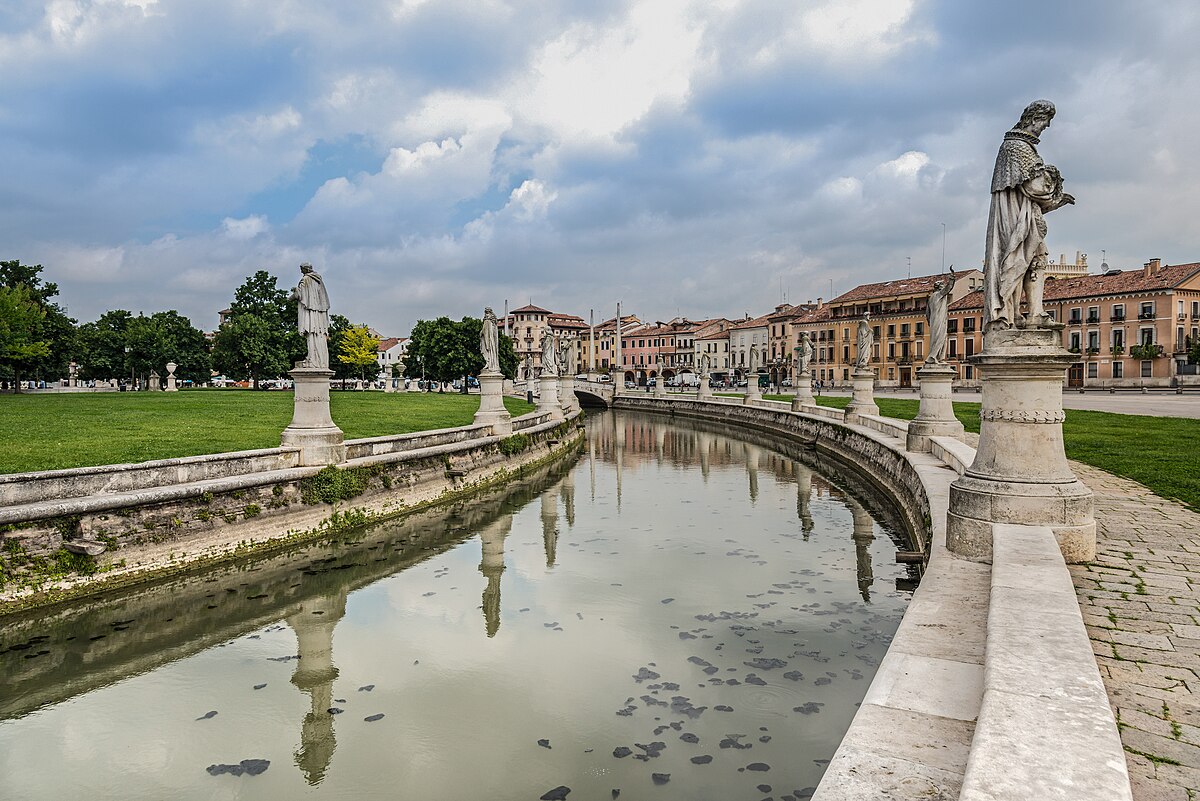
Padua
📍 veneto, Italy
Padua is a historic city-state in Veneto, Italy, renowned for its rich cultural heritage and stunning architecture, including the famous Scrovegni …