

Taranto
Overview
Taranto, a coastal city in the Apulia region of Italy, is steeped in history and offers a unique blend of cultural influences. Founded by the Spartans in the 8th century BC, it has evolved into an important maritime center, characterized by its strategic location along the Ionian Sea. The city is renowned for its beautiful architecture, including ancient ruins, medieval structures, and vibrant waterfronts. Taranto’s significance extends beyond its historical roots, as it plays a vital role in modern Italian industry and naval activities.
Visitors to Taranto can expect to experience a city that embodies both ancient traditions and contemporary life. The rich tapestry of its history is reflected in its museums, archaeological sites, and festivals, making it an intriguing destination for travelers interested in culture and heritage. Whether you’re wandering through the narrow streets of the old town or enjoying the lively atmosphere along the waterfront, Taranto promises a captivating experience infused with the spirit of its storied past.
History and Significance
Taranto’s history dates back to its founding by Spartan settlers who established the city as a military and trading outpost. Its strategic location made it a crucial port for maritime trade in the Mediterranean, leading to its prosperity during ancient times. The city flourished under the rule of various empires, including the Romans, who recognized its significance. Taranto’s importance continued throughout the Middle Ages and into the Renaissance, with the construction of impressive fortifications and buildings that reflect its evolving identity.
The city has been influenced by a variety of cultures over the centuries, including Greek, Roman, Byzantine, and Norman. Each of these cultures has left its mark on Taranto, contributing to its rich architectural and cultural heritage. The city played a pivotal role in the naval history of Italy, particularly during the two World Wars, as it served as a key naval base.
Today, Taranto is recognized not only for its historical significance but also for its vibrant cultural scene. Festivals celebrating local traditions and maritime heritage are held throughout the year, attracting visitors and fostering a sense of community among residents. The city’s museums and archaeological sites offer insights into its past, making it a valuable destination for those interested in history and culture.
Architecture and Features
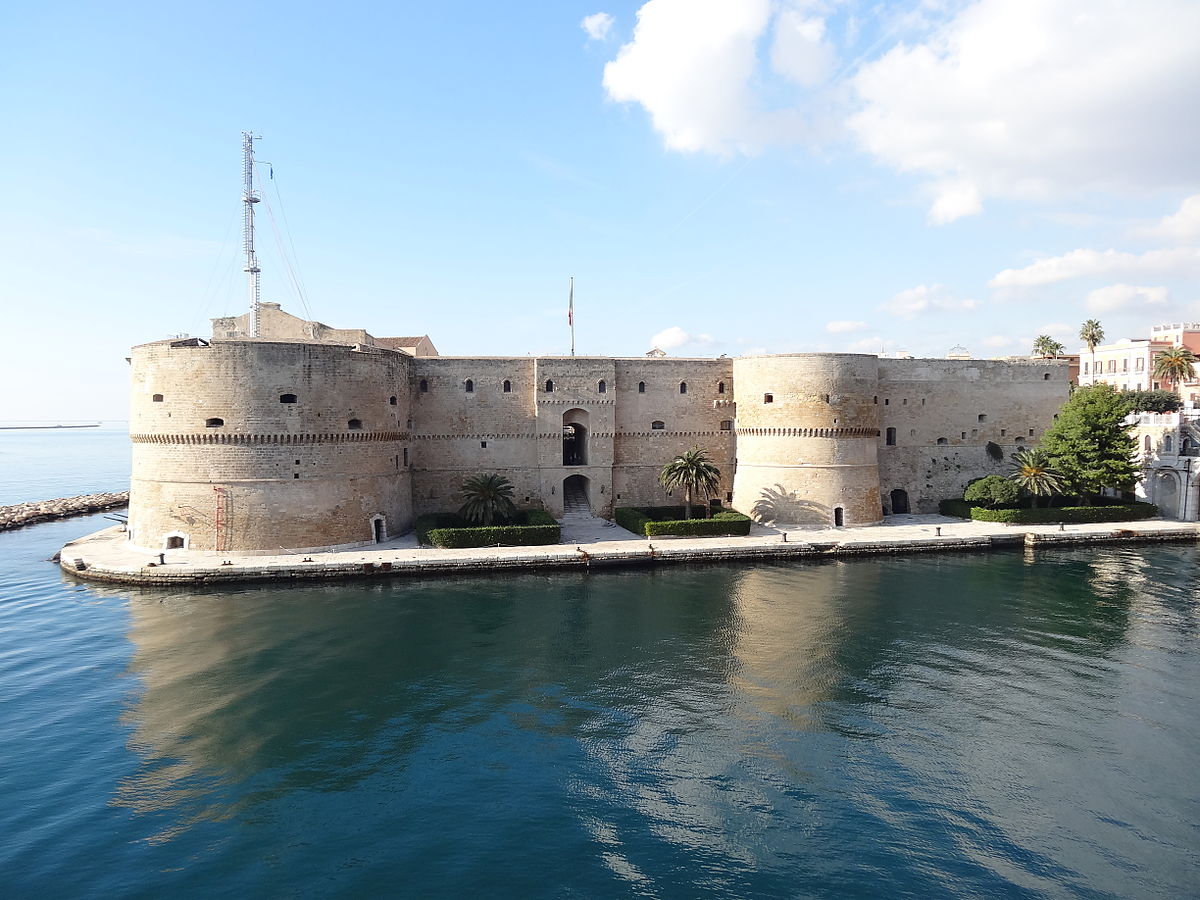
Taranto’s architecture is a testament to its diverse history, with influences from various periods visible throughout the city. The old town, or “Città Vecchia,” is characterized by narrow streets, ancient churches, and remnants of its former fortifications. Notable landmarks include the Aragonese Castle, which dates back to the 15th century and offers a glimpse into the city’s military past. The castle’s imposing structure overlooks the harbor and provides stunning views of the surrounding area.
Another significant feature of Taranto is the Cathedral of San Cataldo, a remarkable example of Apulian Romanesque architecture. The cathedral, dedicated to the city’s patron saint, showcases intricate artwork and a stunning bell tower. Additionally, the city’s waterfront promenade is a lively area where locals and visitors can enjoy the sea breeze and picturesque views of the harbor.
Taranto also has several archaeological sites, including the National Archaeological Museum, which houses artifacts from the ancient Greek and Roman periods. This museum is essential for understanding the city’s historical context and the significance of its maritime heritage. The blend of ancient and modern architecture throughout Taranto creates a unique atmosphere that reflects the city’s rich cultural heritage.
Visiting Information
Getting to Taranto is relatively straightforward, with various transportation options available. The city is accessible by train, bus, and car, making it easy for visitors to explore the region. The nearest major airport is in Brindisi, approximately 80 kilometers away, offering connections to other Italian cities and international destinations.
When planning your visit, it’s essential to check the official website for current information on opening hours and entrance fees for attractions. Allocate at least a day to explore Taranto, as there are numerous sites and experiences to enjoy. The best times to visit are during the spring and fall months, when the weather is mild and ideal for walking around the city.
Expect to encounter a mix of locals and tourists in Taranto, especially during popular festivals and events. The city’s vibrant atmosphere is enhanced by its bustling markets, where visitors can sample local cuisine and purchase handmade crafts. Be prepared for a lively experience, particularly along the waterfront, where the community gathers to socialize and celebrate their heritage.
Nearby Attractions
While Taranto itself is rich in history and culture, several nearby attractions offer additional opportunities for exploration.
Grottaglie: Known for its ceramics, Grottaglie is a short drive from Taranto and features numerous artisan workshops and a charming historic center.
Martina Franca: This picturesque town is famous for its Baroque architecture and beautiful surrounding countryside. It’s an ideal place to experience traditional Apulian culture.
Alberobello: Recognized for its iconic trulli houses, Alberobello is a UNESCO World Heritage site that showcases unique architectural styles and offers a glimpse into rural life.
Grotte di Castellana: Located about an hour’s drive from Taranto, these impressive caves feature stunning stalactites and stalagmites, making for an unforgettable natural experience.
Polignano a Mare: A breathtaking coastal town known for its dramatic cliffs and crystal-clear waters. It’s a perfect spot for a day trip to enjoy the beach and local cuisine.
Insider Tips
To enhance your visit to Taranto, consider the following insider tips:
Photography: The best spots for photography include the Aragonese Castle, the waterfront promenade, and the narrow streets of the old town. Early morning or late afternoon light provides ideal conditions for capturing the city’s charm.
Crowd Avoidance: To experience Taranto with fewer crowds, visit popular attractions during weekdays. Early mornings or late afternoons are also less busy times.
Local Cuisine: Don’t miss trying local specialties such as “orecchiette” pasta and fresh seafood dishes. Visiting local markets can also provide insight into regional culinary traditions.
Practical Information
When visiting Taranto, it’s advisable to bring comfortable walking shoes, as many areas are best explored on foot. The city can be warm during the summer months, so lightweight clothing and sunscreen are recommended.
Be sure to check seasonal considerations, as some attractions may have limited hours or special events during certain times of the year. Additionally, a reusable water bottle is a good idea to stay hydrated while exploring.
Frequently Asked Questions
How long should I spend visiting?
A full day is recommended to explore Taranto properly, allowing time to visit key attractions and enjoy the local cuisine.
Is photography allowed?
Yes, photography is generally allowed in public areas and most attractions, but always check for specific rules at individual sites.
Are there guided tours?
Yes, guided tours are available in Taranto, offering insights into the city’s history and culture. Check local tourism offices for options.
What’s the best time to visit?
Spring (April to June) and fall (September to October) are ideal for visiting, due to pleasant weather and fewer tourists.
Is it wheelchair accessible?
Many areas of Taranto have limited wheelchair accessibility. It’s advisable to check specific sites in advance for their facilities.
Can I buy tickets online?
Some attractions may offer online ticket sales, but it’s best to check the official websites for current information.
Are there restrooms and cafes?
Yes, public restrooms and cafes are available throughout the city, particularly in tourist areas.
What should I wear?
Dress comfortably and consider wearing layers, as temperatures can vary throughout the day. Lightweight clothing is recommended for warmer months.
Photo Gallery
Location
Visit Information
Quick Facts
- Heritage Type
- City
- Region
- apulia
- Wikidata ID
- Q13498
More in apulia

Abbazia di Santa Maria a Cerrate (Lecce)
📍 apulia, Italy
The Abbazia di Santa Maria a Cerrate is an ancient church building located in Lecce, Italy, renowned for its historical significance and architectural …
Abbey of San Leonardo di Siponto
📍 apulia, Italy
The Abbey of San Leonardo di Siponto is a historic church building located in Apulia, Italy, renowned for its architectural significance and cultural …

Abbey of Santa Maria a Mare
📍 apulia, Italy
The Abbey of Santa Maria a Mare is a historic monastery located in Isole Tremiti, Italy, renowned for its serene ambiance and architectural elegance.

Adriatico bridge
📍 apulia, Italy
The Adriatico Bridge is a remarkable bridge located in Bari, Italy, known for its striking design and significance in connecting the city to its …

Agri
📍 apulia, Italy
The Agri River is a significant waterway in Apulia, Italy, known for its scenic beauty and ecological importance, flowing through lush landscapes and …
Alca - Museum and public library
📍 apulia, Italy
Alca - Museum and Public Library is a cultural complex located in Maglie, Italy, renowned for its rich collection of resources and community programs.
More City

Agrigento
📍 sicily, Italy
Agrigento is a historic city in Sicily, Italy, renowned for its ancient ruins and the Valley of the Temples, a UNESCO World Heritage Site showcasing …

Albenga
📍 liguria, Italy
Albenga is an Italian urban comune located in the Liguria region, known for its medieval architecture and rich historical significance.

Alessandria
📍 lombardy, Italy
Alessandria is a historic city in Lombardy, Italy, known for its intriguing blend of cultural heritage and architectural features.

Ancona
📍 marche, Italy
Ancona is a historic city in the Marche region of Italy, renowned for its stunning coastal views and significant maritime heritage.

Andria
📍 apulia, Italy
Andria is a city in Apulia, Italy, known for its unique blend of historical architecture and cultural significance, particularly the stunning Castel …
Arretium
📍 tuscany, Italy
Arretium is an ancient city in Tuscany, Italy, recognized for its historical significance as a human settlement and its rich cultural heritage.