


Synagogue of Pesaro
Overview
The Synagogue of Pesaro, a significant site in the Marche region, offers visitors a glimpse into the rich Jewish heritage that once flourished in this part of Italy. Located in the coastal city of Pesaro, the synagogue is not just a place of worship but also a symbol of the Jewish community’s historical presence in the region. While the exact origins of the building are not well-documented, it stands as a reminder of the cultural diversity that has characterized Pesaro over the centuries.
Pesaro, with its picturesque coastline and vibrant history, was home to a thriving Jewish community, particularly during the Renaissance. Today, the synagogue serves as a focal point for those interested in the intersection of Jewish history and Italian culture. Visitors can explore the building and appreciate its significance, both as a religious site and a cultural landmark, reflecting the enduring legacy of Jewish life in Italy.
History and Significance
While specific historical records concerning the Synagogue of Pesaro may be sparse, the presence of a Jewish community in the region dates back several centuries. Historically, Pesaro was known for its welcoming environment, which allowed various communities, including Jews, to flourish. The synagogue represents the architectural and cultural contributions of Jews in Italy, particularly during periods of relative peace.
In the broader context of Italian Jewish history, synagogues often served not only as places of worship but also as community centers. They were vital in the social and cultural lives of the Jewish people in Italy, where they engaged in trade, scholarship, and the arts. The Synagogue of Pesaro likely played a similar role, fostering a sense of identity and continuity within the Jewish community.
The synagogue is a testament to the resilience of Jewish culture in the face of adversity. Despite challenges over the years, including periods of persecution and displacement, the Jewish community’s spirit endures. The synagogue stands as a reminder of this enduring legacy, inviting visitors to reflect on the complexities of history and the importance of cultural preservation.
Architecture and Features
The Synagogue of Pesaro is characterized by its unique architectural style, which reflects the influences of both Jewish and Italian design elements. The building’s exterior may not be immediately striking, but it encompasses significant details that showcase its cultural significance. Typically, synagogues exhibit features that distinguish them from other religious structures, and this one is no exception.
Inside, the synagogue may contain traditional elements such as the bimah (a raised platform for reading the Torah) and the ark (the cabinet that houses the Torah scrolls), which are key components of any synagogue’s interior. These features are often adorned with intricate designs and inscriptions, contributing to the sacred atmosphere of the space.
While the specific architectural details of the Synagogue of Pesaro might not be extensively documented, synagogues often incorporate local materials and artistic styles, reflecting the community’s integration into the broader cultural landscape. The design likely aims to create a welcoming and contemplative environment for worshippers and visitors alike.
Visiting Information
Visitors to the Synagogue of Pesaro can expect a culturally enriching experience. The synagogue is situated in the heart of Pesaro, making it easily accessible. Travelers can reach Pesaro by train or car, with public transportation options available for those coming from nearby cities.
When planning a visit, it is advisable to check the official website for current information regarding opening hours and any potential entrance fees. The synagogue may have specific days when it is open to the public, and there may be restrictions on visiting during religious services.
A visit to the synagogue typically lasts around one hour, allowing ample time to explore the interior and absorb the atmosphere. The best times to visit are during weekdays when the site is generally quieter, providing a more intimate experience.
For those interested in a more in-depth understanding, guided tours may be available, offering insights into the synagogue’s history, architecture, and the Jewish community in Pesaro.
Nearby Attractions
Pesaro is a vibrant city with a variety of attractions that can complement a visit to the synagogue:
- Palazzo Ducale: This historic palace showcases Renaissance architecture and offers insight into the history of the region.
- Museo Nazionale Rossini: Dedicated to the famous composer Gioachino Rossini, this museum features exhibits on his life and works.
- Piazza del Popolo: The main square of Pesaro is surrounded by beautiful architecture and is a great spot for dining and people-watching.
- Archaeological Museum: This museum houses artifacts that illustrate the ancient history of the Marche region, adding context to your visit.
- Beaches of Pesaro: After exploring historical sites, visitors can relax at the nearby Adriatic beaches, known for their scenic beauty.
Insider Tips
For those planning to visit the Synagogue of Pesaro, consider the following tips to enhance your experience:
- Photography: Be mindful of any restrictions on photography within the synagogue. It’s always best to ask for permission if you’re unsure.
- Timing: To avoid crowds, visit during mid-morning or late afternoon on weekdays. This will provide a more reflective atmosphere.
- Dress Code: As a place of worship, visitors are encouraged to dress respectfully. Modest clothing is appreciated.
- Engage with Locals: If possible, speak with members of the local Jewish community or staff at the synagogue. They can provide invaluable insights and stories that enrich your visit.
Practical Information
When planning your visit to the Synagogue of Pesaro, consider the following practicalities:
- What to Bring: A small bag for personal items, a water bottle, and a notebook for any insights you may want to jot down.
- Seasonal Considerations: The best time to visit Pesaro is during the spring and early autumn when the weather is pleasant, making it ideal for exploration.
- Accessibility: Inquire about accessibility options if you or a companion has mobility challenges, as the building may have limitations.
Frequently Asked Questions
How long should I spend visiting?
A visit typically lasts about one hour, allowing time to explore the interior and soak in the historical significance.
Is photography allowed?
Photography policies may vary, so it’s advisable to check for any restrictions upon arrival.
Are there guided tours?
Check the official website for information on guided tours, which can provide deeper insights into the synagogue’s history and architecture.
What’s the best time to visit?
Weekdays, particularly mid-morning or late afternoon, are often quieter and more conducive to reflection.
Is it wheelchair accessible?
Accessibility may be limited; it’s best to check with the synagogue for specific accommodations.
Can I buy tickets online?
Visit the official website for information regarding ticket purchases and availability.
Are there restrooms and cafes?
Visitor facilities may vary; check for restroom availability and nearby dining options.
What should I wear?
Dress modestly and respectfully, keeping in mind that this is a place of worship.
The Synagogue of Pesaro stands as a significant cultural site, inviting visitors to reflect on the rich Jewish heritage that has shaped the region’s history. Whether you are a history enthusiast, religious pilgrim, or simply a curious traveler, this synagogue offers a meaningful glimpse into the past.
Photo Gallery
More in marche
Ambro
📍 marche, Italy
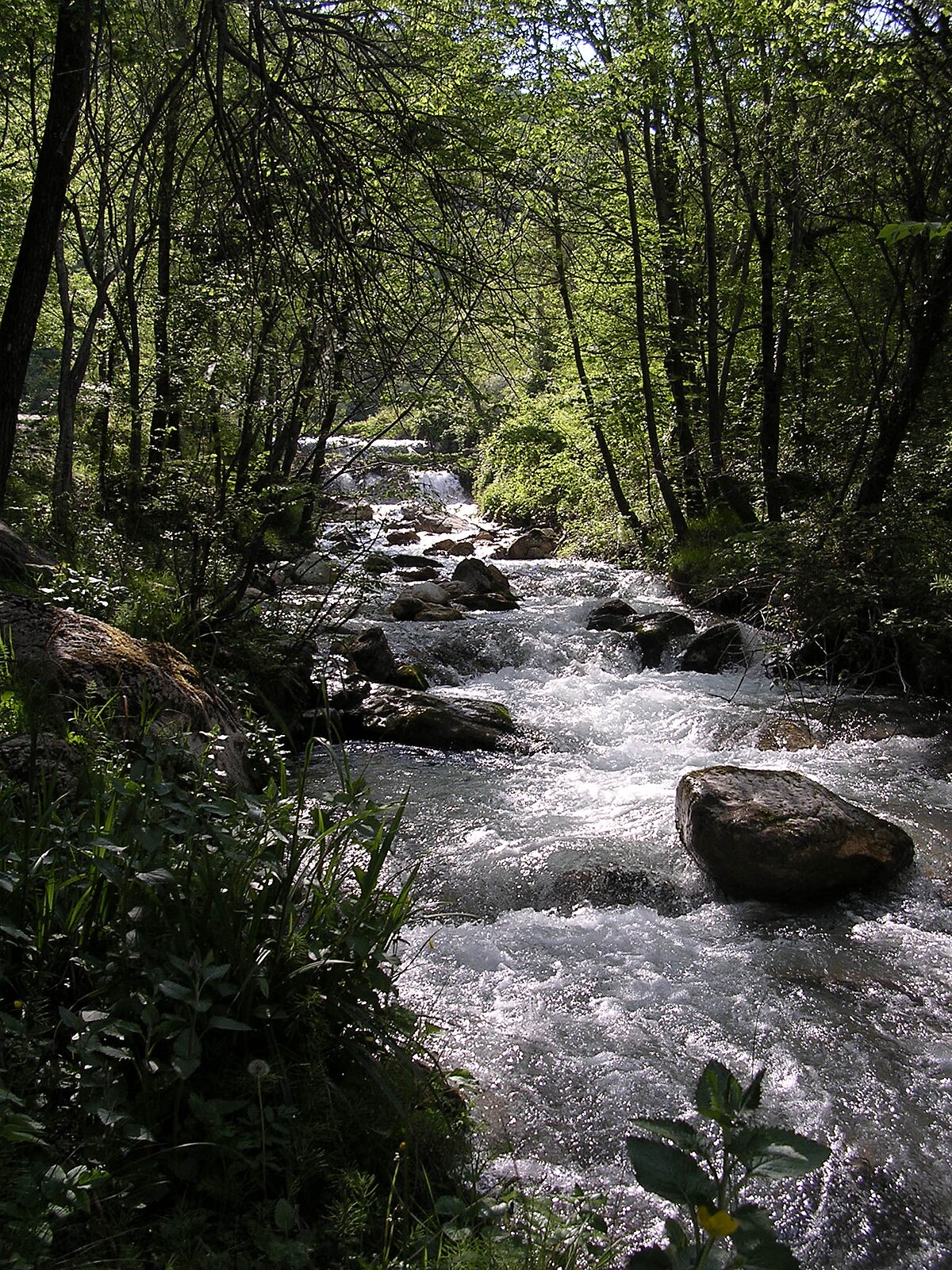
The Ambro River is a picturesque waterway in the Marche region of Italy, known for its serene landscapes and ecological significance.

Ancient Ostra
📍 marche, Italy
Ancient Ostra is an archaeological site located in Marche, Italy, notable for its remnants of an ancient Roman city that offers insights into …

Ancona
📍 marche, Italy
Ancona is a historic city in the Marche region of Italy, renowned for its stunning coastal views and significant maritime heritage.

Antiquarium of Palazzone
📍 marche, Italy
The Antiquarium of Palazzone is a museum located in Perugia, Italy, renowned for its collection of artifacts that showcase the region's rich …
Archivio Diocesano e Biblioteca dell'Arcidiocesi di Pesaro
📍 marche, Italy
The Archivio Diocesano e Biblioteca dell'Arcidiocesi di Pesaro is a conservation library in Marche, Italy, renowned for its extensive collection of …
Archivio e Biblioteca della Cattedrale di S. Rufino (Duomo)
📍 marche, Italy
The Archivio e Biblioteca della Cattedrale di S. Rufino (Duomo) is a historical library and archive located in Assisi, Italy, renowned for its rich …
More Synagogue

Alessandria synagogue
📍 lombardy, Italy
The Alessandria synagogue is a historic place of worship located in Alessandria, Italy, renowned for its architectural beauty and cultural …

antica sinagoga di Castel Goffredo
📍 lombardy, Italy
The antica sinagoga di Castel Goffredo is a historic synagogue located in Lombardy, Italy, known for its architectural features and cultural heritage.

antica sinagoga di Chieri
📍 piedmont, Italy
The antica sinagoga di Chieri is a historic synagogue located in Chieri, Piedmont, Italy, known for its cultural significance and architectural …
antica sinagoga di via San Vitale
📍 tuscany, Italy
The antica sinagoga di via San Vitale is an important synagogue located in Bologna, Italy, celebrated for its historical significance and cultural …

antiche sinagoghe di via delle Oche
📍 tuscany, Italy
The antiche sinagoghe di via delle Oche is a historic synagogue located in Tuscany, Italy, renowned for its architectural beauty and cultural …

Biella Synagogue
📍 piedmont, Italy
The Biella Synagogue is a historic synagogue located in Biella, Italy, known for its architectural features and cultural significance within the …