


Suasa
Overview
Located in the picturesque region of Marche, Suasa is an archaeological site that showcases the remains of a once-thriving ancient Roman city. The site is significant not only for its historical and cultural value but also for its ability to provide a glimpse into the life of Roman civilization. Visitors can explore the ruins that tell stories of urban planning, daily life, and the architectural prowess of the Romans. Situated amidst the gentle hills of the Marche countryside, Suasa serves as an engaging destination for history enthusiasts and casual travelers alike. As you walk through the remnants of this ancient city, you will encounter the echoes of a time long past, making it a unique addition to Italy’s rich tapestry of heritage sites.
History and Significance
The history of Suasa is intertwined with the broader narratives of Roman expansion and urban development. While specific details about its founding and decline might be sparse, it is widely acknowledged that Suasa played a vital role during the Roman era. The site stands as a representation of the Roman approach to city planning, which included a grid layout and various public buildings intended for civic life.
Suasa’s significance extends beyond its physical remains. It highlights the integration of Roman culture in the Marche region, showcasing the blend of local traditions with Roman architectural styles. Many of the structures unearthed at Suasa provide valuable insights into everyday life during the Roman period, encompassing everything from residential buildings to public forums. Archaeological excavations have unveiled artifacts that reflect the social, economic, and cultural dynamics of the time, further enriching our understanding of ancient Roman society.
Visiting Suasa allows one to appreciate the intricacies of Roman urban design and the strategic importance of such settlements in the empire’s expansion. The site’s archaeological significance also contributes to the ongoing study of Roman history and architecture, making it a crucial location for researchers and scholars alike.
Architecture and Features
Suasa’s archaeological remains present a fascinating array of structures that showcase the architectural ingenuity of the Romans. As you explore the site, you will encounter the foundations of various buildings, including residential homes, public baths, and administrative structures. The layout of the city reflects the typical Roman practice of organizing urban spaces, with streets intersecting at right angles, allowing for efficient movement and access to different areas.
One notable feature of Suasa is the remnants of a forum, which served as the center of public life in the city. Forums were typically surrounded by important civic buildings, and although much of the original structure has eroded, the outline provides a sense of its former grandeur. In addition to the forum, the remains of temples and public baths can be identified, offering insights into the religious and social practices of the inhabitants.
The materials used in construction, primarily local stone and brick, illustrate the Romans’ ability to adapt to their environment while employing techniques that would stand the test of time. The architectural features found at Suasa not only highlight the craftsmanship of the builders but also reflect the everyday activities that took place within the city, making it a compelling site for those interested in ancient architecture.
Visiting Information
Reaching Suasa is relatively straightforward, with various transport options available. The site is accessible by car, and there are public transportation options that connect to nearby towns. Given its location in the Marche region, visitors can enjoy a scenic drive through the countryside, enhancing the overall experience.
Check the official website for current information on opening hours and ticket prices. When planning your visit, consider allocating at least a couple of hours to fully explore the site. The best times to visit are during the spring and early fall when the weather is mild, allowing for comfortable exploration of the ruins.
While at Suasa, expect to encounter a serene atmosphere, often devoid of large crowds, which allows for a more intimate experience with the history surrounding you. Guided tours may be available, providing deeper insights into the site’s significance and features.
Nearby Attractions
- Archaeological Park of Castiglione del Lago: This nearby park showcases more Roman ruins and offers a picturesque setting by Lake Trasimeno.
- The Town of Staffolo: A charming hilltop village known for its beautiful landscapes and local cuisine, perfect for a leisurely afternoon.
- The Castles of Jesi: Explore the medieval architecture and history of this nearby town, which also features stunning panoramas of the surrounding hills.
- The Frasassi Caves: Located a bit further afield, these impressive limestone caves provide a natural wonder to complement your archaeological explorations.
- The Abbey of San Vittore alle Chiuse: A historic abbey set in a tranquil landscape, known for its beautiful architecture and spiritual significance.
Insider Tips
When visiting Suasa, it’s advisable to bring a good camera, as the ruins present numerous opportunities for photography, especially with the natural backdrop of the Marche hills. To avoid crowds, try visiting during weekdays or during the early morning hours. This will not only give you a more personal experience but also allow you to appreciate the archaeological features without distractions.
Wear comfortable shoes, as the terrain may be uneven and involves some walking. Additionally, consider packing a water bottle and a light snack, as amenities may be limited at the site.
Practical Information
When planning your visit to Suasa, it’s essential to bring essentials like water, sunscreen, and a hat, especially in the warmer months. The region experiences seasonal variations, so check the weather forecast ahead of your trip to dress appropriately.
As the site may not have extensive visitor facilities, consider bringing snacks or a picnic lunch to enjoy amidst the historic ruins. The best time to visit is in the spring or early autumn when the weather is pleasant and the landscapes are vibrant.
Frequently Asked Questions
How long should I spend visiting?
Visitors typically spend around 2-3 hours exploring the site to fully appreciate the ruins and surroundings.
Is photography allowed?
Yes, photography is generally permitted, but be respectful of any signage regarding restrictions.
Are there guided tours?
Guided tours may be available; check the official website for details on scheduling and availability.
What’s the best time to visit?
The best times are spring and early autumn, offering mild weather and fewer crowds.
Is it wheelchair accessible?
The site may have some areas that are challenging for wheelchair access; check specific details beforehand.
Can I buy tickets online?
Check the official website for information on ticket purchasing options and any potential online availability.
Are there restrooms and cafes?
Facilities may be limited, so plan accordingly. Check the official website for updates on amenities.
What should I wear?
Wear comfortable clothing and sturdy shoes, suitable for walking on uneven terrain.
Photo Gallery
Location
Visit Information
Quick Facts
- Heritage Type
- Archaeological Site
- Region
- marche
- Wikidata ID
- Q1054423
More in marche
Ambro
📍 marche, Italy
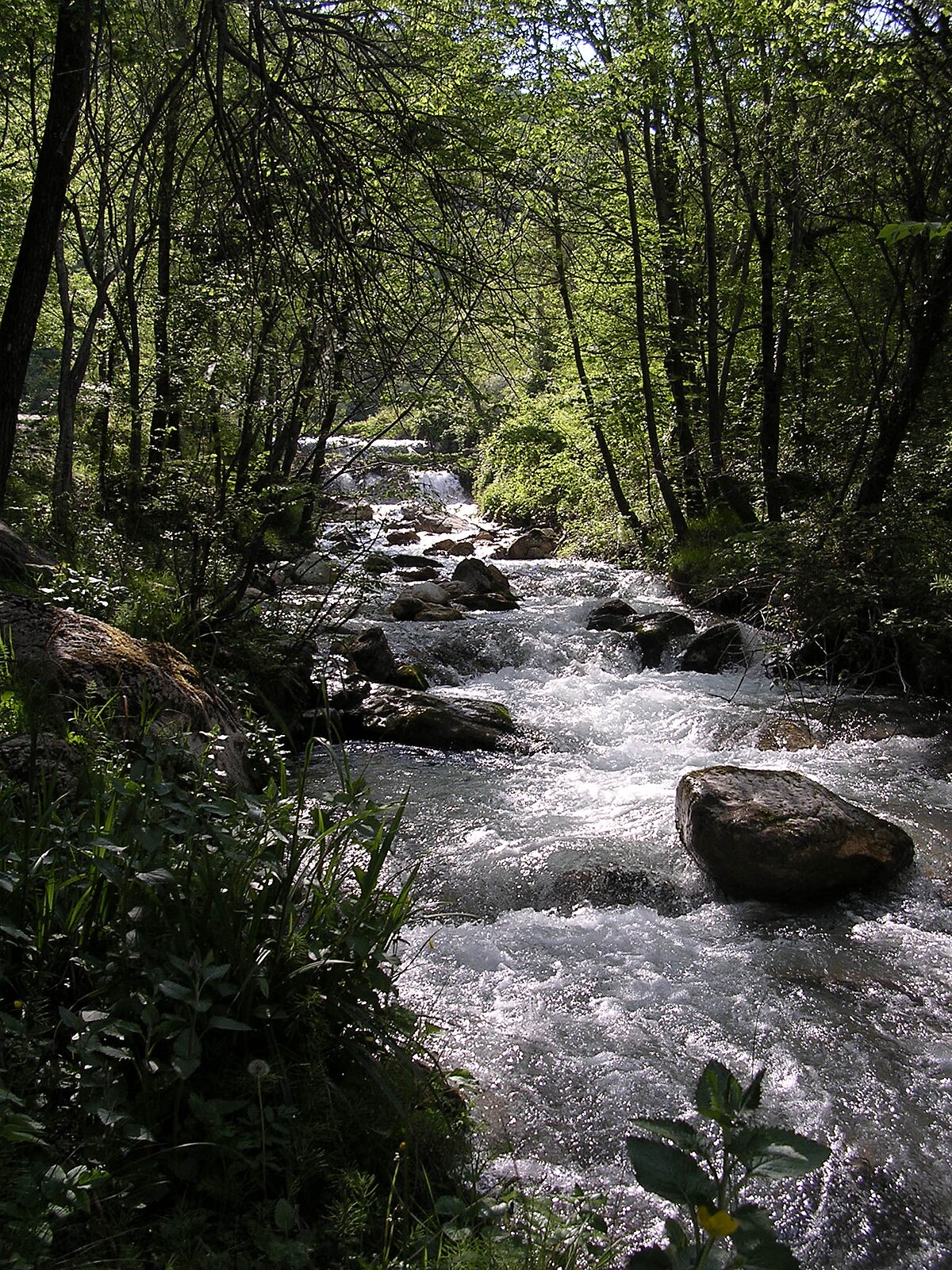
The Ambro River is a picturesque waterway in the Marche region of Italy, known for its serene landscapes and ecological significance.

Ancient Ostra
📍 marche, Italy
Ancient Ostra is an archaeological site located in Marche, Italy, notable for its remnants of an ancient Roman city that offers insights into …

Ancona
📍 marche, Italy
Ancona is a historic city in the Marche region of Italy, renowned for its stunning coastal views and significant maritime heritage.

Antiquarium of Palazzone
📍 marche, Italy
The Antiquarium of Palazzone is a museum located in Perugia, Italy, renowned for its collection of artifacts that showcase the region's rich …
Archivio Diocesano e Biblioteca dell'Arcidiocesi di Pesaro
📍 marche, Italy
The Archivio Diocesano e Biblioteca dell'Arcidiocesi di Pesaro is a conservation library in Marche, Italy, renowned for its extensive collection of …
Archivio e Biblioteca della Cattedrale di S. Rufino (Duomo)
📍 marche, Italy
The Archivio e Biblioteca della Cattedrale di S. Rufino (Duomo) is a historical library and archive located in Assisi, Italy, renowned for its rich …
More Archaeological Site

Abbazia di Santa Maria di Corazzo
📍 calabria, Italy
The Abbazia di Santa Maria di Corazzo is an archaeological site located in Carlopoli, Calabria, Italy, renowned for its historical significance and …

Abella
📍 campania, Italy
The archaeological site of Abella in Campania, Italy, is an ancient human settlement known for its historical significance and cultural heritage.

Abellinum
📍 campania, Italy
Abellinum is an archaeological site in Atripalda, Italy, known for its ancient ruins that reveal insights into Roman settlement and urban planning.

Aeculanum
📍 campania, Italy
Aeculanum is an archaeological site in Campania, Italy, known for its remnants of an ancient town that offer insight into early Roman urban life.
Aesernia
📍 molise, Italy
Aesernia is an ancient Roman archaeological site located in Molise, Italy, renowned for its well-preserved ruins that reflect the grandeur of Roman …

Alba Fucens
📍 lazio, Italy
Alba Fucens is an ancient archaeological site in Lazio, Italy, known for its well-preserved ruins that reflect the grandeur of a once-thriving Roman …