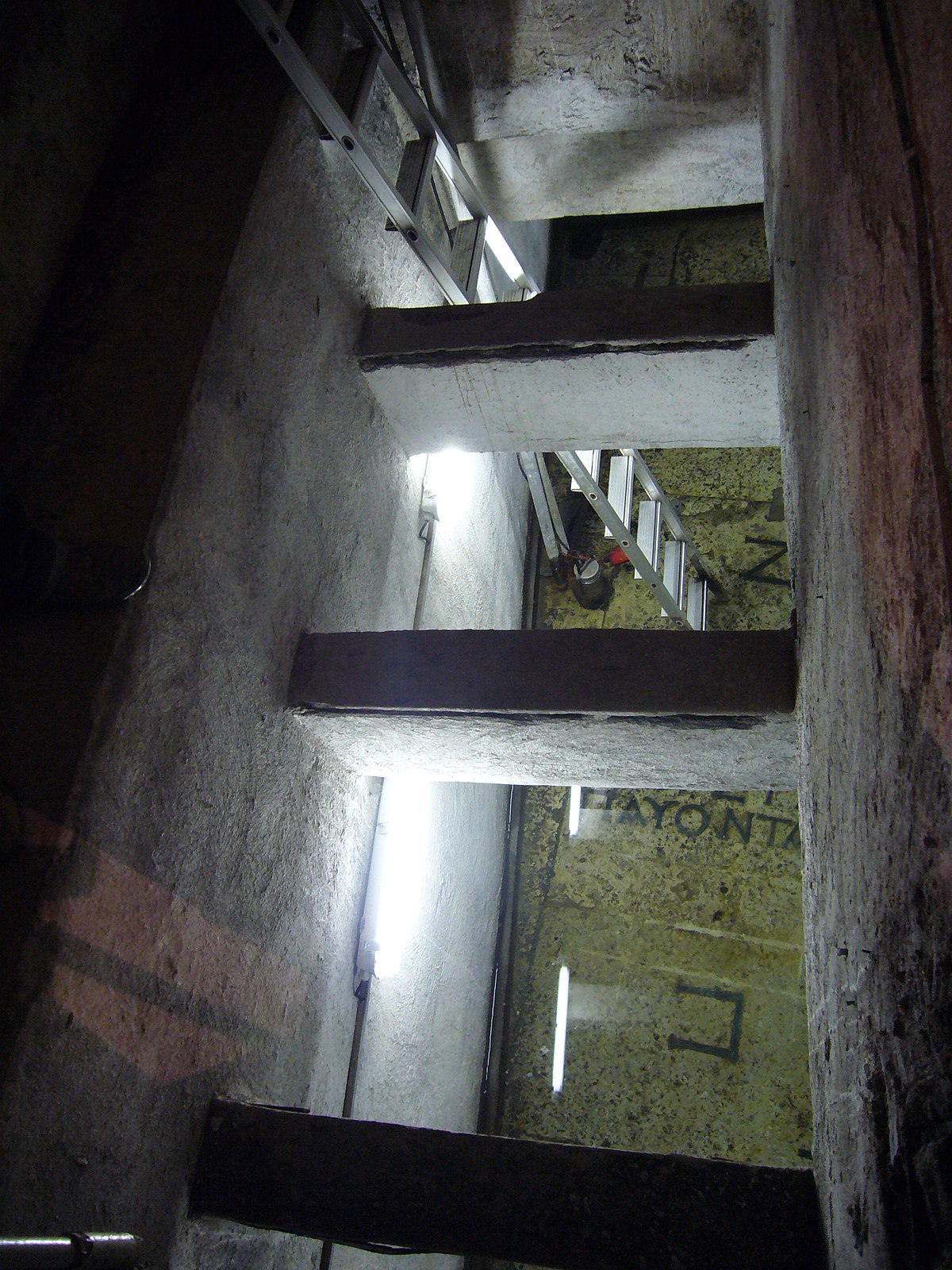


Solarium Augusti
Overview
Situated in the heart of Rome’s Campus Martius, the Solarium Augusti represents a significant slice of the city’s ancient history. This monumental complex, commissioned by Emperor Augustus, served not only as a public space but also as a site for astronomical observations, reflecting the innovative spirit of the Roman Empire. The solarium, or sundial, utilized the sun’s position to tell time, underscoring the Romans’ advanced understanding of astronomy and architecture.
The site is a testament to the grandeur of Augustus’ reign, as it was part of a larger urban plan that sought to transform Rome into a symbol of power and civilization. Visitors to the Solarium Augusti can expect to engage with the remnants of this fascinating structure, which once played a central role in the daily lives of ancient Romans. The site invites exploration and reflection on the ingenuity of Roman engineering and the cultural significance of timekeeping in antiquity.
History and Significance
The Solarium Augusti was constructed during the reign of Emperor Augustus, who ruled from 27 BC to AD 14. This period marked a transformation in Roman society, where Augustus sought to consolidate power and bring about a new era of peace known as the Pax Romana. The solarium was not merely a monument; it was an integral part of Augustus’s vision for Rome, symbolizing the intersection of time, politics, and the divine.
As a sundial, the Solarium Augusti was designed to reflect the grandeur of Rome while serving a practical purpose. Its alignment with celestial bodies showcased the Romans’ advanced understanding of astronomy and their desire to harmonize public life with the cosmos. The site also served as a cultural hub, where citizens gathered not only to tell time but to engage in social and political discourse.
The significance of the Solarium extends beyond its physical structure; it embodies the Roman ethos of innovation and order. The sundial, alongside other monumental structures in the Campus Martius, contributed to the urban landscape of Rome, which was designed to reflect the power and stability of Augustus’s regime. Today, the Solarium Augusti stands as a poignant reminder of the ancient world’s technological advancements and cultural aspirations.
Architecture and Features
The Solarium Augusti showcases the architectural ingenuity of ancient Rome. Although much of the original structure has been lost to time, remnants of the sundial reveal its design and purpose. The giant gnomon, or vertical pillar, was crafted to cast a shadow on the ground, marking the passage of time as the sun moved across the sky.
The site was intricately laid out, incorporating various materials and techniques characteristic of Roman architecture. The use of marble and other durable materials ensured that the structure would withstand the test of time, while also reflecting the opulence associated with Augustus’s reign. The layout of the Solarium was carefully considered, with the orientation of the sundial aligning with the sun’s path, further demonstrating the Romans’ sophisticated understanding of astronomy.
Visitors can still appreciate the scale of the complex, which would have dominated the landscape of the Campus Martius during its prime. The surrounding area was likely adorned with statues and decorative elements that celebrated Augustus and the achievements of Rome. Although these elements have largely eroded, the remaining features hint at the former grandeur of the site and its role in the daily lives of ancient Romans.
Visiting Information
Visiting the Solarium Augusti offers an opportunity to connect with Rome’s rich history. The site is located conveniently within the city and is accessible by various means of transportation, including public transit and walking tours. While specific hours and prices may vary, visitors are encouraged to check the official website for current information before planning their visit.
The site can typically be explored in about one to two hours, allowing for ample time to appreciate the historical context and architectural details. The best times to visit are during the early morning or late afternoon when the sunlight casts a warm glow over the remnants, enhancing the experience.
When visiting, expect to encounter informative displays and possibly guided tours that provide deeper insights into the Solarium’s significance. As it is an archaeological site, some areas may be restricted, but the accessible portions are designed to offer a comprehensive understanding of the site.
Nearby Attractions
The Solarium Augusti is ideally situated near several other historical attractions in Rome:
- Piazza Navona: A lively square showcasing beautiful fountains and baroque architecture, just a short walk from the Solarium.
- Panthéon: An ancient Roman temple known for its impressive dome and oculus, offering a glimpse into Roman engineering prowess.
- Campo de’ Fiori: A vibrant market by day and a social hub by night, this area is a great spot for local cuisine and culture.
- The Roman Forum: The heart of ancient Rome, filled with ruins that tell the story of the city’s political and social life.
- Palatine Hill: Offering panoramic views of the Forum and Circus Maximus, this area is rich in archaeological significance and legends.
Insider Tips
To make the most of your visit to the Solarium Augusti, consider these insider tips:
- Photography: The remnants of the Solarium provide excellent photo opportunities. Early morning light can create stunning images, especially when capturing the details of the structure.
- Crowd Avoidance: To avoid crowds, aim to visit during weekdays or in the off-season. Early mornings are typically quieter, allowing for a more contemplative experience.
- Guided Tours: Look for guided tours that focus on the broader context of the Campus Martius and its significance during the reign of Augustus for a more enriching experience.
Practical Information
When preparing for your visit to the Solarium Augusti, consider the following practical information:
- What to Bring: Comfortable walking shoes are essential, as you will be exploring an archaeological site. Carrying a water bottle and sunscreen is advisable, especially during warmer months.
- Seasonal Considerations: Rome’s weather can vary significantly with the seasons. Spring and fall generally offer the most pleasant conditions for outdoor exploration.
- Accessibility: Check ahead for any accessibility options, as certain areas may have restrictions.
Frequently Asked Questions
How long should I spend visiting?
Visitors typically spend about one to two hours at the Solarium Augusti to fully appreciate the site and its historical context.
Is photography allowed?
Yes, photography is generally permitted; however, be respectful of any signage indicating restrictions in specific areas.
Are there guided tours?
Yes, guided tours are often available and can provide valuable insights into the history and significance of the site.
What’s the best time to visit?
The best times to visit are early morning or late afternoon when the light enhances the experience and crowds are thinner.
Is it wheelchair accessible?
Check the official website for current accessibility options, as some areas may have restrictions.
Can I buy tickets online?
Check the official website for information regarding ticket purchases, as options may vary.
Are there restrooms and cafes?
Facilities such as restrooms and nearby cafes may be available; however, it’s advisable to check before your visit.
What should I wear?
Dress comfortably and in layers, considering the weather, and wear suitable footwear for walking around the archaeological site.
The Solarium Augusti stands as a remarkable testament to ancient Roman ingenuity and cultural significance, offering a unique glimpse into the past for visitors from around the world.
Photo Gallery
Location
More in lazio
Abatino Park
📍 lazio, Italy
The Abatino Park is a serene natural park located in Lazio, Italy, offering visitors a peaceful retreat with lush landscapes and recreational …
Abbazia di Santa Maria di Ponza
📍 lazio, Italy
The Abbazia di Santa Maria di Ponza is a Cistercian monastery on Ponza Island, Italy, renowned for its serene atmosphere and historical significance.

Academia Belgica
📍 lazio, Italy
The Academia Belgica is a Belgian cultural institution located in Rome, Italy, notable for its role in promoting Belgian heritage and fostering …
Accademia di Belle Arti di Frosinone
📍 lazio, Italy
The Accademia di Belle Arti di Frosinone is an educational institution in Frosinone, Italy, renowned for its commitment to fostering artistic talent …
Acqua Vergine
📍 lazio, Italy
Acqua Vergine is a modern aqueduct located in Rome, Italy, known for its engineering marvel and role in the city's water supply system.

Acquedotto delle Arcatelle
📍 lazio, Italy
The Acquedotto delle Arcatelle is a 17th-century aqueduct located in Tarquinia, Italy, recognized for its impressive architectural design and …
More Archaeological Site

Abbazia di Santa Maria di Corazzo
📍 calabria, Italy
The Abbazia di Santa Maria di Corazzo is an archaeological site located in Carlopoli, Calabria, Italy, renowned for its historical significance and …

Abella
📍 campania, Italy
The archaeological site of Abella in Campania, Italy, is an ancient human settlement known for its historical significance and cultural heritage.

Abellinum
📍 campania, Italy
Abellinum is an archaeological site in Atripalda, Italy, known for its ancient ruins that reveal insights into Roman settlement and urban planning.

Aeculanum
📍 campania, Italy
Aeculanum is an archaeological site in Campania, Italy, known for its remnants of an ancient town that offer insight into early Roman urban life.
Aesernia
📍 molise, Italy
Aesernia is an ancient Roman archaeological site located in Molise, Italy, renowned for its well-preserved ruins that reflect the grandeur of Roman …

Alba Fucens
📍 lazio, Italy
Alba Fucens is an ancient archaeological site in Lazio, Italy, known for its well-preserved ruins that reflect the grandeur of a once-thriving Roman …