


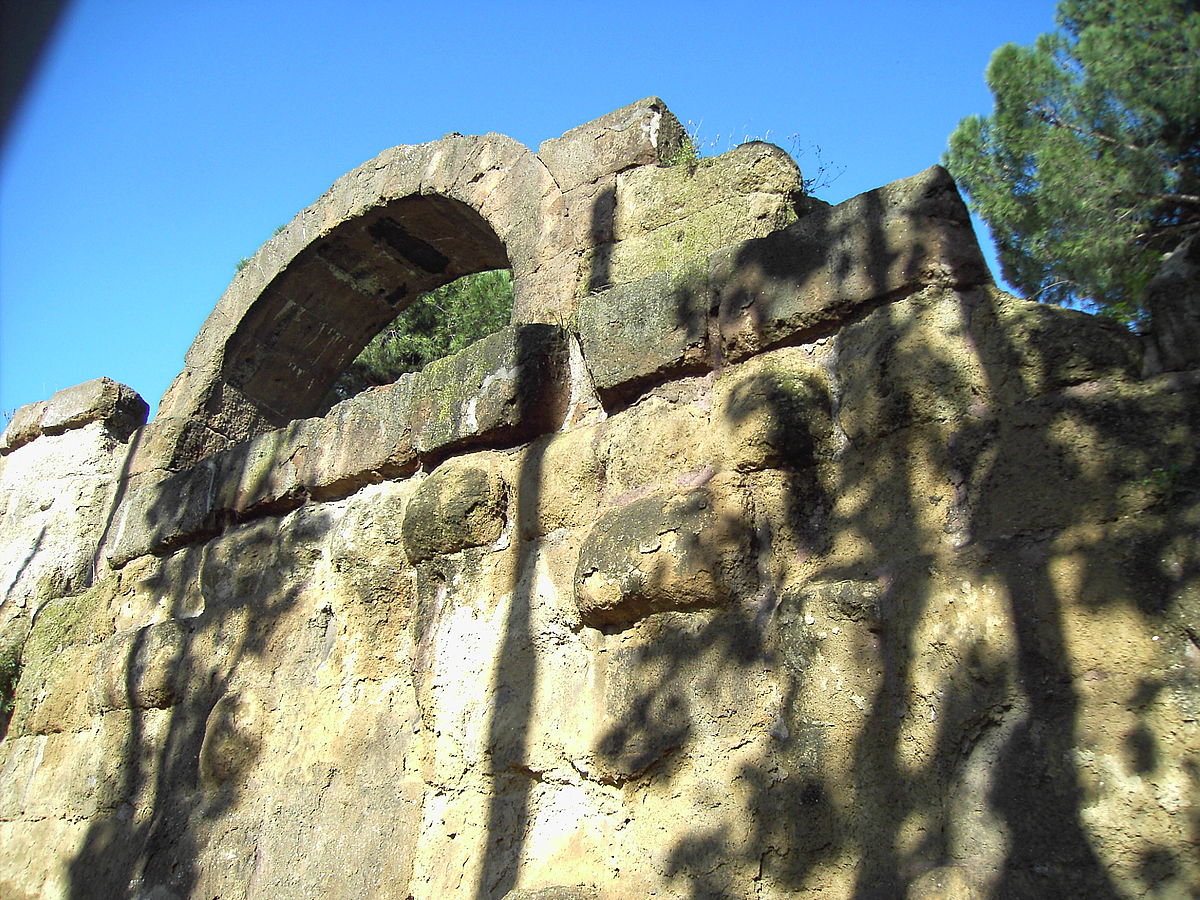


Servian Wall
Overview
The Servian Wall represents one of the earliest and most significant fortifications in the history of ancient Rome. Constructed around the 4th century BCE, this remarkable defensive structure encircled the early expansion of the city, providing protection against invasions and attacks. Stretching approximately 11 kilometers (about 6.8 miles), the wall showcases the ingenuity and military prowess of early Roman society. Its remnants can still be seen today, offering visitors a glimpse into Rome’s formative years when it was transitioning from a small settlement to a thriving metropolis.
Situated in the heart of Lazio, the Servian Wall is not only an important archaeological site but also a vital part of Rome’s urban landscape. It serves as a reminder of the city’s ancient beginnings and the strategic importance of its location. The wall’s construction marks a pivotal moment in Roman history, reflecting the city’s growth and the need for defense in a tumultuous era. Today, it stands as a testament to Rome’s rich heritage, attracting history enthusiasts and casual visitors alike who seek to understand the complexities of its past.
As you explore the remnants of the Servian Wall, you’ll be transported to a time when the city was fortified against external threats, allowing you to appreciate the historical significance of this archaeological marvel.
History and Significance
The Servian Wall, named after the sixth king of Rome, Servius Tullius, plays a crucial role in our understanding of early Roman civilization. Although details about its construction remain somewhat vague, historians suggest that it was built during a period of significant transition within the city, as Rome expanded beyond its original seven hills.
The wall was constructed using large blocks of tuff, a volcanic stone, which were stacked without the use of mortar, showcasing the engineering skills of the time. The Servian Wall was not merely a physical barrier; it also represented the political and social dynamics of early Rome, as it delineated the borders of the city and symbolized the assertion of power over its territory. The wall was designed to protect the burgeoning population from external threats, particularly from rival tribes and potential invaders.
Throughout its history, the Servian Wall underwent various phases of repair and modification, especially as Rome continued to grow and evolve. By the late Republic and into the Imperial period, the wall’s significance diminished as new fortifications were built and the need for such extensive defensive structures lessened. Despite this decline, the remnants of the Servian Wall still hold immense cultural importance, as they provide insight into the strategic decisions made by early Roman leaders in response to their environment.
Today, the wall stands as a crucial archaeological site, attracting scholars and tourists alike who are keen to learn about the foundations of one of the world’s greatest civilizations. Its preservation allows for continued study and appreciation of Rome’s historical development, offering valuable lessons about urban planning, military strategy, and the evolution of societal structures.
Architecture and Features
The architectural design of the Servian Wall reflects the military and engineering capabilities of ancient Rome. Originally, the wall stood at an impressive height, with some portions reaching upwards of 10 meters (32 feet). The structure consisted primarily of large, irregularly shaped tuff blocks, which were carefully fitted together to create a robust barrier against potential attackers.
One of the most striking features of the Servian Wall is its construction technique, known as “opus quadratum,” which involved the use of squared stones laid in horizontal courses. This technique not only showcased the craftsmanship of Roman builders but also contributed to the wall’s durability. The wall was punctuated by several gates, which allowed for controlled entry and exit, further emphasizing its role as a defensive structure. The most notable of these gates include the Porta Capena and the Porta Collina, which served as vital access points for trade and movement.
In addition to its structural elements, the Servian Wall was adorned with towers at regular intervals, providing vantage points for sentries to monitor the surrounding landscape and detect potential threats. These towers were integral to the wall’s defensive capabilities, allowing for better surveillance and communication among Roman soldiers stationed along the fortifications.
As visitors explore the remnants of the Servian Wall, they will encounter sections that have been preserved and restored, providing a tangible connection to the past. Walking along these ancient stones, one can appreciate the strategic thinking that went into its design and the resilience of Roman engineering that has allowed parts of the wall to endure through centuries of urban development and change.
Visiting Information
Visiting the Servian Wall offers a unique opportunity to engage with Rome’s ancient history. The wall can be accessed from various points throughout the city, making it a convenient stop for those exploring Rome’s historical landscape. While specific access details may vary, check the official website for current information regarding hours and any potential guided tours available.
When planning your visit, allocate at least one to two hours to fully appreciate the site. This will give you enough time to walk along different sections of the wall, observe its features up close, and absorb the historical context provided by informative signage along the way. The best times to visit are during the early morning or late afternoon, when the temperatures are milder and the light is perfect for photography.
In terms of transportation, the Servian Wall is well-connected by public transit. Visitors can reach the site via the metro, buses, or even on foot if they are staying nearby. Be prepared for some walking, as the wall sections are dispersed across the city, with notable segments located near the Termini Station and the area around the Aurelian Walls.
As always, it’s advisable to check the official website for hours and prices before your visit, as these can change seasonally or due to special events.
Nearby Attractions
The Colosseum: Just a short distance from the Servian Wall, the Colosseum is perhaps Rome’s most iconic monument, famed for its architectural grandeur and the gladiatorial contests that once took place within its walls.
The Roman Forum: Explore the heart of ancient Rome at the Roman Forum, where you can wander through the ruins of temples, public spaces, and governmental buildings that were central to Roman public life.
Palatine Hill: Adjacent to the Forum, Palatine Hill offers not only stunning views of the city but also the remnants of imperial palaces, making it a fascinating site for understanding Rome’s regal history.
Basilica di San Clemente: A short walk from the wall, this unique church showcases layers of Roman history, with a structure built upon ancient ruins dating back to the 1st century.
The Baths of Caracalla: These grand ancient baths, located near the Servian Wall, provide insight into the leisure and social culture of ancient Romans, with impressive remaining structures to explore.
Insider Tips
To make the most of your visit to the Servian Wall, consider the following insider tips:
Photography Tips: The early morning light can create beautiful shadows and highlights on the wall’s surface, making it an ideal time for photography. Be mindful of the crowds, especially during peak tourist seasons.
Crowd Avoidance: If possible, visit during weekdays rather than weekends. Early mornings are generally quieter, allowing you to capture photos without people in the frame and to enjoy a more intimate experience with the site.
Practical Information
When visiting the Servian Wall, it’s essential to prepare for your experience. Here are some practical tips:
What to Bring: Comfortable walking shoes are a must, as you will be walking along uneven surfaces. A water bottle, sunscreen, and a hat are also recommended, especially during the warmer months.
Seasonal Considerations: Rome experiences hot summers and mild winters. Spring (April to June) and fall (September to October) are generally considered the best times to visit, with pleasant weather and fewer crowds.
Frequently Asked Questions
How long should I spend visiting?
Allocate at least one to two hours to explore the different segments of the Servian Wall and absorb the historical context.
Is photography allowed?
Yes, photography is permitted, so feel free to capture the impressive architecture and your experience.
Are there guided tours?
Check the official website for information on guided tours available at the Servian Wall, as they can enhance your understanding of the site’s history.
What’s the best time to visit?
Early mornings or late afternoons are often the best times to visit, as the temperatures are cooler and crowds are thinner.
Is it wheelchair accessible?
Accessibility may vary by section; check the official website for specific information regarding wheelchair access.
Can I buy tickets online?
Currently, access to the wall is generally free, but check the official website for any updates on potential entry fees or guided tours.
Are there restrooms and cafes?
Restroom facilities may not be available directly at the wall, so it’s advisable to plan ahead. Nearby attractions typically have cafes and restrooms.
What should I wear?
Comfortable clothing and shoes are recommended, especially if you plan to walk along the wall and explore nearby attractions.
Photo Gallery
Location
More in lazio
Abatino Park
📍 lazio, Italy
The Abatino Park is a serene natural park located in Lazio, Italy, offering visitors a peaceful retreat with lush landscapes and recreational …
Abbazia di Santa Maria di Ponza
📍 lazio, Italy
The Abbazia di Santa Maria di Ponza is a Cistercian monastery on Ponza Island, Italy, renowned for its serene atmosphere and historical significance.

Academia Belgica
📍 lazio, Italy
The Academia Belgica is a Belgian cultural institution located in Rome, Italy, notable for its role in promoting Belgian heritage and fostering …
Accademia di Belle Arti di Frosinone
📍 lazio, Italy
The Accademia di Belle Arti di Frosinone is an educational institution in Frosinone, Italy, renowned for its commitment to fostering artistic talent …
Acqua Vergine
📍 lazio, Italy
Acqua Vergine is a modern aqueduct located in Rome, Italy, known for its engineering marvel and role in the city's water supply system.

Acquedotto delle Arcatelle
📍 lazio, Italy
The Acquedotto delle Arcatelle is a 17th-century aqueduct located in Tarquinia, Italy, recognized for its impressive architectural design and …
More Archaeological Site

Abbazia di Santa Maria di Corazzo
📍 calabria, Italy
The Abbazia di Santa Maria di Corazzo is an archaeological site located in Carlopoli, Calabria, Italy, renowned for its historical significance and …

Abella
📍 campania, Italy
The archaeological site of Abella in Campania, Italy, is an ancient human settlement known for its historical significance and cultural heritage.

Abellinum
📍 campania, Italy
Abellinum is an archaeological site in Atripalda, Italy, known for its ancient ruins that reveal insights into Roman settlement and urban planning.

Aeculanum
📍 campania, Italy
Aeculanum is an archaeological site in Campania, Italy, known for its remnants of an ancient town that offer insight into early Roman urban life.
Aesernia
📍 molise, Italy
Aesernia is an ancient Roman archaeological site located in Molise, Italy, renowned for its well-preserved ruins that reflect the grandeur of Roman …

Alba Fucens
📍 lazio, Italy
Alba Fucens is an ancient archaeological site in Lazio, Italy, known for its well-preserved ruins that reflect the grandeur of a once-thriving Roman …