


Sele
Overview
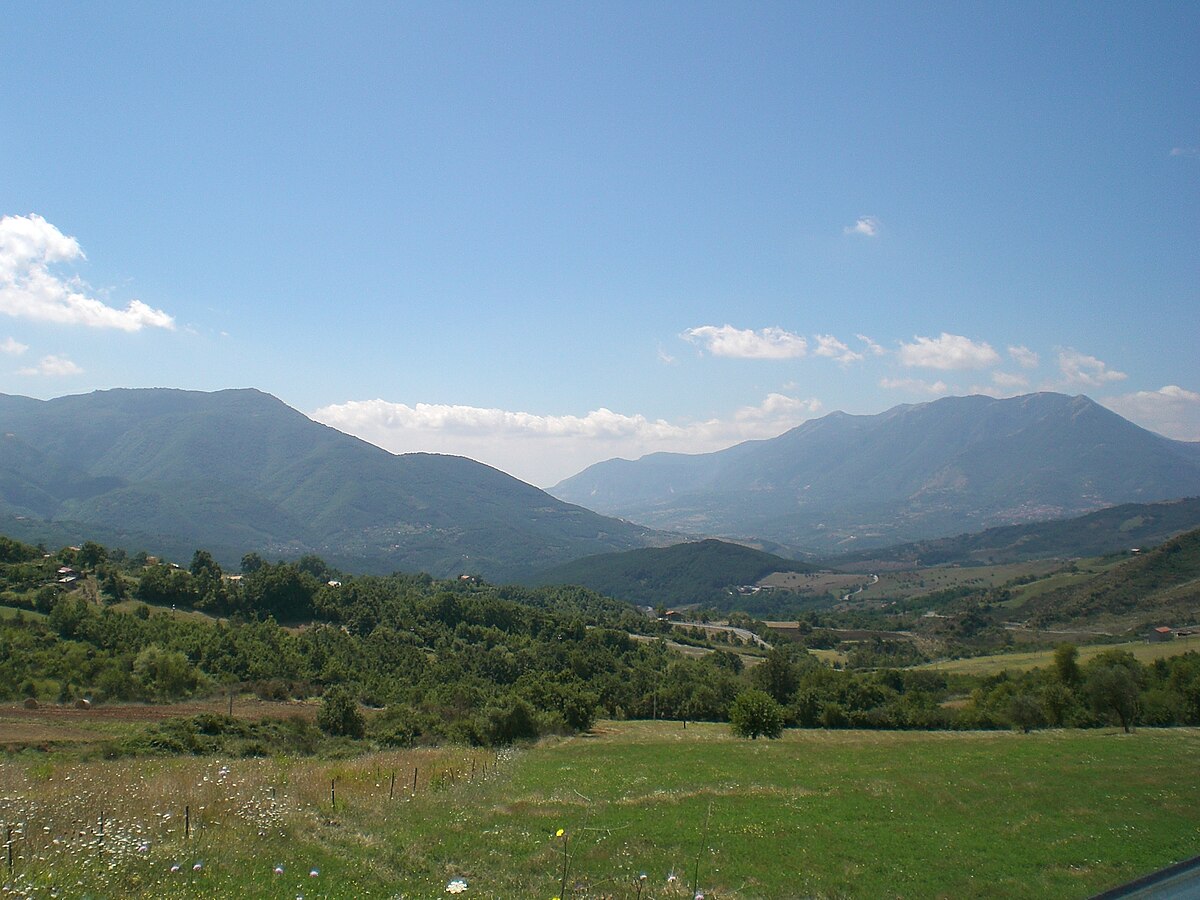
The Sele River, flowing through the picturesque landscapes of Campania, Italy, is not just a body of water but a vital artery of the region’s environmental and historical narrative. Spanning approximately 96 kilometers, the river originates in the Apennine Mountains and meanders through the scenic countryside before emptying into the Tyrrhenian Sea. The Sele River has played a crucial role in the development of local communities, influencing agriculture, trade, and transportation throughout history. Its banks are adorned with lush vegetation, offering a serene escape for nature lovers and outdoor enthusiasts alike. The river is also a hotspot for various recreational activities such as fishing, kayaking, and hiking, making it an ideal destination for those seeking both adventure and tranquility.
History and Significance
The Sele River has been a critical element of the Campania region since antiquity. Its waters have nourished the fertile plains that surround it, making the area conducive to agriculture and settlement. Historically, the river served as a means of transportation for goods and people, facilitating trade and cultural exchange among various civilizations that inhabited the region over the centuries.
The river’s historical significance is further underscored by its association with ancient Roman cities and settlements. The nearby town of Capua was a prominent center during the Roman era, and the Sele River played a pivotal role in its development. The Romans utilized the river for irrigation, enhancing agricultural productivity in the surrounding areas, which contributed to the empire’s economic strength.
In addition to its agricultural importance, the Sele River has also been a site of artistic inspiration. Its serene landscapes and natural beauty have attracted poets, painters, and musicians throughout history, making it a source of cultural reflection in Italian heritage. Today, the river continues to be a vital resource for the region, supporting local ecosystems and communities while serving as a reminder of the area’s rich history.
Architecture and Features
While the Sele River itself is primarily a natural feature, its surroundings are characterized by various architectural and natural landmarks that reflect the region’s heritage. The river flows through diverse landscapes, including lush valleys and rolling hills, enhancing the scenic beauty of the area.
Along the riverbanks, visitors can find remnants of ancient structures, including aqueducts and bridges that date back to Roman times. These architectural features are not only functional but also provide insight into the engineering prowess of ancient civilizations. The bridges spanning the Sele River often offer stunning views of the water and the surrounding landscapes, making them popular spots for photography and leisurely strolls.
The river’s banks are lined with a variety of flora and fauna, contributing to its ecological significance. The biodiversity found here supports various wildlife species, making it a vital habitat that attracts nature enthusiasts and researchers interested in studying the region’s ecosystems.
Visiting Information
Visiting the Sele River provides an opportunity to engage with nature and explore the cultural heritage of the Campania region. The river is accessible via several towns and villages along its course, making it an easy destination for both locals and tourists.
To reach the Sele River, various transportation options are available, including personal vehicles, public buses, and trains that connect to nearby towns. The river’s proximity to major urban centers in Campania makes it a convenient day trip for those seeking a natural retreat.
For the most accurate and up-to-date information regarding access points, activities, and potential guided tours, check the official website or local tourism offices. Depending on your interests, a visit can last anywhere from a few hours to an entire day, allowing for leisurely exploration along the riverbanks or engaging in outdoor activities such as hiking and fishing.
The best times to visit the Sele River are during the spring and fall months when the weather is mild, and the natural surroundings are at their most vibrant. Summer can be warm, making it ideal for water activities, while winter may bring cooler temperatures that could affect accessibility.
Nearby Attractions
Those visiting the Sele River will find several nearby attractions worth exploring:
Capua: This ancient town is rich in history and features Roman ruins, including the amphitheater and the remains of ancient temples.
Paestum: Just a short drive away, this archaeological site boasts well-preserved Greek temples and offers a glimpse into ancient civilization.
Vietri sul Mare: Known for its beautiful ceramics and stunning coastal views, this charming village provides a delightful contrast to the river’s tranquil landscapes.
Cilento and Vallo di Diano National Park: A UNESCO World Heritage site, this national park offers breathtaking scenery, hiking trails, and opportunities for wildlife observation.
Salerno: A vibrant coastal city nearby, Salerno offers rich history, beautiful architecture, and access to the enchanting Amalfi Coast.
Insider Tips
For the best photography opportunities, consider visiting during the golden hours of sunrise or sunset, when the light casts a warm glow over the river and its surroundings. Early mornings are also great for avoiding crowds, especially during peak tourist seasons. Aim to explore lesser-known paths along the riverbank, which can provide a more serene experience away from the main tourist areas.
If you’re interested in outdoor activities, plan ahead and research local rental services for kayaks or fishing equipment. Additionally, bringing a picnic can enhance your visit, allowing you to enjoy the natural beauty while savoring local delicacies.
Practical Information
When planning your visit to the Sele River, consider bringing essentials such as water, sunscreen, and comfortable walking shoes, especially if you intend to hike or engage in outdoor activities.
Seasonal considerations are important; spring and fall offer the most pleasant weather for exploring, while summer can be quite hot. Be prepared for possible rain in the fall and early spring, and check local forecasts closer to your visit.
Pack a camera to capture the stunning landscapes and any wildlife you may encounter along the river. Binoculars can also enhance viewing opportunities for birdwatching and observing other wildlife in the area.
Frequently Asked Questions
How long should I spend visiting?
A visit can last anywhere from a few hours to a full day, depending on your interests and activities planned.
Is photography allowed?
Yes, photography is generally allowed, and the scenery provides ample opportunities for capturing beautiful images.
Are there guided tours?
Check local tourism offices for information on guided tours that may be available along the river.
What’s the best time to visit?
The best times to visit are during spring and fall when the weather is mild and the landscapes are particularly vibrant.
Is it wheelchair accessible?
Access may vary by location along the river; check specific access points for wheelchair-friendly options.
Can I buy tickets online?
Visit the official website for information on any entrance fees or booking options for activities.
Are there restrooms and cafes?
Facilities may be limited along the river; it’s advisable to plan accordingly and bring snacks and drinks.
What should I wear?
Comfortable, weather-appropriate clothing and sturdy footwear are recommended for walking and outdoor activities.
The Sele River offers a unique blend of natural beauty and historical significance, making it a compelling destination for travelers looking to explore the heritage of Campania, Italy.
Photo Gallery
More in campania
18th-Century Royal Palace at Caserta with the Park, the Aqueduct of Vanvitelli, and the San Leucio Complex
📍 campania, Italy
The 18th-Century Royal Palace at Caserta, a UNESCO World Heritage site in Campania, Italy, is renowned for its stunning architecture, expansive …

Abbey of La Trinità della Cava
📍 campania, Italy
The Abbey of La Trinità della Cava is a historic monastery located in Campania, Italy, celebrated for its serene ambiance and architectural beauty.

Abella
📍 campania, Italy
The archaeological site of Abella in Campania, Italy, is an ancient human settlement known for its historical significance and cultural heritage.

Abellinum
📍 campania, Italy
Abellinum is an archaeological site in Atripalda, Italy, known for its ancient ruins that reveal insights into Roman settlement and urban planning.

Acerenza Cathedral
📍 campania, Italy
Acerenza Cathedral is a historic church located in Acerenza, Italy, renowned for its architectural beauty and cultural significance in the region of …

Acerra Cathedral
📍 campania, Italy
Acerra Cathedral is a historic church building located in Acerra, Campania, Italy, renowned for its architectural features and cultural significance …
More River

Adige
📍 trentino-alto-adige, Italy
The Adige is a prominent river in northern Italy's Trentino-Alto Adige region, celebrated for its stunning landscapes and cultural significance.

Adigetto
📍 veneto, Italy
Adigetto is a serene river located in the Veneto region of Italy, known for its tranquil waters and natural beauty, offering a peaceful retreat for …
Afra
📍 tuscany, Italy
The Afra is a river in Tuscany, Italy, recognized for its tranquil waters and scenic surroundings that embody the natural beauty of the Italian …
Agamo
📍 lombardy, Italy
The Agamo is a river in Lombardy, Italy, known for its serene waters and the scenic landscapes it traverses, offering a tranquil escape into nature.
Agna
📍 tuscany, Italy
The Agna River is a serene waterway in Tuscany, Italy, known for its picturesque surroundings and the tranquil landscapes it traverses.

Agno
📍 veneto, Italy
The Agno River is a picturesque waterway in Veneto, Italy, recognized for its serene landscape and cultural significance in the region.