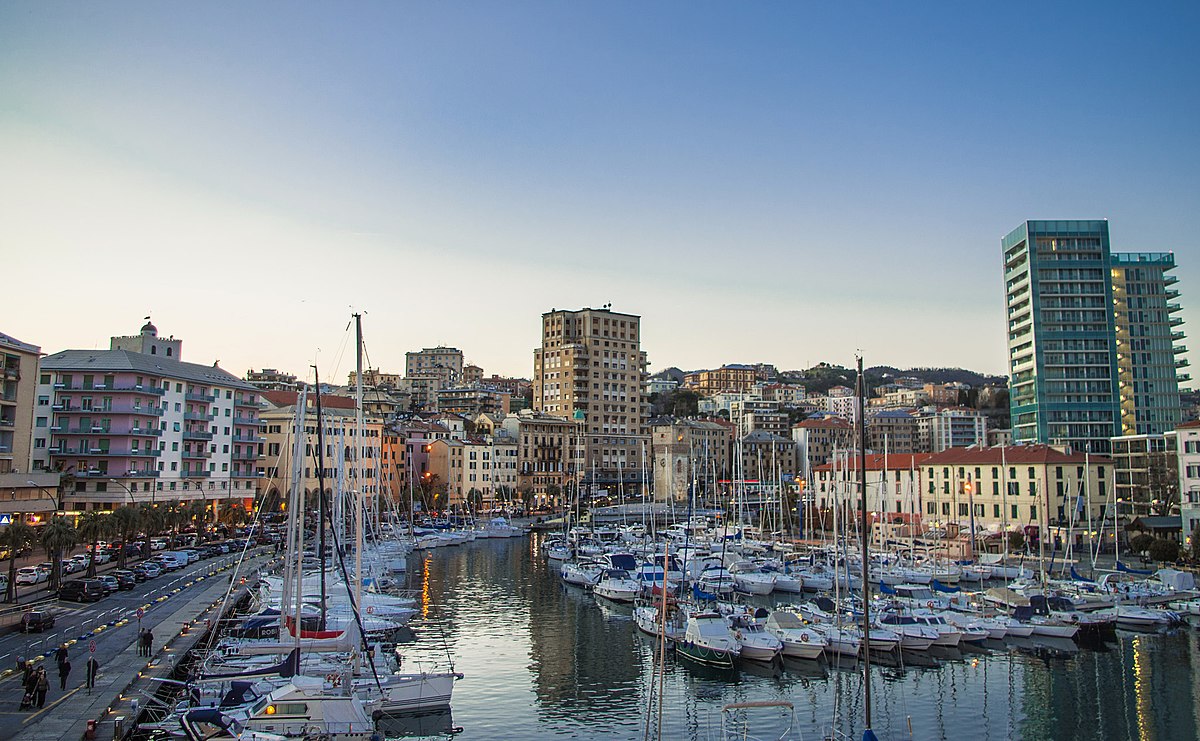


Savona
Overview
Savona is a vibrant city situated on the northwest coast of Italy, in the picturesque region of Piedmont. Positioned near the Ligurian Sea, it serves as an important port and has a history that stretches back centuries, making it a compelling destination for those interested in Italy’s maritime heritage. The city is characterized by its bustling harbor, historical landmarks, and a rich cultural landscape that reflects various influences over time. Visitors to Savona can expect a blend of historical significance and modern life, offering a unique glimpse into both past and present Italian society.
Savona’s strategic location has made it a central hub for trade and naval activities throughout history. Its picturesque waterfront and charming old town invite exploration, with narrow streets lined with colorful buildings and quaint shops. The city offers an array of experiences, from savoring local cuisine in traditional trattorias to enjoying leisurely strolls along the promenade. For travelers seeking to immerse themselves in the authentic Italian lifestyle, Savona promises an enriching experience filled with history, culture, and stunning coastal views.
History and Significance
The history of Savona is intricate and layered, dating back to ancient times when it was an important settlement for various civilizations, including the Romans. Over the centuries, Savona has been a significant maritime city, playing a crucial role in trade and naval power in the Mediterranean. Its port has facilitated commerce and cultural exchange, making it a melting pot of influences from across Europe and beyond.
In the medieval period, Savona became a prominent city-state and was known for its shipbuilding prowess. The city was fortified with impressive walls and towers that still hint at its strategic importance during conflicts, particularly with rival powers such as Genoa. The rivalry with Genoa led to several episodes of conflict, shaping Savona’s identity and historical narrative.
During the Renaissance, Savona flourished culturally and economically, attracting artists and thinkers who contributed to its artistic heritage. Notable landmarks from this period, including the Priamar Fortress, testify to the city’s military and architectural evolution. The fortress, built in the 16th century, stands as a symbol of Savona’s resilience and strategic importance.
The city’s religious significance is also notable, with churches such as the Cathedral of Santa Maria Assunta showcasing stunning architecture and artwork. These religious sites reflect the deep-rooted traditions and values of the local population throughout history.
Savona’s evolution into a modern city has not diminished its historical charm; rather, it has embraced its heritage while adapting to contemporary life. Today, it remains a vital cultural and economic center, attracting visitors keen to explore its rich past and vibrant present.
Architecture and Features
Savona’s architectural landscape is a fascinating blend of historical and contemporary styles. The city is perhaps best known for the imposing Priamar Fortress, a significant military structure that dominates the skyline. Built between the 16th and 17th centuries, the fortress features massive stone walls and bastions, offering a glimpse into the military architecture of the Renaissance. Visitors can explore its various levels and enjoy panoramic views of the surrounding area.
In the heart of Savona lies the Cathedral of Santa Maria Assunta, a remarkable example of Gothic and Baroque architecture. The cathedral is renowned for its intricate façade, stunning frescoes, and beautifully crafted interiors, making it a must-visit for art and architecture enthusiasts.
The city is also home to several palaces and historical buildings that showcase its rich heritage. The Palazzo della Rovere, a former residence of the influential Rovere family, features elegant Renaissance architecture and is a testament to the city’s aristocratic past.
Savona’s waterfront area is another highlight, where visitors can stroll along the promenade and enjoy views of the marina. The blend of modern shops, cafes, and historical buildings creates a lively atmosphere that reflects the city’s ongoing evolution.
Overall, Savona’s architecture tells a story of resilience, adaptation, and cultural exchange, making it a captivating destination for those interested in the artistic and historical narratives of Italy.
Visiting Information
Savona is accessible via various transportation options. The city is well-connected by regional trains that link it to major Italian cities such as Genoa and Turin. For those traveling by car, the city is conveniently located near the A10 highway, which runs along the coast and connects to other significant destinations in the region.
When planning a visit, it is advisable to check the official website for current information regarding hours and prices for attractions, as these can vary. A typical visit to Savona can last anywhere from a few hours to a full day, depending on individual interests and the pace of exploration.
The best times to visit Savona are during the spring and early fall when the weather is mild and pleasant, ideal for walking tours and outdoor activities. Summer can be quite hot, and while it offers vibrant beach life, it may also attract larger crowds.
Visitors can expect to find a range of experiences, from guided tours of historical sites to leisurely walks along the waterfront. The city’s vibrant markets, local eateries, and artisan shops offer plenty of opportunities to immerse oneself in the local culture.
Nearby Attractions
Genoa: Just a short train ride away, this historic city is known for its rich maritime history and stunning architecture, including the famous Palazzo Ducale and the picturesque Old Port.
Finale Ligure: A charming coastal town known for its beautiful beaches and medieval architecture, making it a perfect spot for those interested in outdoor activities and historical exploration.
Porto Venere: Located further along the coast, this UNESCO World Heritage site features colorful houses, a stunning harbor, and the historic Doria Castle, offering breathtaking seaside views.
San Remo: Famous for its music festival and vibrant markets, this coastal town is known for its palm-lined promenades and beautiful beaches, perfect for a day trip from Savona.
Cinque Terre: A little further away, this iconic destination is known for its picturesque villages perched on cliffs overlooking the sea, offering stunning hiking trails and breathtaking scenery.
Insider Tips
For photography enthusiasts, the best times to capture the essence of Savona are during the golden hours of early morning or late afternoon, when the soft light enhances the city’s colors and architectural details. The waterfront area provides excellent vantage points for sunset photography.
To avoid crowds, consider visiting popular attractions early in the day or later in the afternoon. Weekdays tend to be less busy than weekends, allowing for a more relaxed experience.
Make sure to engage with local residents, as they can provide insider tips on the best places to eat or lesser-known attractions worth exploring.
Practical Information
When visiting Savona, it’s advisable to wear comfortable walking shoes, as the city’s charming streets and historical sites are best explored on foot. Bringing a reusable water bottle is also recommended, especially during the warmer months, to stay hydrated.
Seasonal considerations include the possibility of rain in the fall and winter months, so packing an umbrella or light jacket is wise. Summer visitors should prepare for warmer temperatures and consider sun protection.
Be sure to check local customs and dining hours, as mealtimes can vary significantly from those in other regions. Enjoying a leisurely meal in a local trattoria is a quintessential part of the Italian experience.
Frequently Asked Questions
How long should I spend visiting?
A visit to Savona can range from a few hours to a full day, depending on your interests in exploring historical sites and enjoying the local atmosphere.
Is photography allowed?
Yes, photography is generally allowed in public spaces and most attractions. However, some churches may have restrictions, so it’s best to check for signs.
Are there guided tours?
Yes, guided tours are available for various attractions in Savona, providing deeper insights into the city’s history and culture.
What’s the best time to visit?
The best times to visit Savona are in the spring and early fall, when the weather is mild and perfect for outdoor activities.
Is it wheelchair accessible?
Many areas in Savona, including some attractions, are accessible, but it’s advisable to check specific sites for accessibility options.
Can I buy tickets online?
For certain attractions, tickets can be purchased online. It’s recommended to check the official websites for availability and options.
Are there restrooms and cafes?
Yes, public restrooms can be found in various locations, and there are numerous cafes and restaurants throughout the city, offering local cuisine and refreshments.
What should I wear?
Comfortable clothing and shoes are recommended, especially for walking around the city. Dress according to the season, with layers for cooler months and sun protection for summer visits.
Photo Gallery
Visit Information
Quick Facts
- Heritage Type
- City
- Region
- piedmont
- Wikidata ID
- Q13320
More in piedmont

Abbazia di San Nicolò del Boschetto
📍 piedmont, Italy
The Abbazia di San Nicolò del Boschetto is a historic monastery located in Genoa, Italy, known for its serene ambiance and architectural heritage.

Agape Centro Ecumenico
📍 piedmont, Italy
Agape Centro Ecumenico is an educational institution located in Prali, Italy, offering a unique blend of spiritual retreat and educational programs in …

Agogna
📍 piedmont, Italy
The Agogna is a picturesque river in the Piedmont region of Italy, celebrated for its serene landscapes and ecological importance.

Alba Cathedral
📍 piedmont, Italy
The Alba Cathedral is a Romanesque cathedral located in Alba, Piedmont, Italy, known for its stunning architecture and historical significance.

antica sinagoga di Chieri
📍 piedmont, Italy
The antica sinagoga di Chieri is a historic synagogue located in Chieri, Piedmont, Italy, known for its cultural significance and architectural …

Antonini bridge
📍 piedmont, Italy
The Antonini Bridge is a historic bridge located in Varallo Sesia, Italy, known for its remarkable engineering and picturesque setting.
More City

Agrigento
📍 sicily, Italy
Agrigento is a historic city in Sicily, Italy, renowned for its ancient ruins and the Valley of the Temples, a UNESCO World Heritage Site showcasing …

Albenga
📍 liguria, Italy
Albenga is an Italian urban comune located in the Liguria region, known for its medieval architecture and rich historical significance.

Alessandria
📍 lombardy, Italy
Alessandria is a historic city in Lombardy, Italy, known for its intriguing blend of cultural heritage and architectural features.

Ancona
📍 marche, Italy
Ancona is a historic city in the Marche region of Italy, renowned for its stunning coastal views and significant maritime heritage.

Andria
📍 apulia, Italy
Andria is a city in Apulia, Italy, known for its unique blend of historical architecture and cultural significance, particularly the stunning Castel …
Arretium
📍 tuscany, Italy
Arretium is an ancient city in Tuscany, Italy, recognized for its historical significance as a human settlement and its rich cultural heritage.