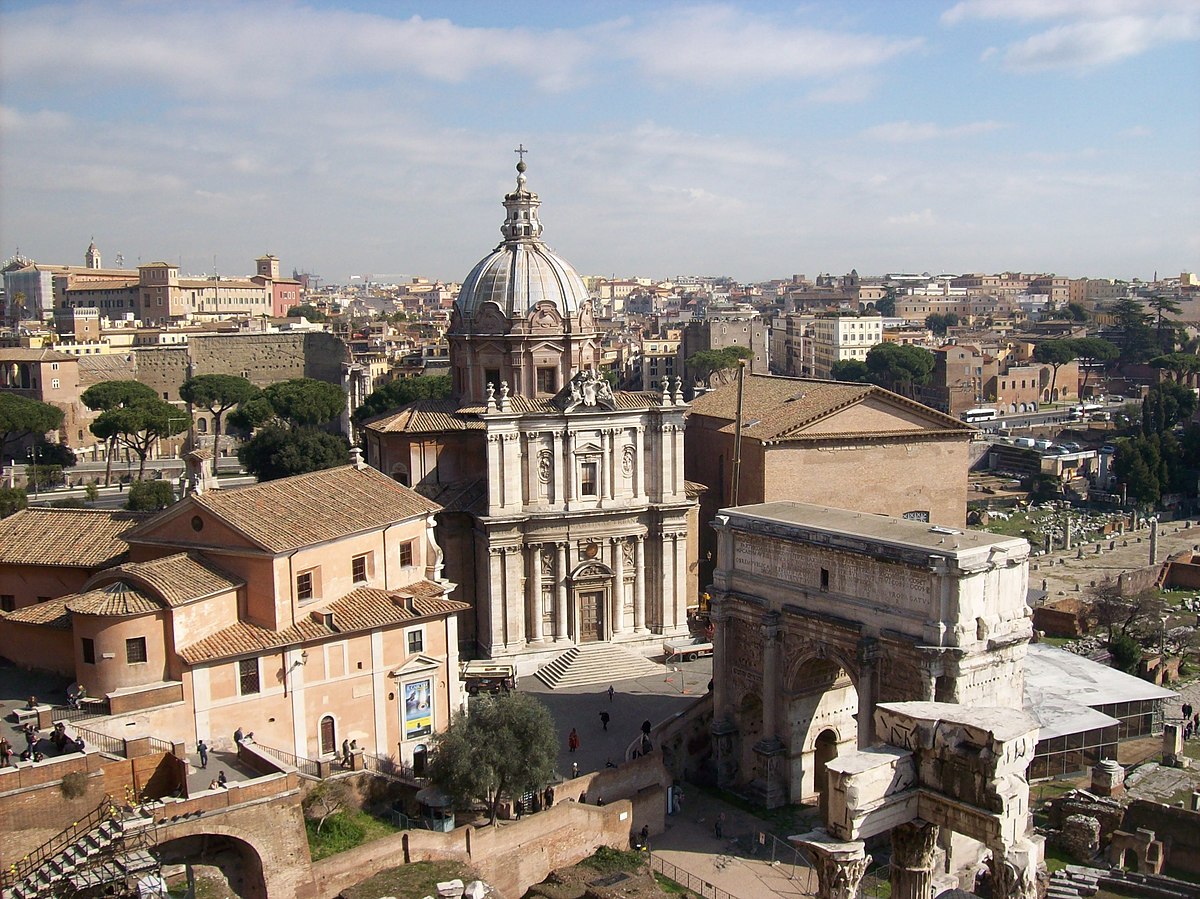


Santi Luca e Martina
Overview
Santi Luca e Martina, a church of notable significance, is situated in the heart of Rome’s Municipio I, enveloped by the vibrant tapestry of the Eternal City. This church embodies the rich religious heritage of Rome and reflects the architectural innovations of its time. Its proximity to other ancient landmarks makes it a valuable stop for those exploring the historical layers of this iconic city. Santi Luca e Martina stands not just as a place of worship, but as a symbol of the artistic and cultural endeavors that flourished in Rome over the centuries. Visitors can expect a serene atmosphere, where the intricacies of its design and the stories ingrained in its walls offer a unique glimpse into the past.
History and Significance
The origins of Santi Luca e Martina trace back to the early Christian period, although specific dates remain elusive. Throughout its history, the church has served various roles, reflecting the evolving religious landscape of Rome. Dedicated to Saint Luke, the patron saint of artists, and Saint Martina, a martyr, the church has been a site for religious observance and artistic inspiration alike.
The church is historically significant not only for its religious functions but also for its association with the nearby Roman Forum. It has often been considered a central point for the artistic community in Rome, attracting painters, architects, and sculptors who sought to pay homage to its rich religious symbolism and aesthetic beauty. As the city expanded and modernized, Santi Luca e Martina remained a touchstone for tradition amidst the rapid changes occurring around it.
The church’s history is interwoven with the larger narrative of Rome’s architectural evolution, showcasing the various styles and influences that have shaped the city over centuries. It continues to draw visitors and pilgrims alike, reminding them of the enduring power of faith and art in the heart of one of the world’s most historically rich cities.
Architecture and Features
Santi Luca e Martina presents a captivating blend of architectural styles, reflective of its long history and the various modifications it has undergone. The façade of the church is characterized by a graceful simplicity, adorned with elements typical of Baroque architecture, which was prominent in the later stages of its development. The use of light-colored stone enhances its elegance, while the entrance is marked by a grand portal that invites visitors into its sacred space.
Inside, the church features a stunning nave that is punctuated by intricately designed altars and chapels. Each chapel tells its own story through beautiful frescoes and sculptures, showcasing the talents of various artists who have contributed to the church’s interior over the years. The use of light is masterfully orchestrated, illuminating the religious artworks and creating a contemplative atmosphere for worshippers and visitors alike.
The church is not only an active place of worship but also a repository of artistic heritage, with numerous artworks that reflect the evolution of religious art in Rome. Notably, the presence of St. Luke’s iconography throughout the church serves as a reminder of its dedication to the patron saint of artists, further enriching the spiritual and cultural significance of this remarkable site.
Visiting Information
Visiting Santi Luca e Martina is an enriching experience for anyone interested in art, history, or architecture. The church is centrally located, making it accessible by various forms of transportation. Visitors can reach the site via public transport, including buses and metro services that connect to key areas of Rome.
Check the official website for current information regarding opening hours and admission prices. While exploring the church, anticipate spending about 30 to 60 minutes to fully absorb its beauty and significance. It’s advisable to visit during weekdays when the crowds are generally smaller, allowing for a more intimate experience with the artworks and the tranquil ambiance of the church.
As you plan your visit, consider checking for any ongoing events or services that may be taking place, as these can provide additional insights into the church’s community life and historical relevance.
Nearby Attractions
Santi Luca e Martina is conveniently located near several other significant attractions in Rome.
Roman Forum: A short walk from the church, the Forum offers a glimpse into the political, social, and economic heart of ancient Rome.
Palatine Hill: Adjacent to the Forum, this historic site provides stunning views of the city and is rich in archaeological treasures.
Colosseum: Just a bit further, the iconic amphitheater stands as a symbol of Rome’s imperial past, attracting millions of visitors annually.
Piazza Venezia: This bustling square is famous for its impressive monuments and serves as a hub for various cultural and historical activities.
Capitoline Museums: Located nearby, these museums house an extensive collection of art and artifacts, offering deeper insights into Rome’s illustrious history.
Insider Tips
To maximize your visit to Santi Luca e Martina, consider the following insider tips.
Photography: While photography is typically allowed, be respectful of worshippers and the sacred atmosphere. Early mornings or late afternoons often provide softer light for capturing the beauty of the church without distractions.
Crowd Avoidance: Visiting during off-peak hours, such as early in the morning or on weekdays, can enhance your experience by avoiding large groups of tourists.
Practical Information
When planning your visit to Santi Luca e Martina, it’s wise to bring along a few essentials. Comfortable walking shoes are recommended, as exploring the surrounding areas can involve considerable walking.
Seasonal considerations also play a role; during the hotter months, ensure to stay hydrated and wear suitable clothing, while cooler months may require a light jacket for the evenings.
Additionally, check the official website for any specific requirements or guidelines before your visit, as these can change based on events or maintenance.
Frequently Asked Questions
How long should I spend visiting?
A visit to Santi Luca e Martina typically takes about 30 to 60 minutes, depending on your interest in art and architecture.
Is photography allowed?
Yes, photography is generally allowed, but it’s important to be respectful of the space and other visitors.
Are there guided tours?
While specific guided tours of Santi Luca e Martina may not be widely advertised, local guides often include it in broader tours of the historical area.
What’s the best time to visit?
The best time to visit is during weekdays, especially in the early morning or late afternoon to avoid crowds.
Is it wheelchair accessible?
The accessibility of Santi Luca e Martina may vary, so it’s best to check the official website for the most current information regarding wheelchair access.
Can I buy tickets online?
Check the official website for information on ticket availability and purchasing options, as these can vary.
Are there restrooms and cafes?
Facilities may be limited within the church itself, but nearby areas typically offer restrooms and cafes for visitors.
What should I wear?
Modest clothing is recommended, especially since Santi Luca e Martina is an active place of worship.
Photo Gallery
More in lazio
Abatino Park
📍 lazio, Italy
The Abatino Park is a serene natural park located in Lazio, Italy, offering visitors a peaceful retreat with lush landscapes and recreational …
Abbazia di Santa Maria di Ponza
📍 lazio, Italy
The Abbazia di Santa Maria di Ponza is a Cistercian monastery on Ponza Island, Italy, renowned for its serene atmosphere and historical significance.

Academia Belgica
📍 lazio, Italy
The Academia Belgica is a Belgian cultural institution located in Rome, Italy, notable for its role in promoting Belgian heritage and fostering …
Accademia di Belle Arti di Frosinone
📍 lazio, Italy
The Accademia di Belle Arti di Frosinone is an educational institution in Frosinone, Italy, renowned for its commitment to fostering artistic talent …
Acqua Vergine
📍 lazio, Italy
Acqua Vergine is a modern aqueduct located in Rome, Italy, known for its engineering marvel and role in the city's water supply system.

Acquedotto delle Arcatelle
📍 lazio, Italy
The Acquedotto delle Arcatelle is a 17th-century aqueduct located in Tarquinia, Italy, recognized for its impressive architectural design and …
More Church Building

Abbazia della Misericordia
📍 veneto, Italy
The Abbazia della Misericordia is a historic former church and abbey in Venice, Italy, renowned for its architectural significance and rich cultural …

Abbazia di Nostra Signora di Paulis
📍 sardinia, Italy
Abbazia di Nostra Signora di Paulis is a historic church building located in Ittiri, Sardinia, Italy, celebrated for its architectural charm and …

Abbazia di Pomposa
📍 veneto, Italy
The Abbazia di Pomposa is a historic church building located in Pomposa, Codigoro, Italy, known for its architectural features and serene atmosphere.

Abbazia di San Gaudenzio
📍 tuscany, Italy
The Abbazia di San Gaudenzio is a historic abbey located in San Gaudenzio, Tuscany, Italy, notable for its architectural elegance and spiritual …

Abbazia di Santa Maria
📍 sicily, Italy
Abbazia di Santa Maria is a historic church building located in Novara di Sicilia, Sicily, Italy, known for its architectural beauty and cultural …

Abbazia di Santa Maria a Cerrate (Lecce)
📍 apulia, Italy
The Abbazia di Santa Maria a Cerrate is an ancient church building located in Lecce, Italy, renowned for its historical significance and architectural …