


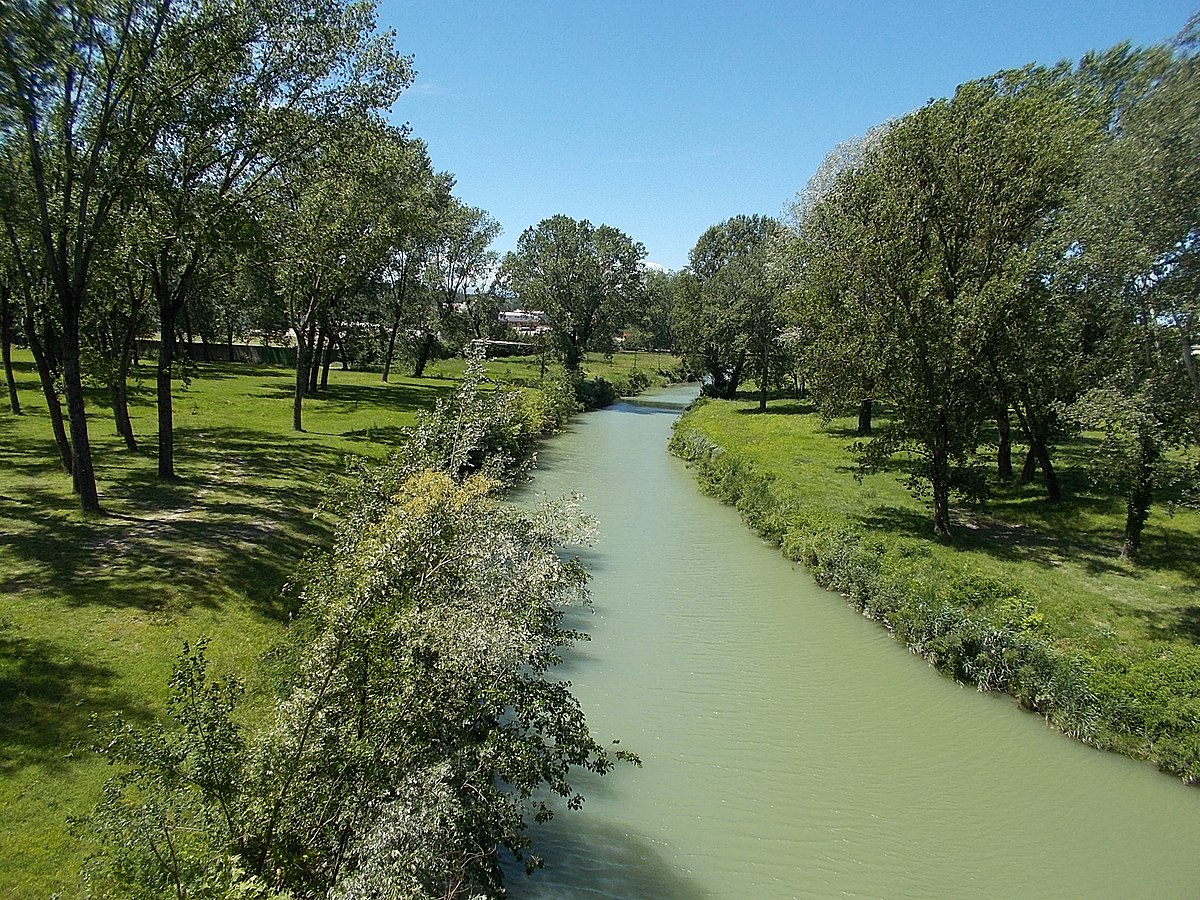
Santerno
Overview
The Santerno River meanders through the picturesque landscapes of Emilia-Romagna, a region celebrated for its rich history and vibrant culture. Originating in the Apennine Mountains, this river flows through a variety of terrains, providing a tranquil backdrop to the towns and countryside that it nourishes. The Santerno plays a crucial role not only in the local ecosystem but also in the cultural life of the communities along its banks.
As it winds its way towards the Po River, the Santerno serves as a vital water source and a recreational area for locals and visitors alike. The river is characterized by its lush surroundings, making it a perfect destination for those seeking outdoor activities such as hiking, fishing, and nature walks. Its significance extends beyond merely being a waterway; it has historically supported agriculture and settlement patterns in the region, contributing to the development of local economies.
Visiting the Santerno offers an opportunity to immerse oneself in the natural beauty and cultural richness of Emilia-Romagna. Whether you are drawn to its serene banks for a leisurely stroll, interested in local history, or eager to explore the surrounding landscapes, the Santerno River promises a unique experience.
History and Significance
The Santerno River has played an integral role in the history and culture of the Emilia-Romagna region. Its waters have been a source of sustenance for local communities for centuries, fostering agriculture and industry. Historically, rivers like the Santerno were essential for trade and transportation, allowing goods and people to navigate the landscape more easily.
The river’s significance extends to its influence on settlement patterns. Towns and villages have developed along its banks, taking advantage of the fertile soil and abundant water supply. Over time, the Santerno has witnessed numerous historical events and changes, reflecting the broader trends in Italian history. The river is often associated with local folklore and traditions, which have been passed down through generations, highlighting its cultural importance.
In contemporary times, the Santerno continues to be vital for both ecological balance and recreational activities. It supports a variety of wildlife, making it an important ecological corridor. Conservation efforts are underway to maintain the health of the river and its surroundings, ensuring that future generations can enjoy its natural beauty.
Architecture and Features
While the Santerno River itself is a natural feature, the landscapes surrounding it boast several notable architectural elements that enhance its charm. The riverbank is dotted with quaint villages and rural architecture that reflect the traditional styles of Emilia-Romagna. Stone bridges and pathways often cross the river, providing access and picturesque views of the flowing waters.
In addition to the natural scenery, the area features historical structures that tell the story of the region’s past. These include old mills, which once utilized the river’s flow for power, and ancient churches that stand as reminders of the communities that have flourished along the riverbanks.
The banks of the Santerno are characterized by lush greenery, with riparian vegetation supporting diverse wildlife. Parks and picnic areas are often found alongside the river, encouraging visitors to engage with the environment and appreciate its beauty.
While the river itself is prized for its natural beauty, the combination of local architecture and scenic surroundings creates a unique atmosphere that invites exploration and appreciation.
Visiting Information
Accessing the Santerno River is relatively straightforward, with multiple entry points along its length. The river runs through several towns in Emilia-Romagna, making it accessible by local transportation options such as buses or cars. Depending on where you choose to visit, you can find designated areas for picnicking, walking, or simply enjoying the scenic views.
Expect to spend a few hours exploring the river and its surroundings. The area is ideal for activities like hiking, cycling, or simply relaxing by the water. Visitors will find various trails along the river, suitable for all skill levels, allowing for a leisurely stroll or a more vigorous hike.
For the best experience, consider visiting during the spring or fall when the weather is mild, and the surrounding landscapes are particularly vibrant. Check the official website for current information on accessibility and any guidelines for visitors.
Nearby Attractions
- Bologna: The capital of Emilia-Romagna, known for its medieval architecture and vibrant university culture.
- Imola: A nearby town famous for its historical racetrack and beautiful historic center.
- Castel del Rio: A picturesque village with stunning views and historical landmarks, including a medieval castle.
- Marradi: Known for its beautiful landscapes and the nearby Casentino Forests, a great spot for nature lovers.
- Ravenna: A UNESCO World Heritage Site, renowned for its stunning mosaics and rich Byzantine history.
Insider Tips
When visiting the Santerno River, bring a good camera to capture the scenic landscapes and charming architecture. The early morning light or late afternoon sun can offer stunning photography opportunities. To avoid crowds, consider visiting on weekdays or during the off-peak seasons.
Additionally, explore lesser-known trails along the river to discover quieter spots for relaxation. Engage with locals to learn about the history and culture of the area, enhancing your experience.
Practical Information
When visiting the Santerno, it’s advisable to bring essentials such as water, snacks, and sunscreen, especially during warmer months. Comfortable walking shoes are recommended for exploring the trails along the river.
Seasonal considerations are important; spring and fall are ideal for pleasant weather, while summer can be quite hot. In winter, the area can be less crowded but may have cooler temperatures and reduced accessibility.
Frequently Asked Questions
How long should I spend visiting?
A visit to the Santerno River typically requires a few hours, depending on your interests in hiking, photography, or simply enjoying the scenery.
Is photography allowed?
Yes, photography is permitted and encouraged. The scenic landscapes and charming architecture provide ample opportunities for great shots.
Are there guided tours?
Guided tours may be available in nearby towns or through specific local organizations. Check local resources for details.
What’s the best time to visit?
Spring and fall are the best times to visit for comfortable weather and beautiful scenery. Summer can be hot, while winter may limit accessibility.
Is it wheelchair accessible?
Access varies by location along the river. Check specific areas for wheelchair accessibility before planning your visit.
Can I buy tickets online?
There are no entry fees for the river itself, but check local attractions along the river for ticketing information.
Are there restrooms and cafes?
Facilities may be available in nearby towns. It is advisable to plan ahead and check specific locations for amenities.
What should I wear?
Wear comfortable clothing and sturdy shoes suitable for walking or hiking. Dress in layers, especially during spring and fall when temperatures can vary.
Photo Gallery
More in emilia-romagna

Accademia Atestina di Belle Arti
📍 emilia-romagna, Italy
Accademia Atestina di Belle Arti is a fine arts academy located in Emilia-Romagna, Italy, renowned for fostering artistic talent and creativity.
acquedotto di Castellarano
📍 emilia-romagna, Italy
The acquedotto di Castellarano is a medieval aqueduct located in Emilia-Romagna, Italy, known for its historical significance and unique architectural …
Albero d'oro
📍 emilia-romagna, Italy
The Albero d'oro is a serene park located in Emilia-Romagna, Italy, known for its lush landscapes and tranquil environment, perfect for relaxation and …

Ausa River
📍 emilia-romagna, Italy
Ausa River is a serene river located in San Marino, Italy, renowned for its picturesque landscapes and proximity to historical sites.

Aveto
📍 emilia-romagna, Italy
The Aveto River is a picturesque waterway in Emilia-Romagna, Italy, known for its serene landscapes and natural beauty.
Biblioteca Comunale, Sant'Arcangelo di Romagna (I-STAc)
📍 emilia-romagna, Italy
The Biblioteca Comunale in Sant'Arcangelo di Romagna, Italy, serves as a vital cultural institution, showcasing a rich collection of literature and …
More River

Adige
📍 trentino-alto-adige, Italy
The Adige is a prominent river in northern Italy's Trentino-Alto Adige region, celebrated for its stunning landscapes and cultural significance.

Adigetto
📍 veneto, Italy
Adigetto is a serene river located in the Veneto region of Italy, known for its tranquil waters and natural beauty, offering a peaceful retreat for …
Afra
📍 tuscany, Italy
The Afra is a river in Tuscany, Italy, recognized for its tranquil waters and scenic surroundings that embody the natural beauty of the Italian …
Agamo
📍 lombardy, Italy
The Agamo is a river in Lombardy, Italy, known for its serene waters and the scenic landscapes it traverses, offering a tranquil escape into nature.
Agna
📍 tuscany, Italy
The Agna River is a serene waterway in Tuscany, Italy, known for its picturesque surroundings and the tranquil landscapes it traverses.

Agno
📍 veneto, Italy
The Agno River is a picturesque waterway in Veneto, Italy, recognized for its serene landscape and cultural significance in the region.