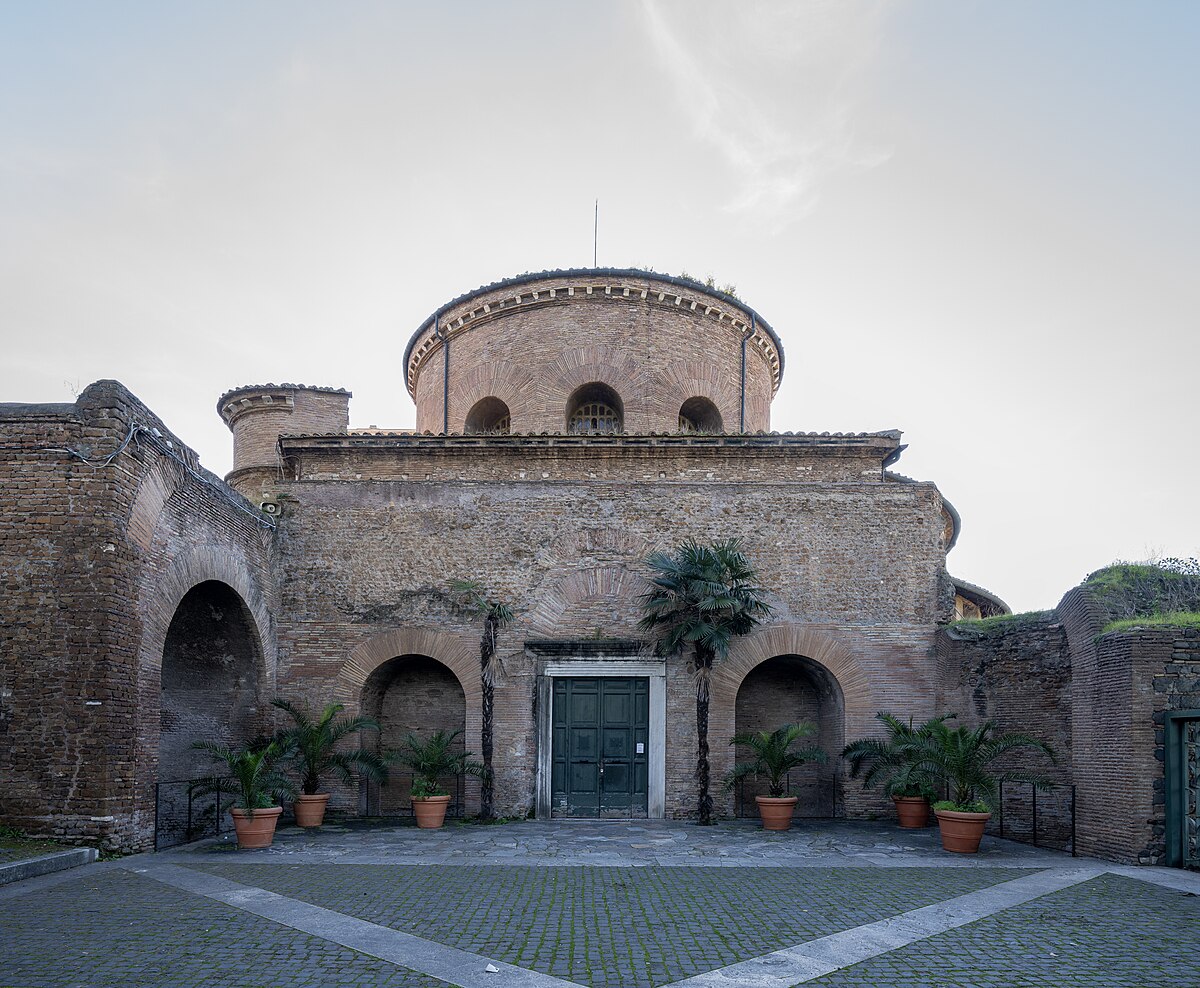


Santa Costanza
Overview
Santa Costanza is an iconic church building located in the heart of Rome, Italy, that dates back to the 4th century. Originally constructed as a mausoleum for Constantia, the daughter of Emperor Constantine, this architectural marvel showcases a significant blend of Roman and early Christian styles. Its circular structure, adorned with vibrant mosaics, is both a historical and artistic landmark, drawing visitors and scholars alike for its beauty and cultural significance. The church is part of the larger heritage of early Christian architecture and remains a pivotal example of the transition from pagan to Christian art forms. As you explore Santa Costanza, you will encounter a serene atmosphere that invites reflection on its storied past and the evolution of religious practices in Rome.
History and Significance
Santa Costanza’s origins are deeply intertwined with the early Christian Church and the legacy of Emperor Constantine, who played a crucial role in the establishment of Christianity within the Roman Empire. Built around the mid-4th century, it was initially intended as a mausoleum for Constantia, the emperor’s daughter. The structure exemplifies the shift in architectural design during this period, moving away from traditional Roman burial practices towards a more symbolic representation of Christian beliefs.
The church’s significance is amplified by its role as an early Christian site of worship, showcasing how the faith began to permeate Roman society. As a result, Santa Costanza is not only a burial site but also a sanctuary that reflects the values and beliefs of the early Christian community. It served as a model for subsequent church designs, influencing the architectural landscape of Rome and beyond.
The intricate mosaics that adorn the interior are among the most celebrated features of Santa Costanza. These works of art depict various biblical scenes and symbolize the new spiritual narratives emerging in the early Christian world. The mosaics are a blend of pagan and Christian themes, showcasing the transitional period of the time. Scholars continue to study these artworks for their historical and artistic value, making Santa Costanza a vital location for understanding the evolution of Christian art.
In addition to its architectural and artistic significance, Santa Costanza is also recognized for its cultural importance. It remains a site of pilgrimage and reflection, attracting visitors interested in both history and spirituality. The church has been preserved over the centuries, allowing it to maintain its historical integrity while providing insight into the lives and beliefs of those who came before us.
Architecture and Features
Santa Costanza is distinguished by its unique architectural design, characterized by a circular plan that diverges from the more traditional rectangular layouts of contemporary churches. The building features a central domed ceiling that rises majestically above the nave, creating a sense of openness and grandeur. The structure is supported by a series of massive columns that define the interior space, providing both structural integrity and aesthetic beauty.
One of the most striking features of Santa Costanza is its elaborate mosaics, which cover the walls and ceilings. These mosaics depict a variety of themes, including scenes from the Old and New Testaments. The vibrant colors and intricate details offer a glimpse into the artistic techniques of the time and serve as a visual narrative of early Christian beliefs. The mosaic of the grape harvest, for example, symbolizes the Eucharist and the promise of eternal life, reflecting the church’s theological significance.
The church’s exterior, while relatively simple compared to its richly decorated interior, features a classic Roman style that integrates seamlessly into the urban fabric of Rome. The use of brick and stone reflects the materials common in the region during its construction, while the round shape sets it apart from other religious buildings in the area.
Visitors to Santa Costanza will also notice the serene atmosphere within the church, enhanced by its carefully designed acoustics and lighting. The combination of architectural elements creates a space that invites contemplation and prayer, making it a fitting place for both religious observance and artistic admiration.
Visiting Information
Santa Costanza is accessible via various forms of public transport in Rome. Visitors can take the metro to the nearest station, followed by a short walk to the church. Buses also service the area, making it convenient for tourists to incorporate a visit into their itinerary.
Check the official website for current information regarding hours of operation and any potential admission fees. Given the church’s historical significance, it is advisable to allocate at least an hour for your visit to fully appreciate the architecture and mosaics. Early mornings or late afternoons are typically the best times to visit to avoid larger crowds, allowing for a more peaceful exploration of the site.
Inside, visitors can expect a serene environment, conducive to both reflection and appreciation of the church’s historical and artistic value. The interior is often cooler than the exterior, providing a pleasant respite from the Roman heat, especially during the summer months.
For those planning to visit, it is recommended to wear comfortable shoes, as the church may require some walking to explore fully. Additionally, consider bringing a water bottle and a light jacket, as the temperature inside can vary.
Nearby Attractions
While visiting Santa Costanza, take the opportunity to explore several nearby attractions that showcase the rich heritage of Rome:
Basilica di San Giovanni in Laterano - Known as the Cathedral of Rome, this significant basilica features stunning architecture and beautiful art.
Basilica di San Clemente - This unique church offers a layered history, with structures dating back to the 1st century, providing insight into Roman and Christian evolution.
Parco della Caffarella - A beautiful green space nearby, ideal for a leisurely stroll or picnic, featuring ancient Roman ruins and serene landscapes.
Catacombs of San Callisto - Explore the extensive underground burial sites that offer a fascinating glimpse into early Christian funerary practices.
Palazzo del Laterano - The official ecclesiastical seat of the Pope, this palace is rich in history and architecture, often overlooked by tourists.
Insider Tips
To make the most of your visit to Santa Costanza, consider these insider tips:
Photography Tips: While photography is often permitted, be respectful of the sacred space and other visitors. Capture the stunning mosaics and architectural details, but avoid using flash, which can be disruptive.
Crowd Avoidance: To enjoy a quieter experience, plan your visit during weekdays and aim for early morning or late afternoon. This timing not only minimizes crowds but also enhances the natural light for photography.
Practical Information
When planning your visit to Santa Costanza, keep these practical tips in mind:
What to Bring: Comfortable walking shoes are essential, as well as a light jacket for potential temperature changes inside the church. Bring a water bottle to stay hydrated, especially in warmer months.
Seasonal Considerations: If possible, visit during the shoulder seasons of spring or fall when the weather is pleasant, and tourist crowds are generally smaller.
Accessibility: While the church is primarily accessible, be aware that some areas may present challenges for those with mobility restrictions. It’s advisable to check specific accessibility information ahead of your visit.
Frequently Asked Questions
How long should I spend visiting?
A visit to Santa Costanza typically takes about 1 to 1.5 hours, allowing ample time to explore the interior and appreciate the mosaics.
Is photography allowed?
Photography is generally permitted, but be mindful of other visitors and avoid using flash in the church.
Are there guided tours?
Check the official website for information on guided tours, which may enhance your understanding of the church’s history and art.
What’s the best time to visit?
The best times to visit are early mornings or late afternoons on weekdays to avoid larger crowds.
Is it wheelchair accessible?
While the church is accessible, some areas may be challenging for those with mobility issues. It’s best to check ahead for specific accessibility options.
Can I buy tickets online?
Check the official website for information regarding ticket purchasing options, including online availability.
Are there restrooms and cafes?
Facilities may be limited; consider visiting nearby cafes or restaurants for refreshments before or after your visit.
What should I wear?
Dress respectfully, as Santa Costanza is a religious site. Comfortable shoes are recommended for walking.
Visiting Santa Costanza offers a profound connection to the history of early Christianity and a chance to appreciate the artistry of its time. With its stunning mosaics and unique architectural features, this church remains a significant landmark in the heart of Rome, inviting all who enter to reflect on its enduring legacy.
Photo Gallery
Visit Information
Quick Facts
- Heritage Type
- Church Building
- Region
- lazio
- Wikidata ID
- Q831361
More in lazio
Abatino Park
📍 lazio, Italy
The Abatino Park is a serene natural park located in Lazio, Italy, offering visitors a peaceful retreat with lush landscapes and recreational …
Abbazia di Santa Maria di Ponza
📍 lazio, Italy
The Abbazia di Santa Maria di Ponza is a Cistercian monastery on Ponza Island, Italy, renowned for its serene atmosphere and historical significance.

Academia Belgica
📍 lazio, Italy
The Academia Belgica is a Belgian cultural institution located in Rome, Italy, notable for its role in promoting Belgian heritage and fostering …
Accademia di Belle Arti di Frosinone
📍 lazio, Italy
The Accademia di Belle Arti di Frosinone is an educational institution in Frosinone, Italy, renowned for its commitment to fostering artistic talent …
Acqua Vergine
📍 lazio, Italy
Acqua Vergine is a modern aqueduct located in Rome, Italy, known for its engineering marvel and role in the city's water supply system.

Acquedotto delle Arcatelle
📍 lazio, Italy
The Acquedotto delle Arcatelle is a 17th-century aqueduct located in Tarquinia, Italy, recognized for its impressive architectural design and …
More Church Building

Abbazia della Misericordia
📍 veneto, Italy
The Abbazia della Misericordia is a historic former church and abbey in Venice, Italy, renowned for its architectural significance and rich cultural …

Abbazia di Nostra Signora di Paulis
📍 sardinia, Italy
Abbazia di Nostra Signora di Paulis is a historic church building located in Ittiri, Sardinia, Italy, celebrated for its architectural charm and …

Abbazia di Pomposa
📍 veneto, Italy
The Abbazia di Pomposa is a historic church building located in Pomposa, Codigoro, Italy, known for its architectural features and serene atmosphere.

Abbazia di San Gaudenzio
📍 tuscany, Italy
The Abbazia di San Gaudenzio is a historic abbey located in San Gaudenzio, Tuscany, Italy, notable for its architectural elegance and spiritual …

Abbazia di Santa Maria
📍 sicily, Italy
Abbazia di Santa Maria is a historic church building located in Novara di Sicilia, Sicily, Italy, known for its architectural beauty and cultural …

Abbazia di Santa Maria a Cerrate (Lecce)
📍 apulia, Italy
The Abbazia di Santa Maria a Cerrate is an ancient church building located in Lecce, Italy, renowned for its historical significance and architectural …