


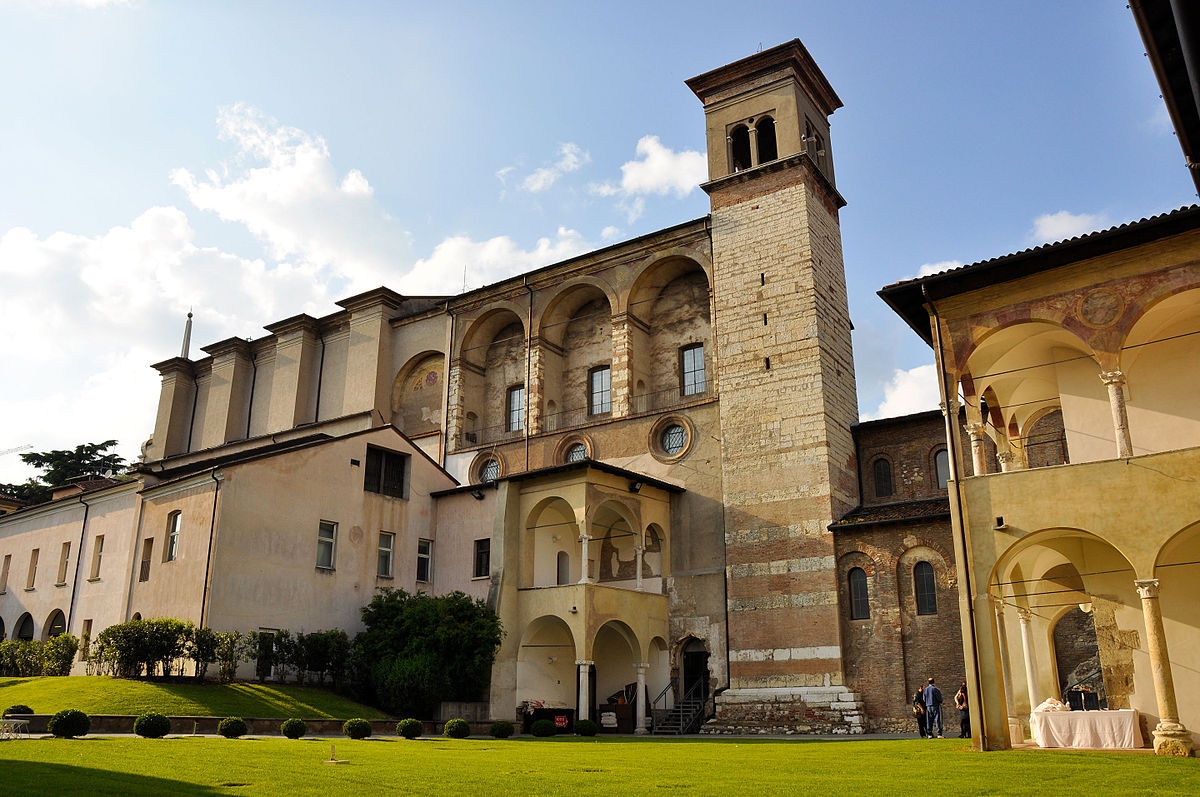

San Salvatore, Brescia
Overview
Located in the heart of Brescia, Lombardy, San Salvatore is a remarkable church that serves as a museum and a former monastery. This significant site is a key part of the city’s rich historical fabric, reflecting the artistic and spiritual heritage of the region. Brescia itself, with its beautiful piazzas and ancient ruins, provides a captivating backdrop for visitors interested in exploring its cultural treasures. The San Salvatore church, with its intricate design and storied past, offers a unique glimpse into the religious and artistic developments of Italy over the centuries.
As you wander through its halls, you will encounter a blend of historical narratives and architectural styles that have evolved over time. This site not only serves as a place of worship but also as a center for cultural exchange and artistic expression. Visitors can expect a profound experience, steeped in the history of Brescia and the broader context of Lombardy’s ecclesiastical heritage.
History and Significance
The San Salvatore church has long been a vital part of Brescia’s cultural landscape. Originally established as a monastery, it has undergone various transformations throughout its existence, reflecting the shifting dynamics of religious practices and societal changes in the region. The church’s role has evolved from a monastic community setting to a prominent place of worship, and now functions as a museum that showcases its rich historical legacy.
The significance of San Salvatore extends beyond its architecture; it has been a site of pilgrimage and spiritual reflection for centuries. The church has witnessed numerous historical events, serving as a backdrop for both local and regional developments. Its connection to the community is palpable, as many residents regard it as a symbol of their city’s heritage. Additionally, the church’s collections and exhibitions provide insights into the local culture, art, and history, making it not just a religious site but also a repository of knowledge about the region.
Over the years, San Salvatore has played an essential role in the preservation of Brescia’s artistic heritage, housing valuable works of art and artifacts that tell the story of its past. This aspect of its history invites visitors to explore the intricate connections between faith, art, and community life that have shaped the church’s identity.
Architecture and Features
The architectural layout of San Salvatore is a testament to the artistry and craftsmanship of the periods in which it was built and renovated. The church features a blend of styles that reflect the historical evolution of ecclesiastical architecture in northern Italy. Visitors will notice the intricate detailing on the façade and within the interior, showcasing artistic elements that range from Romanesque to Baroque influences.
One of the standout features of the church is its stunning altarpiece, which is surrounded by beautifully crafted frescoes that narrate biblical stories and saints’ lives. The use of vibrant colors and meticulous techniques captures the viewer’s attention and invites contemplation. The nave, with its high ceilings and carefully designed arches, creates an awe-inspiring atmosphere that enhances the spiritual experience of the space.
The museum aspect of San Salvatore allows visitors to appreciate not only the church’s religious significance but also its role in preserving local art and history. Exhibitions often include artifacts from the monastery’s past, providing context to the church’s significance over the centuries. These elements combined make San Salvatore a remarkable example of ecclesiastical architecture and a significant cultural institution in Brescia.
Visiting Information
Visiting San Salvatore is a rewarding experience for those interested in history, art, and architecture. The church is located in Brescia, easily accessible by public transport or car. Visitors can expect to spend around one to two hours exploring the space, depending on their interest in the exhibitions and the surrounding area.
Check the official website for current information regarding visiting hours and ticket prices. It’s advisable to plan your visit during weekdays or early mornings to avoid larger crowds, especially during peak tourist seasons. Engage with the site’s offerings at a leisurely pace, allowing ample time to appreciate the intricate details and historical significance.
The site is generally welcoming to visitors, but checking accessibility options is recommended for those with mobility concerns. Additionally, visitors should consider the seasonal climate when planning their trip, as the weather in Lombardy can vary significantly throughout the year.
Nearby Attractions
While visiting San Salvatore, consider exploring these notable nearby attractions:
- Piazza della Loggia: A stunning renaissance square just a short walk away, known for its architectural beauty and historical significance.
- Castello di Brescia: This impressive castle offers panoramic views of the city and a glimpse into Brescia’s military history.
- Museo di Santa Giulia: An archaeological museum housed in a former monastery, showcasing the city’s rich history through various exhibits.
- Duomo Vecchio: The old cathedral of Brescia, an architectural marvel that is a must-see for visitors.
- Pinacoteca Tosio Martinengo: An art gallery featuring masterpieces from renowned artists, providing a deeper understanding of the region’s artistic heritage.
Insider Tips
To make the most of your visit to San Salvatore, consider the following tips:
- Photography: While photography is generally allowed, be respectful of the space and other visitors. Some areas may have restrictions, so it’s best to check before taking photos.
- Crowd Avoidance: To enjoy a more peaceful experience, visit during the weekdays or during off-peak hours, such as early mornings or late afternoons.
- Guided Tours: Consider joining a guided tour for a more in-depth understanding of the church’s history and architectural details. This can enhance your appreciation of the site.
- Dress Code: As a place of worship, it is advisable to dress modestly while visiting.
Practical Information
When planning your visit to San Salvatore, here are some practical considerations:
- What to Bring: Comfortable walking shoes are recommended, as you will likely explore both the church and its surroundings. A water bottle and a small bag for personal items will be useful.
- Seasonal Considerations: The best times to visit are during the spring and early autumn when the weather tends to be mild and pleasant. Summer can be quite hot, while winter may bring colder temperatures.
- Amenities: Check for restrooms and nearby cafes or restaurants to ensure you have a comfortable visit.
Frequently Asked Questions
How long should I spend visiting?
Typically, one to two hours is sufficient to explore San Salvatore and appreciate its features.
Is photography allowed?
Photography is generally permitted, but be mindful of restrictions in certain areas.
Are there guided tours?
Guided tours may be available, providing deeper insights into the church’s history and architecture.
What’s the best time to visit?
Weekdays or early mornings during off-peak seasons are ideal for a quieter experience.
Is it wheelchair accessible?
Check the official website for specific accessibility options available at the site.
Can I buy tickets online?
Ticket purchasing options may vary; check the official website for current information.
Are there restrooms and cafes?
Facilities may be available, so it’s advisable to check beforehand.
What should I wear?
Dress modestly as a sign of respect for the space, especially since it is a place of worship.
Photo Gallery
More in lombardy
Abbazia dei SS. Pietro e Paolo
📍 lombardy, Italy
The Abbazia dei SS. Pietro e Paolo is a historic monastery located in Lombardy, Italy, known for its serene atmosphere and cultural significance.

Abbazia dell'Acquafredda
📍 lombardy, Italy
The Abbazia dell'Acquafredda is a serene monastery located in Lombardy, Italy, near Lake Como, known for its tranquil atmosphere and historical …
Abbazia di S. Giovanni
📍 lombardy, Italy
The Abbazia di S. Giovanni is a historic monastery located in Lombardy, Italy, known for its serene atmosphere and architectural simplicity.
abbazia di San Giovanni
📍 lombardy, Italy
The abbazia di San Giovanni is a historic monastery located in Vertemate con Minoprio, Italy, known for its tranquil ambiance and architectural …

Abbazia di San Nicola (Rodengo Saiano)
📍 lombardy, Italy
The Abbazia di San Nicola is a historic monastery located in Rodengo Saiano, Italy, renowned for its architectural beauty and tranquil ambiance.
Abbey of Cavatigozzi
📍 lombardy, Italy
The Abbey of Cavatigozzi is a historic monastery located in Lombardy, Italy, renowned for its serene ambiance and architectural beauty.
More Church Building

Abbazia della Misericordia
📍 veneto, Italy
The Abbazia della Misericordia is a historic former church and abbey in Venice, Italy, renowned for its architectural significance and rich cultural …

Abbazia di Nostra Signora di Paulis
📍 sardinia, Italy
Abbazia di Nostra Signora di Paulis is a historic church building located in Ittiri, Sardinia, Italy, celebrated for its architectural charm and …

Abbazia di Pomposa
📍 veneto, Italy
The Abbazia di Pomposa is a historic church building located in Pomposa, Codigoro, Italy, known for its architectural features and serene atmosphere.

Abbazia di San Gaudenzio
📍 tuscany, Italy
The Abbazia di San Gaudenzio is a historic abbey located in San Gaudenzio, Tuscany, Italy, notable for its architectural elegance and spiritual …

Abbazia di Santa Maria
📍 sicily, Italy
Abbazia di Santa Maria is a historic church building located in Novara di Sicilia, Sicily, Italy, known for its architectural beauty and cultural …

Abbazia di Santa Maria a Cerrate (Lecce)
📍 apulia, Italy
The Abbazia di Santa Maria a Cerrate is an ancient church building located in Lecce, Italy, renowned for its historical significance and architectural …