
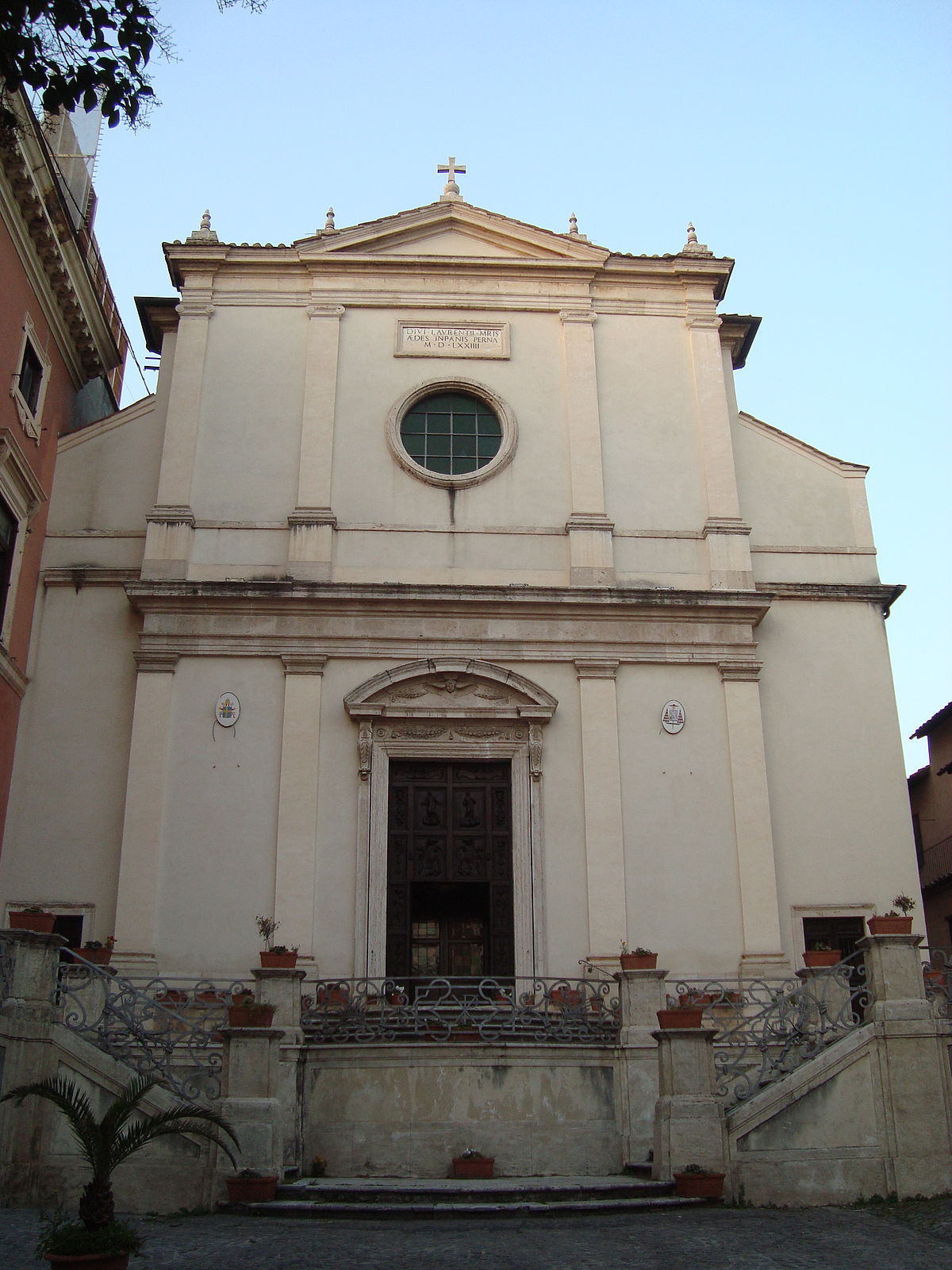


San Lorenzo in Panisperna
Overview
San Lorenzo in Panisperna is a striking church located in the heart of Rome, Italy. It stands as a testament to the enduring spiritual and cultural legacy of the city, attracting both pilgrims and tourists alike. With its origins deeply rooted in the early Christian era, this church serves not only as a place of worship but also as a significant landmark within the vibrant urban landscape of Rome. Positioned in the bustling district of Esquilino, San Lorenzo in Panisperna is likely to intrigue visitors who are keen on exploring Rome’s rich ecclesiastical history.
The church’s location offers easy access to other historical sites, making it a convenient stop for those delving into the depths of Rome’s religious architecture. Visitors can expect to witness impressive elements that reflect the evolution of church architecture through the centuries, alongside a tranquil atmosphere that invites contemplation and reflection. Exploring San Lorenzo in Panisperna provides an opportunity to connect with the historical fabric of one of the most renowned cities in the world.
History and Significance
San Lorenzo in Panisperna has a storied past that traces back to the early days of Christianity. While specific dates of its founding are not well-documented, the church is believed to have been established in the 4th century. It is dedicated to Saint Lawrence, a martyr of the early Christian period, whose legacy continues to resonate within the church’s walls. Over the centuries, San Lorenzo has served various functions and has undergone several restorations, reflecting the changing dynamics and needs of the community it serves.
One of the notable historical events associated with San Lorenzo in Panisperna is its connection to the early Christian martyrs. It is said that the church was built over the site where Saint Lawrence was buried. This connection adds a layer of significance for many visitors who come to pay homage to the saint and reflect on the sacrifices made during the early years of Christianity.
Throughout its history, San Lorenzo in Panisperna has been a focal point for local worshippers and has played a vital role in the surrounding community. The church has been a witness to the ebb and flow of Roman history, including changes in governance and shifts in religious practices. Its perseverance through these changes underscores its importance as a cultural and spiritual landmark in Rome.
Architecture and Features
The architecture of San Lorenzo in Panisperna is characterized by its simple yet elegant design, which reflects the architectural styles prevalent during its time of construction. The church features a classic Romanesque style, with a facade that is both inviting and solemn. The exterior is adorned with decorative elements that speak to the artistic sensibilities of the period, including stone carvings and intricate detailing.
Upon entering, visitors are greeted by a spacious nave that is typically bathed in natural light, creating a serene atmosphere ideal for prayer and reflection. The interior decor includes beautiful frescoes and altarpieces that illustrate biblical scenes and the lives of saints. These artistic elements not only enhance the church’s spiritual ambiance but also provide insight into the cultural and devotional practices of the time.
One of the notable features within San Lorenzo in Panisperna is its altar, which is often the focal point of the church’s liturgical activities. The altar is intricately designed and serves as a gathering place for both clergy and worshippers during services. Additionally, the church is home to various chapels that may contain relics and artworks significant to the local community.
Overall, San Lorenzo in Panisperna exemplifies the architectural and artistic traditions of early Christian churches, making it an important site for those interested in religious architecture and history.
Visiting Information
San Lorenzo in Panisperna is located conveniently within Rome, making it accessible for visitors traveling by public transport. The nearest metro station is just a short walk away, providing easy access to the church from various parts of the city. Those arriving by bus will also find several routes that stop close to the church.
When planning a visit, it’s advisable to check the official website for current information regarding opening hours and any potential entry fees. Visitors can expect to spend approximately an hour exploring the church, allowing time to appreciate the interior artwork and soak in the atmosphere.
The best times to visit are during weekdays when the church is less crowded, allowing for a more intimate experience. Early morning or late afternoon visits can also provide a quieter setting for reflection.
Nearby Attractions
- Basilica di Santa Maria Maggiore - A grand basilica known for its stunning mosaics and architectural beauty, just a short distance away.
- Basilica di San Giovanni in Laterano - The Cathedral of Rome, rich in history and grandeur, is a must-visit for those interested in ecclesiastical architecture.
- Quirinal Palace - The official residence of the President of Italy, this magnificent palace offers guided tours and beautiful gardens.
- Piazza della Repubblica - A vibrant square surrounded by cafes and shops, perfect for a leisurely stroll after visiting the church.
- Teatro dell’Opera di Roma - Rome’s opera house, where visitors can catch a performance or explore its stunning architecture.
Insider Tips
For photography enthusiasts, the best time to capture the beauty of San Lorenzo in Panisperna is during the golden hour, just before sunset, when the light casts a warm glow on the church’s facade. Inside, be mindful of the lighting, as it can vary greatly depending on the time of day.
To avoid crowds, consider visiting during weekday mornings. This time typically sees fewer visitors, allowing you to appreciate the church’s serene atmosphere without distraction.
If you’re interested in local culture, check for any special events or services taking place during your visit, as these can provide a unique insight into the community’s traditions.
Practical Information
When visiting San Lorenzo in Panisperna, it is advisable to bring a small bag for personal items and any materials you may wish to use for note-taking or sketching. Dress modestly, as is customary in places of worship, and be prepared for varying indoor temperatures, which can be cooler than the outside climate.
Seasonal considerations include warmer weather in the summer, so plan to visit during cooler parts of the day. The church may also host special services during religious holidays, which could affect accessibility.
Frequently Asked Questions
How long should I spend visiting?
Approximately one hour is recommended to fully appreciate the church’s interior and atmosphere.
Is photography allowed?
Yes, photography is generally permitted, but be respectful of worshippers and the sacred space.
Are there guided tours?
Check the official website for information on guided tours, as they may be offered seasonally or during special events.
What’s the best time to visit?
Weekdays, especially in the morning or late afternoon, are ideal for avoiding crowds.
Is it wheelchair accessible?
Check the official website for current accessibility information.
Can I buy tickets online?
Entry is typically free, but it’s best to check the official website for any updates regarding special events that may require tickets.
Are there restrooms and cafes?
Facilities may be limited; consider visiting nearby cafes for refreshments.
What should I wear?
Modest attire is recommended, in accordance with typical church decorum.
Photo Gallery
Location
More in lazio
Abatino Park
📍 lazio, Italy
The Abatino Park is a serene natural park located in Lazio, Italy, offering visitors a peaceful retreat with lush landscapes and recreational …
Abbazia di Santa Maria di Ponza
📍 lazio, Italy
The Abbazia di Santa Maria di Ponza is a Cistercian monastery on Ponza Island, Italy, renowned for its serene atmosphere and historical significance.

Academia Belgica
📍 lazio, Italy
The Academia Belgica is a Belgian cultural institution located in Rome, Italy, notable for its role in promoting Belgian heritage and fostering …
Accademia di Belle Arti di Frosinone
📍 lazio, Italy
The Accademia di Belle Arti di Frosinone is an educational institution in Frosinone, Italy, renowned for its commitment to fostering artistic talent …
Acqua Vergine
📍 lazio, Italy
Acqua Vergine is a modern aqueduct located in Rome, Italy, known for its engineering marvel and role in the city's water supply system.

Acquedotto delle Arcatelle
📍 lazio, Italy
The Acquedotto delle Arcatelle is a 17th-century aqueduct located in Tarquinia, Italy, recognized for its impressive architectural design and …
More Church Building

Abbazia della Misericordia
📍 veneto, Italy
The Abbazia della Misericordia is a historic former church and abbey in Venice, Italy, renowned for its architectural significance and rich cultural …

Abbazia di Nostra Signora di Paulis
📍 sardinia, Italy
Abbazia di Nostra Signora di Paulis is a historic church building located in Ittiri, Sardinia, Italy, celebrated for its architectural charm and …

Abbazia di Pomposa
📍 veneto, Italy
The Abbazia di Pomposa is a historic church building located in Pomposa, Codigoro, Italy, known for its architectural features and serene atmosphere.

Abbazia di San Gaudenzio
📍 tuscany, Italy
The Abbazia di San Gaudenzio is a historic abbey located in San Gaudenzio, Tuscany, Italy, notable for its architectural elegance and spiritual …

Abbazia di Santa Maria
📍 sicily, Italy
Abbazia di Santa Maria is a historic church building located in Novara di Sicilia, Sicily, Italy, known for its architectural beauty and cultural …

Abbazia di Santa Maria a Cerrate (Lecce)
📍 apulia, Italy
The Abbazia di Santa Maria a Cerrate is an ancient church building located in Lecce, Italy, renowned for its historical significance and architectural …