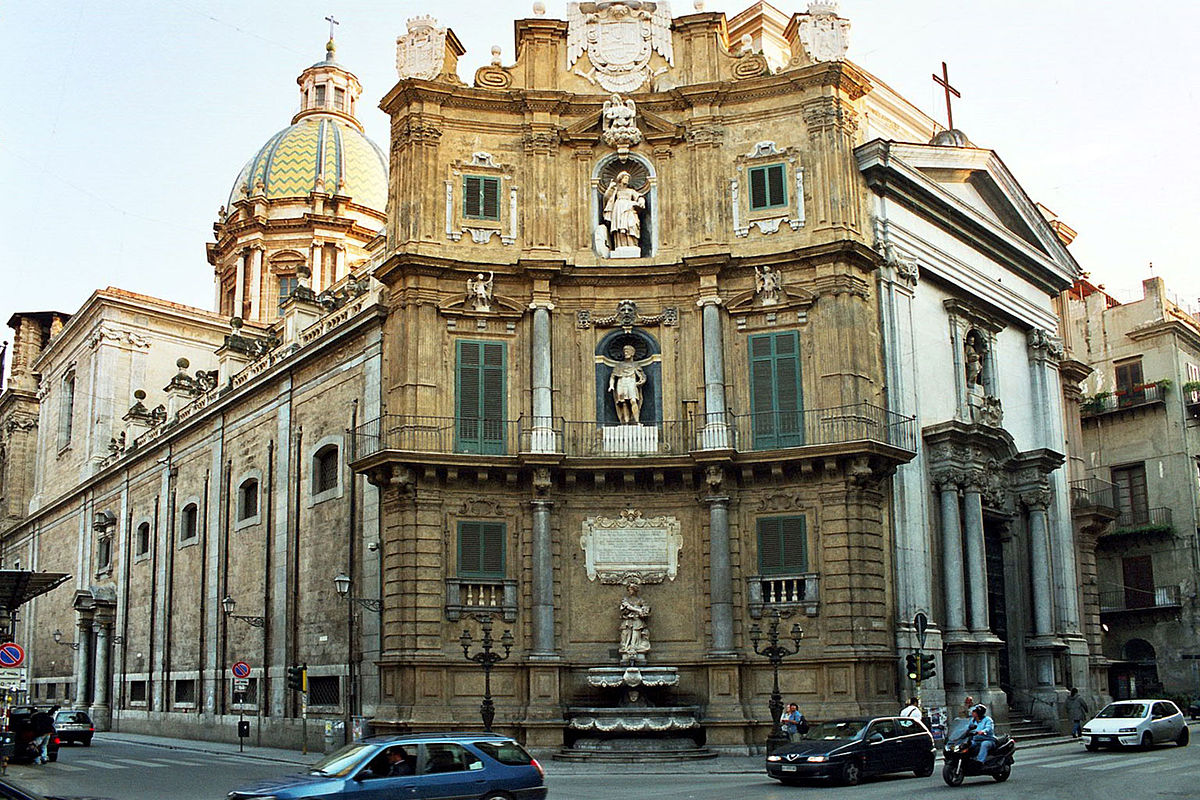


San Giuseppe dei Teatini
Overview
San Giuseppe dei Teatini is a church located in the heart of Sicily, Italy, specifically in the vibrant city of Palermo. This architectural gem showcases the elegance of Baroque design, reflecting the artistic movements that flourished in the region. Built to serve the needs of the local community, the church stands as a symbol of faith and artistic achievement, drawing visitors not only for its spiritual significance but also for its architectural beauty.
The church is situated within a region that is rich in history and culture, making it a perfect stop for anyone interested in exploring the diverse heritage of Sicily. Its striking façade and intricate interior are complemented by the lively atmosphere of Palermo, where the sounds of the city mingle with the serenity of the church’s sacred space. Visitors can expect to be captivated by the artistry and craftsmanship that define San Giuseppe dei Teatini as they explore its hallowed halls.
History and Significance
San Giuseppe dei Teatini, dedicated to Saint Joseph, reflects the broader cultural and religious movements that have shaped Sicily throughout the centuries. Historically, the church was built by the Theatine Order, a religious group established in the 16th century, which sought to promote a deeper spiritual life through education and community service. The construction of the church illustrates the influence of this order in Palermo, particularly in the Baroque period when art and architecture were used to express religious devotion.
The church’s establishment coincided with a time of renewal and expansion in Palermo, where faith and art intertwined to create spaces that inspired both worship and reflection. San Giuseppe dei Teatini quickly became an integral part of the community, serving not just as a place of worship but also as a center for cultural and social gatherings. Its significance is further enhanced by the various artistic works housed within, which illustrate the intersection of faith and creativity in Sicilian culture.
Over the years, San Giuseppe dei Teatini has witnessed numerous events and transformations, making it a living monument to the city’s resilience and adaptability. The church continues to play a pivotal role in the spiritual life of Palermo, drawing both locals and tourists who seek to connect with its history and community.
Architecture and Features
The architectural style of San Giuseppe dei Teatini is a quintessential example of Sicilian Baroque. The exterior features a grand façade characterized by intricate carvings, ornate details, and a dramatic entrance that invites visitors into its sacred space. The use of light-colored stone enhances the building’s presence, making it a striking landmark within the urban landscape of Palermo.
Upon entering, visitors are greeted by a stunning interior that showcases the artistry of the Baroque period. The nave is adorned with elaborate frescoes and gilded decorations that create a sense of grandeur and reverence. The high altar is particularly noteworthy, featuring intricate details that reflect the church’s dedication to Saint Joseph. The combination of natural light filtering through stained glass windows and the rich colors of the interior adds to the spiritual ambience of the space.
Key features of the church include its beautifully crafted altarpieces, which depict various saints and biblical scenes, as well as the ornate chapels that line the sides of the nave. Each chapel is a testament to the artistry of its time, offering a glimpse into the religious devotion and creativity that flourished in Sicily.
Overall, San Giuseppe dei Teatini stands as a remarkable example of Baroque architecture, inviting visitors to appreciate its beauty and significance in the context of Sicilian heritage.
Visiting Information
To visit San Giuseppe dei Teatini, travelers can easily access the church from various points in Palermo. It is conveniently located in the city center, making it an ideal stop for those exploring the area’s rich cultural offerings. The church is typically open to the public, but it is advisable to check the official website for current information regarding hours and potential entry fees.
Visitors should plan to spend around 30 to 60 minutes exploring the church, allowing ample time to take in the intricate details of the architecture and the serene atmosphere. The best times to visit are during the weekdays when the crowds are generally smaller, providing a more intimate experience to appreciate the church’s beauty.
When visiting, it’s essential to dress appropriately, as this is a place of worship. Respectful attire is encouraged, with shoulders and knees covered. Additionally, visitors should be mindful of the church’s quiet nature, refraining from loud conversations and maintaining a respectful demeanor.
Nearby Attractions
Palermo Cathedral: A short walk from San Giuseppe dei Teatini, this iconic cathedral showcases a mix of architectural styles and houses numerous chapels and tombs.
Quattro Canti: This historical intersection is renowned for its Baroque buildings and is a perfect spot for a quick photo opportunity while exploring Palermo.
Piazza Pretoria: Known for the stunning fountain at its center, this square is surrounded by impressive architecture and offers a lively atmosphere.
Teatro Massimo: One of the largest opera houses in Italy, Teatro Massimo is a cultural highlight of Palermo and offers guided tours of its opulent interiors.
Palazzo dei Normanni: A short distance away, this historic palace is home to the stunning Palatine Chapel and offers insight into Sicily’s Norman period.
Insider Tips
To capture the best photographs of San Giuseppe dei Teatini, visit early in the morning or later in the afternoon when the natural light enhances the church’s intricate details. Be sure to explore different angles around the exterior to showcase its grand façade.
To avoid crowds, consider visiting during the weekdays. Many locals attend services on Sundays, making it busier during this time. Engaging with the local community can also enrich your visit, providing insight into the cultural significance of the church.
Practical Information
When visiting San Giuseppe dei Teatini, it is advisable to bring a small bag for personal items and a camera to capture the stunning architecture. Comfortable walking shoes are recommended, as exploring the church and the surrounding area often involves a bit of walking.
Seasonal considerations include checking the weather before your visit, as Palermo experiences warm summers and mild winters. Spring and fall are especially pleasant times to explore the city and its cultural sites.
Frequently Asked Questions
How long should I spend visiting?
Most visitors spend about 30 to 60 minutes at San Giuseppe dei Teatini to fully appreciate its architecture and atmosphere.
Is photography allowed?
Photography is generally permitted; however, visitors should be respectful of the sacred environment and avoid using flash during worship services.
Are there guided tours?
Guided tours may be available through local organizations, but it is best to check the official website for current offerings and schedules.
What’s the best time to visit?
Weekdays are ideal for a quieter experience, while early morning or late afternoon visits provide better lighting for photography.
Is it wheelchair accessible?
Accessibility information can vary, so it is recommended to check with the church directly to confirm availability of accessible entrances and facilities.
Can I buy tickets online?
Check the official website for information on ticket availability and purchasing options, as these may vary.
Are there restrooms and cafes?
Restroom facilities may be limited within the church; nearby cafes in the city can provide refreshments before or after your visit.
What should I wear?
Visitors are encouraged to dress modestly, with shoulders and knees covered, as this is a place of worship.
San Giuseppe dei Teatini represents not only a space for spiritual reflection but also a pillar of the cultural heritage of Sicily, inviting visitors to explore its historical and artistic legacy.
Photo Gallery
More in sicily

Abbazia di S. Benedetto
📍 sicily, Italy
The Abbazia di S. Benedetto is a historic monastery located in Militello in Val di Catania, Sicily, renowned for its architectural beauty and serene …

Abbazia di Santa Maria
📍 sicily, Italy
Abbazia di Santa Maria is a historic church building located in Novara di Sicilia, Sicily, Italy, known for its architectural beauty and cultural …

Acquedotto Biscari
📍 sicily, Italy
The Acquedotto Biscari is a historic aqueduct located in Sicily, Italy, renowned for its impressive engineering and cultural significance in the …

Agrigento
📍 sicily, Italy
Agrigento is a historic city in Sicily, Italy, renowned for its ancient ruins and the Valley of the Temples, a UNESCO World Heritage Site showcasing …

Agrigento Cathedral
📍 sicily, Italy
Agrigento Cathedral is a historic church in Agrigento, Sicily, celebrated for its architectural beauty and cultural significance in the region.

Alcantara
📍 sicily, Italy
Alcantara is a river in Sicily, Italy, known for its ancient name Akesines and striking natural beauty, attracting nature enthusiasts and history …
More Church Building

Abbazia della Misericordia
📍 veneto, Italy
The Abbazia della Misericordia is a historic former church and abbey in Venice, Italy, renowned for its architectural significance and rich cultural …

Abbazia di Nostra Signora di Paulis
📍 sardinia, Italy
Abbazia di Nostra Signora di Paulis is a historic church building located in Ittiri, Sardinia, Italy, celebrated for its architectural charm and …

Abbazia di Pomposa
📍 veneto, Italy
The Abbazia di Pomposa is a historic church building located in Pomposa, Codigoro, Italy, known for its architectural features and serene atmosphere.

Abbazia di San Gaudenzio
📍 tuscany, Italy
The Abbazia di San Gaudenzio is a historic abbey located in San Gaudenzio, Tuscany, Italy, notable for its architectural elegance and spiritual …
Abbazia di Santa Maria
📍 sicily, Italy
Abbazia di Santa Maria is a historic church building located in Novara di Sicilia, Sicily, Italy, known for its architectural beauty and cultural …

Abbazia di Santa Maria a Cerrate (Lecce)
📍 apulia, Italy
The Abbazia di Santa Maria a Cerrate is an ancient church building located in Lecce, Italy, renowned for its historical significance and architectural …