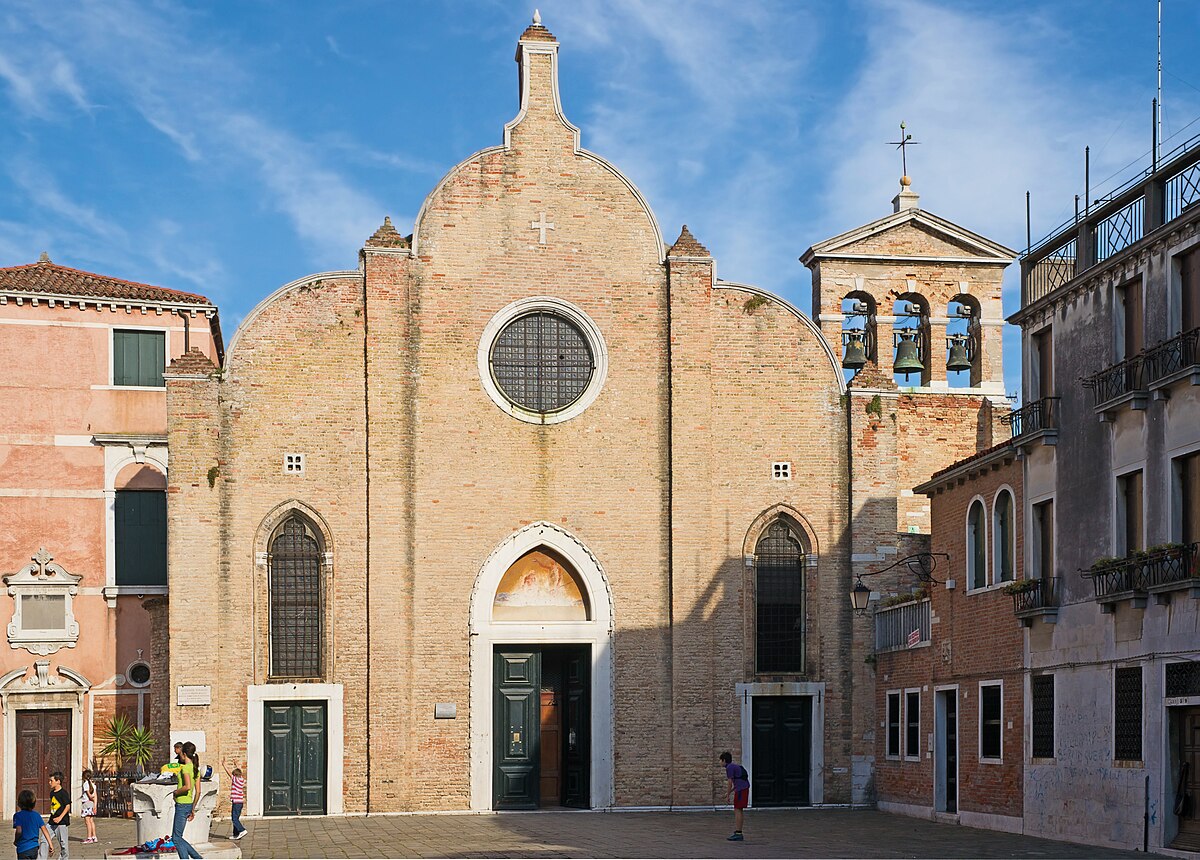


San Giovanni in Bragora
Overview
San Giovanni in Bragora, a charming church located in the heart of Venice, captures the essence of the city’s rich ecclesiastical history. Situated in the sestiere of Castello, this church provides a tranquil retreat from the bustling streets of one of the world’s most visited cities. Its origins date back to the early medieval period, marking it as one of the city’s longstanding religious structures. While not as renowned as other Venetian landmarks, such as St. Mark’s Basilica or the Rialto Bridge, San Giovanni in Bragora offers visitors a unique glimpse into Venice’s spiritual and artistic past.
As you approach the church, the serene atmosphere invites contemplation. The blend of art, architecture, and history makes it a worthy stop for those wishing to explore beyond the more crowded tourist sites. The church is dedicated to Saint John the Baptist, and its interior reflects a variety of artistic influences that have evolved over centuries. Whether you are a history buff, an art lover, or simply seeking a moment of peace, this church stands as an important part of Venice’s cultural heritage.
History and Significance
San Giovanni in Bragora’s history is intertwined with the early development of Venice. While specific founding dates are not documented, the church has been a significant religious site since the 9th century, serving the local community and adapting to the changing tides of Venetian history. The church’s dedication to St. John the Baptist reflects the importance of this saint in Christian tradition, particularly in relation to baptism and the preparation for Christ’s ministry.
Throughout the centuries, San Giovanni in Bragora has been the site of numerous artistic endeavors. Its interior is adorned with a collection of paintings and sculptures that highlight the talents of various artists who were influenced by the Venetian Renaissance. The church has also played a role in local festivities and religious observances, acting as a center for community events and gatherings. As Venice faced challenges such as the decline of its maritime empire and changes in religious practices, San Giovanni in Bragora remained a constant, adapting yet resilient.
The church’s significance extends beyond its architectural and artistic value; it reflects the evolution of Venetian society and its enduring faith over the centuries. As the city transformed, so too did its places of worship, and San Giovanni in Bragora serves as a reminder of the rich spiritual life that has defined Venice through the ages.
Architecture and Features
The architectural style of San Giovanni in Bragora is a blend of various influences, indicative of the evolution of church design in Venice. The exterior features a simple yet elegant façade that welcomes visitors with its understated charm. The bell tower, a prominent feature of the church, rises above the structure, offering a glimpse into the skyline of Venice.
As you step inside, you are greeted by an atmosphere of tranquility. The interior is characterized by a series of chapels that house a variety of artworks, including paintings and altarpieces that date back to the Renaissance. Among the notable artists, you can find works attributed to renowned Venetian painters, which contribute to the church’s artistic significance. The use of light within the church creates an ethereal quality, enhancing the viewing experience of the art.
Among the key features of San Giovanni in Bragora is its altar, which is adorned with elaborate decorations that reflect the craftsmanship of local artisans. The church also contains a series of historical artifacts and religious items, providing insight into the liturgical practices of the past. Visitors will appreciate the serene ambiance that encourages reflection and admiration of the church’s artistic treasures.
Visiting Information
San Giovanni in Bragora is conveniently located in the Castello district, easily accessible by foot from various points in the city. Public transportation options include the Vaporetto (water bus), with stops nearby that can take you through the scenic canals of Venice. While visiting, it is advisable to check the official website for current information regarding hours of operation and any potential entry fees.
A visit to the church typically requires about 30 minutes to an hour, allowing ample time to appreciate the interior and explore its artistic features. The best times to visit are during the early morning or late afternoon when the light filters gently through the windows, enhancing the beauty of the artworks. Additionally, consider visiting during weekdays to avoid larger crowds often present during weekends.
Nearby Attractions
- Basilica di San Giovanni e Paolo: Just a short walk from San Giovanni in Bragora, this basilica is known for its impressive Gothic architecture and numerous tombs of doges.
- Campo Santa Maria Formosa: A picturesque square that hosts a vibrant local atmosphere, perfect for enjoying a coffee or a gelato.
- Scuola di San Marco: This historic building showcases Venetian art and architecture, offering insight into the city’s cultural heritage.
- Giardini della Biennale: A beautiful park that often features contemporary art exhibitions, providing a contrast to the historical elements found in the city.
- Ponte dei Sospiri: Also known as the Bridge of Sighs, this iconic landmark is a short distance away and offers a glimpse into the history of Venetian justice.
Insider Tips
For those looking to capture the essence of San Giovanni in Bragora through photography, early mornings are ideal for avoiding crowds and capturing the soft light. Consider using a wide-angle lens to encompass the full beauty of the interior, especially around the altar area.
To avoid the busiest times, visiting during weekdays is recommended. This allows for a more intimate experience with the church and its artworks. Also, taking time to sit quietly in the church can enhance your appreciation of the atmosphere and allow for personal reflection.
Practical Information
When visiting San Giovanni in Bragora, it’s advisable to bring a small bag for personal items, as larger bags may not be permitted inside. Dress modestly, in accordance with the norms of visiting a place of worship, and consider wearing comfortable shoes for walking through the city.
Seasonal considerations are important; Venice can be quite crowded during the summer months, so visiting in the shoulder seasons of spring or autumn may provide a more pleasant experience. Additionally, be mindful of potential flooding during high tide seasons, which could affect access to certain areas of the city.
Frequently Asked Questions
How long should I spend visiting?
A visit typically takes about 30 minutes to an hour, allowing enough time to appreciate the art and tranquility of the space.
Is photography allowed?
Photography is generally permitted, but be respectful of the sacred nature of the space and avoid using flash.
Are there guided tours?
While guided tours may not be explicitly offered, local guides often include this church in broader walking tour itineraries.
What’s the best time to visit?
The best times to visit are early mornings or late afternoons during weekdays to avoid crowds.
Is it wheelchair accessible?
Accessibility may be limited; check the official website for specific information regarding facilities.
Can I buy tickets online?
Check the official website for current information on entry fees and ticket purchasing options.
Are there restrooms and cafes?
Restroom facilities are typically available nearby, but dining options may require a short walk to other areas.
What should I wear?
Modest attire is recommended, as this is a place of worship. Comfortable shoes are also advisable given the cobbled streets of Venice.
Photo Gallery
Visit Information
Quick Facts
- Heritage Type
- Church Building
- Region
- veneto
- Wikidata ID
- Q521260
More in veneto

Abbazia della Misericordia
📍 veneto, Italy
The Abbazia della Misericordia is a historic former church and abbey in Venice, Italy, renowned for its architectural significance and rich cultural …

Abbazia di Pomposa
📍 veneto, Italy
The Abbazia di Pomposa is a historic church building located in Pomposa, Codigoro, Italy, known for its architectural features and serene atmosphere.
Abbazia di San Bartolo
📍 veneto, Italy
The Abbazia di San Bartolo is a historic monastery located in Aguscello, Ferrara, Italy, known for its serene atmosphere and architectural …

Abbey of Santa Giustina
📍 veneto, Italy
The Abbey of Santa Giustina is a historic basilica in Padua, Italy, celebrated for its stunning architecture and religious significance.

Adigetto
📍 veneto, Italy
Adigetto is a serene river located in the Veneto region of Italy, known for its tranquil waters and natural beauty, offering a peaceful retreat for …

Adria Cathedral
📍 veneto, Italy
Adria Cathedral is a historic church building located in Adria, Italy, renowned for its architectural beauty and cultural significance in the Veneto …
More Church Building
Abbazia della Misericordia
📍 veneto, Italy
The Abbazia della Misericordia is a historic former church and abbey in Venice, Italy, renowned for its architectural significance and rich cultural …

Abbazia di Nostra Signora di Paulis
📍 sardinia, Italy
Abbazia di Nostra Signora di Paulis is a historic church building located in Ittiri, Sardinia, Italy, celebrated for its architectural charm and …
Abbazia di Pomposa
📍 veneto, Italy
The Abbazia di Pomposa is a historic church building located in Pomposa, Codigoro, Italy, known for its architectural features and serene atmosphere.

Abbazia di San Gaudenzio
📍 tuscany, Italy
The Abbazia di San Gaudenzio is a historic abbey located in San Gaudenzio, Tuscany, Italy, notable for its architectural elegance and spiritual …

Abbazia di Santa Maria
📍 sicily, Italy
Abbazia di Santa Maria is a historic church building located in Novara di Sicilia, Sicily, Italy, known for its architectural beauty and cultural …

Abbazia di Santa Maria a Cerrate (Lecce)
📍 apulia, Italy
The Abbazia di Santa Maria a Cerrate is an ancient church building located in Lecce, Italy, renowned for its historical significance and architectural …