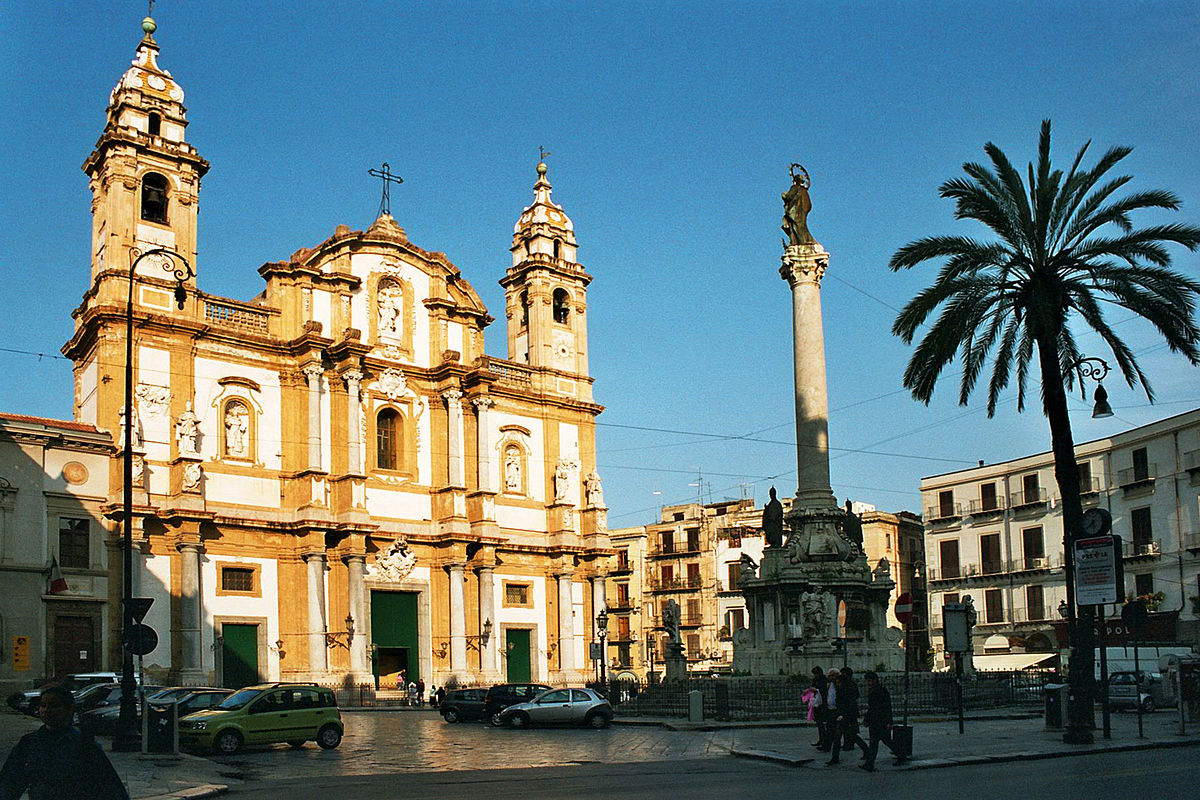


San Domenico, Palermo
Overview
San Domenico, located in the heart of Palermo, is a prominent church that reflects the city’s rich history and architectural evolution. This church is not merely a place of worship; it serves as a cultural landmark that showcases the artistic and religious developments of Sicily over centuries. Palermo itself is a melting pot of cultures, influenced by its diverse history, and San Domenico stands as a testament to this blend. The church draws visitors not only for its spiritual significance but also for its stunning artistic features, making it a must-see for anyone exploring the vibrant streets of Palermo.
Situated close to the bustling markets and historic sites, San Domenico is easily accessible and offers a serene escape from the lively atmosphere of the city. Its impressive façade and captivating interior invite both the faithful and curious travelers alike to explore its depths. As visitors step inside, they are greeted by the beauty of Baroque art, exquisite altars, and a palpable sense of history. This guide will delve into the church’s significance, architectural features, and essential visiting information to help you fully appreciate this remarkable site.
History and Significance
San Domenico has played a vital role in the religious and cultural life of Palermo since its establishment. While specific founding dates may not be readily available, the church has undergone significant transformations throughout its history, reflecting changes in artistic styles and religious practices. Originally built in the 13th century, San Domenico was founded by the Order of Preachers, commonly known as the Dominicans. This religious order was instrumental in the spread of education and theological thought during the Middle Ages.
Over the centuries, the church has served various functions, adapting to the spiritual needs of the community. It has witnessed numerous historical events and changes in political power, each leaving its mark on the building and its significance within the city. The integration of local artistic styles into the church’s design showcases the unique cultural syncretism that characterizes Sicily, making San Domenico a pivotal site for understanding the island’s complex heritage.
The church also houses several notable tombs, including those of prominent figures from Sicily’s history. These memorials highlight the church’s role as a final resting place for the elite and underscore its importance not only in religious terms but also as a site of cultural memory. San Domenico remains a vital part of Palermo’s identity, attracting worshippers and tourists alike who seek to connect with the rich narrative of the region.
Architecture and Features
The architecture of San Domenico is a remarkable example of Sicilian Baroque style, characterized by its elaborate decorations and dynamic forms. The church’s exterior features a visually striking façade, marked by intricate details that reflect the artistic trends of the time. The use of local stone in its construction adds to the distinctiveness of the building, blending seamlessly with the surrounding urban environment.
Upon entering San Domenico, visitors are greeted by an interior that is equally captivating. The nave is adorned with beautiful frescoes and ornate chapels that showcase a variety of artistic styles, from Baroque to Neoclassical. Each chapel is dedicated to different saints and is filled with stunning altarpieces that narrate their stories through art. The interplay of light and shadow created by the church’s large windows enhances the spiritual atmosphere, inviting contemplation and reflection.
One of the most notable features of San Domenico is its impressive high altar, which stands as a focal point within the church. This altar is surrounded by intricate sculptures and decorative elements that exemplify the skill of the artists who contributed to its creation. The church also contains a number of tombs, including that of the famous Sicilian poet and writer, which further enriches the narrative of this historical space.
Visitors can spend time marveling at the craftsmanship displayed in every corner of San Domenico, from the finely carved wooden details to the stunning frescoes that tell stories of the saints. The church’s harmonious blend of artistic expression and spiritual significance makes it a highlight of any visit to Palermo.
Visiting Information
San Domenico is conveniently located in central Palermo, making it easily accessible for both locals and tourists. The church is situated near popular attractions, allowing visitors to incorporate it into a broader exploration of the city. It is advisable to check the official website for current information regarding visiting hours and any potential entry fees, as these details may vary.
When planning your visit, consider the time of day; early mornings or late afternoons are generally less crowded, providing a more peaceful experience. Allocate approximately 30 to 60 minutes to fully appreciate the church’s interior and its artistic features.
Public transportation options are available, and many visitors find walking to be a pleasant way to explore the surrounding area. Comfortable footwear is recommended, as Palermo’s streets can be uneven.
In addition to the church, there are often events and services held within San Domenico, which can offer a unique glimpse into the local religious practices. Attending a service may also provide a quieter atmosphere to appreciate the space.
Nearby Attractions
Quattro Canti: Located just a short walk from San Domenico, this iconic square is known for its Baroque architecture and serves as a vibrant intersection of Palermo’s historic districts.
Piazza Pretoria: This famous square features a stunning fountain surrounded by historic buildings, making it a perfect spot for photographs and people-watching.
Teatro Massimo: Just a few blocks away, this grand opera house is one of the largest in Europe and offers guided tours that delve into its history and architecture.
Church of the Gesù: A short distance from San Domenico, this church showcases some of the most impressive Baroque art in Palermo and is renowned for its stunning frescoes.
Palermo Cathedral: A must-visit, this cathedral showcases a blend of architectural styles and is rich in history, offering insight into the city’s past.
Insider Tips
For photography enthusiasts, early morning light can create beautiful shots of the church’s façade. Inside, be sure to capture the intricate details of the altars and frescoes, but be respectful of any ongoing services. To avoid crowds, try visiting during weekdays or early in the morning.
If you’re looking to experience the church in a more personal way, consider attending a mass or special event. This can provide a unique perspective on San Domenico as a living place of worship, as well as a historical site.
Practical Information
When visiting San Domenico, it’s wise to dress modestly, as it is a place of worship. Comfortable shoes are recommended, as the surrounding areas are best explored on foot. Depending on the season, be prepared for varying weather conditions; an umbrella may be useful in the rainy months, while a hat and sunscreen are advisable during the summer heat.
Consider bringing a small bottle of water, as there may not always be facilities nearby. Additionally, check the official website for any seasonal events or exhibitions that may be taking place during your visit.
Frequently Asked Questions
How long should I spend visiting?
A visit typically takes about 30 to 60 minutes, allowing time to appreciate the architecture and artwork.
Is photography allowed?
Yes, photography is generally allowed; however, be respectful of any ongoing services.
Are there guided tours?
Check the official website for information on guided tours, which may enhance your understanding of the church’s history and significance.
What’s the best time to visit?
Early mornings or weekdays tend to be less crowded, providing a more serene experience.
Is it wheelchair accessible?
Accessibility details should be confirmed through the official website, as facilities can vary.
Can I buy tickets online?
It is advisable to check the official website for information on ticket purchasing options.
Are there restrooms and cafes?
Facilities can be limited in the immediate area, so plan accordingly.
What should I wear?
Modest clothing is recommended, as San Domenico is an active place of worship.
Photo Gallery
Visit Information
Quick Facts
- Heritage Type
- Church Building
- Region
- sicily
- Wikidata ID
- Q1772789
More in sicily

Abbazia di S. Benedetto
📍 sicily, Italy
The Abbazia di S. Benedetto is a historic monastery located in Militello in Val di Catania, Sicily, renowned for its architectural beauty and serene …

Abbazia di Santa Maria
📍 sicily, Italy
Abbazia di Santa Maria is a historic church building located in Novara di Sicilia, Sicily, Italy, known for its architectural beauty and cultural …

Acquedotto Biscari
📍 sicily, Italy
The Acquedotto Biscari is a historic aqueduct located in Sicily, Italy, renowned for its impressive engineering and cultural significance in the …

Agrigento
📍 sicily, Italy
Agrigento is a historic city in Sicily, Italy, renowned for its ancient ruins and the Valley of the Temples, a UNESCO World Heritage Site showcasing …

Agrigento Cathedral
📍 sicily, Italy
Agrigento Cathedral is a historic church in Agrigento, Sicily, celebrated for its architectural beauty and cultural significance in the region.

Alcantara
📍 sicily, Italy
Alcantara is a river in Sicily, Italy, known for its ancient name Akesines and striking natural beauty, attracting nature enthusiasts and history …
More Church Building

Abbazia della Misericordia
📍 veneto, Italy
The Abbazia della Misericordia is a historic former church and abbey in Venice, Italy, renowned for its architectural significance and rich cultural …

Abbazia di Nostra Signora di Paulis
📍 sardinia, Italy
Abbazia di Nostra Signora di Paulis is a historic church building located in Ittiri, Sardinia, Italy, celebrated for its architectural charm and …

Abbazia di Pomposa
📍 veneto, Italy
The Abbazia di Pomposa is a historic church building located in Pomposa, Codigoro, Italy, known for its architectural features and serene atmosphere.

Abbazia di San Gaudenzio
📍 tuscany, Italy
The Abbazia di San Gaudenzio is a historic abbey located in San Gaudenzio, Tuscany, Italy, notable for its architectural elegance and spiritual …
Abbazia di Santa Maria
📍 sicily, Italy
Abbazia di Santa Maria is a historic church building located in Novara di Sicilia, Sicily, Italy, known for its architectural beauty and cultural …

Abbazia di Santa Maria a Cerrate (Lecce)
📍 apulia, Italy
The Abbazia di Santa Maria a Cerrate is an ancient church building located in Lecce, Italy, renowned for its historical significance and architectural …