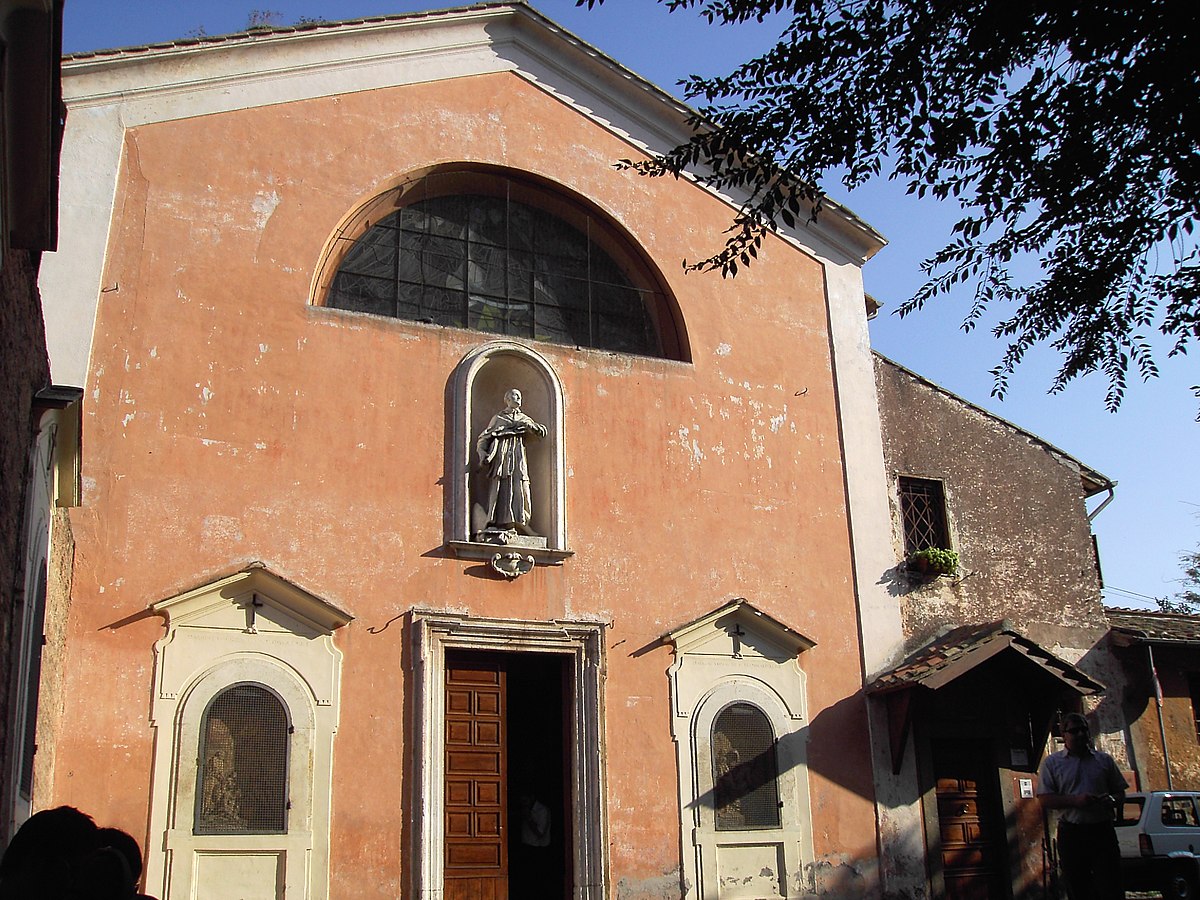


San Bonaventura al Palatino
Overview
San Bonaventura al Palatino, situated on the Palatine Hill in the heart of Rome, is a church that stands as a serene sanctuary amidst the bustling city. This ecclesiastical structure is dedicated to Saint Bonaventure, a prominent figure in the Franciscan order, whose teachings have shaped Catholic theology and spirituality. The church’s location not only provides a glimpse into the rich ecclesiastical history of Rome but also offers a connection to the Franciscan movement that has greatly influenced the city and beyond.
The Palatine Hill, one of the seven hills of Rome, is steeped in mythology and history, often associated with the foundation of the city itself. San Bonaventura al Palatino is strategically positioned to allow visitors to explore both the spiritual and historical narratives that have unfolded in this area over centuries. This church, along with its tranquil surroundings, provides a peaceful retreat for those seeking a moment of reflection away from the vibrant energy of Rome’s streets.
History and Significance
San Bonaventura al Palatino is deeply intertwined with the Franciscan order, which was founded by Saint Francis of Assisi in the early 13th century. The church is named after Saint Bonaventure, a 13th-century theologian and Franciscan minister general, who played a significant role in promoting the order’s ideals and practices. The church was established as a convent for Franciscan friars, serving as a place of worship and community for those dedicated to the teachings of Saint Francis.
The Franciscans were known for their emphasis on poverty, humility, and a profound connection with nature, which resonate through the spiritual atmosphere of San Bonaventura al Palatino. This church not only serves as a place of worship but also embodies the principles of the Franciscan movement, inviting visitors to reflect on their own spiritual journeys. The church’s historical significance is further accentuated by the various renovations and restorations it has undergone over the years, reflecting the enduring legacy of the Franciscan order in Rome.
Throughout its history, San Bonaventura al Palatino has hosted numerous important religious events and gatherings, serving as a focal point for the local Franciscan community. The church has also attracted pilgrims and visitors from around the world, drawn by its spiritual significance and serene environment. The intertwining of history, spirituality, and community makes San Bonaventura al Palatino a noteworthy site in the landscape of Roman ecclesiastical architecture.
Architecture and Features
San Bonaventura al Palatino exhibits architectural elements typical of Franciscan churches, characterized by simplicity and functionality. The church’s façade is modest, reflecting the Franciscan values of humility and poverty. The exterior is adorned with understated decorations that invite a sense of contemplation rather than extravagance.
Inside, visitors are greeted by a spacious nave that is designed to facilitate communal worship. The interior features wooden beams and stone columns that contribute to the church’s rustic charm. Natural light filters through the windows, casting a warm glow that enhances the serene atmosphere. The altarpiece, which is a central feature of the church, often depicts scenes from the life of Saint Bonaventure, serving as a focal point for worship and reflection.
One of the notable features of San Bonaventura al Palatino is its tranquil cloister, which provides a peaceful space for prayer and contemplation. The cloister is surrounded by lush greenery and offers a respite from the bustling city outside. This space is often used by the friars for meditation and serves as a reminder of the Franciscan commitment to living in harmony with nature.
Overall, the architecture of San Bonaventura al Palatino is a reflection of its spiritual mission, emphasizing simplicity and a deep connection to the Franciscan heritage. This makes the church not just a place of worship, but also a living monument to the values embraced by the Franciscan order.
Visiting Information
Visiting San Bonaventura al Palatino offers a unique opportunity to experience a slice of religious history in Rome. The church is accessible via public transportation, with various bus and metro lines serving the area. Visitors can reach the Palatine Hill and the church by taking the metro to the Colosseo station, which is within walking distance.
Check the official website for current information regarding hours of operation and any special events that may affect access to the church. While the visit can be relatively short, typically taking around 30 minutes to an hour, it is recommended to allow additional time to explore the surrounding Palatine Hill area, which is rich in archaeological sites and historical significance.
The best times to visit are early in the morning or late in the afternoon, when the church is less crowded, allowing for a more peaceful experience. Visiting during the weekdays may also provide a quieter atmosphere compared to weekends when the site can attract more visitors.
As you plan your visit, consider checking for any special services or events that may be taking place, as these can enhance your experience and offer a deeper understanding of the church’s role within the Franciscan community.
Nearby Attractions
- Palatine Hill: The historic site adjacent to the church where you can explore the ruins of ancient Roman palaces and enjoy views of the Forum and Colosseum.
- Roman Forum: Just a short walk away, the Forum was the center of Roman public life, featuring important temples, basilicas, and civic buildings.
- Colosseum: An iconic symbol of Rome, this ancient amphitheater is a must-visit for its grandeur and historical significance in gladiatorial contests.
- Circus Maximus: An ancient Roman chariot racing stadium, this site is a testament to the city’s rich sporting history and offers ample open space for visitors.
- Basilica di San Clemente al Laterano: A short distance away, this basilica is renowned for its layered history, showcasing structures from various periods of Roman history.
Insider Tips
When visiting San Bonaventura al Palatino, consider bringing a camera to capture the serene beauty of the church and its surroundings. However, be mindful of the church’s atmosphere and the need for respectful photography practices.
To avoid crowds, aim to visit during off-peak hours, particularly on weekdays. Early mornings or late afternoons tend to be quieter, allowing for a more reflective experience inside the church.
If you’re interested in exploring the Palatine Hill area, wear comfortable shoes, as the terrain can be uneven. Additionally, bringing a bottle of water is advisable, especially during warmer months, as you may want to spend additional time wandering the historical sites nearby.
Practical Information
When planning your visit to San Bonaventura al Palatino, it’s advisable to wear modest clothing, as this is a place of worship. Comfortable shoes are essential, given the potential for walking around the Palatine Hill and exploring the surrounding areas.
Seasonal considerations can enhance your visit. Spring and early fall are ideal times to visit Rome, offering pleasant weather and fewer tourists. Summer can be quite hot, so be prepared for the heat and consider visiting earlier in the day.
Be aware that facilities such as restrooms and cafes may not be located within the church itself, so plan accordingly. Additionally, check for any seasonal events or religious services that may impact visiting hours.
Frequently Asked Questions
How long should I spend visiting?
A visit to San Bonaventura al Palatino typically takes around 30 minutes to an hour, allowing time for reflection and exploration.
Is photography allowed?
Photography is generally permitted, but be respectful of the sacred nature of the space and avoid using flash.
Are there guided tours?
While guided tours may be available, it is best to check the official website for current offerings and schedules.
What’s the best time to visit?
Early mornings or late afternoons on weekdays are ideal for a quieter experience.
Is it wheelchair accessible?
Accessibility may vary; it’s recommended to check the official website for details on facilities for those with mobility challenges.
Can I buy tickets online?
Check the official website for information about ticketing options and any entrance fees.
Are there restrooms and cafes?
Facilities may not be available on-site; it’s advisable to plan for nearby options.
What should I wear?
Modest attire is recommended, as this is a place of worship. Comfortable clothing and shoes are also advisable for exploring the area.
Photo Gallery
Location
Visit Information
Quick Facts
- Heritage Type
- Church Building
- Region
- lazio
- Wikidata ID
- Q167124
More in lazio
Abatino Park
📍 lazio, Italy
The Abatino Park is a serene natural park located in Lazio, Italy, offering visitors a peaceful retreat with lush landscapes and recreational …
Abbazia di Santa Maria di Ponza
📍 lazio, Italy
The Abbazia di Santa Maria di Ponza is a Cistercian monastery on Ponza Island, Italy, renowned for its serene atmosphere and historical significance.

Academia Belgica
📍 lazio, Italy
The Academia Belgica is a Belgian cultural institution located in Rome, Italy, notable for its role in promoting Belgian heritage and fostering …
Accademia di Belle Arti di Frosinone
📍 lazio, Italy
The Accademia di Belle Arti di Frosinone is an educational institution in Frosinone, Italy, renowned for its commitment to fostering artistic talent …
Acqua Vergine
📍 lazio, Italy
Acqua Vergine is a modern aqueduct located in Rome, Italy, known for its engineering marvel and role in the city's water supply system.

Acquedotto delle Arcatelle
📍 lazio, Italy
The Acquedotto delle Arcatelle is a 17th-century aqueduct located in Tarquinia, Italy, recognized for its impressive architectural design and …
More Church Building

Abbazia della Misericordia
📍 veneto, Italy
The Abbazia della Misericordia is a historic former church and abbey in Venice, Italy, renowned for its architectural significance and rich cultural …

Abbazia di Nostra Signora di Paulis
📍 sardinia, Italy
Abbazia di Nostra Signora di Paulis is a historic church building located in Ittiri, Sardinia, Italy, celebrated for its architectural charm and …

Abbazia di Pomposa
📍 veneto, Italy
The Abbazia di Pomposa is a historic church building located in Pomposa, Codigoro, Italy, known for its architectural features and serene atmosphere.

Abbazia di San Gaudenzio
📍 tuscany, Italy
The Abbazia di San Gaudenzio is a historic abbey located in San Gaudenzio, Tuscany, Italy, notable for its architectural elegance and spiritual …

Abbazia di Santa Maria
📍 sicily, Italy
Abbazia di Santa Maria is a historic church building located in Novara di Sicilia, Sicily, Italy, known for its architectural beauty and cultural …

Abbazia di Santa Maria a Cerrate (Lecce)
📍 apulia, Italy
The Abbazia di Santa Maria a Cerrate is an ancient church building located in Lecce, Italy, renowned for its historical significance and architectural …