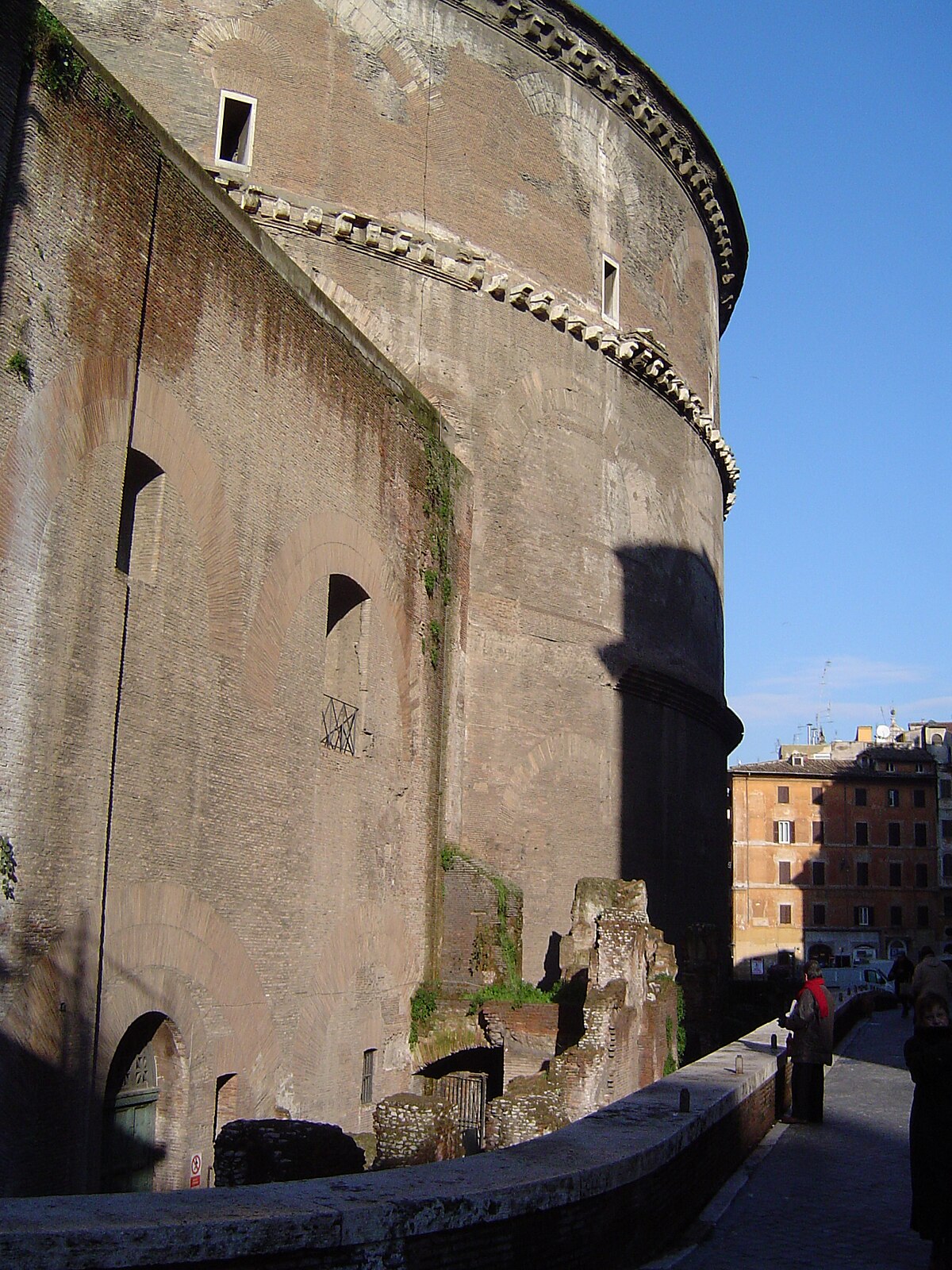


Saepta Julia
Overview
The Saepta Julia is a significant archaeological site located in the heart of Rome, Italy. This ancient structure once served as an important venue for public gatherings, including elections and various civic events, reflecting the political life of ancient Romans. Situated near the Campus Martius, the Saepta Julia exemplifies the architectural and cultural advancements of the Roman Empire during its height. The site is not only a testament to the ingenuity of Roman engineering but also a key location for understanding the social and political dynamics of the era.
As you approach the Saepta Julia, the remnants of its grand architecture hint at its former glory. The site offers a unique glimpse into the civic life of ancient Rome, where citizens would gather to participate in the democratic processes of the time. Visiting the Saepta Julia allows you to immerse yourself in the history of one of the most influential civilizations in the world, providing context for the political practices that shaped modern governance.
History and Significance
The Saepta Julia was commissioned by Julius Caesar, who envisioned it as a gathering place for the Roman populace to engage in political discourse and decision-making. This site played a crucial role in the late Republic, serving as an assembly hall where Romans would come together to vote on various matters, from political candidates to legislation. The construction of the Saepta Julia is believed to have been completed during the early years of the Roman Empire, marking a shift in the architectural style and social structure of the time.
The structure itself was strategically located near the Forum, which was the heart of Roman public life. Its design was innovative for its time, incorporating elements that allowed for large crowds to assemble comfortably. The significance of the Saepta Julia extends beyond its architectural features; it symbolizes the evolution of Roman civic identity and the importance of public participation in governance.
Throughout the centuries, the site has undergone various changes, influenced by the political and cultural shifts in Rome. Although much of the original structure has been lost to time, the remnants that remain provide valuable insights into the workings of ancient Roman democracy. Archaeological studies continue to uncover details about its construction and usage, shedding light on the lives of ordinary Romans who participated in these public assemblies.
Architecture and Features
The architectural design of the Saepta Julia is notable for its large, semi-circular shape, which was conducive to hosting large gatherings. Originally, the structure was adorned with impressive marble facades and intricate decorations, showcasing the artistry of Roman engineers and builders. The layout included areas for seating, allowing citizens to gather comfortably as they engaged in discussions or listened to speeches.
One of the most remarkable features of the Saepta Julia was its roof, which was likely constructed using advanced techniques for the time, providing shelter for attendees. The use of arches and columns in its design demonstrated the Romans’ mastery of architectural principles, allowing for both functionality and aesthetic appeal.
Despite the passage of time and the wear of centuries, visitors can still appreciate the scale and grandeur of the Saepta Julia’s remains. The site reveals the ambitious vision of its creators and serves as a reminder of the civic pride that characterized ancient Roman society. As you explore the area, you can see the remnants of the original structure, which continue to inspire awe and admiration for Roman engineering.
Visiting Information
Reaching the Saepta Julia is relatively straightforward, as it is located in a central area of Rome, making it accessible via public transport. Visitors can use the city’s metro system, buses, or even choose to walk from nearby landmarks, such as the Roman Forum or the Pantheon. Once there, you can expect to find informative signage that provides context about the site’s history and significance.
Check the official website for current information regarding hours and ticket prices before your visit, as these can vary seasonally. It is advisable to allocate at least an hour or two to fully appreciate the site, although history enthusiasts may wish to spend more time exploring the surrounding areas and engaging with the remnants of ancient Rome.
The best times to visit the Saepta Julia are in the early morning or late afternoon, when the site sees fewer crowds, allowing for a more intimate experience. Additionally, visiting during the spring or fall can provide pleasant weather for exploring the outdoor areas.
Nearby Attractions
While visiting the Saepta Julia, consider exploring these nearby attractions that further enrich your experience of ancient Rome:
The Roman Forum: A short walk from the Saepta Julia, the Forum was the center of political and social life in ancient Rome, featuring ruins of temples, basilicas, and public spaces.
The Pantheon: Located nearby, this architectural marvel is one of the best-preserved ancient buildings in Rome, known for its impressive dome and oculus.
Piazza Navona: An iconic square in Rome that showcases beautiful fountains and baroque architecture, offering a lively atmosphere with cafes and street artists.
The Colosseum: A bit further but still within walking distance, this famous amphitheater is a must-visit for its historical significance and architectural grandeur.
The Capitoline Museums: Situated on the Capitoline Hill, these museums house a vast collection of art and artifacts that tell the story of Rome’s illustrious past.
Insider Tips
To enhance your visit to the Saepta Julia, here are some insider tips:
- Photography: Capture the essence of the site by taking photographs during the golden hours of sunrise or sunset, when the natural lighting enhances the beauty of the ruins.
- Avoiding Crowds: Aim to visit during weekdays rather than weekends, as the site tends to attract larger crowds on Saturdays and Sundays.
- Guided Tours: Consider joining a guided tour if you prefer a more in-depth understanding of the site’s history and architectural features. Guides can provide insights that you may not find on signage.
- Relax and Reflect: After exploring, take a moment to sit in the vicinity of the site and reflect on the historical significance of the Saepta Julia and its role in ancient Roman society.
Practical Information
When planning your visit to the Saepta Julia, keep the following practical information in mind:
- What to Bring: Comfortable walking shoes are recommended, as you will be walking on uneven surfaces. A water bottle and a hat for sun protection can enhance your experience.
- Seasonal Considerations: The site can get quite warm during the summer months, so visiting in the spring or fall may provide a more enjoyable experience with milder temperatures.
- Stay Hydrated: There are limited facilities on-site, so be sure to bring water, especially if you plan to spend a significant amount of time exploring the area.
- Dress Code: While there is no strict dress code, it is advisable to dress modestly when visiting historical sites in Rome, especially those of significant cultural importance.
Frequently Asked Questions
How long should I spend visiting?
Visitors typically spend about 1-2 hours at the Saepta Julia, allowing time to explore and absorb the site’s historical significance.
Is photography allowed?
Yes, photography is allowed at the Saepta Julia, but be respectful of other visitors and any posted guidelines.
Are there guided tours?
Yes, guided tours are available and can provide a more comprehensive understanding of the site’s history and significance.
What’s the best time to visit?
Early morning or late afternoon during weekdays are ideal times to visit, as they tend to be less crowded.
Is it wheelchair accessible?
The site may present challenges for wheelchair accessibility due to uneven terrain. Check with the official website for specific accessibility options.
Can I buy tickets online?
Check the official website for information on ticket availability and purchasing options.
Are there restrooms and cafes?
Limited facilities may be available; however, nearby attractions often have cafes and restrooms for visitor convenience.
What should I wear?
Dress comfortably and appropriately for walking, keeping in mind the weather and cultural norms for visiting historical sites.
Photo Gallery
More in lazio
Abatino Park
📍 lazio, Italy
The Abatino Park is a serene natural park located in Lazio, Italy, offering visitors a peaceful retreat with lush landscapes and recreational …
Abbazia di Santa Maria di Ponza
📍 lazio, Italy
The Abbazia di Santa Maria di Ponza is a Cistercian monastery on Ponza Island, Italy, renowned for its serene atmosphere and historical significance.

Academia Belgica
📍 lazio, Italy
The Academia Belgica is a Belgian cultural institution located in Rome, Italy, notable for its role in promoting Belgian heritage and fostering …
Accademia di Belle Arti di Frosinone
📍 lazio, Italy
The Accademia di Belle Arti di Frosinone is an educational institution in Frosinone, Italy, renowned for its commitment to fostering artistic talent …
Acqua Vergine
📍 lazio, Italy
Acqua Vergine is a modern aqueduct located in Rome, Italy, known for its engineering marvel and role in the city's water supply system.

Acquedotto delle Arcatelle
📍 lazio, Italy
The Acquedotto delle Arcatelle is a 17th-century aqueduct located in Tarquinia, Italy, recognized for its impressive architectural design and …
More Archaeological Site

Abbazia di Santa Maria di Corazzo
📍 calabria, Italy
The Abbazia di Santa Maria di Corazzo is an archaeological site located in Carlopoli, Calabria, Italy, renowned for its historical significance and …

Abella
📍 campania, Italy
The archaeological site of Abella in Campania, Italy, is an ancient human settlement known for its historical significance and cultural heritage.

Abellinum
📍 campania, Italy
Abellinum is an archaeological site in Atripalda, Italy, known for its ancient ruins that reveal insights into Roman settlement and urban planning.

Aeculanum
📍 campania, Italy
Aeculanum is an archaeological site in Campania, Italy, known for its remnants of an ancient town that offer insight into early Roman urban life.
Aesernia
📍 molise, Italy
Aesernia is an ancient Roman archaeological site located in Molise, Italy, renowned for its well-preserved ruins that reflect the grandeur of Roman …

Alba Fucens
📍 lazio, Italy
Alba Fucens is an ancient archaeological site in Lazio, Italy, known for its well-preserved ruins that reflect the grandeur of a once-thriving Roman …