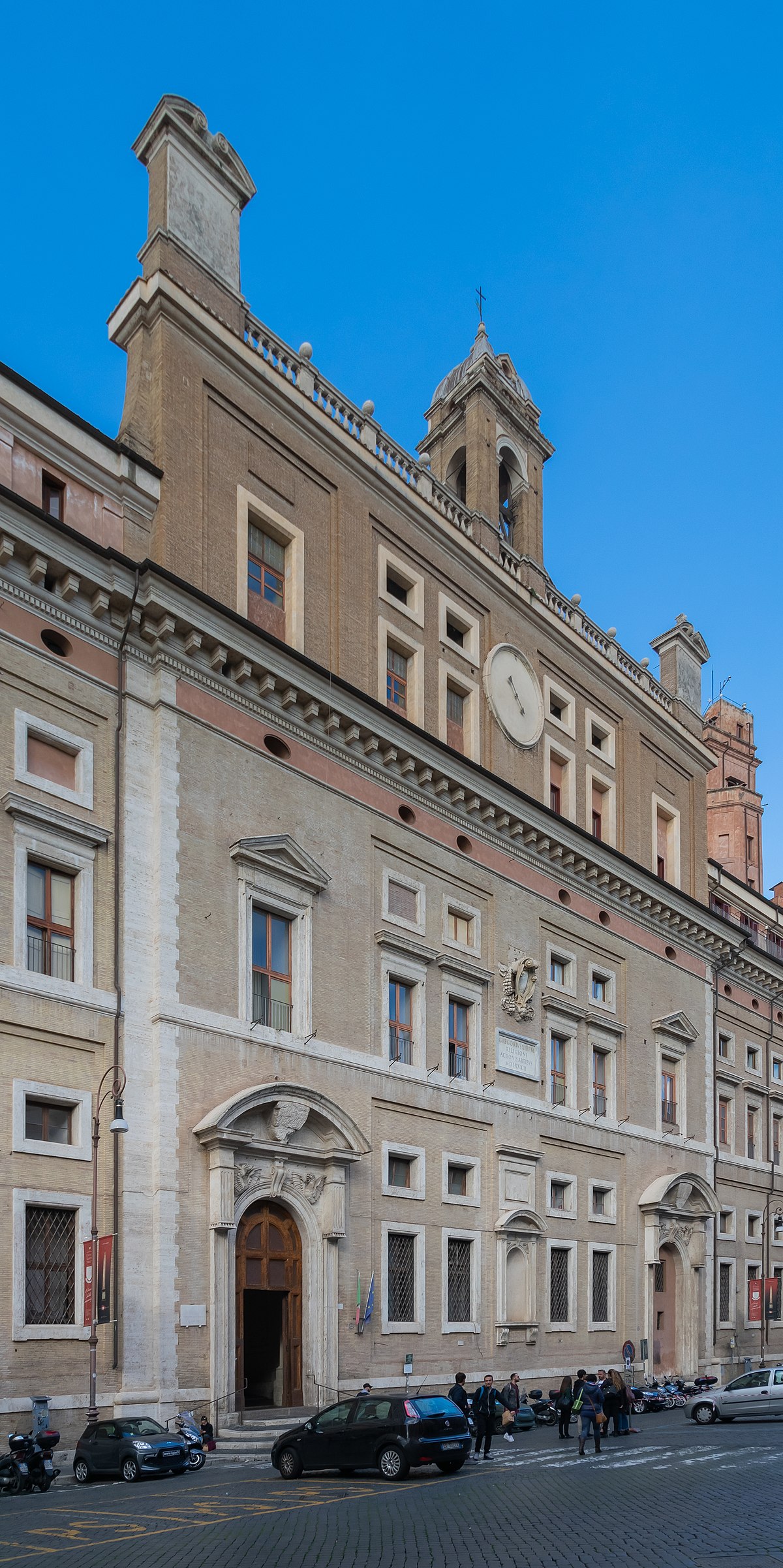


Roman College
Overview
Situated in the heart of Rome, the Roman College serves as both a prominent educational institution and a significant historical site. Founded by the Society of Jesus, the college has played an essential role in shaping education and culture in Italy and beyond. The building itself showcases remarkable architectural features that reflect the grandeur of the Jesuit order and the rich history of Rome. With its impressive structure and commitment to education, the Roman College attracts visitors, scholars, and students alike, making it a place where the past and present converge.
Visitors to the Roman College not only explore its hallowed halls and lush surroundings but also delve into the educational philosophies that have influenced generations. The institution has been a center for intellectual growth, nurturing minds and spirits since its inception. As you navigate through its corridors, you will find a blend of history, education, and architectural splendor that invites reflection and admiration.
History and Significance
The Roman College, established by the Jesuits, is deeply embedded in the fabric of educational history. While specific founding dates are not highlighted, the institution has been pivotal in the development of educational practices that emphasized humanistic studies and the integration of faith and reason. The Jesuits, known for their emphasis on education, utilized the college as a platform to promote learning across various disciplines, including philosophy, theology, and the sciences.
Throughout its history, the college has been a significant player in the intellectual discourse of Europe. The Jesuit order, founded in the 16th century, sought to reform education and integrate Jesuit values into their teaching methodologies, which were revolutionary for their time. The Roman College became a model for educational institutions worldwide, contributing to the Jesuits’ reputation as leading educators.
The college’s influence extended beyond the classroom; it became a cultural hub where scholars from various fields gathered to exchange ideas. This input helped shape not only the educational landscape of Italy but also informed the broader European context during significant historical periods, including the Renaissance and the Counter-Reformation. The Roman College’s legacy is not just in its architectural grandeur but also in its enduring commitment to fostering knowledge and moral integrity.
Architecture and Features
The Roman College is characterized by its robust architectural style, which showcases the Renaissance influences that define much of Rome’s iconic buildings. The structure features grand facades, intricate details, and an overall design that reflects the values of the Jesuit order. The use of light and space creates an inviting atmosphere, making it conducive to learning and contemplation.
One of the notable aspects of the Roman College is its spacious courtyards, which provide a serene environment for students and visitors alike. These outdoor spaces are often adorned with greenery, enhancing the aesthetic appeal of the institution. The interiors are equally impressive, featuring high ceilings and ornate artwork that reflects the Jesuit commitment to beauty in education.
Visitors will also find various rooms dedicated to specific subjects, showcasing the diverse fields of study that the college has supported over the centuries. The architectural elements not only serve a functional purpose but also embody the Jesuit philosophy of integrating faith, culture, and education within a beautifully conceived environment.
Visiting Information
Reaching the Roman College is relatively straightforward, given its central location in Rome. Several public transport options are available, including buses and metro lines that connect to major points in the city. For those driving, nearby parking facilities are accessible, but it is advisable to check for any restrictions or requirements.
While specific visiting hours and ticket prices can vary, it is best to check the official website for current information before planning your visit. The college is typically open to visitors, allowing them to explore its rich history and architectural beauty. Expect to spend at least a couple of hours touring the premises to fully appreciate the significance of the institution.
The best times to visit are during the shoulder seasons of spring and fall when the weather is pleasant, and tourist crowds are typically smaller. This allows for a more relaxed experience as you delve into both the educational heritage and the artistic features of the college.
Nearby Attractions
- Pantheon: Just a short distance away, this ancient temple-turned-church is renowned for its magnificent dome and oculus.
- Piazza Navona: A vibrant square featuring stunning Baroque architecture, fountains, and a lively atmosphere, perfect for people-watching.
- Santa Maria sopra Minerva: A beautiful Gothic church housing remarkable artwork, including a famous sculpture by Michelangelo.
- Villa Borghese: A large public park offering art galleries, gardens, and scenic walking paths, ideal for a leisurely stroll.
- Trevi Fountain: One of Rome’s most iconic landmarks, the fountain is a must-see for its stunning architecture and the tradition of tossing coins.
Insider Tips
When visiting the Roman College, consider bringing a camera to capture the stunning architectural details and serene courtyards. However, be mindful of any restrictions on photography inside specific areas. To avoid crowds, aim to visit during weekdays or in the early morning hours. This not only enhances your experience but also allows for a more intimate exploration of the college’s offerings.
Practical Information
Before heading to the Roman College, ensure you have comfortable walking shoes, as you will likely spend time exploring its extensive grounds. Seasonal considerations are essential, especially during the summer months when temperatures can soar. Carrying water and sunscreen is advisable. Additionally, check for any specific guidelines regarding dress code or visitor conduct, particularly if you plan to visit during educational events or religious services.
Frequently Asked Questions
How long should I spend visiting?
Plan to spend at least two hours at the Roman College to fully appreciate its history and architecture.
Is photography allowed?
Photography is generally permitted, but it’s best to check for any specific restrictions in certain areas.
Are there guided tours?
Guided tours may be available; check the official website for details on scheduling and availability.
What’s the best time to visit?
Visiting during the shoulder seasons of spring or fall is ideal for pleasant weather and fewer crowds.
Is it wheelchair accessible?
Access to the Roman College may vary; check the official website for specific accessibility information.
Can I buy tickets online?
Ticket purchasing options may be available online; refer to the official website for the most accurate information.
Are there restrooms and cafes?
Facilities such as restrooms may be available on-site, but it’s advisable to check beforehand. Look for nearby cafes for refreshments.
What should I wear?
Dress comfortably and respectfully, especially if attending events or services. Consider the weather and wear appropriate footwear for walking.
Visiting the Roman College offers a chance to engage with an essential piece of educational history while enjoying the artistic and architectural splendor of one of Rome’s most significant landmarks.
Photo Gallery
Location
More in lazio
Abatino Park
📍 lazio, Italy
The Abatino Park is a serene natural park located in Lazio, Italy, offering visitors a peaceful retreat with lush landscapes and recreational …
Abbazia di Santa Maria di Ponza
📍 lazio, Italy
The Abbazia di Santa Maria di Ponza is a Cistercian monastery on Ponza Island, Italy, renowned for its serene atmosphere and historical significance.

Academia Belgica
📍 lazio, Italy
The Academia Belgica is a Belgian cultural institution located in Rome, Italy, notable for its role in promoting Belgian heritage and fostering …
Accademia di Belle Arti di Frosinone
📍 lazio, Italy
The Accademia di Belle Arti di Frosinone is an educational institution in Frosinone, Italy, renowned for its commitment to fostering artistic talent …
Acqua Vergine
📍 lazio, Italy
Acqua Vergine is a modern aqueduct located in Rome, Italy, known for its engineering marvel and role in the city's water supply system.

Acquedotto delle Arcatelle
📍 lazio, Italy
The Acquedotto delle Arcatelle is a 17th-century aqueduct located in Tarquinia, Italy, recognized for its impressive architectural design and …
More Educational Institution
Abiogen Pharma
📍 tuscany, Italy
Abiogen Pharma is an educational institution located in Pisa, Italy, recognized for its contributions to pharmaceutical education and research.
Academia Belgica
📍 lazio, Italy
The Academia Belgica is a Belgian cultural institution located in Rome, Italy, notable for its role in promoting Belgian heritage and fostering …

Accademia Atestina di Belle Arti
📍 emilia-romagna, Italy
Accademia Atestina di Belle Arti is a fine arts academy located in Emilia-Romagna, Italy, renowned for fostering artistic talent and creativity.
Accademia di Belle Arti di Frosinone
📍 lazio, Italy
The Accademia di Belle Arti di Frosinone is an educational institution in Frosinone, Italy, renowned for its commitment to fostering artistic talent …
Adventist Institute of Biblical Culture Villa Aurora
📍 tuscany, Italy
The Adventist Institute of Biblical Culture Villa Aurora is a cultural institution located in Florence, Italy, known for its dedication to biblical …

Agape Centro Ecumenico
📍 piedmont, Italy
Agape Centro Ecumenico is an educational institution located in Prali, Italy, offering a unique blend of spiritual retreat and educational programs in …