


Rocca Maggiore
Overview
Rocca Maggiore, perched majestically above the charming town of Assisi in the Marche region of Italy, serves as a significant cultural and historical landmark. This fortress, originally constructed in the 14th century, offers visitors a glimpse into the military and architectural history of the area. As a museum, it showcases not only the fortress’s historical significance but also its strategic importance in the defense against invasions during the Middle Ages.
The fortress stands out with its commanding presence, making it an essential visit for those exploring Assisi. Visitors can enjoy breathtaking vistas of the Umbrian countryside, which enhance the experience of walking through its ancient walls. The Rocca Maggiore is a testament to the rich heritage of Assisi, a town that itself is renowned for its medieval architecture and as the birthplace of Saint Francis of Assisi. As you ascend to the fortress, the journey through its storied halls reveals the layers of history that have shaped both the site and the surrounding region.
History and Significance
The Rocca Maggiore has played a pivotal role throughout the tumultuous history of Assisi. Originally constructed by the Papal forces in the 14th century, its primary purpose was to protect the town from external threats and to assert the power of the Church in the region. Over the centuries, the fortress witnessed various sieges and skirmishes, which contributed to its evolving architecture and function.
Throughout its existence, Rocca Maggiore has been a symbol of strength and resilience. The structure reflects the changing dynamics of power in Italy, particularly during periods of conflict between rival factions, such as the Guelphs and Ghibellines. The castle’s strategic location allowed it to oversee the valley below, making it an essential point for military defense.
In the 19th century, the fortress underwent restorations that preserved its structural integrity and historical significance. Today, it serves as a museum that educates visitors about its past and the broader history of Assisi. The exhibits within the fortress delve into the local culture, the importance of Assisi in the medieval period, and the architectural styles that characterize the region. This blend of historical context and educational opportunity makes Rocca Maggiore a vital heritage site for understanding the cultural landscape of Italy.
Architecture and Features
Rocca Maggiore’s architectural design is a captivating blend of medieval military architecture and strategic functionality. The fortress is characterized by its imposing stone walls, which are constructed from local limestone, providing both durability and a distinctive aesthetic. The robust towers and fortified gates are testaments to the military engineering of the time, designed to withstand sieges and assaults.
As visitors explore the fortress, they will encounter several notable features. The main entrance, marked by a grand gate, leads to an expansive courtyard where various structures converge. The towers, particularly the tallest one, offer panoramic views of Assisi and the Umbrian landscape, making the climb worthwhile for those who seek stunning vistas.
Inside the fortress, visitors can find remnants of living quarters, storerooms, and areas once used for military training. The museum aspect of Rocca Maggiore enriches the experience, with informative displays and artifacts that illustrate the daily life of its historical inhabitants. The combination of these architectural elements and historical exhibits creates an immersive environment where one can appreciate the intricacies of medieval life.
Visiting Information
Visiting Rocca Maggiore is an enriching experience, and accessing the site is straightforward. The fortress is located within walking distance from the center of Assisi, making it easily reachable for those exploring the town. Visitors typically allocate around 1 to 2 hours for their visit, allowing ample time to wander through the fortress and enjoy the exhibits.
To ensure a smooth visit, check the official website for current information on hours of operation and ticket prices. The fortress is generally open to the public year-round, with peak tourist seasons occurring during spring and summer. Early mornings or late afternoons may offer a quieter experience, as these times are often less crowded.
Expect to encounter a mix of well-preserved structures and informative displays. Comfortable walking shoes are recommended, as the terrain can be uneven in certain areas. Additionally, consider bringing water, especially during the warmer months, as the ascent to the fortress can be strenuous.
Nearby Attractions
Rocca Maggiore is situated in a region rich with cultural and historical sites. Nearby attractions include:
Basilica di San Francesco: A UNESCO World Heritage Site, this basilica is dedicated to Saint Francis, featuring stunning frescoes and architecture.
Piazza del Comune: The central square of Assisi, surrounded by historical buildings and lively cafes, is an ideal spot for relaxation and people-watching.
Eremo delle Carceri: Located just outside of Assisi, this hermitage offers a serene atmosphere amid the woods, where Saint Francis once retreated for prayer.
Santa Maria sopra Minerva: An impressive church featuring Gothic architecture and remarkable artworks, located just a short walk from the main square.
Temple of Minerva: An ancient Roman temple that has been converted into a church, showcasing the rich architectural evolution of Assisi.
Insider Tips
To enhance your visit to Rocca Maggiore, consider these insider tips:
Photography: The fortress and its views provide ample opportunities for stunning photographs. Early morning or late afternoon light can create dramatic effects on the stonework.
Crowd Avoidance: Visiting during weekdays or outside of major holidays can help you avoid the peak tourist crowds, allowing for a more peaceful exploration of the site.
Guided Tours: If you’re interested in a deeper understanding of the history, consider joining a guided tour. Knowledgeable guides can provide insights that may not be immediately apparent from the exhibits.
Practical Information
When planning your visit to Rocca Maggiore, consider the following practical tips:
What to Bring: Comfortable walking shoes are essential, as you’ll be navigating uneven surfaces. A camera and a water bottle are also advisable.
Seasonal Considerations: The best times to visit are during the spring and fall when the weather is mild. Summer can be hot, making early morning visits preferable.
Facilities: Check for amenities such as restrooms and cafes at or near the fortress, as these can enhance your overall experience.
Frequently Asked Questions
How long should I spend visiting?
Most visitors find that 1 to 2 hours is sufficient to explore the fortress and its exhibits.
Is photography allowed?
Yes, photography is allowed, but be mindful of any restrictions on flash photography within certain areas.
Are there guided tours?
Guided tours may be available; check the official website for details on booking and schedules.
What’s the best time to visit?
Early mornings or late afternoons are ideal for avoiding crowds and enjoying cooler temperatures.
Is it wheelchair accessible?
Check the official website for specific accessibility information, as some areas may be challenging to navigate.
Can I buy tickets online?
It is advisable to check the official website for information regarding online ticket purchases and any current promotions.
Are there restrooms and cafes?
Facilities may be available at or near the site, but it’s best to check in advance for specifics.
What should I wear?
Comfortable clothing and shoes are recommended, especially if you plan to explore the fortress thoroughly.
Photo Gallery
More in marche
Ambro
📍 marche, Italy
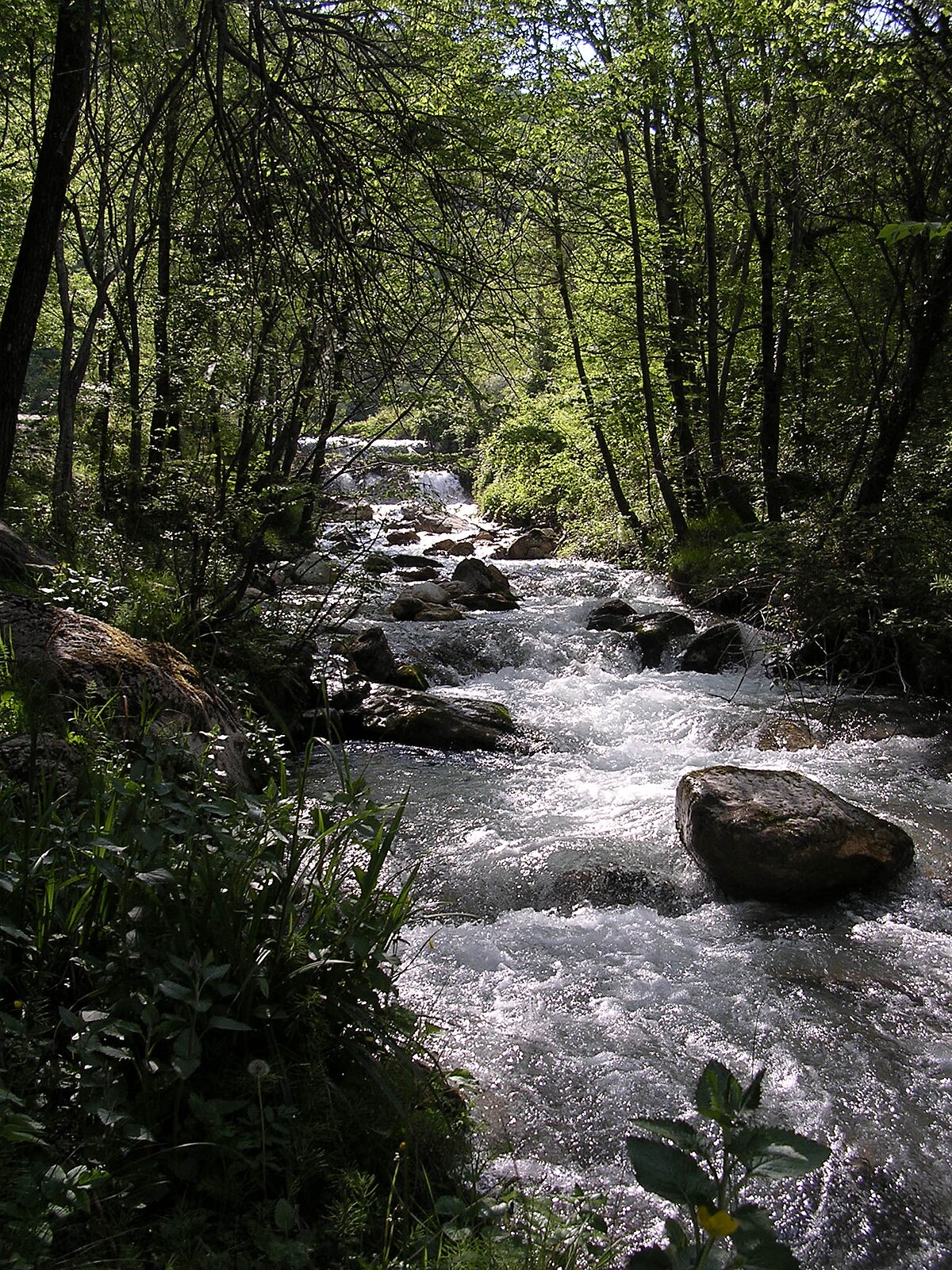
The Ambro River is a picturesque waterway in the Marche region of Italy, known for its serene landscapes and ecological significance.

Ancient Ostra
📍 marche, Italy
Ancient Ostra is an archaeological site located in Marche, Italy, notable for its remnants of an ancient Roman city that offers insights into …

Ancona
📍 marche, Italy
Ancona is a historic city in the Marche region of Italy, renowned for its stunning coastal views and significant maritime heritage.

Antiquarium of Palazzone
📍 marche, Italy
The Antiquarium of Palazzone is a museum located in Perugia, Italy, renowned for its collection of artifacts that showcase the region's rich …
Archivio Diocesano e Biblioteca dell'Arcidiocesi di Pesaro
📍 marche, Italy
The Archivio Diocesano e Biblioteca dell'Arcidiocesi di Pesaro is a conservation library in Marche, Italy, renowned for its extensive collection of …
Archivio e Biblioteca della Cattedrale di S. Rufino (Duomo)
📍 marche, Italy
The Archivio e Biblioteca della Cattedrale di S. Rufino (Duomo) is a historical library and archive located in Assisi, Italy, renowned for its rich …
More Museum

Aghinolfi Castle
📍 tuscany, Italy
Aghinolfi Castle is a historic museum located in Montignoso, Tuscany, Italy, renowned for its medieval architecture and rich cultural heritage.
Alessi Museum
📍 sicily, Italy
The Alessi Museum is a captivating museum located in Sicily, Italy, renowned for its unique collection of decorative arts and design pieces.
Anatomical Museum "Eugenio Morelli"
📍 lazio, Italy
The Anatomical Museum "Eugenio Morelli" is a museum in Lazio, Italy, renowned for its fascinating collection of anatomical specimens and educational …
Antiquarium of Palazzone
📍 marche, Italy
The Antiquarium of Palazzone is a museum located in Perugia, Italy, renowned for its collection of artifacts that showcase the region's rich …
Aquarium of Alghero
📍 sardinia, Italy
The Aquarium of Alghero is a fascinating museum in Sardinia, Italy, known for its diverse marine life exhibits and educational experiences.

Ara Pacis
📍 lazio, Italy
The Ara Pacis is an ancient Roman monument located in Rome, Italy, renowned for its intricate relief sculptures and its role in celebrating peace and …