

Ricina
Overview
Ricina, an archaeological site in the Macerata region of Italy, serves as a captivating window into the historical and cultural fabric of the Roman world. This site, with its remnants of ancient structures and artifacts, tells the story of a once-thriving settlement that played a significant role in the region’s development. Visitors to Ricina can explore the extensive ruins, which include various architectural elements and artifacts that illustrate the daily life of its former inhabitants. The site’s dedication to education and preservation makes it a vital resource for understanding the impact of Roman civilization in this area of Italy.
Located in the picturesque landscapes of the Marche region, Ricina is a part of Italy’s rich cultural heritage. The archaeological site is not only significant for its historical context but also for its educational offerings, making it an ideal destination for history enthusiasts and casual travelers alike. As you roam through the remnants of this ancient town, you will gain insight into the social, economic, and artistic aspects of life during the Roman era, promising an engaging experience for all who visit.
History and Significance
The history of Ricina is deeply intertwined with the broader narrative of Roman expansion and settlement in Italy. Though specific dates may be elusive, the site is known to have been inhabited during the Roman period, showcasing the influence of Roman architecture, urban planning, and daily life on the local population. The archaeological findings at Ricina reflect a blend of cultural influences, indicative of the region’s interactions with various peoples throughout history.
Archaeological excavations have revealed a variety of structures, including residential buildings, public spaces, and remnants of infrastructure that illustrate the complexity of Roman urban life. The significance of Ricina is not only in its physical remains but also in its role as a focal point for research and education regarding the Roman Empire’s reach into central Italy. The artifacts uncovered at the site provide valuable insights into trade, craftsmanship, and the daily lives of its inhabitants, contributing to a deeper understanding of the socio-economic dynamics of the time.
The preservation of Ricina offers a unique opportunity for both scholars and the public to engage with the past. As research continues, the site holds the promise of revealing even more about this ancient community and its place within the larger context of Italian heritage.
Architecture and Features
The architectural remnants of Ricina showcase a variety of structures that speak to the town’s historical importance. Visitors to the site will encounter a range of archaeological features, including the foundations of residential buildings, public baths, and possibly a forum—a central hub for social and economic activity in Roman towns. The layout of the site is indicative of typical Roman urban planning, with a focus on functionality and community interaction.
Among the notable features at Ricina are the remnants of brick walls that once enclosed homes, illustrating the construction techniques employed during the Roman era. The site’s design reflects the architectural styles of the time, characterized by the use of local materials and methods that have allowed these structures to endure through the centuries. As you walk through the site, you can observe the careful craftsmanship that went into creating these buildings, with details that hint at the aesthetics valued by their inhabitants.
In addition to the structures, the archaeological site also features artifacts recovered from the area, which are often displayed in the museum associated with Ricina. These artifacts, ranging from pottery to tools, offer tangible connections to the lives of those who once called this place home. The combination of architectural remains and artifacts creates a vivid picture of the daily life, trade, and culture of Ricina’s ancient residents.
Visiting Information
Ricina is accessible by various means of transport, making it a convenient destination for visitors exploring the Macerata region. Whether traveling by car or public transportation, the site is well-connected to major routes. For those driving, ample parking facilities are typically available nearby.
As for visiting hours and ticket prices, it is advisable to check the official website for current information, as these can vary seasonally or for special events. Plan to spend at least a couple of hours at Ricina to fully appreciate the site and its offerings. The best times to visit are generally during spring and fall, when the weather is mild, and the site can be enjoyed without the peak summer crowds.
When visiting, expect to engage with informative displays and possibly guided tours that provide deeper insights into the archaeological significance of Ricina. The site’s educational efforts aim to enhance your understanding of Roman history and the daily lives of its inhabitants.
Nearby Attractions
Ricina is situated within a region rich in historical and cultural attractions. Nearby, you can explore:
- Macerata: The capital of the province, known for its beautiful architecture, including the stunning Sferisterio and historic churches.
- Recanati: Birthplace of the famous poet Giacomo Leopardi, featuring charming streets and the notable Palazzo Leopardi.
- Loreto: Famous for the Basilica della Santa Casa, a major pilgrimage site housing the revered shrine of the Virgin Mary.
- Civitanova Marche: A coastal town with beautiful beaches, perfect for a relaxing day by the Adriatic Sea.
- Caldarola: Home to the impressive Castello Pallotta, a medieval castle that offers panoramic views of the surrounding countryside.
Insider Tips
Photography enthusiasts will find plenty of opportunities to capture the essence of Ricina. The ruins, with their historical context and atmospheric scenery, provide a compelling backdrop for stunning photographs. To avoid crowds, consider visiting early in the morning or later in the afternoon, especially during peak tourist seasons.
Be respectful of the site’s preservation efforts; avoid climbing on ruins or touching artifacts. Engaging with the site through observation will enhance your experience without compromising its integrity.
Practical Information
When planning your visit to Ricina, it’s advisable to wear comfortable walking shoes, as the terrain may be uneven in places. Depending on the season, layering clothing can be beneficial, as temperatures can fluctuate throughout the day. Additionally, consider bringing water and snacks, as amenities may be limited on-site.
Visitors should also be prepared for changes in weather, as conditions can vary significantly throughout the year. Always check the forecast before your visit to ensure a pleasant experience.
Frequently Asked Questions
How long should I spend visiting?
Plan to spend at least 2-3 hours exploring the site and museum to fully appreciate its offerings.
Is photography allowed?
Yes, photography is generally permitted, but be mindful of any specific guidelines provided on-site.
Are there guided tours?
Guided tours may be available; check the official website or inquire upon arrival for more details.
What’s the best time to visit?
Spring and fall are ideal for visiting, offering mild weather and fewer crowds.
Is it wheelchair accessible?
Check the official website for detailed accessibility information to ensure a comfortable visit.
Can I buy tickets online?
Ticket purchasing options may vary; check the official website for current information.
Are there restrooms and cafes?
Facilities may be limited, so plan accordingly and check the official website for amenities.
What should I wear?
Wear comfortable clothing and sturdy shoes, and consider layers for changing weather conditions.
Photo Gallery
Visit Information
Quick Facts
- Heritage Type
- Museum
- Region
- marche
- Wikidata ID
- Q3784754
More in marche
Ambro
📍 marche, Italy
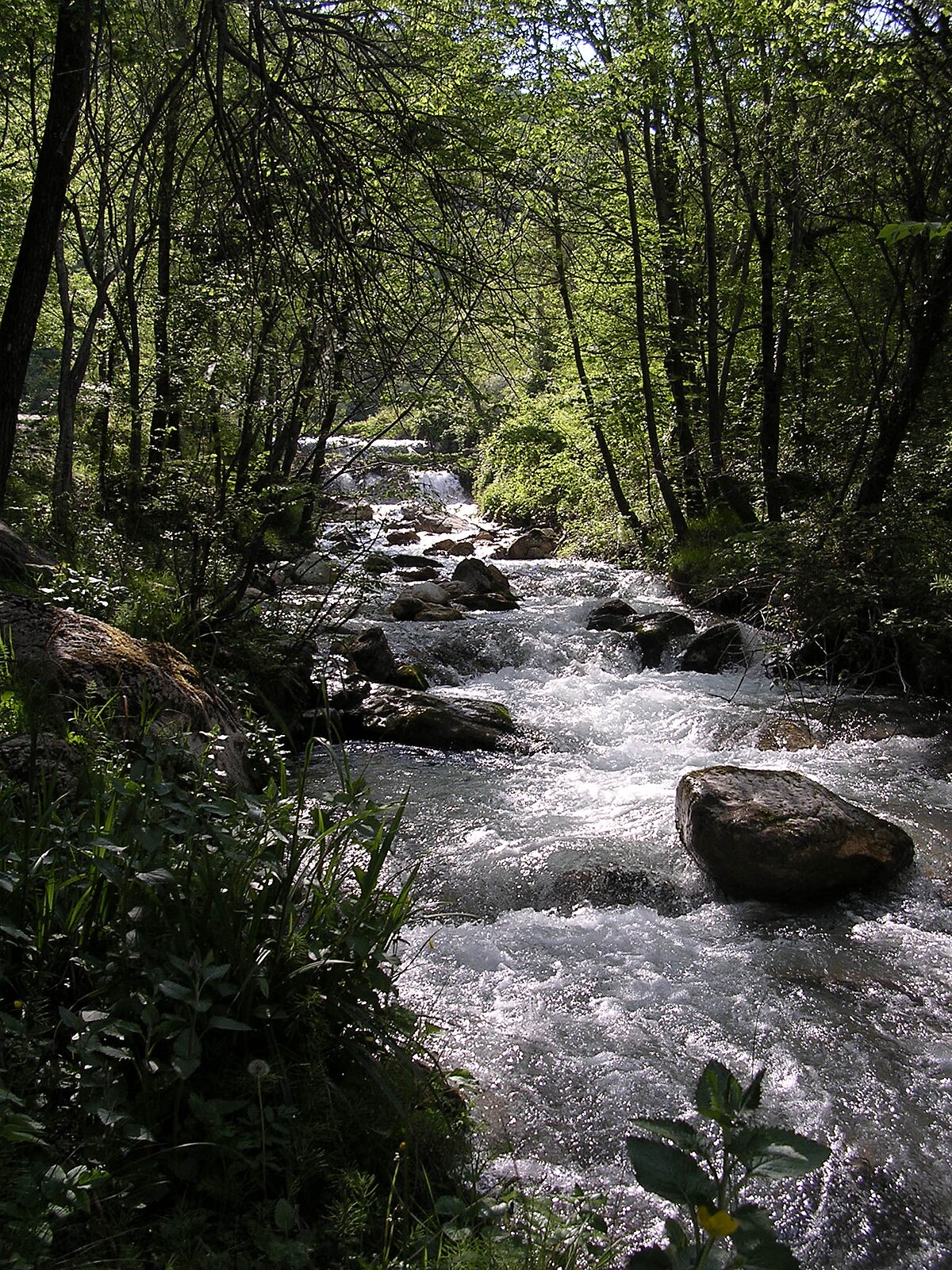
The Ambro River is a picturesque waterway in the Marche region of Italy, known for its serene landscapes and ecological significance.

Ancient Ostra
📍 marche, Italy
Ancient Ostra is an archaeological site located in Marche, Italy, notable for its remnants of an ancient Roman city that offers insights into …

Ancona
📍 marche, Italy
Ancona is a historic city in the Marche region of Italy, renowned for its stunning coastal views and significant maritime heritage.

Antiquarium of Palazzone
📍 marche, Italy
The Antiquarium of Palazzone is a museum located in Perugia, Italy, renowned for its collection of artifacts that showcase the region's rich …
Archivio Diocesano e Biblioteca dell'Arcidiocesi di Pesaro
📍 marche, Italy
The Archivio Diocesano e Biblioteca dell'Arcidiocesi di Pesaro is a conservation library in Marche, Italy, renowned for its extensive collection of …
Archivio e Biblioteca della Cattedrale di S. Rufino (Duomo)
📍 marche, Italy
The Archivio e Biblioteca della Cattedrale di S. Rufino (Duomo) is a historical library and archive located in Assisi, Italy, renowned for its rich …
More Museum

Aghinolfi Castle
📍 tuscany, Italy
Aghinolfi Castle is a historic museum located in Montignoso, Tuscany, Italy, renowned for its medieval architecture and rich cultural heritage.
Alessi Museum
📍 sicily, Italy
The Alessi Museum is a captivating museum located in Sicily, Italy, renowned for its unique collection of decorative arts and design pieces.
Anatomical Museum "Eugenio Morelli"
📍 lazio, Italy
The Anatomical Museum "Eugenio Morelli" is a museum in Lazio, Italy, renowned for its fascinating collection of anatomical specimens and educational …
Antiquarium of Palazzone
📍 marche, Italy
The Antiquarium of Palazzone is a museum located in Perugia, Italy, renowned for its collection of artifacts that showcase the region's rich …
Aquarium of Alghero
📍 sardinia, Italy
The Aquarium of Alghero is a fascinating museum in Sardinia, Italy, known for its diverse marine life exhibits and educational experiences.

Ara Pacis
📍 lazio, Italy
The Ara Pacis is an ancient Roman monument located in Rome, Italy, renowned for its intricate relief sculptures and its role in celebrating peace and …