
Regional Museum of Pottery
Overview
The Regional Museum of Pottery, located in the picturesque town of Deruta in Perugia, Italy, is a vibrant celebration of ceramic art that reflects the region’s long-standing tradition of pottery-making. Known for its distinctive styles and techniques, Deruta has been a hub of ceramic production for centuries. This museum serves as a custodian of the town’s artistic legacy, showcasing a diverse range of pottery—from utilitarian wares to intricate decorative pieces.
Visitors to the museum will encounter not only the artistry of ceramics but also the stories behind them, revealing how the craft has evolved over time and played a significant role in the local culture. The museum’s collections include notable examples of Deruta’s signature Majolica pottery, characterized by its vibrant colors and elaborate designs, which have made the town famous worldwide. With both historical artifacts and contemporary works on display, the Regional Museum of Pottery offers an enlightening experience for art enthusiasts and casual visitors alike.
History and Significance
The history of pottery in Deruta dates back centuries, with evidence of ceramic production found as early as the 13th century. The town quickly became renowned for its unique pottery styles, which were influenced by various cultural exchanges and artistic movements throughout the ages. The Regional Museum of Pottery was established to preserve this rich heritage and to promote an understanding of the techniques and traditions that have shaped the local pottery scene.
One of the most significant developments in Deruta’s ceramic history was the introduction of Majolica pottery in the Renaissance period. This technique involves tin-glazing, which gives the pottery its distinctive glossy finish and allows for the application of vibrant colors. The museum houses a remarkable collection of Majolica that highlights its evolution and the artistic innovations that have emerged over time.
In addition to its historical significance, the museum plays an essential role in the contemporary art scene, showcasing works by modern ceramic artists who continue to draw inspiration from traditional methods while exploring new artistic expressions. The combination of historical and contemporary pieces creates a dialogue between the past and the present, making the museum a vital cultural institution in the region.
Architecture and Features
The Regional Museum of Pottery is housed in a structure that reflects the architectural style characteristic of the region. The building itself is an important part of the museum experience, with its design complementing the artistic works on display. Visitors are greeted by spacious galleries that provide ample room for the exhibition of ceramics, allowing for an intimate appreciation of the intricate details and craftsmanship involved in each piece.
Inside, the museum is organized thematically, guiding visitors through different aspects of pottery production, including historical techniques, artistic styles, and technological advancements. Noteworthy features include dedicated spaces for temporary exhibitions that showcase contemporary ceramic artists, as well as educational areas where workshops and demonstrations may take place. The lighting is thoughtfully designed to enhance the visibility of the ceramics, drawing attention to their colors and textures.
Visiting Information
The Regional Museum of Pottery is accessible by various modes of transport, making it easy for visitors to reach from surrounding areas. Those traveling by car can find parking nearby, while public transport options are also available. To ensure a smooth visit, check the official website for current information regarding hours of operation and ticket prices.
Expect to spend around 1-2 hours exploring the museum, which allows enough time to appreciate the exhibits and engage with any special programming that may be offered. The best times to visit are typically during weekdays when the museum is less crowded, although weekends may provide a vibrant atmosphere with families and tourists alike.
Nearby Attractions
- Deruta’s Historic Center: Stroll through the charming streets of Deruta, where you can admire medieval architecture and local shops offering handcrafted ceramics.
- Ceramics Workshops: Participate in a pottery workshop in Deruta to gain hands-on experience with traditional techniques.
- Castello di Deruta: Explore the remnants of this ancient castle, which offers panoramic views of the surrounding landscape.
- Assisi: A short drive away, this UNESCO World Heritage site is famous for its stunning basilicas and rich religious history.
- Perugia: The capital of the region, known for its vibrant cultural scene, historic sites, and excellent cuisine.
Insider Tips
For the best photography opportunities, visit during the early morning or late afternoon when natural light enhances the colors of the ceramics. To avoid crowds, consider visiting on weekdays, especially during the off-peak season. Engaging with museum staff can also provide insights into the exhibits and enhance your understanding of the art form.
Practical Information
When visiting the Regional Museum of Pottery, it’s advisable to wear comfortable shoes, as you will likely be walking on uneven surfaces. Consider bringing a small notebook or sketchbook if you wish to jot down notes or ideas inspired by the artwork. Seasonal considerations may affect your visit; spring and fall are particularly pleasant times to explore, as the weather is mild and conducive to extended outings.
Frequently Asked Questions
How long should I spend visiting?
Plan for approximately 1-2 hours to fully appreciate the exhibits at the museum.
Is photography allowed?
Check the museum’s policy on photography, as it may vary for different exhibitions.
Are there guided tours?
Guided tours may be available; check the official website for details and scheduling.
What’s the best time to visit?
Weekdays typically offer a quieter experience, while weekends may provide a more lively atmosphere.
Is it wheelchair accessible?
Check the official website for accessibility options and facilities available at the museum.
Can I buy tickets online?
Visit the official website to find out if online ticket purchases are available.
Are there restrooms and cafes?
The museum may have restroom facilities; check the official website for information on amenities like cafes.
What should I wear?
Wear comfortable clothing and shoes suitable for walking, as the museum may require some exploration on foot.
Visit Information
Quick Facts
- Heritage Type
- Museum
- Region
- marche
- Wikidata ID
- Q3868453
More in marche
Ambro
📍 marche, Italy
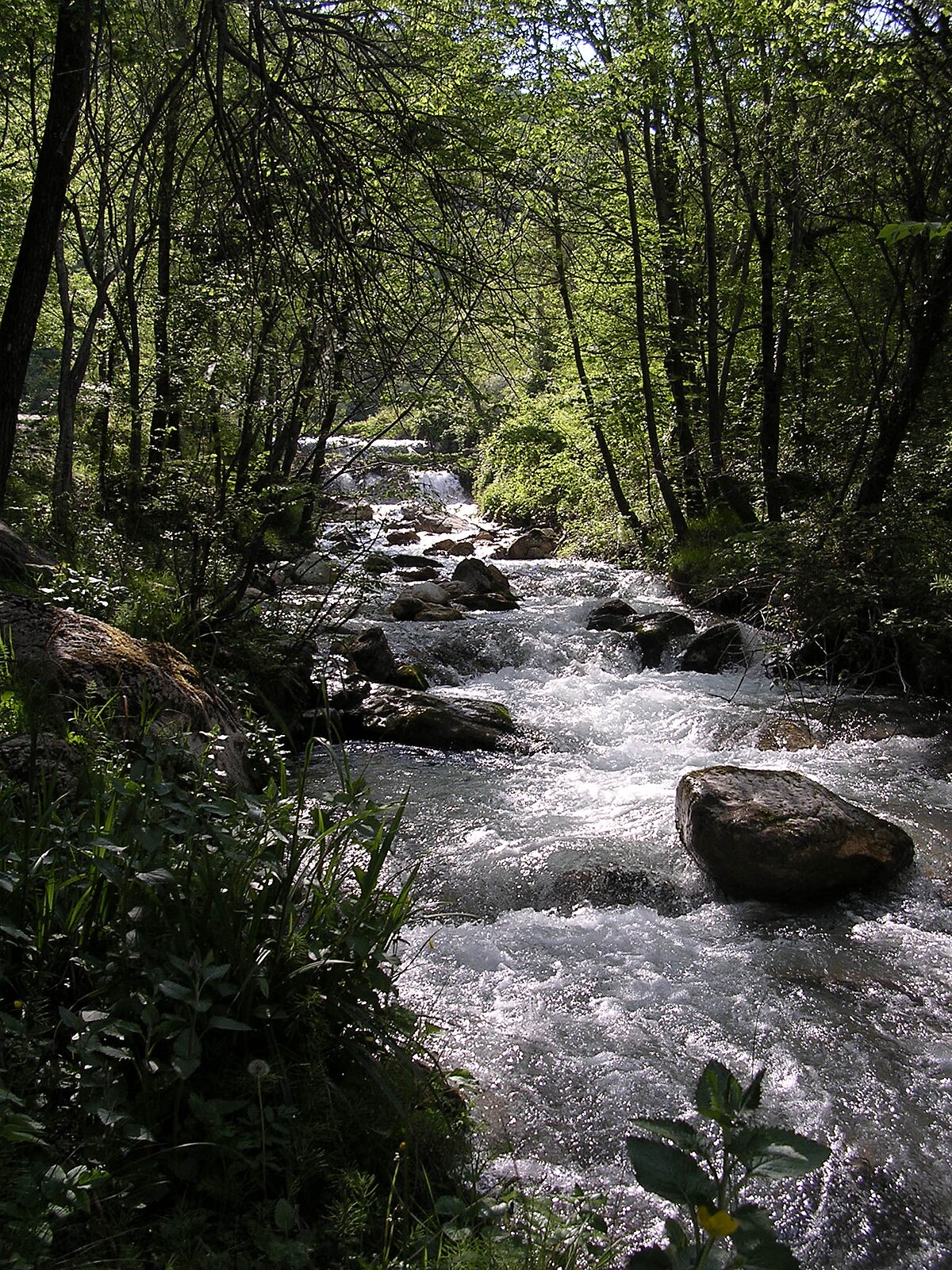
The Ambro River is a picturesque waterway in the Marche region of Italy, known for its serene landscapes and ecological significance.

Ancient Ostra
📍 marche, Italy
Ancient Ostra is an archaeological site located in Marche, Italy, notable for its remnants of an ancient Roman city that offers insights into …

Ancona
📍 marche, Italy
Ancona is a historic city in the Marche region of Italy, renowned for its stunning coastal views and significant maritime heritage.

Antiquarium of Palazzone
📍 marche, Italy
The Antiquarium of Palazzone is a museum located in Perugia, Italy, renowned for its collection of artifacts that showcase the region's rich …
Archivio Diocesano e Biblioteca dell'Arcidiocesi di Pesaro
📍 marche, Italy
The Archivio Diocesano e Biblioteca dell'Arcidiocesi di Pesaro is a conservation library in Marche, Italy, renowned for its extensive collection of …
Archivio e Biblioteca della Cattedrale di S. Rufino (Duomo)
📍 marche, Italy
The Archivio e Biblioteca della Cattedrale di S. Rufino (Duomo) is a historical library and archive located in Assisi, Italy, renowned for its rich …
More Museum

Aghinolfi Castle
📍 tuscany, Italy
Aghinolfi Castle is a historic museum located in Montignoso, Tuscany, Italy, renowned for its medieval architecture and rich cultural heritage.
Alessi Museum
📍 sicily, Italy
The Alessi Museum is a captivating museum located in Sicily, Italy, renowned for its unique collection of decorative arts and design pieces.
Anatomical Museum "Eugenio Morelli"
📍 lazio, Italy
The Anatomical Museum "Eugenio Morelli" is a museum in Lazio, Italy, renowned for its fascinating collection of anatomical specimens and educational …
Antiquarium of Palazzone
📍 marche, Italy
The Antiquarium of Palazzone is a museum located in Perugia, Italy, renowned for its collection of artifacts that showcase the region's rich …
Aquarium of Alghero
📍 sardinia, Italy
The Aquarium of Alghero is a fascinating museum in Sardinia, Italy, known for its diverse marine life exhibits and educational experiences.

Ara Pacis
📍 lazio, Italy
The Ara Pacis is an ancient Roman monument located in Rome, Italy, renowned for its intricate relief sculptures and its role in celebrating peace and …