


Potentia
Overview
Potentia, located in the picturesque region of Marche in Italy, is a site steeped in history and cultural relevance. As a former Roman settlement, this ancient city offers a glimpse into life during the Roman Empire and reflects the architectural and urban planning techniques of the time. Positioned along the Adriatic coast, Potentia was strategically important due to its proximity to trade routes and its natural harbor. Visitors today can explore the remnants of this once-thriving city, which continue to reveal the stories of the people who lived there.
The significance of Potentia extends beyond its ruins; it stands as a testament to the cultural exchange that occurred in this region during antiquity. The archaeological site is not only a place of interest for historians and archaeologists but also for travelers seeking to understand the foundations of modern Italian cities. The serene setting, coupled with the remnants of ancient architecture, creates a compelling destination for those intrigued by history and heritage.
History and Significance
The history of Potentia is intertwined with the broader narrative of Roman expansion and urbanization. Founded during the Roman era, the city played a crucial role in the economic and cultural exchanges of the time. As a port city, Potentia facilitated trade and interaction with other Mediterranean cultures, contributing to its growth and importance.
The decline of Potentia, like many ancient cities, was influenced by various factors, including shifts in trade routes and the rise of nearby settlements. Over the centuries, the site faced periods of abandonment and rediscovery, with archaeological excavations revealing layers of history that showcase the evolution of urban life in the region. The remnants of buildings, streets, and public spaces reflect the architectural styles and urban planning methodologies of ancient Rome, providing invaluable insights into the daily lives of its inhabitants.
Exploring Potentia gives visitors a deeper understanding of the sociopolitical dynamics of the time, as well as the cultural influences that shaped the region. The site is a reminder of the intricate connections between different civilizations and the legacies they leave behind.
Architecture and Features
The architectural remnants of Potentia illustrate the sophistication of Roman engineering and design. Visitors can expect to see structures that once served various civic and residential purposes. The layout of the city is indicative of Roman urban planning, characterized by a grid pattern that facilitated movement and organization.
Among the notable features at Potentia are the foundations of public buildings, which likely served as centers for administration and community gatherings. The remnants of ancient streets, lined with stone and serving as the arteries of the city, invite exploration and contemplation of daily life in antiquity.
Additionally, some areas reveal fragments of mosaic work and pottery, offering insights into the artistic expressions and daily practices of the people who once inhabited the city. The preservation of these elements is crucial for understanding both the aesthetic and functional aspects of Roman architecture.
Visiting Information
Reaching Potentia is relatively straightforward, with Porto Recanati being accessible via various modes of transport. Visitors can arrive by car, with ample parking options nearby, or by utilizing public transport, including trains and buses that connect to larger cities in the Marche region.
When planning a visit, it is advisable to check the official website for current information regarding opening hours and any potential admission fees. The site is typically open to visitors, allowing for a self-guided exploration of the ancient ruins and their surrounding landscape.
A visit to Potentia can take anywhere from a couple of hours to a full day, depending on individual interests and the desire to delve into the archaeological findings. Early mornings or late afternoons are ideal times to visit, as the light enhances the beauty of the ruins, providing excellent opportunities for photography and reflection.
Nearby Attractions
While in the region, visitors can also explore several nearby attractions that complement a trip to Potentia:
Porto Recanati: A charming coastal town with beautiful beaches and a bustling promenade, ideal for a leisurely stroll or enjoying local cuisine.
Recanati: A hillside town known for its historical significance and the birthplace of the poet Giacomo Leopardi, featuring lovely views and cultural sites.
Loreto: Home to the Basilica della Santa Casa, an important pilgrimage site, and a stunning example of Renaissance architecture.
Numana: A picturesque seaside village with sandy beaches and crystal-clear waters, perfect for relaxation after exploring the ruins.
Conero Regional Park: A natural park offering hiking trails, stunning coastal views, and diverse flora and fauna, ideal for outdoor enthusiasts.
Insider Tips
To make the most of your visit to Potentia, consider these insider tips:
Photography: Early morning light can create beautiful shadows and enhance the textures of the ancient ruins. Bring a tripod if you’re interested in capturing long-exposure shots of the site.
Crowd Avoidance: Weekdays tend to be less crowded than weekends, so plan your visit accordingly for a more peaceful experience.
Local Cuisine: After exploring Potentia, indulge in some local Marche cuisine at nearby restaurants, where you can try traditional dishes made with fresh, local ingredients.
Practical Information
When preparing for your visit to Potentia, consider the following practical information:
What to Bring: Comfortable walking shoes are essential, as the terrain can be uneven. A water bottle, sunscreen, and a hat are recommended, especially during the warmer months.
Seasonal Considerations: Spring and fall are ideal times to visit due to milder weather and fewer tourists. Summer can be hot, while winter may bring cooler temperatures.
Accessibility: Be aware that some areas of the ruins may not be fully accessible for those with mobility issues. It’s advisable to check specific access details if needed.
Frequently Asked Questions
How long should I spend visiting?
A visit to Potentia typically takes between two to four hours, depending on your interest in exploration and photography.
Is photography allowed?
Yes, photography is generally permitted, but be respectful of any signage regarding restrictions.
Are there guided tours?
Check the official website for information on guided tours, as they may be available on certain days or by appointment.
What’s the best time to visit?
The best times to visit are during spring (April to June) and fall (September to October) for pleasant weather and fewer crowds.
Is it wheelchair accessible?
Parts of the site may be challenging for wheelchair access. It’s best to check the official website for specific information regarding accessibility.
Can I buy tickets online?
Check the official website for details about ticket purchasing options, including online availability.
Are there restrooms and cafes?
Facilities may be limited at the site. It is advisable to plan ahead and visit local cafes in Porto Recanati for refreshments.
What should I wear?
Wear comfortable clothing and sturdy shoes suitable for walking. Dress in layers, as temperatures can vary throughout the day.
Visiting Potentia provides a unique opportunity to explore an ancient city that offers both historical insights and a chance to reflect on the legacies of the past. Enjoy your journey into the heart of Italy’s rich heritage.
Photo Gallery
Visit Information
Quick Facts
- Heritage Type
- City
- Region
- marche
- Wikidata ID
- Q2106396
More in marche
Ambro
📍 marche, Italy
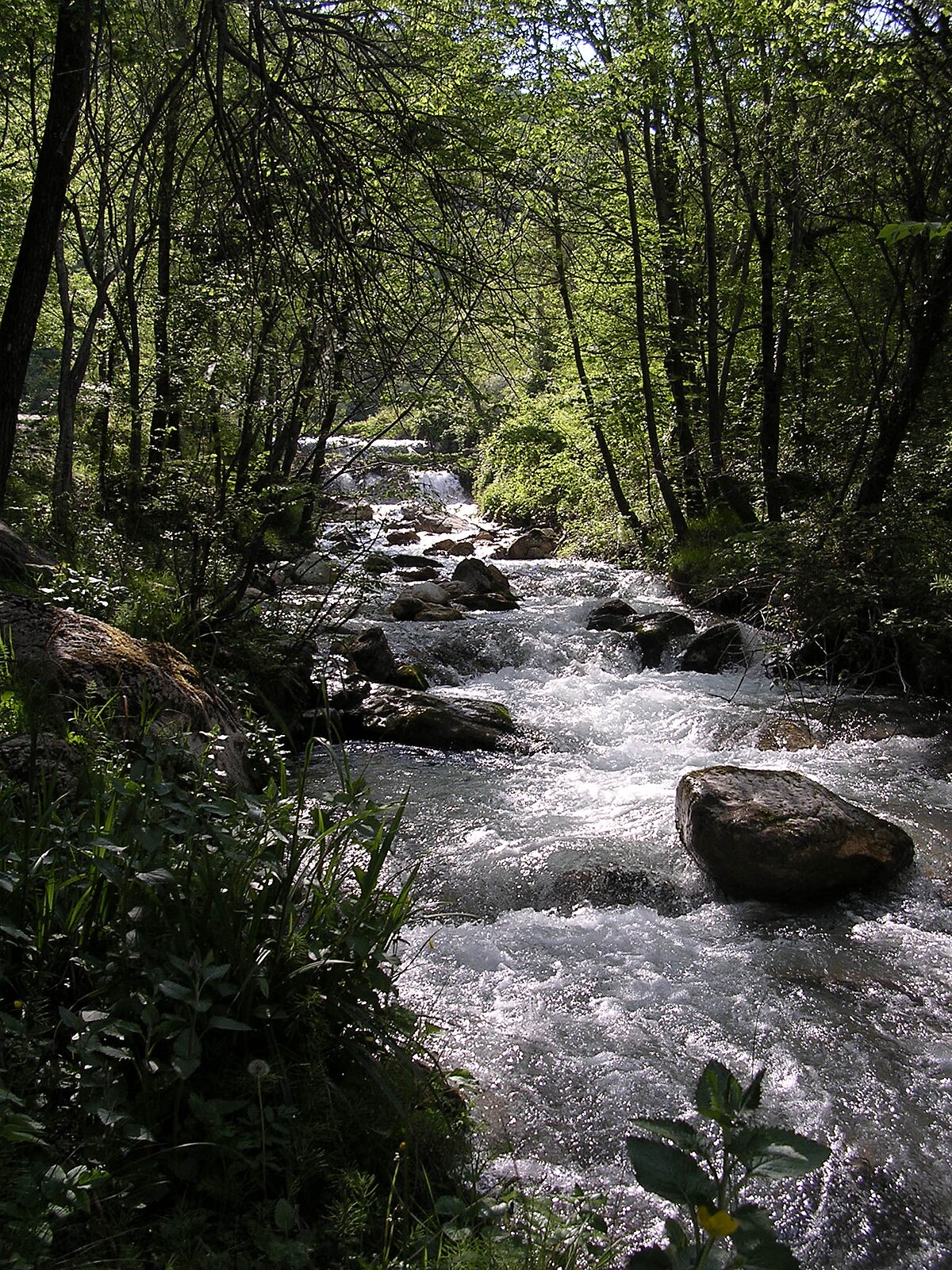
The Ambro River is a picturesque waterway in the Marche region of Italy, known for its serene landscapes and ecological significance.

Ancient Ostra
📍 marche, Italy
Ancient Ostra is an archaeological site located in Marche, Italy, notable for its remnants of an ancient Roman city that offers insights into …

Ancona
📍 marche, Italy
Ancona is a historic city in the Marche region of Italy, renowned for its stunning coastal views and significant maritime heritage.

Antiquarium of Palazzone
📍 marche, Italy
The Antiquarium of Palazzone is a museum located in Perugia, Italy, renowned for its collection of artifacts that showcase the region's rich …
Archivio Diocesano e Biblioteca dell'Arcidiocesi di Pesaro
📍 marche, Italy
The Archivio Diocesano e Biblioteca dell'Arcidiocesi di Pesaro is a conservation library in Marche, Italy, renowned for its extensive collection of …
Archivio e Biblioteca della Cattedrale di S. Rufino (Duomo)
📍 marche, Italy
The Archivio e Biblioteca della Cattedrale di S. Rufino (Duomo) is a historical library and archive located in Assisi, Italy, renowned for its rich …
More City

Agrigento
📍 sicily, Italy
Agrigento is a historic city in Sicily, Italy, renowned for its ancient ruins and the Valley of the Temples, a UNESCO World Heritage Site showcasing …

Albenga
📍 liguria, Italy
Albenga is an Italian urban comune located in the Liguria region, known for its medieval architecture and rich historical significance.

Alessandria
📍 lombardy, Italy
Alessandria is a historic city in Lombardy, Italy, known for its intriguing blend of cultural heritage and architectural features.
Ancona
📍 marche, Italy
Ancona is a historic city in the Marche region of Italy, renowned for its stunning coastal views and significant maritime heritage.

Andria
📍 apulia, Italy
Andria is a city in Apulia, Italy, known for its unique blend of historical architecture and cultural significance, particularly the stunning Castel …
Arretium
📍 tuscany, Italy
Arretium is an ancient city in Tuscany, Italy, recognized for its historical significance as a human settlement and its rich cultural heritage.