Populonia
Overview
Populonia, one of the most significant ancient Etruscan city-states, offers a fascinating glimpse into the world of the Etruscans, a civilization that thrived in Italy before the rise of Rome. Situated on the Tuscan coast, near the Gulf of Baratti, Populonia was uniquely positioned for trade, allowing it to flourish as a critical hub for commerce and metallurgy. The site is particularly known for its extensive ruins, which include remnants of fortifications, homes, and industrial areas that showcase the city’s prominence in metalworking and trade. Visitors to Populonia can expect to explore its ancient streets and structures, experiencing the echoes of a civilization that played a vital role in shaping the history of Italy.
The archaeological significance of Populonia lies in its well-preserved ruins, which provide valuable insights into Etruscan society, economy, and culture. The city’s strategic location and industrious nature made it a focal point for trade routes, connecting various Mediterranean cultures. As you wander through its ancient pathways, you’ll discover not only the remnants of its storied past but also the stunning natural beauty that surrounds this historic site.
History and Significance
Populonia’s origins can be traced back to the Etruscan civilization that flourished between the 8th and 3rd centuries BCE. As one of the few Etruscan cities with direct access to the sea, it was pivotal in maritime trade and the export of iron, which was abundant in the surrounding hills. The city’s strategic location allowed it to become a key player in the Mediterranean trade network, fostering connections with other cultures, including the Greeks and Romans.
The Etruscans were known for their advanced metalworking techniques, and Populonia was no exception. The city was renowned for its production of both weapons and tools, contributing significantly to Etruscan wealth and power. The ruins found in Populonia today, including evidence of ancient workshops and smelting facilities, highlight the city’s industrial capabilities.
As Rome began to rise in power, the Etruscan city-states gradually fell under Roman control, and Populonia was no different. However, it retained its significance through the Roman period, continuing to serve as a vital trade center. Over the centuries, the city underwent various transformations, influenced by the political and social changes in the region. Today, it stands as an essential site for understanding the Etruscan legacy, providing archaeologists and historians with invaluable insights into this enigmatic civilization.
Architecture and Features
The architectural landscape of Populonia is marked by a blend of Etruscan and later Roman influences, showcasing a variety of structures that reflect its historical significance. The remnants of ancient walls, fortifications, and residential buildings are still visible, offering a tangible connection to the past.
One of the most notable features of Populonia is its defensive walls, which enveloped the city, providing protection against invasions. These fortifications were strategically built to take advantage of the natural terrain, reinforcing the city’s defenses.
In addition to the walls, visitors will find the remains of various industrial facilities, including workshops where metal was smelted and crafted. These areas are particularly significant, as they highlight Populonia’s role as a center for iron production. The remnants of furnaces and tools can still be seen, providing a glimpse into the daily lives of the Etruscans who inhabited the city.
The residential structures, although less intact, offer a fascinating insight into Etruscan domestic life. The layout of the city suggests a well-planned urban center, where public spaces, homes, and workshops coexisted. The architectural style, characterized by durable materials like stone and brick, reflects the Etruscans’ advanced construction techniques.
Visiting Information
Reaching Populonia is relatively straightforward, with its location in Tuscany making it accessible by car or public transport. The nearest city is Piombino, which is well-connected by rail and road. From Piombino, visitors can take a short drive or public transport to the archaeological site.
When planning your visit, it is essential to check the official website for current information on hours and ticket prices, as these can vary seasonally. A typical visit may take around two to three hours, allowing ample time to explore the ruins and soak in the history of this ancient city-state.
The best times to visit Populonia are during the spring and fall months when the weather is pleasant, and the tourist crowds are thinner. Summer can be quite warm and busy, so plan accordingly if you prefer a quieter experience.
Expect to encounter a mix of walking paths through the ruins and open areas where you can admire the surrounding landscape. Comfortable walking shoes are recommended, as the terrain can be uneven.
Nearby Attractions
- Gulf of Baratti: Just a short distance from Populonia, this picturesque bay is perfect for swimming and enjoying the stunning coastal views.
- Archaeological Park of Baratti and Populonia: This extensive park encompasses the ruins of Populonia and offers additional archaeological sites and scenic walking paths along the coast.
- Castello di Populonia: A historic castle situated overlooking the town, providing further insights into the area’s medieval history.
- Piombino: A nearby town with a charming historical center, offering additional dining and shopping options, along with views of the Tuscan Archipelago.
Insider Tips
To capture the best photographs of Populonia, aim to visit early in the morning or late in the afternoon when the light is softer. The ruins against the backdrop of the coastal landscape create stunning visuals that are particularly striking during these times.
To avoid the crowds, consider visiting during weekdays or opting for the shoulder seasons of spring and fall. This will allow you to enjoy a more tranquil experience as you explore the site.
Practical Information
When visiting Populonia, it is advisable to bring water, sunscreen, and a hat, especially if you are visiting in the warmer months. Comfortable walking shoes are essential due to the uneven terrain throughout the archaeological site.
Seasonal considerations are important; spring and fall offer mild temperatures, while summer can be quite hot. Winter may bring cooler temperatures, but the site is less crowded during this time.
Frequently Asked Questions
How long should I spend visiting?
A visit typically lasts around two to three hours, allowing you to explore the ruins and appreciate the site’s historical significance.
Is photography allowed?
Yes, photography is generally allowed in the archaeological site, but be mindful of any signage indicating restrictions.
Are there guided tours?
Guided tours may be available; check the official website for more details on tour options and times.
What’s the best time to visit?
The best times to visit are during the spring and fall when the weather is pleasant and visitor numbers are lower.
Is it wheelchair accessible?
Certain areas may be accessible, but due to the nature of the archaeological site, some pathways may be uneven. It’s best to check in advance.
Can I buy tickets online?
Check the official website for current information on ticket purchasing options.
Are there restrooms and cafes?
Facilities may be limited; it’s advisable to check the site for available amenities.
What should I wear?
Wear comfortable clothing and sturdy shoes suitable for walking over uneven terrain, and consider dressing in layers for changing weather conditions.
More in tuscany

Abbazia di San Gaudenzio
📍 tuscany, Italy
The Abbazia di San Gaudenzio is a historic abbey located in San Gaudenzio, Tuscany, Italy, notable for its architectural elegance and spiritual …

Abbey of St Maria del Monte
📍 tuscany, Italy
The Abbey of St Maria del Monte is a historic church building located in Cesena, Italy, celebrated for its architectural beauty and serene ambiance.
Abiogen Pharma
📍 tuscany, Italy
Abiogen Pharma is an educational institution located in Pisa, Italy, recognized for its contributions to pharmaceutical education and research.

Academia de la Crusca library
📍 tuscany, Italy
The Academia de la Crusca library is a historic library located in Tuscany, Italy, renowned for its dedication to the Italian language and its …

Acquedotto leopoldino
📍 tuscany, Italy
The Acquedotto Leopoldino is an impressive aqueduct system located in Livorno, Tuscany, Italy, recognized for its historical significance and …

Acquedotto Lorenese
📍 tuscany, Italy
The Acquedotto Lorenese is a historic aqueduct located in Campiglia Marittima, Tuscany, Italy, known for its 19th-century architecture and engineering …
More City-State

Alba Longa
📍 lazio, Italy
Alba Longa is an ancient city-state in Lazio, Italy, known for its historical significance as the legendary birthplace of Rome and rich cultural …

Caere
📍 lazio, Italy
Caere, an ancient Etruscan metropolis located in Lazio, Italy, is renowned for its archaeological significance and well-preserved necropolises.
Clusium
📍 tuscany, Italy
The ancient Etruscan city-state of Clusium in Tuscany, Italy, is renowned for its archaeological significance and rich cultural heritage.
Corniculum
📍 lazio, Italy
Corniculum is an ancient Latin town in Lazio, Italy, renowned for its historical significance as a former city-state and cultural center.

Free Territory of Trieste
📍 friuli-venezia-giulia, Italy
The Free Territory of Trieste is a historic city-state located in Friuli-Venezia Giulia, Italy, renowned for its unique status and rich cultural …
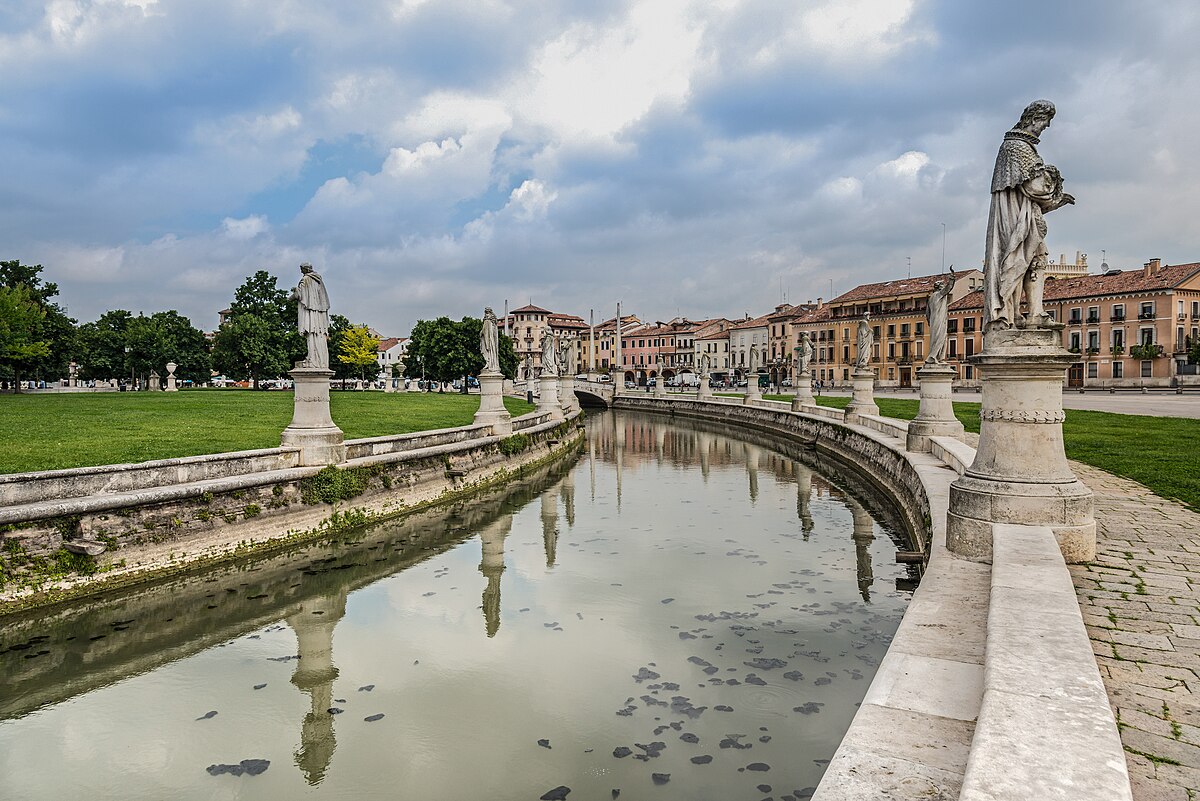
Padua
📍 veneto, Italy
Padua is a historic city-state in Veneto, Italy, renowned for its rich cultural heritage and stunning architecture, including the famous Scrovegni …