

Plestia
Overview
Plestia, located in the picturesque Marche region of Italy, is an archaeological site that offers a glimpse into an ancient Umbrian city. Known for its historical significance, Plestia provides visitors with a fascinating insight into the daily lives and societal structures of its past inhabitants. The site is marked by its remnants of urban planning, architecture, and artifacts that hint at the cultural practices of the time. As you wander through the remnants of this once-thriving city, you can appreciate the layers of history that have shaped the landscape over centuries. With its tranquil setting and rich past, Plestia serves as a compelling destination for history enthusiasts and casual travelers alike.
History and Significance
The historical context of Plestia is deeply rooted in the ancient civilizations of Umbria. This city played a vital role in the region’s development, as it was strategically located for trade and cultural exchange. While specific dates about its founding or decline are not detailed, Plestia is believed to have flourished during the later stages of the Umbrian civilization, contributing to the broader narrative of ancient Italy.
The significance of Plestia extends beyond its physical remnants; it embodies the cultural interactions that occurred in this part of Italy. The site reveals insights into the societal structures, religious practices, and economic activities of its inhabitants. Archaeological excavations have uncovered various artifacts that highlight the daily life of the people who once called Plestia home, including pottery, tools, and possibly religious items.
The site is a representation of the broader historical narratives of Umbria, showcasing how local populations adapted to challenges over time, including shifts in power and influence from surrounding civilizations. Visiting Plestia allows for a deeper understanding of how ancient societies operated and interacted with one another in this region of Italy.
Architecture and Features
Plestia’s archaeological remains include a variety of structural features that reflect the urban planning of ancient cities. The layout of the site suggests a well-organized settlement, with streets that likely facilitated trade and communication among its residents. While specific architectural styles are not detailed, the remnants indicate the use of local materials typical of the period, contributing to the authenticity of the site.
Among the notable features of Plestia are the foundations of buildings that hint at the complexity of ancient urban life. You may encounter remnants of residential areas, public spaces, and possibly religious structures that would have played significant roles in the community. The organization of these spaces not only highlights the architectural capabilities of the time but also provides insight into the social dynamics and cultural priorities of Plestia’s inhabitants.
As visitors explore the site, they can appreciate the historical continuity reflected in the layers of construction and degradation over time. This physical evidence invites reflection on the evolution of the city, its eventual decline, and the legacy it leaves behind as part of Umbria’s rich historical landscape.
Visiting Information
Visiting Plestia can be an enriching experience, allowing you to connect with Italy’s ancient past. To reach Plestia, various modes of transportation are available. Visitors can drive to the site, as it is accessible by car. Public transportation options may also be available, but it is advisable to check local schedules for the most convenient routes.
When planning your visit, check the official website for current information regarding opening hours and ticket prices. The site is typically open to visitors throughout the year, offering a peaceful environment for exploration. Expect to spend around 1-2 hours at Plestia, allowing ample time to absorb the history and appreciate the archaeological remains.
The best times to visit are during the spring and early autumn months, when the weather is pleasant, making it ideal for outdoor exploration. Early mornings or late afternoons can provide a quieter experience, away from potential crowds.
Nearby Attractions
While visiting Plestia, consider exploring other nearby attractions that enhance your experience of the Marche region:
- Fermo - A historic town known for its medieval architecture and vibrant cultural scene, located a short drive from Plestia.
- Ascoli Piceno - Renowned for its beautiful piazzas and historical significance, this town is an excellent destination for those interested in medieval history.
- Civitanova Marche - A coastal town that offers beautiful beaches, shopping, and local dining experiences, perfect for relaxation after exploring archaeological sites.
- Monte Sibillini National Park - A natural retreat for hiking and outdoor activities, showcasing the rugged beauty of the Marche region.
Insider Tips
When visiting Plestia, consider bringing a camera to capture the beauty of the archaeological remains, but be mindful of any restrictions on photography. To avoid crowds, plan your visit during weekdays or in the early morning. Engaging with local guides can enrich your experience, providing deeper insights into the history and significance of the site that may not be readily apparent.
Practical Information
For your visit to Plestia, it’s advisable to wear comfortable walking shoes, as the terrain may be uneven in places. Bringing water and snacks can enhance your experience, especially if you plan to spend an extended time exploring the site. Seasonal considerations are minimal, but visiting in the spring or fall is often more comfortable due to milder weather.
Frequently Asked Questions
How long should I spend visiting?
A visit to Plestia typically takes around 1-2 hours, allowing time to explore the site and absorb its history.
Is photography allowed?
Check for any specific regulations regarding photography on-site, as there may be restrictions in place.
Are there guided tours?
While specific tour options are not detailed, guided tours may be available. Check for current offerings on the official website.
What’s the best time to visit?
The best times to visit are during spring and early autumn when the weather is more favorable for outdoor exploration.
Is it wheelchair accessible?
Information on wheelchair accessibility may vary; check the official website for details.
Can I buy tickets online?
Check the official website for the availability of online ticket purchases.
Are there restrooms and cafes?
Facilities may be limited, so it is advisable to plan accordingly. Check the official website for information on amenities.
What should I wear?
Wear comfortable clothing and footwear suitable for walking and exploring archaeological sites.
Photo Gallery
More in marche
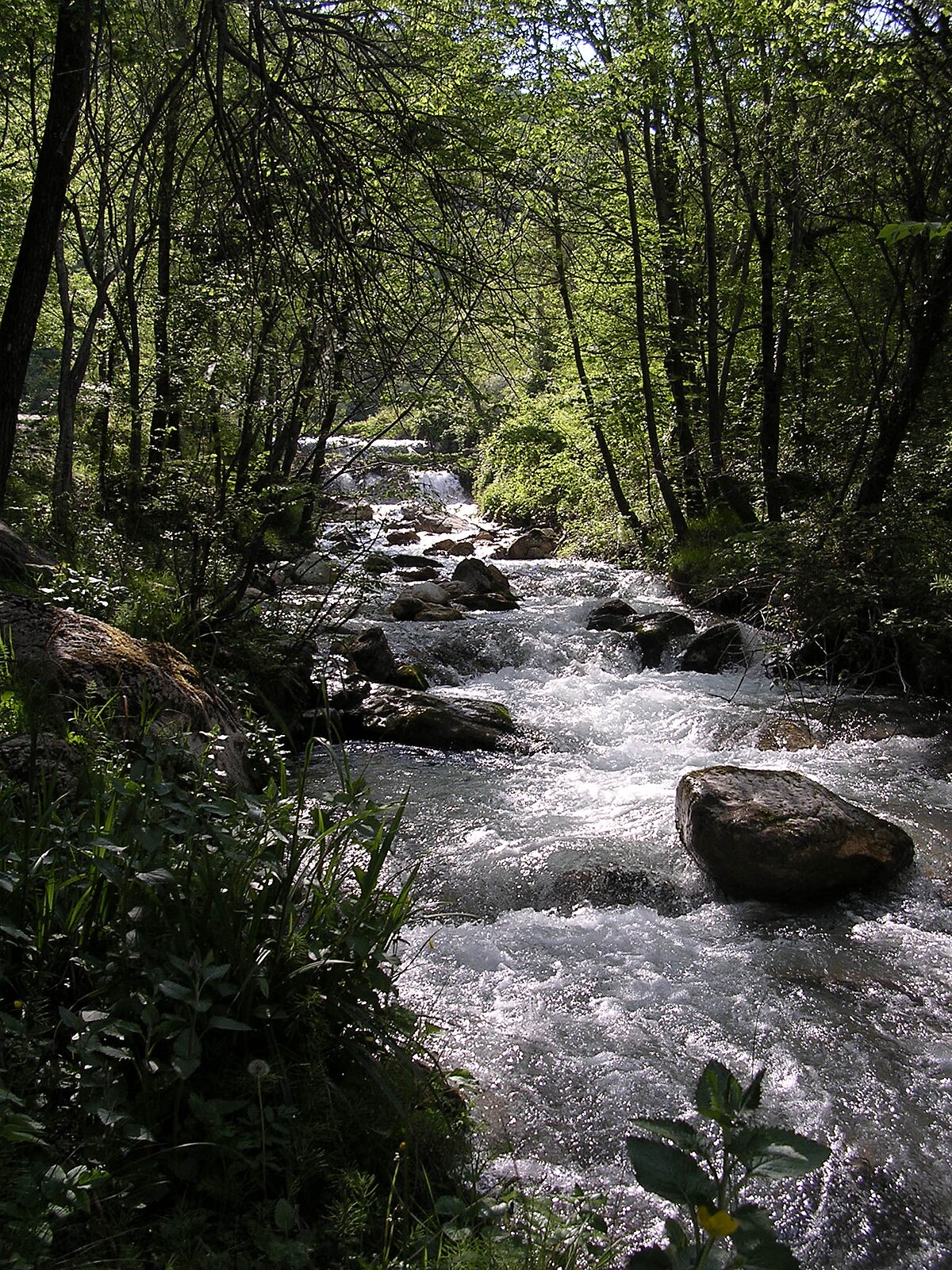
Ambro
📍 marche, Italy
The Ambro River is a picturesque waterway in the Marche region of Italy, known for its serene landscapes and ecological significance.

Ancient Ostra
📍 marche, Italy
Ancient Ostra is an archaeological site located in Marche, Italy, notable for its remnants of an ancient Roman city that offers insights into …

Ancona
📍 marche, Italy
Ancona is a historic city in the Marche region of Italy, renowned for its stunning coastal views and significant maritime heritage.

Antiquarium of Palazzone
📍 marche, Italy
The Antiquarium of Palazzone is a museum located in Perugia, Italy, renowned for its collection of artifacts that showcase the region's rich …
Archivio Diocesano e Biblioteca dell'Arcidiocesi di Pesaro
📍 marche, Italy
The Archivio Diocesano e Biblioteca dell'Arcidiocesi di Pesaro is a conservation library in Marche, Italy, renowned for its extensive collection of …
Archivio e Biblioteca della Cattedrale di S. Rufino (Duomo)
📍 marche, Italy
The Archivio e Biblioteca della Cattedrale di S. Rufino (Duomo) is a historical library and archive located in Assisi, Italy, renowned for its rich …
More Archaeological Site

Abbazia di Santa Maria di Corazzo
📍 calabria, Italy
The Abbazia di Santa Maria di Corazzo is an archaeological site located in Carlopoli, Calabria, Italy, renowned for its historical significance and …

Abella
📍 campania, Italy
The archaeological site of Abella in Campania, Italy, is an ancient human settlement known for its historical significance and cultural heritage.

Abellinum
📍 campania, Italy
Abellinum is an archaeological site in Atripalda, Italy, known for its ancient ruins that reveal insights into Roman settlement and urban planning.

Aeculanum
📍 campania, Italy
Aeculanum is an archaeological site in Campania, Italy, known for its remnants of an ancient town that offer insight into early Roman urban life.
Aesernia
📍 molise, Italy
Aesernia is an ancient Roman archaeological site located in Molise, Italy, renowned for its well-preserved ruins that reflect the grandeur of Roman …

Alba Fucens
📍 lazio, Italy
Alba Fucens is an ancient archaeological site in Lazio, Italy, known for its well-preserved ruins that reflect the grandeur of a once-thriving Roman …