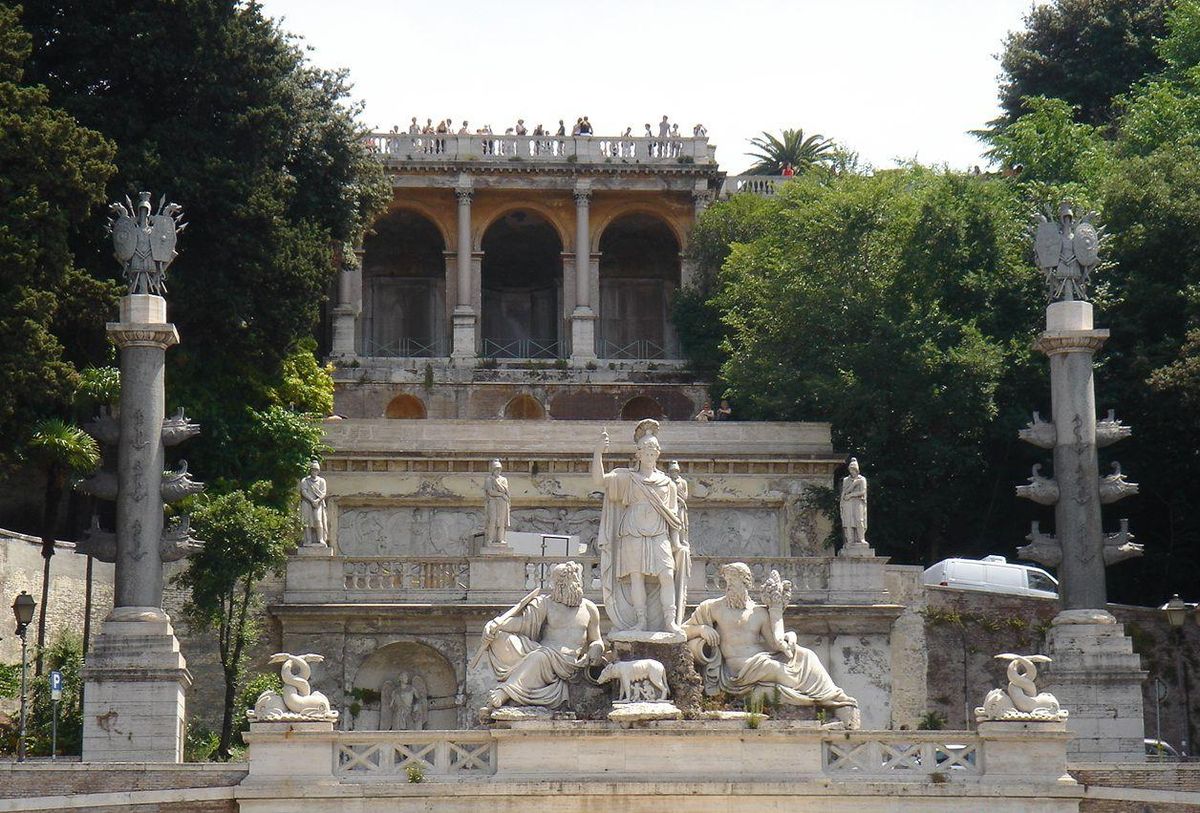


Pincian Hill
Overview
Pincian Hill, or Pincio, is one of the most charming parks in Rome, located just north of the bustling Piazza del Popolo. This elevated area offers visitors a serene retreat from the city’s vibrant streets while providing some of the most impressive vistas of Rome’s skyline. With its strategic location and historical significance, Pincian Hill has been a favored spot for both locals and tourists seeking tranquility and beauty amidst the historical backdrop of the Eternal City.
The park is part of the Villa Borghese gardens, an expansive green space that houses various museums, fountains, and walking paths. Pincian Hill’s gentle slopes are adorned with beautiful gardens and paths lined with trees, making it an ideal place for leisurely strolls or picnics. The park is not only a favorite for relaxation but also serves as a vantage point for iconic landmarks such as the Vatican and the Spanish Steps, showcasing the harmonious blend of nature and urban life.
History and Significance
Pincian Hill has a rich history that dates back to ancient Rome. In antiquity, it was known as the Pincian Hill, one of the seven hills of Rome, where notable villas and gardens were established by Roman aristocrats. The area has undergone various transformations over the centuries, reflecting the changing tastes and social dynamics of the city.
In the 16th century, the hill began to take on a more formal character when Cardinal Scipione Borghese commissioned the construction of gardens and paths. The Pincio Gardens, as they are known today, were designed in the Italian Renaissance style, emphasizing symmetry and geometric layouts. These gardens became a popular promenade for the wealthy elite of Rome, offering a space for social gatherings and leisurely activities.
The significance of Pincian Hill extends beyond its gardens; it has been a site of historical events, including political gatherings and celebrations. In the 19th century, after the unification of Italy, the park became a symbol of national pride and identity. Today, Pincian Hill remains a beloved destination for both locals and visitors, serving as a reminder of Rome’s vibrant history and cultural heritage.
Architecture and Features
Pincian Hill is characterized by its elegant design and natural beauty. The park features a variety of pathways, lush gardens, and numerous statues that enhance its aesthetic appeal. Among the notable architectural features is the panoramic terrace, which offers breathtaking views of the city below. The terrace is often filled with visitors who gather to admire the sunset or take photographs of the stunning cityscape.
The park is adorned with several fountains, including the Fountain of the Goddess Flora, which adds to the tranquil ambiance of the space. The fountains are not only decorative but also serve as a refreshing element, providing a soothing sound of flowing water that enhances the park’s peaceful atmosphere.
Throughout the park, visitors will find various sculptures and monuments that pay homage to significant figures in Italian history. These artistic elements contribute to the cultural richness of Pincian Hill, making it a fascinating place for exploration. The carefully curated gardens, featuring a mix of native and exotic plants, also create a delightful environment for both leisurely strolls and quiet contemplation.
Visiting Information
Pincian Hill is easily accessible via public transport, with several bus lines running nearby. The closest metro stop is Flaminio, which is just a short walk from the entrance of the park. Visitors can expect to spend around one to two hours exploring the park, depending on their pace and interest in photography or relaxation.
Check the official website for current information regarding hours and any potential entry fees, although most areas of the park are free to access. The park is open year-round, and each season offers a unique experience: spring brings vibrant blooms, summer offers lush greenery, autumn showcases colorful foliage, and winter presents a serene landscape.
For those looking to avoid crowds, early morning or late afternoon visits are advisable, especially during weekends and holidays. The park’s spacious layout allows for ample room to find a quiet spot, even during busier times.
Nearby Attractions
Villa Borghese Gardens: Adjacent to Pincian Hill, these expansive gardens host a variety of attractions, including museums like the Borghese Gallery, which features works by Caravaggio and Bernini.
Piazza del Popolo: A short walk away, this iconic square is known for its twin churches, Santa Maria dei Miracoli and Santa Maria in Montesanto, along with the impressive Flaminio Obelisk.
The Spanish Steps: Just a few minutes from the park, this famous staircase is a must-see for its architectural beauty and vibrant atmosphere, especially during the spring when the azaleas bloom.
The Trinità dei Monti: At the top of the Spanish Steps, this stunning church offers not only breathtaking views but also an opportunity to appreciate its Renaissance architecture.
The Keats-Shelley Memorial House: Located nearby, this museum commemorates the lives of the Romantic poets John Keats and Percy Bysshe Shelley, providing insight into their time in Rome.
Insider Tips
For photography enthusiasts, Pincian Hill presents numerous opportunities to capture stunning images, especially during sunrise or sunset when the light casts a warm glow over the city. The panoramic terrace is a particularly popular spot for photographs, so arriving early can help avoid crowds.
To enhance your experience, consider bringing a picnic to enjoy on the grassy areas or at one of the park’s benches. The serene environment is perfect for relaxation, reading, or simply enjoying the beauty of nature.
If you prefer a quieter experience, visiting on weekdays rather than weekends can provide a more peaceful atmosphere, allowing for better appreciation of the park’s beauty.
Practical Information
When visiting Pincian Hill, it’s advisable to wear comfortable shoes, as you will likely be walking along various paths and exploring the gardens. Depending on the season, consider bringing a light jacket for cooler evenings or sunscreen and water during the warmer months.
The park’s landscape changes with the seasons, offering different flora and fauna throughout the year. Spring and early autumn are particularly pleasant times to visit, with mild temperatures and blooming flowers.
Restrooms may be available at nearby attractions, but check the official website for specific details. While there are no cafes directly in the park, the vicinity offers plenty of options to grab a snack or drink before or after your visit.
Frequently Asked Questions
How long should I spend visiting?
A visit to Pincian Hill typically takes about one to two hours, depending on your pace and interests.
Is photography allowed?
Yes, photography is allowed throughout the park, making it a great spot for capturing beautiful cityscapes.
Are there guided tours?
While guided tours may not be specifically offered for Pincian Hill, many walking tours of Rome include stops at this park.
What’s the best time to visit?
Early morning or late afternoon is ideal for avoiding crowds and enjoying the tranquility of the park, especially during weekends.
Is it wheelchair accessible?
Many areas of Pincian Hill are accessible, but check the official website for detailed information on specific pathways and features.
Can I buy tickets online?
Most areas of Pincian Hill are free to access, but check the official website for any special exhibits or events that may require tickets.
Are there restrooms and cafes?
Restrooms may be located at nearby attractions, and while there are no cafes directly in the park, plenty are available in the surrounding areas.
What should I wear?
Wear comfortable clothing and shoes suitable for walking. Seasonal considerations such as sun protection or a light jacket may be necessary depending on the time of year.
Photo Gallery
More in lazio
Abatino Park
📍 lazio, Italy
The Abatino Park is a serene natural park located in Lazio, Italy, offering visitors a peaceful retreat with lush landscapes and recreational …
Abbazia di Santa Maria di Ponza
📍 lazio, Italy
The Abbazia di Santa Maria di Ponza is a Cistercian monastery on Ponza Island, Italy, renowned for its serene atmosphere and historical significance.

Academia Belgica
📍 lazio, Italy
The Academia Belgica is a Belgian cultural institution located in Rome, Italy, notable for its role in promoting Belgian heritage and fostering …
Accademia di Belle Arti di Frosinone
📍 lazio, Italy
The Accademia di Belle Arti di Frosinone is an educational institution in Frosinone, Italy, renowned for its commitment to fostering artistic talent …
Acqua Vergine
📍 lazio, Italy
Acqua Vergine is a modern aqueduct located in Rome, Italy, known for its engineering marvel and role in the city's water supply system.

Acquedotto delle Arcatelle
📍 lazio, Italy
The Acquedotto delle Arcatelle is a 17th-century aqueduct located in Tarquinia, Italy, recognized for its impressive architectural design and …
More Park
Abatino Park
📍 lazio, Italy
The Abatino Park is a serene natural park located in Lazio, Italy, offering visitors a peaceful retreat with lush landscapes and recreational …
Albero d'oro
📍 emilia-romagna, Italy
The Albero d'oro is a serene park located in Emilia-Romagna, Italy, known for its lush landscapes and tranquil environment, perfect for relaxation and …
Alessandro Manzoni Park
📍 molise, Italy
The Alessandro Manzoni Park is a scenic park located in Molise, Italy, known for its tranquil environment and community significance.

Andreas Hofer Park
📍 veneto, Italy
Andreas Hofer Park is a scenic park located in Mantua, Italy, celebrated for its tranquil ambiance and historical significance connected to the local …
Andriace archeological park
📍 apulia, Italy
The Andriace Archaeological Park is an ancient site in Montalbano Jonico, Italy, known for its rich archaeological heritage and historical remnants.
Anello espositivo
📍 lombardy, Italy
The Anello espositivo is a park located in Lombardy, Italy, known for its serene landscapes and natural beauty, making it a perfect retreat for nature …