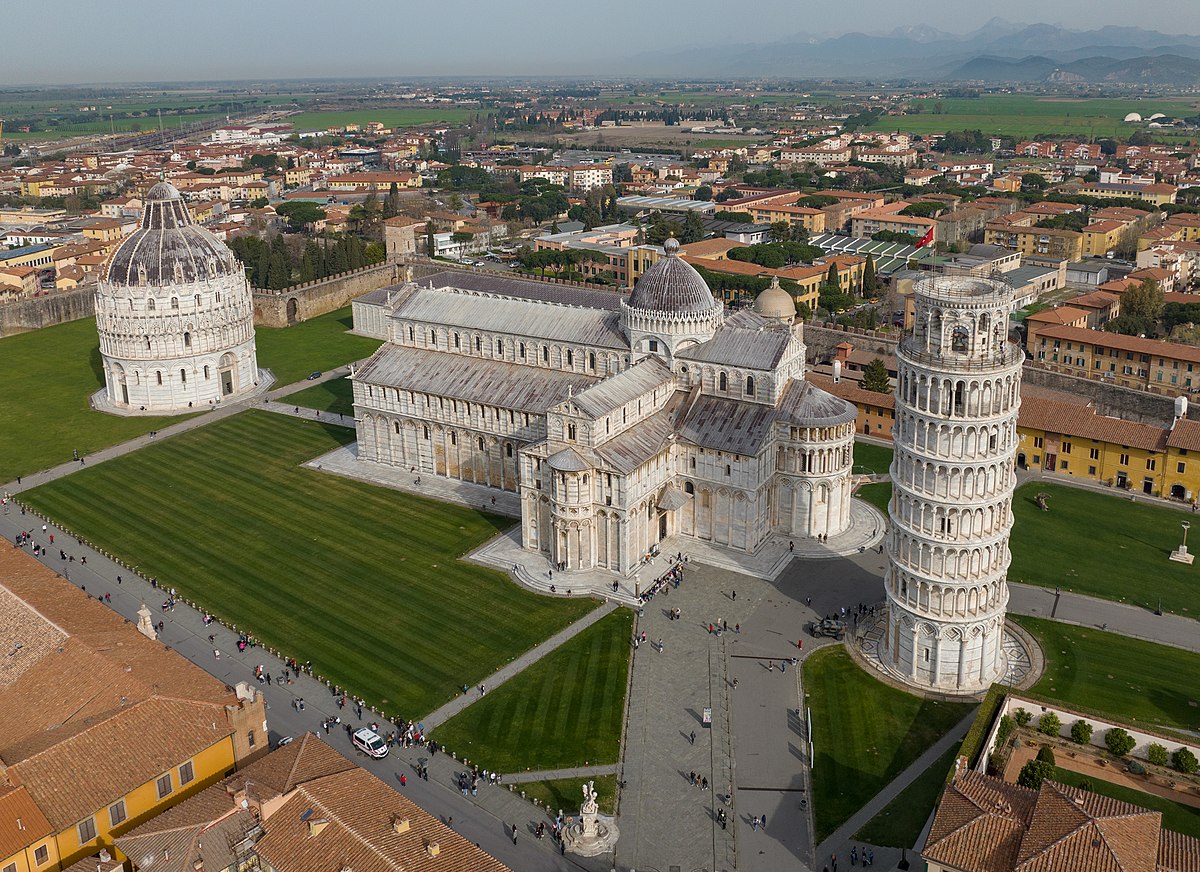


Piazza del Duomo, Pisa
Overview
The Piazza del Duomo, or Cathedral Square, is a remarkable square located in the heart of Pisa, Tuscany. It serves as an architectural and cultural hub, attracting millions of visitors each year who come to marvel at its historic structures. The square is defined by its striking ensemble of medieval buildings, most notably the Cathedral of Santa Maria Assunta, the Baptistery of St. John, and the Leaning Tower of Pisa, which is perhaps the most recognized symbol of the city. This UNESCO World Heritage site not only showcases the artistic and architectural achievements of the medieval period but also serves as a focal point for the city’s history and culture. Visitors are often captivated by the intricate details and grandeur of the buildings that surround the square, making it a must-visit destination for anyone traveling to Italy.
History and Significance
The history of Piazza del Duomo dates back to the 11th century when it became the site for the construction of the Cathedral of Santa Maria Assunta. The square emerged as a prominent religious and civic center, reflecting the power and wealth of Pisa during the Middle Ages. The city was a maritime power, and the construction of these grand structures was a testament to its economic prosperity and cultural ambitions.
Over the centuries, various architects and artists contributed to the square’s development, with each structure reflecting the artistic styles of its time. The Leaning Tower, designed as a freestanding bell tower for the cathedral, began construction in 1173. However, due to unstable foundations, it began to lean almost immediately, leading to a protracted construction period that lasted nearly 200 years. This quirk has not only become a defining feature of the tower but has also added to the square’s allure.
The square’s designation as a UNESCO World Heritage site underscores its cultural significance, as it encapsulates the historical narrative of Pisa and its influence on architecture and art across Europe. It represents a convergence of religious, political, and social life in the city, making it a vital piece of Pisa’s heritage.
Architecture and Features
The architectural ensemble of the Piazza del Duomo is celebrated for its Romanesque style, characterized by intricate carvings and grand arches. The Cathedral of Santa Maria Assunta is the centerpiece of the square, featuring a stunning façade adorned with white and gray marble. Its interior houses remarkable artworks, including the famous frescoes and a magnificent pulpit carved by Giovanni Pisano.
Adjacent to the cathedral is the Baptistery of St. John, which is the largest in Italy and showcases a blend of Romanesque and Gothic styles. Its distinctive cylindrical shape and intricate sculptures reflect the artistic prowess of the time. The acoustics within the Baptistery are particularly notable, making it a popular spot for musical performances.
The Leaning Tower of Pisa, with its iconic tilt, stands as a remarkable architectural feat. Composed of white and gray marble, the tower is adorned with a series of arches and columns that create a harmonious visual experience. Visitors can ascend the 294 steps to its summit for a unique perspective of the surrounding square.
Each element of the Piazza del Duomo contributes to its overall aesthetic, creating a cohesive and visually stunning environment that captures the essence of Pisa’s historical significance.
Visiting Information
Visiting the Piazza del Duomo is an enriching experience that allows you to explore some of the most important historical structures in Italy. The square is easily accessible on foot from various points in Pisa, and public transport options, including buses and taxis, are available for those traveling from farther locations.
While visiting, it is recommended to dedicate at least a couple of hours to fully appreciate the architectural beauty and historical context of the square. Check the official website for current information regarding hours of operation and any applicable entrance fees for specific structures within the square, such as the Leaning Tower and the cathedral.
The best times to visit are during the early morning or late afternoon when the light enhances the beauty of the buildings, and the crowds are less dense. Spring and autumn are ideal seasons for visiting, as the weather is generally mild and pleasant.
Nearby Attractions
- Museo dell’Opera del Duomo: This museum houses important artworks and artifacts related to the cathedral and the square, providing deeper insights into their history.
- Pisa’s Historic Center: A short walk from the square, this area is filled with charming streets, shops, and eateries that reflect the local culture.
- Arno River: A stroll along the river offers picturesque views and a chance to experience the vibrant atmosphere of Pisa.
- Santa Maria della Spina: A small Gothic church located along the Arno River, known for its intricate exterior and stunning riverside views.
- Botanical Garden of Pisa: A tranquil escape, this garden showcases a variety of plant species and is a perfect spot for relaxation after exploring the square.
Insider Tips
For the best photographs of the square and its iconic structures, visit early in the morning or during sunset when the light is soft. To avoid crowds, consider visiting on weekdays rather than weekends. Additionally, try to schedule your visit during the off-peak tourist season, typically from late autumn to early spring, for a more intimate experience.
Practical Information
When visiting Piazza del Duomo, it is advisable to wear comfortable walking shoes, as the square is best explored on foot. Bringing a refillable water bottle can also be beneficial, especially during the warmer months. Be mindful of seasonal weather conditions; summers can be hot, while winters may be chilly, so dressing in layers is a good strategy.
Additionally, check the official website for any updates regarding accessibility and facilities available at the site.
Frequently Asked Questions
How long should I spend visiting?
It’s recommended to spend at least two to three hours to fully appreciate the square and its attractions.
Is photography allowed?
Yes, photography is allowed in the square, but be respectful of other visitors and the spaces.
Are there guided tours?
Yes, various guided tours are available that provide in-depth information about the history and architecture of the square.
What’s the best time to visit?
Early morning or late afternoon is ideal, especially during weekdays to avoid large crowds.
Is it wheelchair accessible?
Many areas of the square are accessible, but check the official website for specific information regarding wheelchair access to individual buildings.
Can I buy tickets online?
Check the official website for current information about purchasing tickets online for the Leaning Tower and the cathedral.
Are there restrooms and cafes?
There are facilities and cafes nearby, but it’s best to plan ahead and check the official site for their locations.
What should I wear?
Dress comfortably, and consider wearing layers, especially in cooler months, as temperatures can vary throughout the day.
Photo Gallery
More in tuscany

Abbazia di San Gaudenzio
📍 tuscany, Italy
The Abbazia di San Gaudenzio is a historic abbey located in San Gaudenzio, Tuscany, Italy, notable for its architectural elegance and spiritual …

Abbey of St Maria del Monte
📍 tuscany, Italy
The Abbey of St Maria del Monte is a historic church building located in Cesena, Italy, celebrated for its architectural beauty and serene ambiance.
Abiogen Pharma
📍 tuscany, Italy
Abiogen Pharma is an educational institution located in Pisa, Italy, recognized for its contributions to pharmaceutical education and research.

Academia de la Crusca library
📍 tuscany, Italy
The Academia de la Crusca library is a historic library located in Tuscany, Italy, renowned for its dedication to the Italian language and its …

Acquedotto leopoldino
📍 tuscany, Italy
The Acquedotto Leopoldino is an impressive aqueduct system located in Livorno, Tuscany, Italy, recognized for its historical significance and …

Acquedotto Lorenese
📍 tuscany, Italy
The Acquedotto Lorenese is a historic aqueduct located in Campiglia Marittima, Tuscany, Italy, known for its 19th-century architecture and engineering …