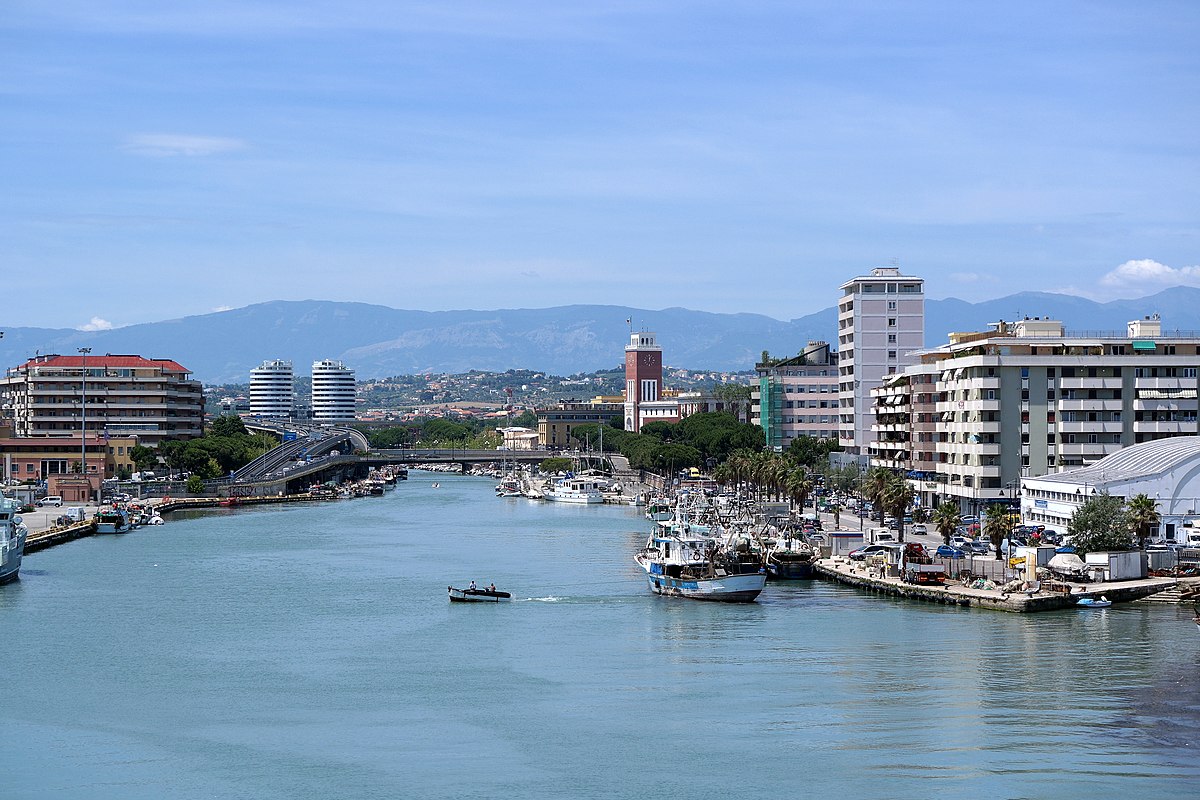


Pescara
Overview
Pescara, located in the heart of Abruzzo, offers visitors a unique blend of modern urban life and historical charm. Situated along the Adriatic Sea, it serves as a significant coastal hub in Central Italy. With a population that reflects a lively mix of local traditions and contemporary influences, Pescara is known for its beautiful beaches, bustling promenade, and vibrant nightlife, making it an attractive destination for both relaxation and exploration. The city is also a cultural center, renowned for its art and music festivals, as well as its culinary delights that highlight the flavors of the Abruzzo region. Visitors to Pescara can expect a city that combines the allure of coastal beauty with rich cultural experiences, making it a must-visit location for anyone traveling through Italy.
History and Significance
Pescara has a storied past that reflects the broader historical currents of the Abruzzo region. While the exact origins of the city are unclear, it is believed to have been inhabited since ancient times, with evidence of settlements dating back to the Roman era. The strategic location along the Adriatic coast made it an important trade and military port throughout the centuries.
The city has undergone significant transformations, particularly in the 20th century when it expanded rapidly due to industrialization and urban development. Today, Pescara is recognized not only for its economic contributions but also for its cultural significance. It is the birthplace of several notable figures, including the influential poet Gabriele D’Annunzio, who is deeply associated with the city’s cultural identity.
Pescara’s history is also marked by its resilience, particularly during World War II, when much of the city was damaged. The post-war reconstruction efforts led to the modern cityscape that visitors see today, characterized by a mix of contemporary architecture and remnants of its historical past. This blend of old and new gives Pescara a unique character that enriches its cultural narrative.
Architecture and Features
Pescara’s architectural landscape is a reflection of its varied history, with elements that span different eras. The city features a mix of modern buildings and historical sites, showcasing its evolution over time. One of the most prominent structures is the Ponte del Mare, a striking pedestrian bridge that links the north and south sides of the city while offering picturesque views of the river and coastline.
The city’s cathedral, Cattedrale di San Cetteo, is another significant architectural highlight. Dedicated to the patron saint of Pescara, this cathedral features a blend of Romanesque and Gothic styles, with beautiful stained-glass windows and intricate details that draw visitors looking to appreciate its spiritual and artistic significance.
The waterfront promenade, known as Lungomare, is a lively area lined with palm trees, restaurants, and cafes, making it a popular spot for locals and tourists alike. The combination of modern storefronts and traditional Italian architecture creates an inviting atmosphere that embodies the spirit of Pescara.
Visiting Information
Pescara is well-connected by various modes of transport, making it accessible for visitors. The city is served by the Abruzzo Airport, which is located just a short drive away, offering both domestic and international flights. Additionally, the train station provides links to major Italian cities, allowing for easy travel.
When planning a visit, it is advisable to check the official website for current hours and pricing information, particularly for specific attractions and events that may vary seasonally. Visitors can expect to spend a day exploring the city’s highlights, including its beaches, historical sites, and bustling markets.
The best times to visit Pescara are during the late spring and early autumn when the weather is mild, and the city hosts various festivals that showcase local culture, music, and cuisine. Summer is also popular due to the beach activities, but it can be crowded, so visitors may want to arrive early to secure a good spot.
Nearby Attractions
Francavilla al Mare: Located just a short distance from Pescara, this charming seaside town offers beautiful beaches and a relaxed atmosphere, perfect for a day trip.
Chieti: A historic city known for its impressive archaeological museum and beautiful medieval architecture, Chieti provides a fascinating glimpse into the region’s past.
Majella National Park: For nature enthusiasts, this park offers stunning landscapes, hiking trails, and opportunities to explore the natural beauty of the Abruzzo region.
Sulmona: Famous for its confetti (sugar-coated almonds), Sulmona is a picturesque town that features beautiful squares and historical sites, including its impressive aqueduct.
Castello Caldoresco: This historic castle in the nearby town of Roseto degli Abruzzi provides panoramic views and a rich history, making it a worthwhile excursion from Pescara.
Insider Tips
For the best photographs of Pescara, visit the Lungomare during the golden hours of sunrise or sunset when the light casts a beautiful glow over the Adriatic Sea. To avoid the crowds, consider exploring the city during weekdays, especially in the off-peak season.
If you’re interested in local cuisine, head to the markets early in the day to sample fresh produce and local delicacies. Engaging with local vendors can also lead to delightful culinary experiences and insights into Pescara’s food culture.
Practical Information
When visiting Pescara, it is advisable to bring comfortable footwear, as much of the exploration involves walking along the promenade and city streets. Depending on the season, packing sunscreen or a light jacket may be necessary, given the coastal climate.
The best time to visit is during the spring and autumn months when the weather is pleasant for outdoor activities. In summer, the beaches can become crowded, so if you prefer a quieter experience, consider visiting during the shoulder seasons.
Frequently Asked Questions
How long should I spend visiting?
A day is typically sufficient to explore the main attractions, but extending your visit allows for a more leisurely experience.
Is photography allowed?
Yes, photography is generally permitted in public areas and at most attractions; however, it is wise to respect any specific restrictions.
Are there guided tours?
Yes, various guided tours are available, offering insights into Pescara’s history and culture, including walking tours and culinary experiences.
What’s the best time to visit?
Late spring and early autumn are ideal for pleasant weather and fewer crowds, while summer is popular for beach activities.
Is it wheelchair accessible?
Many areas in Pescara, including the promenade, are wheelchair accessible, though some historical sites may have limitations.
Can I buy tickets online?
Some attractions may offer online ticket purchasing; check the official website for each site for details.
Are there restrooms and cafes?
Yes, public restrooms and cafes are available throughout the city, particularly along the Lungomare and in central areas.
What should I wear?
Comfortable clothing and shoes are recommended, especially if you plan to explore on foot. Dress according to the season and activities planned.
Photo Gallery
Location
Visit Information
Quick Facts
- Heritage Type
- City
- Region
- abruzzo
- Wikidata ID
- Q2704
More in abruzzo

Aventino
📍 abruzzo, Italy
The Aventino is a river in Abruzzo, Italy, known for its serene beauty and significance in local culture and history.
Biblioteca "Libertà va cercando..."
📍 abruzzo, Italy
The Biblioteca "Libertà va cercando..." is a library located in Roseto degli Abruzzi, Italy, known for its commitment to cultural preservation and …
Biblioteca “Nino Ruscitti”
📍 abruzzo, Italy
The Biblioteca “Nino Ruscitti” is a charming library located in Bugnara, Italy, celebrated for its unique collection and community focus.
Biblioteca del Centro di Informazione Statistica - Cis Istat - Sede dell'Abruzzo
📍 abruzzo, Italy
The Biblioteca del Centro di Informazione Statistica - Cis Istat - Sede dell'Abruzzo is a prominent library located in Pescara, Italy, known for its …
Biblioteca del Centro di lettura
📍 abruzzo, Italy
The Biblioteca del Centro di lettura is a library located in Guardialfiera, Italy, known for its dedication to promoting reading and literacy within …
Biblioteca del Centro sociale di educazione permanente
📍 abruzzo, Italy
The Biblioteca del Centro sociale di educazione permanente is an Italian library located in San Biase, Abruzzo, known for its commitment to lifelong …
More City

Agrigento
📍 sicily, Italy
Agrigento is a historic city in Sicily, Italy, renowned for its ancient ruins and the Valley of the Temples, a UNESCO World Heritage Site showcasing …

Albenga
📍 liguria, Italy
Albenga is an Italian urban comune located in the Liguria region, known for its medieval architecture and rich historical significance.

Alessandria
📍 lombardy, Italy
Alessandria is a historic city in Lombardy, Italy, known for its intriguing blend of cultural heritage and architectural features.

Ancona
📍 marche, Italy
Ancona is a historic city in the Marche region of Italy, renowned for its stunning coastal views and significant maritime heritage.

Andria
📍 apulia, Italy
Andria is a city in Apulia, Italy, known for its unique blend of historical architecture and cultural significance, particularly the stunning Castel …
Arretium
📍 tuscany, Italy
Arretium is an ancient city in Tuscany, Italy, recognized for its historical significance as a human settlement and its rich cultural heritage.