
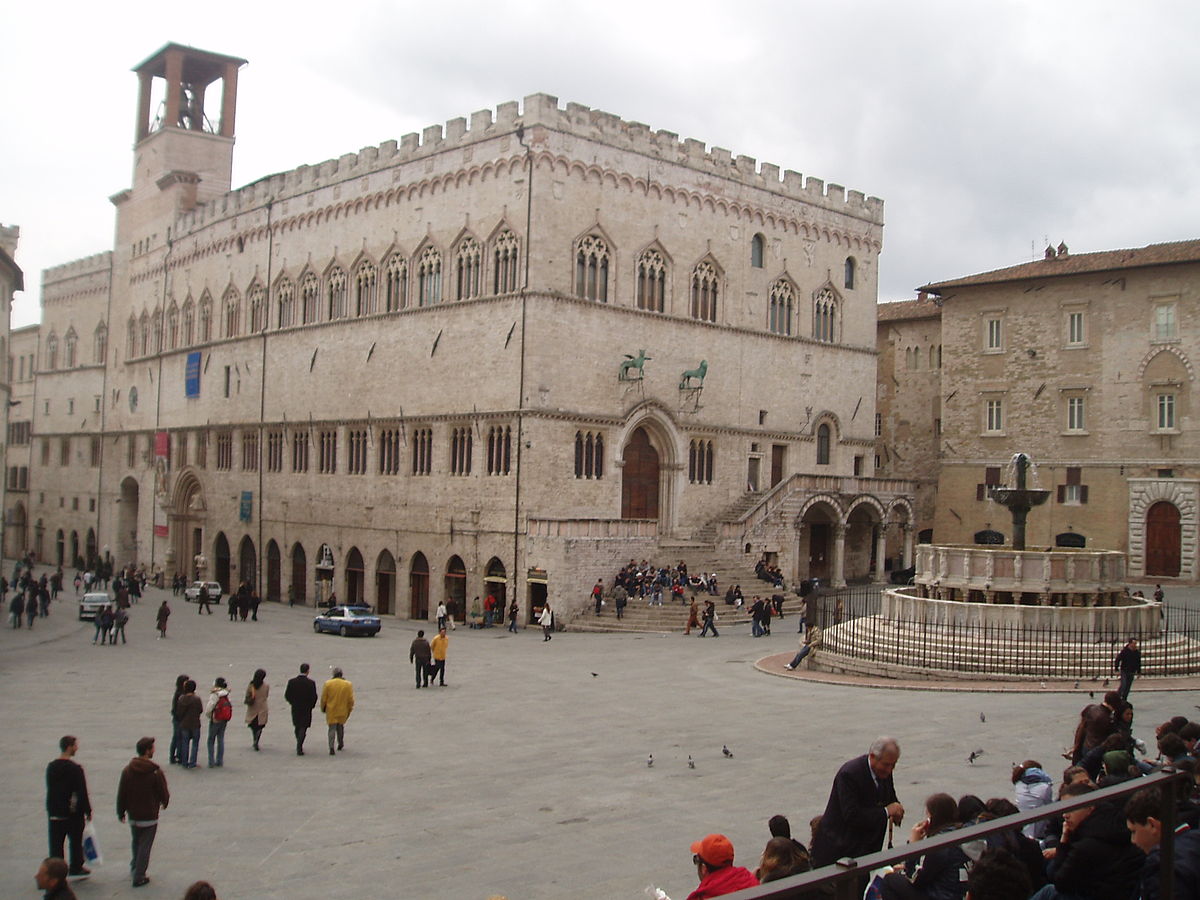


Perugia
Overview
Perugia, the capital of the Umbria region, is a city that captivates visitors with its blend of medieval charm and modern vibrancy. Situated on a hilltop, its strategic location offers a stunning panorama of the surrounding landscape. With a history that stretches back thousands of years, Perugia has served as a significant cultural and political center. The city’s significance has been shaped by various civilizations, including the Etruscans, Romans, and more recently, the Papal States.
Visitors to Perugia can expect to encounter a city where history is palpable in its art, architecture, and local traditions. The city is particularly renowned for its annual events, such as the Umbria Jazz Festival and the Eurochocolate Festival, which highlight its vibrant cultural scene. Whether you are strolling through its narrow, cobbled streets or exploring its historic sites, Perugia promises an engaging experience steeped in heritage and creativity.
History and Significance
The history of Perugia is rich and layered, rooted in its founding by the Etruscans around the 6th century BCE. The city thrived during the Etruscan period, becoming an important urban center. Following the decline of the Etruscans, Perugia came under Roman control, further enhancing its stature as a significant city in the region.
The Middle Ages saw Perugia emerge as a powerful commune. This period was marked by political struggles and rivalries with neighboring cities, which shaped much of its architecture and culture. The city played a pivotal role in the Italian Renaissance, contributing to the arts and humanism. The renowned painter Pietro Perugino, who taught Raphael, hailed from this vibrant city, and his influence can still be seen in the numerous artworks scattered throughout the area.
In more recent history, Perugia was a focal point during the Italian unification process and later became a key city within the Papal States until the unification of Italy in the 19th century. Today, its cultural heritage is celebrated through various festivals and events, making it a prominent destination for those interested in history and the arts.
Architecture and Features
Perugia’s architecture is a testament to its storied past, with a blend of Etruscan, Roman, and medieval influences. The city’s historical center features narrow streets lined with beautifully preserved buildings that evoke a sense of the past. A key highlight is the Etruscan Arch, a monumental gateway that dates back to the Etruscan era, offering a glimpse into the city’s ancient origins.
The Palazzo dei Priori, a striking medieval building, is a focal point of Perugia’s architecture. This grand structure houses the National Gallery of Umbria, showcasing an impressive collection of Renaissance art. The nearby Fontana Maggiore, a beautifully crafted fountain adorned with sculptures and reliefs, serves as another iconic landmark of the city.
St. Peter’s Basilica and the Cathedral of San Lorenzo are notable religious sites that reflect the city’s architectural diversity. The gothic-style cathedral features stunning artworks and intricate details that speak to the city’s artistic heritage.
Visiting Information
Perugia is well-connected by various modes of transport, making it accessible to travelers. The city is served by the San Francesco d’Assisi Airport, located approximately 12 kilometers away. Regular bus services operate between the airport and the city center, providing a convenient option for visitors.
Once in Perugia, visitors can explore the city on foot, as many of its attractions are within walking distance. The historic center is pedestrian-friendly, allowing for a leisurely stroll through its charming streets.
For current information on operating hours and admission prices for specific attractions, check the official website. A full day is recommended to fully appreciate the city’s highlights, though those with a keen interest in art and history may wish to extend their visit. The best times to visit are during the spring and early fall when the weather is mild and conducive to outdoor exploration.
Nearby Attractions
Perugia is surrounded by several noteworthy attractions that are worth exploring during your visit.
- Assisi: Just a short distance away, this UNESCO World Heritage Site is famous for its stunning basilica and its association with St. Francis.
- Gubbio: This medieval town is known for its well-preserved architecture and the annual Corsa dei Ceri festival.
- Lake Trasimeno: A picturesque lake offering opportunities for boating, hiking, and enjoying the natural beauty of the region.
- Todi: A charming hilltop town with panoramic views and a rich historical background, perfect for a day trip.
- Spello: Renowned for its beautiful floral displays and Roman architecture, Spello is another delightful destination nearby.
Insider Tips
To capture the essence of Perugia, consider visiting during the early morning or late afternoon when the light enhances the beauty of the city’s architecture. Be mindful of peak tourist seasons during popular festivals, as the crowds can be significant.
For a more intimate experience, try to explore lesser-known streets and alleys, where you may discover quaint shops and local cafés. Engaging with locals and trying regional delicacies can also enrich your visit.
Practical Information
When visiting Perugia, comfortable walking shoes are essential due to the city’s cobbled streets and hilly terrain. Consider bringing a light jacket during the cooler months, as temperatures can drop in the evening.
Seasonal events, such as the Umbria Jazz Festival in July and the Eurochocolate Festival in October, draw large crowds, so planning ahead is advisable if you wish to partake in these festivities.
Frequently Asked Questions
How long should I spend visiting?
A full day is ideal for exploring the main attractions and soaking in the atmosphere of Perugia. If you plan on visiting nearby towns, consider extending your stay.
Is photography allowed?
Yes, photography is generally allowed in public spaces and many of the city’s attractions, but be respectful of any specific rules at individual sites.
Are there guided tours?
Yes, guided tours are available, offering insights into the history and culture of Perugia, along with its notable landmarks.
What’s the best time to visit?
The best times to visit are during spring (April to June) and early fall (September to October) when the weather is pleasant and there are various cultural events.
Is it wheelchair accessible?
While many areas in Perugia are accessible, some historic sites may present challenges due to uneven terrain. Check specific locations for accessibility options.
Can I buy tickets online?
Many attractions offer online ticket purchasing; check the official websites of specific sites for details.
Are there restrooms and cafes?
Yes, public restrooms can be found throughout the city, and numerous cafes and restaurants offer local cuisine and refreshments.
What should I wear?
Comfortable, weather-appropriate clothing is recommended, along with sturdy walking shoes to navigate the city’s streets.
Photo Gallery
Visit Information
Quick Facts
- Heritage Type
- City
- Region
- tuscany
- Wikidata ID
- Q3437
More in tuscany

Abbazia di San Gaudenzio
📍 tuscany, Italy
The Abbazia di San Gaudenzio is a historic abbey located in San Gaudenzio, Tuscany, Italy, notable for its architectural elegance and spiritual …

Abbey of St Maria del Monte
📍 tuscany, Italy
The Abbey of St Maria del Monte is a historic church building located in Cesena, Italy, celebrated for its architectural beauty and serene ambiance.
Abiogen Pharma
📍 tuscany, Italy
Abiogen Pharma is an educational institution located in Pisa, Italy, recognized for its contributions to pharmaceutical education and research.

Academia de la Crusca library
📍 tuscany, Italy
The Academia de la Crusca library is a historic library located in Tuscany, Italy, renowned for its dedication to the Italian language and its …

Acquedotto leopoldino
📍 tuscany, Italy
The Acquedotto Leopoldino is an impressive aqueduct system located in Livorno, Tuscany, Italy, recognized for its historical significance and …

Acquedotto Lorenese
📍 tuscany, Italy
The Acquedotto Lorenese is a historic aqueduct located in Campiglia Marittima, Tuscany, Italy, known for its 19th-century architecture and engineering …
More City

Agrigento
📍 sicily, Italy
Agrigento is a historic city in Sicily, Italy, renowned for its ancient ruins and the Valley of the Temples, a UNESCO World Heritage Site showcasing …

Albenga
📍 liguria, Italy
Albenga is an Italian urban comune located in the Liguria region, known for its medieval architecture and rich historical significance.

Alessandria
📍 lombardy, Italy
Alessandria is a historic city in Lombardy, Italy, known for its intriguing blend of cultural heritage and architectural features.

Ancona
📍 marche, Italy
Ancona is a historic city in the Marche region of Italy, renowned for its stunning coastal views and significant maritime heritage.

Andria
📍 apulia, Italy
Andria is a city in Apulia, Italy, known for its unique blend of historical architecture and cultural significance, particularly the stunning Castel …
Arretium
📍 tuscany, Italy
Arretium is an ancient city in Tuscany, Italy, recognized for its historical significance as a human settlement and its rich cultural heritage.