


Parthenope
Overview
Parthenope, the ancient name for what is now modern-day Naples, carries a rich narrative of cultural evolution and historical significance. Founded by Greek settlers, this city was a crucial center for trade and cultural exchange in the Mediterranean. Its strategic coastal location made it an ideal hub for maritime activity, linking it to various civilizations throughout antiquity. Today, the remnants of Parthenope serve as a testament to its vibrant past and are an essential stop for those interested in the layers of history that shape contemporary Naples.
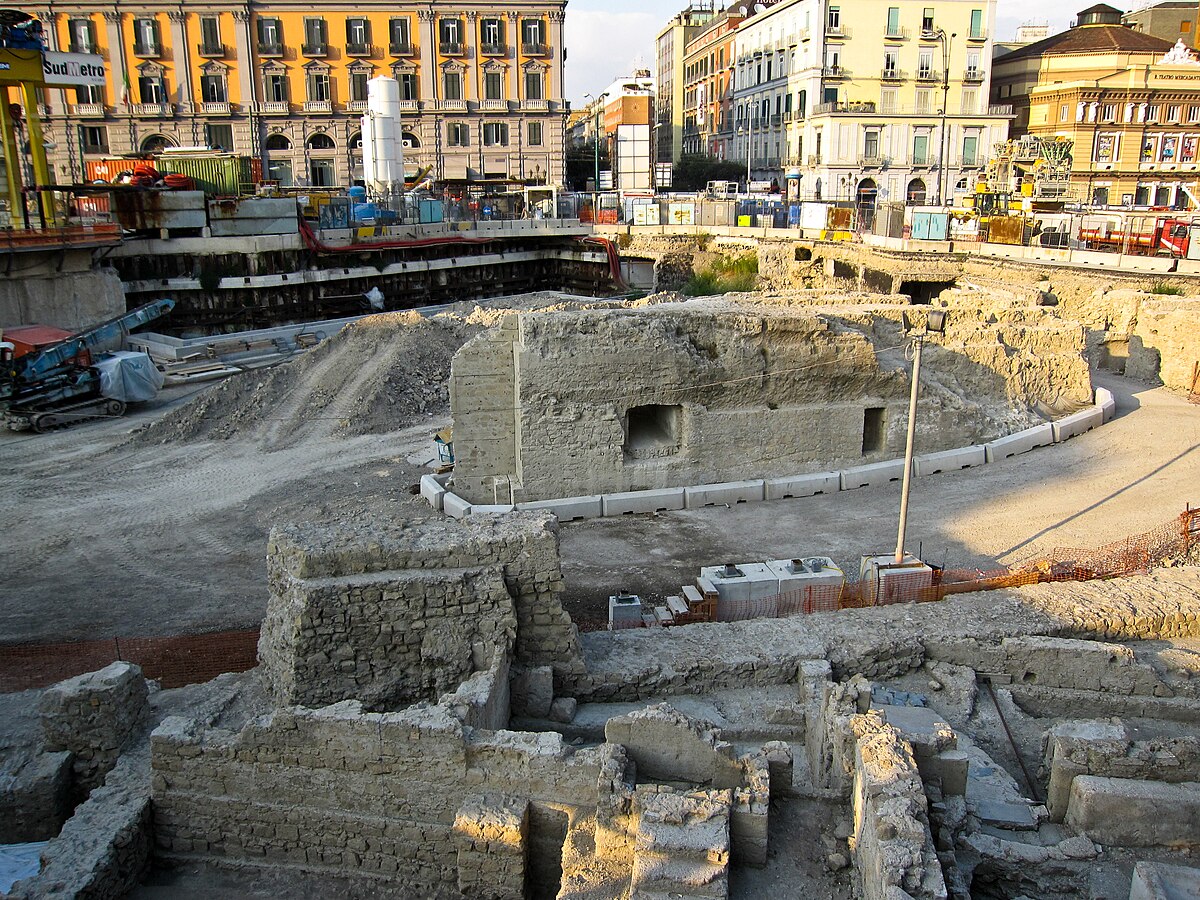
The archaeological site of Parthenope offers a glimpse into the daily life, architecture, and societal structures of ancient inhabitants. Visitors can explore the ruins that still hold echoes of ancient marketplaces, residential areas, and public spaces. As you wander through the site, you can imagine the bustling life that once thrived here, marked by trade, art, and cultural interchange.
Parthenope’s significance extends beyond its archaeological remains; it plays a vital role in understanding the broader historical context of the region. Its legacy continues to influence modern Naples, making it an intriguing destination for heritage enthusiasts. This guide will provide you with essential insights into the history, architecture, visiting tips, and nearby attractions of Parthenope, ensuring you make the most of your visit to this captivating site.
History and Significance
The history of Parthenope is intricately intertwined with the broader narrative of the ancient Mediterranean. Originally founded by Greek settlers in the 8th century BCE, the city was named after a siren from Greek mythology. Parthenope quickly grew into a bustling trade center, leveraging its advantageous coastal position to facilitate commerce and cultural exchanges.
Throughout its history, Parthenope experienced various influences, including those from the Etruscans, Romans, and later the Byzantines. The strategic importance of the city meant that it was often at the center of historical events that shaped the region. The city served as a vital link between the Greek world and the burgeoning Roman Empire, allowing for the exchange of ideas, goods, and culture.
As the city evolved, it also faced challenges, including sieges and invasions. The decline of Parthenope began with the rise of nearby Neapolis in the 5th century BCE, which eventually overshadowed its predecessor. However, the legacy of Parthenope endured, with its ruins providing valuable insights into ancient urban life and governance.
Today, the archaeological site of Parthenope is recognized for its cultural significance, contributing to our understanding of ancient civilizations in Italy. It is an essential location for archaeological research and a focal point for tourists interested in the interplay of history, culture, and archaeology.
Architecture and Features
The architectural remnants of Parthenope showcase a blend of Greek and Roman influences, reflecting the city’s historical significance and cultural evolution. While specific structures may not be detailed, visitors can expect to encounter ruins that provide a sense of the city’s layout and organization.
The remains of various buildings hint at the urban planning typical of ancient cities, including residential areas, public spaces, and possibly marketplaces. The construction methods employed in Parthenope, utilizing locally available materials, highlight the ingenuity of ancient builders and their adaptation to the coastal environment.
One of the features that might be observed at the site are the remnants of walls and foundations that outline the former streets and buildings. These archaeological elements allow historians and visitors alike to piece together the everyday life of Parthenope’s inhabitants. The layout of the site may also reveal insights into social stratification and urban organization in ancient times.
As visitors explore the archaeological site, they can expect to engage with the remnants of this ancient city, prompting reflections on its historical context and the lives of those who once walked its streets. The site encapsulates the essence of a thriving urban center in antiquity, serving as a poignant reminder of the passage of time and the enduring legacy of human civilization.
Visiting Information
Visiting Parthenope is an enriching experience for those keen on exploring Italy’s ancient history. The archaeological site is located in the Campania region, accessible via various modes of transportation. The proximity of Parthenope to modern Naples makes it a convenient stop for tourists exploring the city.
Check the official website for current information regarding hours of operation and any associated entrance fees. Visitors should plan to spend a couple of hours at the site to fully appreciate the remnants and the context surrounding them. Guided tours may be available, providing deeper insights into the historical significance of the site.
The best times to visit Parthenope are during the shoulder seasons of spring and fall when the weather is mild, and tourist crowds are generally thinner. This allows for a more immersive experience as you explore the archaeological remains without the hustle and bustle that can accompany peak tourist season.
As you prepare for your visit, consider bringing comfortable walking shoes, water, and a camera to capture the significant features of the site. The area around Parthenope may also have additional attractions worth exploring, making it a well-rounded day trip.
Nearby Attractions
After exploring Parthenope, several nearby attractions can enrich your visit to the region:
Castel dell’Ovo: Located along the waterfront, this historic castle offers a glimpse into Naples’ medieval past and stunning views of the bay.
Piazza del Plebiscito: The main public square of Naples, flanked by the Royal Palace and the Church of San Francesco di Paola, is a vibrant cultural hub.
National Archaeological Museum of Naples: Home to one of the world’s most extensive collections of Greco-Roman artifacts, this museum provides context to the history of Parthenope and the surrounding region.
Via San Gregorio Armeno: Famous for its artisanal nativity scenes, this street showcases the rich tradition of Neapolitan craftsmanship and offers a unique shopping experience.
The Catacombs of San Gennaro: A short distance away, these ancient catacombs provide insight into early Christian burial practices and the history of Naples.
Insider Tips
To make the most of your visit to Parthenope, consider these insider tips:
Photography: Be sure to bring a camera, as the archaeological remains provide stunning photo opportunities. Early morning or late afternoon light can enhance your photographs.
Crowd Avoidance: To avoid larger crowds, plan your visit on weekdays rather than weekends, particularly during the summer months when tourism peaks.
Engage with Guides: If available, consider joining a guided tour for a more in-depth understanding of the site’s history and significance, which can enrich your overall experience.
Practical Information
When planning your visit to Parthenope, here are some practical considerations:
What to Bring: Comfortable walking shoes are essential, as you will be exploring an archaeological site. Additionally, pack water, sunscreen, and a hat for sun protection.
Seasonal Considerations: The best times to visit are spring and fall when the weather is pleasant. Summer can be hot, and winter, although milder, may bring rain.
Restroom Facilities: Check the official website for information on restroom availability at the site.
Dining Options: While dining options may be limited at the site itself, nearby Naples offers a plethora of eateries and cafes where you can sample authentic Neapolitan cuisine.
Frequently Asked Questions
How long should I spend visiting?
Most visitors find that 2-3 hours is ample time to explore the site thoroughly.
Is photography allowed?
Yes, photography is generally permitted, but check for any specific restrictions at the site.
Are there guided tours?
Guided tours may be available; check the official website for details.
What’s the best time to visit?
The best times to visit are during spring and fall for pleasant weather and fewer crowds.
Is it wheelchair accessible?
Check the official website for accessibility options at the site.
Can I buy tickets online?
Check the official website for information regarding online ticket purchases.
Are there restrooms and cafes?
Verify with the official website for restroom availability and dining options nearby.
What should I wear?
Dress comfortably and consider wearing sun protection, especially during warmer months.
Visiting Parthenope offers not just a journey into the past, but a deeper appreciation for the cultural and historical layers that form the foundation of modern Naples.
Photo Gallery
More in campania
18th-Century Royal Palace at Caserta with the Park, the Aqueduct of Vanvitelli, and the San Leucio Complex
📍 campania, Italy
The 18th-Century Royal Palace at Caserta, a UNESCO World Heritage site in Campania, Italy, is renowned for its stunning architecture, expansive …

Abbey of La Trinità della Cava
📍 campania, Italy
The Abbey of La Trinità della Cava is a historic monastery located in Campania, Italy, celebrated for its serene ambiance and architectural beauty.

Abella
📍 campania, Italy
The archaeological site of Abella in Campania, Italy, is an ancient human settlement known for its historical significance and cultural heritage.

Abellinum
📍 campania, Italy
Abellinum is an archaeological site in Atripalda, Italy, known for its ancient ruins that reveal insights into Roman settlement and urban planning.

Acerenza Cathedral
📍 campania, Italy
Acerenza Cathedral is a historic church located in Acerenza, Italy, renowned for its architectural beauty and cultural significance in the region of …

Acerra Cathedral
📍 campania, Italy
Acerra Cathedral is a historic church building located in Acerra, Campania, Italy, renowned for its architectural features and cultural significance …
More Archaeological Site

Abbazia di Santa Maria di Corazzo
📍 calabria, Italy
The Abbazia di Santa Maria di Corazzo is an archaeological site located in Carlopoli, Calabria, Italy, renowned for its historical significance and …
Abella
📍 campania, Italy
The archaeological site of Abella in Campania, Italy, is an ancient human settlement known for its historical significance and cultural heritage.
Abellinum
📍 campania, Italy
Abellinum is an archaeological site in Atripalda, Italy, known for its ancient ruins that reveal insights into Roman settlement and urban planning.

Aeculanum
📍 campania, Italy
Aeculanum is an archaeological site in Campania, Italy, known for its remnants of an ancient town that offer insight into early Roman urban life.
Aesernia
📍 molise, Italy
Aesernia is an ancient Roman archaeological site located in Molise, Italy, renowned for its well-preserved ruins that reflect the grandeur of Roman …

Alba Fucens
📍 lazio, Italy
Alba Fucens is an ancient archaeological site in Lazio, Italy, known for its well-preserved ruins that reflect the grandeur of a once-thriving Roman …