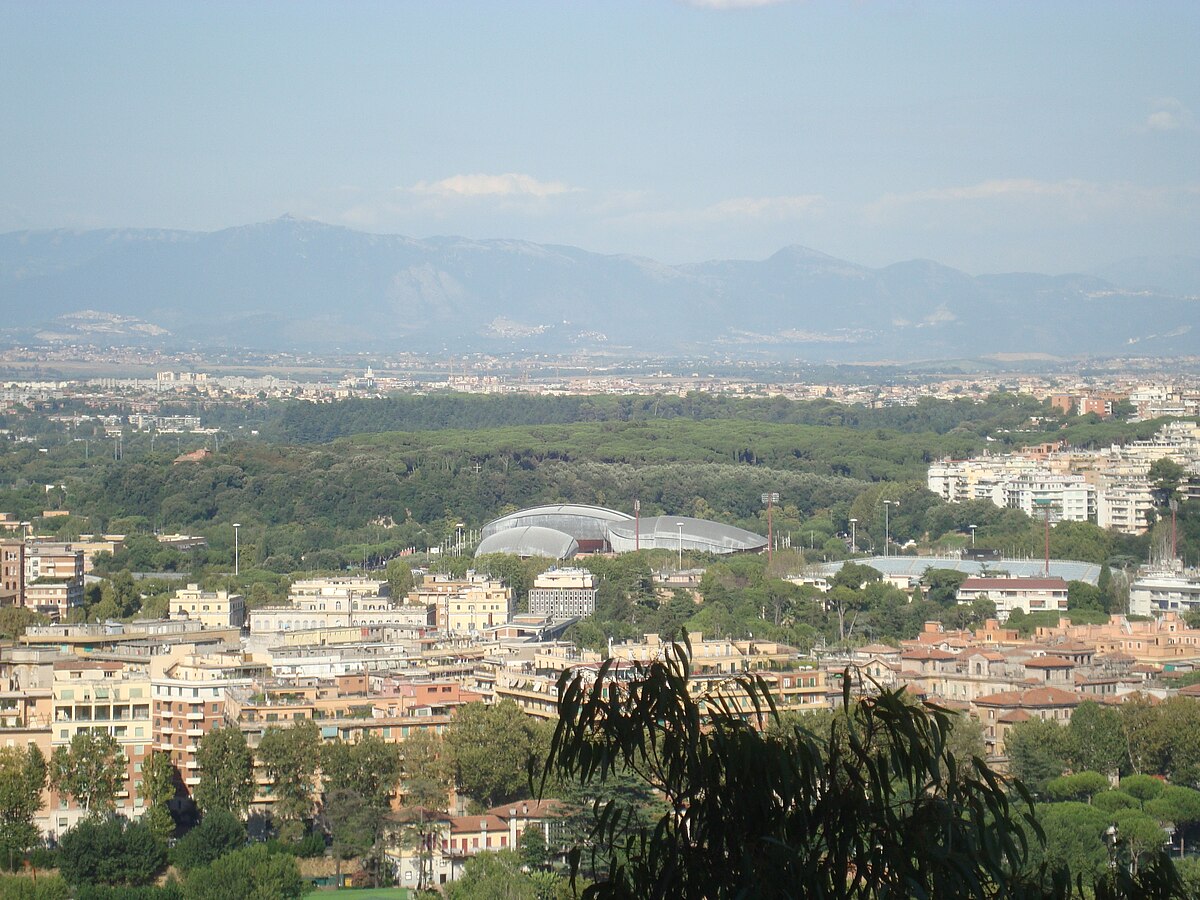


Parco della Musica
Overview
The Parco della Musica is an iconic public music complex located in the heart of Rome, Italy. Designed by the acclaimed architect Renzo Piano, this venue serves as a cultural hub that hosts a wide variety of musical performances, from classical concerts to contemporary events. Opened in 2002, the complex is not only a center for music but also a landmark of modern architecture, blending seamlessly with its surroundings while offering world-class acoustics.
The complex is situated in the Flaminio district of Rome, an area known for its artistic and cultural significance. Parco della Musica stands out as a testament to the city’s commitment to the arts, creating a dialogue between the historical and contemporary aspects of Roman culture. As visitors approach, they are greeted by the unique design that evokes the spirit of music itself, with flowing forms and expansive spaces that invite exploration and enjoyment.
In addition to its architectural beauty, Parco della Musica offers a diverse program of events throughout the year. Concerts, festivals, and educational workshops are held regularly, making it a lively destination for both locals and tourists. Whether you are an avid music lover or a casual visitor, the complex promises a memorable experience that combines the joy of music with the allure of modern design.
History and Significance
The conception of Parco della Musica was part of an initiative to revitalize the Flaminio district, aligning with Rome’s broader cultural development strategies. The project, commissioned by the City of Rome, aimed to create a significant venue that would contribute to the city’s vibrant cultural landscape. Renzo Piano, a Nobel Prize-winning architect known for his innovative and environmentally conscious designs, was selected to lead the project, which began in the late 1990s and culminated in its opening in 2002.
The complex was designed not only as a concert hall but also as a community space that encourages public engagement with music and the arts. Its creation was driven by the belief that music has the power to unite people and foster creativity. Since its opening, Parco della Musica has become a symbol of contemporary Rome, reflecting the city’s dynamic cultural identity while also honoring its historical roots.
The venue is home to three concert halls: the Sala Santa Cecilia, the Sala Petrassi, and the Cavea, each designed with specific acoustic properties to enhance the listening experience. The programming includes a wide array of performances, featuring international orchestras, renowned musicians, and emerging artists. This commitment to diverse musical offerings has established Parco della Musica as a significant player on the international music scene, attracting audiences from all over the world.
In addition to its musical performances, the complex hosts various educational programs aimed at fostering appreciation for music among younger generations. The emphasis on education and outreach reflects the site’s dedication to nurturing a love for the arts within the community.
Architecture and Features
Renzo Piano’s design for Parco della Musica is characterized by its harmonious blend of architectural innovation and functionality. The complex encompasses several buildings, each with distinct characteristics that contribute to the overall aesthetic and acoustic experience. The primary structure, the Sala Santa Cecilia, is the largest and serves as the main concert hall. It features a striking façade made of glass and concrete, allowing natural light to flood the interior while creating a sense of openness.
The interior of the Sala Santa Cecilia is equally impressive, with its carefully engineered acoustics that ensure optimal sound quality for performances. The hall can accommodate around 2,700 spectators and is designed in a traditional shoebox shape, which is known for its excellent acoustical properties. The use of wood and other natural materials within the hall adds warmth to the environment, enhancing the listening experience.
The Sala Petrassi, another key component of the complex, is designed for smaller performances and can seat approximately 1,000 attendees. Its more intimate setting allows for a different kind of musical experience, catering to various genres and artistic expressions.
The Cavea, an open-air amphitheater, serves as a gathering space for public events and concerts. It is surrounded by lush gardens and pathways, creating an inviting atmosphere for visitors. This outdoor area is a perfect setting for summer concerts and festivals, further promoting community engagement.
In addition to the concert halls, Parco della Musica includes a range of facilities such as rehearsal rooms, a music library, and educational spaces. The complex is surrounded by landscaped gardens that provide a tranquil escape from the bustling city, making it an ideal location for both cultural events and leisurely strolls.
Visiting Information
Getting to Parco della Musica is convenient, with several transport options available. It is accessible by public transportation, including buses and the metro. The nearest metro station is Flaminio, which is a short walk away. Visitors can also take advantage of nearby parking facilities if traveling by car.
As for visiting hours and ticket prices, check the official website for current information. It is advisable to plan your visit around the concert schedule to experience the full vibrancy of the complex. Depending on the event, visitors should expect to spend anywhere from a few hours to an entire day at Parco della Musica.
The best times to visit are during concert events, as the atmosphere is particularly lively and engaging. Additionally, the outdoor spaces are most enjoyable during the warmer months, allowing visitors to explore the gardens and enjoy pre-concert activities.
When attending a concert, it is recommended to arrive early to find your seat and soak in the ambiance. The complex often hosts pre-concert talks or educational sessions that can enhance your experience.
Nearby Attractions
While visiting Parco della Musica, there are several nearby attractions worth exploring.
Villa Borghese: This expansive park is home to beautiful gardens, museums, and scenic views of Rome. It offers a serene escape from the urban bustle.
Galleria Borghese: Located within Villa Borghese, this art gallery houses a remarkable collection of sculptures and paintings by masters such as Caravaggio and Bernini.
Pincio Terrace: Providing stunning panoramic views of Rome, this terrace is a popular spot for both locals and tourists, particularly at sunset.
MAXXI - National Museum of the 21st Century Arts: This contemporary art museum features innovative exhibitions and installations, further enriching the cultural experience of the area.
Stadio Flaminio: An architectural landmark in itself, this stadium has hosted various sporting events and concerts, adding to the area’s cultural significance.
Insider Tips
For the best photography opportunities, consider visiting during golden hour, just before sunset. The complex’s striking architecture looks particularly beautiful in the warm light, and the surrounding gardens provide a picturesque backdrop.
To avoid crowds, especially during peak concert times, try visiting during weekdays or attending less popular events. This will allow for a more relaxed experience as you explore the facilities and surrounding areas.
Practical Information
When visiting Parco della Musica, it is advisable to bring along essentials such as water, comfortable shoes for walking, and a camera for capturing the stunning architecture and gardens.
Seasonal considerations include checking the weather, as outdoor events can be affected by rain or extreme heat. Summer months often host outdoor concerts, making it a lively time to visit, while winter may offer a quieter experience indoors.
Visitors should also be prepared for security checks upon entering the complex, especially during major events. Arriving early will give you ample time to navigate through these procedures.
Frequently Asked Questions
How long should I spend visiting?
Plan to spend at least a few hours at Parco della Musica, particularly if attending a concert. Arriving early allows time to explore the facilities and gardens.
Is photography allowed?
Yes, photography is generally allowed in the public areas of the complex. However, check for specific restrictions during performances.
Are there guided tours?
While guided tours may be available, it’s best to check the official website for current offerings and schedules.
What’s the best time to visit?
The best time to visit Parco della Musica is during concert events, especially in the evening when the atmosphere is vibrant.
Is it wheelchair accessible?
Yes, Parco della Musica is designed to be accessible for all visitors, with facilities in place to accommodate those with mobility challenges.
Can I buy tickets online?
Yes, tickets for events can typically be purchased online through the official website, allowing for easier access to performances.
Are there restrooms and cafes?
Yes, the complex features restrooms and on-site cafes where visitors can enjoy refreshments before or after events.
What should I wear?
Dress comfortably, with consideration for the season and the nature of the event. Evening concerts may call for slightly dressier attire, while daytime visits can be more casual.
Photo Gallery
Visit Information
Quick Facts
- Heritage Type
- Theatre Building
- Region
- lazio
- Wikidata ID
- Q570949
More in lazio
Abatino Park
📍 lazio, Italy
The Abatino Park is a serene natural park located in Lazio, Italy, offering visitors a peaceful retreat with lush landscapes and recreational …
Abbazia di Santa Maria di Ponza
📍 lazio, Italy
The Abbazia di Santa Maria di Ponza is a Cistercian monastery on Ponza Island, Italy, renowned for its serene atmosphere and historical significance.

Academia Belgica
📍 lazio, Italy
The Academia Belgica is a Belgian cultural institution located in Rome, Italy, notable for its role in promoting Belgian heritage and fostering …
Accademia di Belle Arti di Frosinone
📍 lazio, Italy
The Accademia di Belle Arti di Frosinone is an educational institution in Frosinone, Italy, renowned for its commitment to fostering artistic talent …
Acqua Vergine
📍 lazio, Italy
Acqua Vergine is a modern aqueduct located in Rome, Italy, known for its engineering marvel and role in the city's water supply system.

Acquedotto delle Arcatelle
📍 lazio, Italy
The Acquedotto delle Arcatelle is a 17th-century aqueduct located in Tarquinia, Italy, recognized for its impressive architectural design and …
More Theatre Building

Ancient theatre of Taormina
📍 sicily, Italy
The Ancient Theatre of Taormina is an ancient Greek theatre located in Sicily, Italy, renowned for its impressive architecture and stunning views of …
Anfiteatro Correa
📍 lazio, Italy
The Anfiteatro Correa is a former theatre building in Rome, Italy, known for its historical significance and architectural legacy from 1780 to 1936.
Arena Cinecittà Teatro San Quirico
📍 tuscany, Italy
The Arena Cinecittà Teatro San Quirico is a historic theatre building in Florence, Italy, renowned for its cultural performances and artistic …

Arena del Sole
📍 tuscany, Italy
The Arena del Sole is a historic theatre building located in Bologna, Italy, renowned for its architectural elegance and vibrant cultural …

Arena dello Stretto
📍 sicily, Italy
The Arena dello Stretto is a historic theatre building located in Reggio Calabria, Italy, renowned for its architectural elegance and cultural …
Auditorium al Duomo
📍 tuscany, Italy
The Auditorium al Duomo is a prominent theatre building located in Florence, Italy, known for its architectural elegance and cultural significance in …