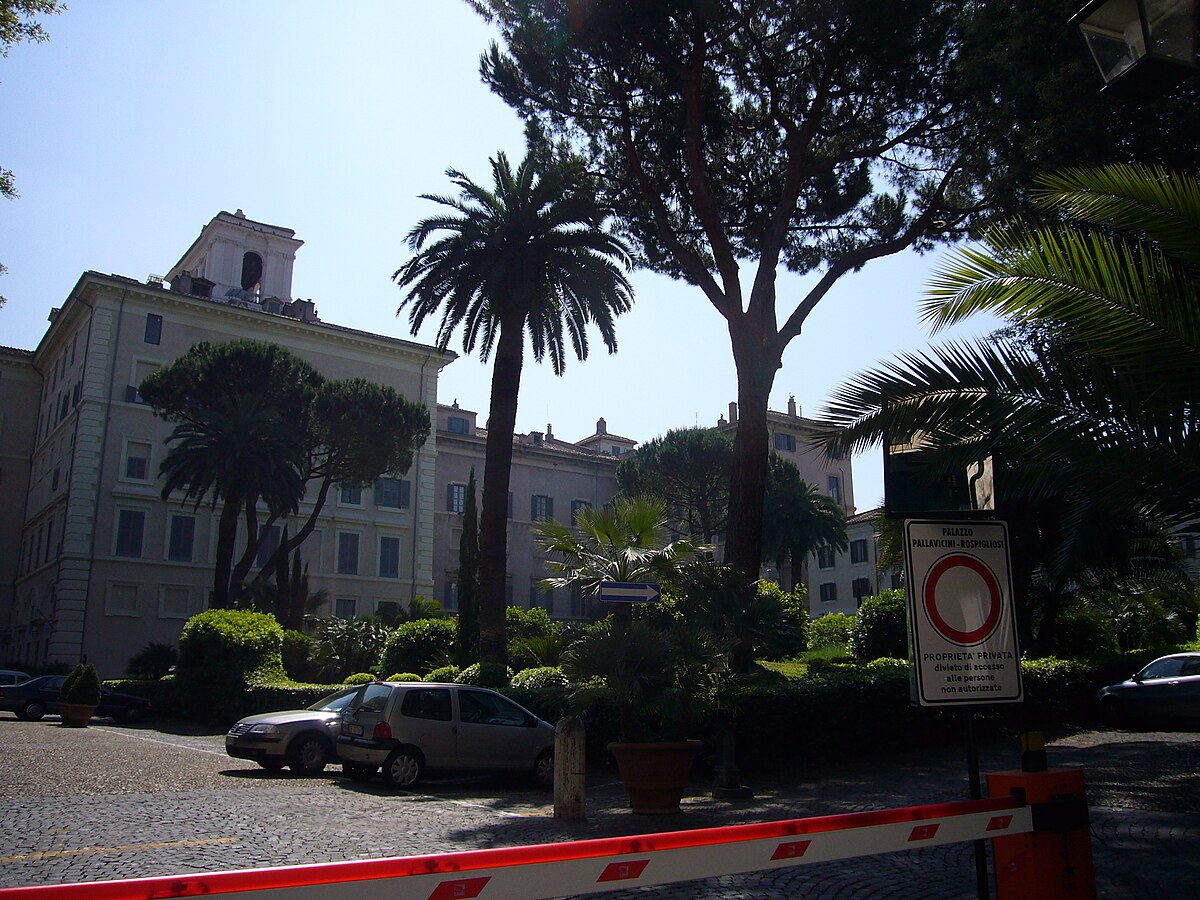


Palazzo Pallavicini-Rospigliosi
Overview
The Palazzo Pallavicini-Rospigliosi is a striking example of Roman architecture and a notable art gallery located in the heart of Italy’s capital. This elegant palace, with its rich history and artistic significance, offers visitors an immersive glimpse into the cultural heritage of Rome. Situated in the vibrant Lazio region, the palace serves not only as a residence but also as a venue for art exhibitions, showcasing the works of both classical and contemporary artists. The blend of historical significance and artistic presentation makes the Palazzo Pallavicini-Rospigliosi a must-visit destination for art lovers and history enthusiasts alike.
Built during a time of significant cultural flourishing, the Palazzo Pallavicini-Rospigliosi stands as a symbol of the artistic and architectural movements that have shaped Rome. Its inviting atmosphere and captivating art collections invite visitors to explore the intersection of history and creativity. As you step through its grand entrance, prepare to be enveloped in the rich narratives that this palace has to offer. A visit not only provides a chance to admire the stunning artworks within its walls but also an opportunity to reflect on the stories that have unfolded within this remarkable structure over the centuries.
History and Significance
The Palazzo Pallavicini-Rospigliosi has a storied history that reflects the evolving cultural landscape of Rome. Originally constructed for the Pallavicini family, the palace became a prominent residence in the 17th century. It later came into the possession of the Rospigliosi family, leading to further renovations and enhancements that contributed to its artistic and architectural legacy. Over the years, the palace has hosted numerous significant events and individuals, making it a focal point of high society in Rome.
The cultural importance of the Palazzo extends beyond its walls. The palace is renowned for its art collection, which includes works from various periods and styles. This collection not only highlights the artistic achievements of the past but also emphasizes the role of private collections in preserving and promoting art. The palace’s dual function as both a residence and an art gallery reflects the historical practice of integrating art into daily life, which is characteristic of many noble families in Rome.
Additionally, the Palazzo Pallavicini-Rospigliosi serves as a reminder of the city’s vibrant social and political history. It has witnessed the changing tides of Rome’s cultural scene, adapting to the influences of different artistic movements and serving as a venue for notable gatherings. This rich tapestry of history enhances the visitor’s experience, allowing for a deeper appreciation of the art and architecture found within.
Architecture and Features
The architecture of the Palazzo Pallavicini-Rospigliosi is an exquisite representation of Baroque style, characterized by its grand scale and ornate details. Visitors will be immediately struck by the elegant façade, adorned with intricate decorations that exemplify the artistic craftsmanship of the period. The use of symmetry and bold architectural elements creates a sense of grandeur that is typical of Baroque palaces.
Inside, the palace features lavishly decorated rooms that are a feast for the eyes. The opulent interiors are enhanced by frescoes, stuccoes, and elaborate furnishings, showcasing the luxurious lifestyle of its former inhabitants. The grand halls are often adorned with art pieces that span centuries, providing a narrative of the palace’s rich artistic heritage.
One of the standout features of the Palazzo is its art gallery, which houses a diverse collection of paintings, sculptures, and decorative arts. This collection includes works by renowned artists, offering visitors a chance to engage with masterpieces in an intimate setting. The layout of the gallery allows for a seamless flow from one artwork to another, encouraging contemplation and appreciation of each piece.
Moreover, the palace’s gardens provide a serene escape from the bustling city streets. These beautifully landscaped areas offer a tranquil environment for visitors to relax and reflect on the beauty of their surroundings. The combination of architectural elegance, artistic richness, and lush gardens makes the Palazzo Pallavicini-Rospigliosi a remarkable site for exploration.
Visiting Information
When planning your visit to the Palazzo Pallavicini-Rospigliosi, it is advisable to check the official website for current information regarding hours of operation and ticket prices. As a popular destination, it can attract a diverse range of visitors, making it essential to plan accordingly.
The palace is conveniently located in Rome, making it accessible via various modes of transportation. Public transport options such as buses and the metro are available, providing easy access to the site. For those arriving by car, nearby parking facilities can be utilized, although it is recommended to arrive early during peak tourist seasons to secure a spot.
Visitors should expect an enriching experience that can take anywhere from one to two hours, depending on their interest in the art collection and architecture. The best times to visit are typically during weekdays or early in the morning to avoid larger crowds.
Once inside, guests can immerse themselves in the beauty of the palace and its art, allowing ample time to explore and appreciate the intricate details throughout the building. Guided tours may also be available, offering deeper insights into the history and significance of the palace and its artworks.
Nearby Attractions
While visiting the Palazzo Pallavicini-Rospigliosi, consider exploring some of the nearby attractions that further enrich your experience in Rome:
Santa Maria della Vittoria - A stunning Baroque church known for its remarkable Caravaggio paintings and the famous Ecstasy of Saint Teresa sculpture.
Piazza della Repubblica - A grand square that serves as a central hub in Rome, surrounded by impressive architecture and known for its iconic fountain.
The National Roman Museum - Located nearby, this museum offers a comprehensive collection of Roman antiquities, showcasing the city’s ancient history.
Palazzo Barberini - An art museum housed in a beautiful Baroque palace, featuring works by Caravaggio, Raphael, and other masters.
The Quirinal Palace - The official residence of the President of the Italian Republic, offering beautiful gardens and an insight into Italian governance.
Insider Tips
For an optimal experience at the Palazzo Pallavicini-Rospigliosi, consider visiting during off-peak hours, such as early mornings or weekdays. This will help you avoid larger crowds and allow for a more personal exploration of the art and architecture.
Photography is often allowed, but it is wise to check for any specific restrictions upon entry. Capturing the intricate details of the palace’s design and artworks can make for lasting memories.
If you enjoy guided tours, inquire about any available options that provide in-depth information about the palace’s history and art collection. These tours can enhance your understanding and appreciation of the site.
Practical Information
When visiting the Palazzo Pallavicini-Rospigliosi, it is advisable to wear comfortable shoes, as you may spend considerable time exploring the expansive interiors and gardens. The palace’s historical floors may be uneven, requiring some caution.
Seasonal considerations can also affect your visit. Spring and fall typically offer pleasant weather, making it ideal for enjoying the gardens. Conversely, summer can be hot, so be prepared with sun protection and hydration.
Lastly, consider bringing a small notebook or sketchbook if you wish to jot down thoughts or make sketches inspired by the palace’s beauty. This can enhance your experience and provide a personal connection to the art and architecture.
Frequently Asked Questions
How long should I spend visiting?
Visitors generally spend about one to two hours exploring the palace and its art collection.
Is photography allowed?
Photography is typically permitted, but please check for any specific restrictions upon entry.
Are there guided tours?
Guided tours may be available, offering insights into the history and artworks of the palace. Check the official website for details.
What’s the best time to visit?
Weekdays or early mornings are often the best times to visit, as these times tend to have fewer crowds.
Is it wheelchair accessible?
For accessibility information, it is recommended to check the official website or contact the palace directly.
Can I buy tickets online?
Ticket purchasing options may vary; check the official website for online ticket availability.
Are there restrooms and cafes?
Facilities such as restrooms and cafes may be available on-site. Check the official website for more detailed information.
What should I wear?
Comfortable clothing and shoes are recommended, as visitors may walk through various rooms and gardens.
Photo Gallery
More in lazio
Abatino Park
📍 lazio, Italy
The Abatino Park is a serene natural park located in Lazio, Italy, offering visitors a peaceful retreat with lush landscapes and recreational …
Abbazia di Santa Maria di Ponza
📍 lazio, Italy
The Abbazia di Santa Maria di Ponza is a Cistercian monastery on Ponza Island, Italy, renowned for its serene atmosphere and historical significance.

Academia Belgica
📍 lazio, Italy
The Academia Belgica is a Belgian cultural institution located in Rome, Italy, notable for its role in promoting Belgian heritage and fostering …
Accademia di Belle Arti di Frosinone
📍 lazio, Italy
The Accademia di Belle Arti di Frosinone is an educational institution in Frosinone, Italy, renowned for its commitment to fostering artistic talent …
Acqua Vergine
📍 lazio, Italy
Acqua Vergine is a modern aqueduct located in Rome, Italy, known for its engineering marvel and role in the city's water supply system.

Acquedotto delle Arcatelle
📍 lazio, Italy
The Acquedotto delle Arcatelle is a 17th-century aqueduct located in Tarquinia, Italy, recognized for its impressive architectural design and …
More Palace

Archbishop's Palace
📍 campania, Italy
The Archbishop's Palace is a historic palace located in Naples, Italy, known for its architectural elegance and cultural significance in the region.

Bevilacqua Palace
📍 veneto, Italy
The Bevilacqua Palace is a historic palace located in Verona, Italy, renowned for its architectural elegance and cultural significance in the region.

Ca Cappello
📍 veneto, Italy
Ca Cappello is a historic palace located in Venice, Italy, renowned for its architectural elegance and cultural significance in the heart of the city.

Ca Robegan
📍 veneto, Italy
Ca Robegan is a historic palace located in Treviso, Italy, known for its architectural elegance and cultural significance in the Veneto region.

Ca' Amalteo
📍 veneto, Italy
Ca' Amalteo is a historic palace in Venice, Italy, renowned for its architectural elegance and rich cultural heritage.
Ca' Caotorta
📍 veneto, Italy
Ca' Caotorta is a historic palace in Venice, Italy, known for its unique architectural style and cultural significance in the heart of the city.